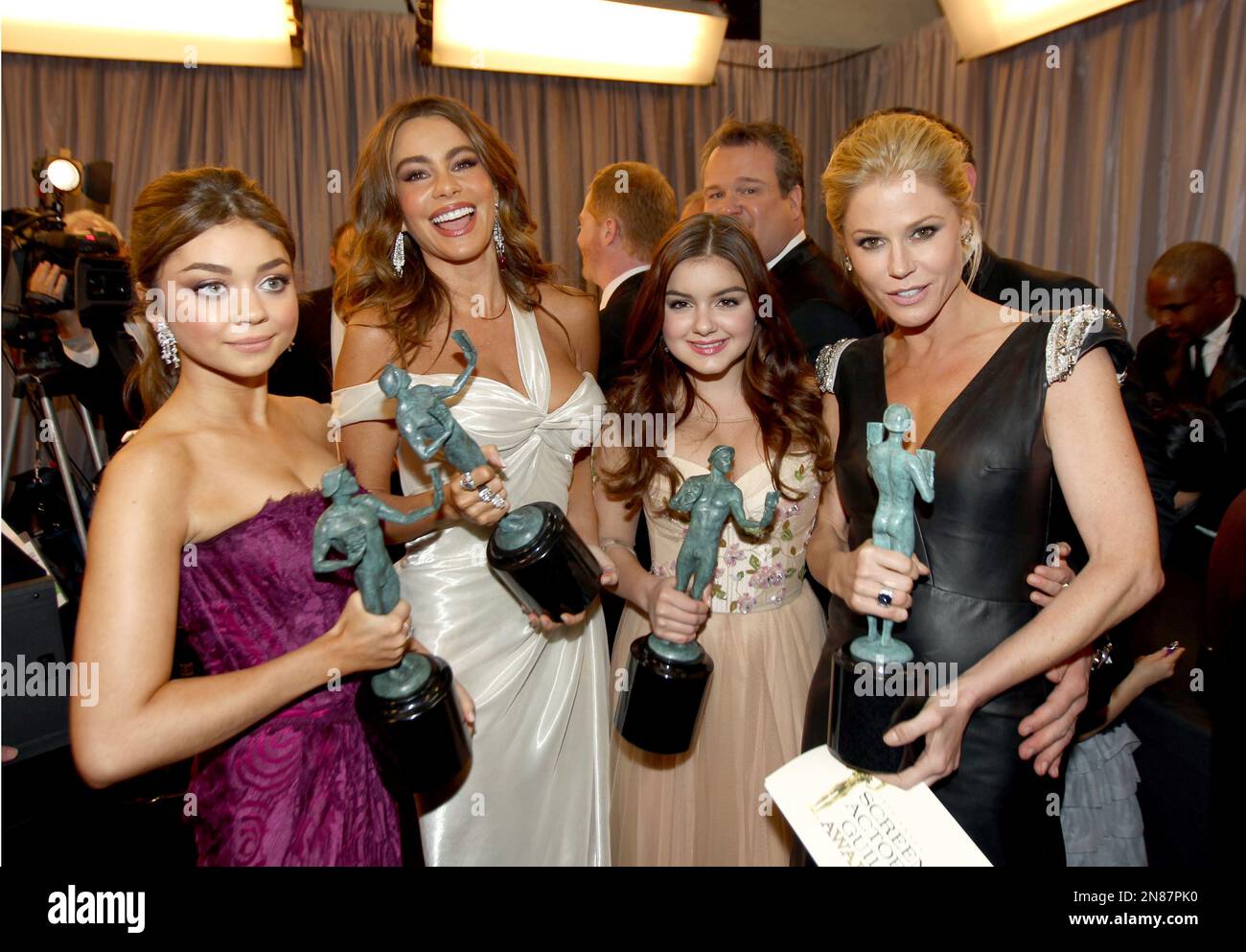
The Ariel Award for Best Actress is the highest honor bestowed upon a leading female performer by the Mexican Academy of Cinematographic Arts and Sciences (AMACC). Established in 1946, this prestigious award recognizes excellence in Mexican cinema, celebrating performances that define the nation’s cultural identity and artistic evolution on the global stage.
The Ariel Award for Best Actress (Premio Ariel a la Mejor Actriz) serves as the Mexican equivalent of the Academy Award for Best Actress. It is the centerpiece of the Ariel Awards, reflecting the prestige and historical depth of one of the oldest film industries in Latin America. As we look at the landscape of Mexican cinema in 2026, the award continues to be a barometer for talent, ranging from the legends of the Golden Age to the contemporary stars of the "New Mexican Cinema" and international streaming successes.
The Historical Evolution of the Ariel Award
The inception of the Ariel Awards in 1946 marked a pivotal moment for Mexican culture. Named after the character in Shakespeare’s The Tempest and inspired by the essay Ariel by José Enrique Rodó, the award symbolizes the flight of the spirit and the search for artistic perfection.
The Golden Age (1946–1958)
During its first decade, the Ariel Award for Best Actress was dominated by the titans of the Golden Age of Mexican cinema. The very first recipient was Dolores del Río for her performance in Las abandonadas (1946). This era saw the recognition of actresses who were not only national icons but also international stars, such as María Félix and Marga López. The category during this period was characterized by dramatic, often tragic roles that reflected the social structures of post-revolutionary Mexico.
The Hiatus and Revival
Between 1958 and 1972, the Ariel Awards were suspended due to a crisis in the Mexican film industry and a lack of state support. When the awards returned in 1972, the cinematic landscape had shifted. The films became more experimental, political, and gritty. The Best Actress category began to favor naturalistic performances over the heightened melodrama of the previous generation.
Eligibility and Selection Process for 2026
For the 2026 award cycle (the 68th Ariel Awards), the AMACC maintains strict guidelines to ensure the integrity of the selection process. Understanding these requirements is essential for producers and actors aiming for a nomination.
General Eligibility Criteria
To be considered for the Best Actress category, a performance must meet several technical and administrative prerequisites:
- Nationality and Production: The film must be a Mexican production or a co-production where the Mexican participation is significant.
- Release Window: For the 2026 ceremony, films must have had their premiere or a qualifying theatrical run between January 1 and December 31, 2025.
- Format: Traditionally, theatrical exhibition was mandatory. However, modern rules allow for films that had limited theatrical releases followed by significant streaming presence, provided they meet AMACC’s specific exhibition criteria.
- Role Definition: The distinction between "Lead Actress" (Mejor Actriz) and "Supporting Actress" (Mejor Coactuación Femenina) is determined by the screen time, narrative weight, and the billing submitted by the film's production team.
The Voting Mechanism
The selection process is a multi-tiered peer-review system:
- Submission: Producers submit their films for consideration in various categories.
- The Committee: A specialized committee of AMACC members reviews the entries to ensure they meet technical standards.
- The Active Membership Vote: Unlike many awards that rely on a small jury, the Ariel winners are chosen by the active members of the Academy—professionals who are previous winners or have significant credits in the industry.
- The Final Ballot: Voting is conducted via secure electronic platforms, with results audited by a third-party firm to maintain confidentiality until the ceremony.
Legendary Winners and Record Holders
The history of the Ariel Award for Best Actress is also a history of the most influential women in Mexican performing arts. A few names stand out for their repeated success and the transformative nature of their roles.
Blanca Guerra: The Record Holder
Blanca Guerra holds the distinction of being one of the most recognized actresses in the history of the AMACC. Her wins—for films such as Perro Callejero (1980), Motel (1984), Días difíciles (1988), and Un embrujo (1999)—demonstrate a career of immense range, moving from urban dramas to period pieces.
Marga López and Dolores del Río
Marga López was a cornerstone of the awards' early years, winning for her work in Soledad (1948) and Salón México (1950). Dolores del Río, despite her Hollywood success, returned to Mexico to win three Ariels for Best Actress, cementing her legacy as the "First Lady of Mexican Cinema."
The Modern Era
In the 21st century, the award has embraced a more diverse range of performances. Mercedes Morán, Edwarda Gurrola, and Mónica del Carmen represent a shift toward internal, nuanced acting. The 2020s have also seen the rise of indigenous performers receiving well-deserved recognition, most notably Yalitza Aparicio, whose nomination for Roma brought global attention to the AMACC, even though the film's category sweeps varied across international ceremonies.
Notable Winners of the Ariel Award for Best Actress
The following table highlights key winners across different eras of Mexican cinema, illustrating the diversity of films and performances honored by the Academy.
| Year | Actress | Film | Genre/Notes |
|---|---|---|---|
| 1946 | Dolores del Río | Las abandonadas | Historical Drama; Inaugural Winner |
| 1947 | María Félix | Enamorada | Revolution-era Romance |
| 1950 | Marga López | Salón México | Urban Film Noir |
| 1953 | Stella Inda | El rebozo de Soledad | Rural Social Drama |
| 1973 | Katy Jurado | Fe, esperanza y caridad | Social Realism; Post-Revival Era |
| 1988 | Blanca Guerra | Días difíciles | Political/Industrial Drama |
| 1992 | Regina Torné | Como agua para chocolate | Magical Realism; International Hit |
| 2002 | Maya Zapata | De la calle | Contemporary Urban Drama |
| 2011 | Mónica del Carmen | Año bisiesto | Minimalist Erotic Drama |
| 2020 | Edwarda Gurrola | Luciérnagas | Drama on Migration and Identity |
| 2023 | Arcelia Ramírez | La Civil | Gripping Thriller on Justice |
| 2024 | Guadalupe Vázquez | Todo el silencio | Exploration of Disability/Hearing Loss |
The Cultural Significance of the "Ariel" Statuette
The physical award, known as the "Ariel," was designed by sculptor Ignacio Asúnsolo. The bronze statue represents a stylized male figure, which has led to discussions regarding the naming of a "Best Actress" award after a male figure. However, the symbolism remains rooted in the concept of the "spirit of art."
For an actress, winning an Ariel is often more than just a career milestone; it is an entry into the Official Records of the AMACC, providing a level of institutional validation that often leads to international opportunities. In 2026, as the Mexican film industry continues to integrate with global platforms like Netflix and MUBI, the Ariel remains the definitive seal of quality for Mexican audiences.
Comparison: Ariel vs. Other International Awards
While the Ariel is often compared to the Oscar or the Goya (Spain), it possesses unique characteristics that distinguish it from its counterparts.
Ariel vs. The Academy Awards (Oscars)
The Oscars are often criticized for their commercial leanings. In contrast, the Ariel Awards have historically leaned toward "Cine de Arte" (Art House) and socially conscious films. An Ariel-winning performance is frequently more experimental and less concerned with box-office viability than an Oscar-winning one.
Ariel vs. The Goya Awards
There is a close relationship between the AMACC and the Spanish Academy. Both institutions emphasize the Ibero-American connection. However, the Ariel for Best Actress specifically highlights the unique linguistic and cultural nuances of Mexican Spanish and the specific socio-political history of Mexico, from the Revolution to the modern-day challenges of the border and internal conflict.
Common Challenges and Controversies
The Ariel Award for Best Actress has not been without its hurdles. In recent years, the AMACC has faced significant financial difficulties.
- Funding Cuts: The Mexican government’s reduction in cultural subsidies led to a crisis in 2023 where the ceremony was nearly canceled. This prompted a wave of support from the international film community, including Guillermo del Toro.
- Streaming vs. Cinema: Like the rest of the world, Mexico has debated whether "made-for-streaming" movies should compete on equal footing with theatrical releases. As of 2026, the Academy has adopted a hybrid model, recognizing that some of the most powerful female performances are now premiering on digital platforms.
- Representation: While the Best Actress category has a rich history, there is an ongoing push for greater representation of Afro-Mexican and indigenous actresses beyond "tokenized" roles.
Practical Guidance for Film Enthusiasts
If you are a student of cinema or a fan of Mexican culture, tracking the Best Actress winners is an excellent way to navigate the country's vast filmography.
- Where to Watch: Many Ariel-winning films from the last decade are available on platforms such as FilminLatino, the official streaming partner of Mexican cinema, as well as Netflix and Amazon Prime.
- Archival Research: The Cineteca Nacional in Mexico City holds the most comprehensive archives of Ariel-winning performances. For those outside Mexico, the AMACC Official Website provides historical databases and nomination lists.
- The 2026 Ceremony: The 68th Ariel Awards are scheduled for the fall of 2026. Keep an eye on the official announcements in early summer for the "Shortlist" of nominees in the Best Actress category.
Frequently Asked Questions
Who has won the most Ariel Awards for Best Actress?
Blanca Guerra and Dolores del Río are among the most celebrated. Specifically, Blanca Guerra has won the Best Actress award four times, reflecting her dominance in the industry during the 80s and 90s.
Can a non-Mexican actress win the Ariel for Best Actress?
Yes. If a foreign actress stars in a Mexican production or a qualifying co-production, she is eligible. The award is based on the production's origin and the quality of the performance rather than the actress's passport, though most winners are of Mexican or Ibero-American descent.
How is the Best Actress award different from the Golden Ariel?
The Ariel for Best Actress is a competitive award for a specific performance in a single year. The Ariel de Oro (Golden Ariel) is a career achievement award given to individuals or institutions for their overall contribution to Mexican cinema. Many Best Actress winners eventually receive the Golden Ariel later in their careers.
What is the significance of the move to Guadalajara for the awards?
In an effort to decentralize Mexican culture from the capital (Mexico City), the AMACC began hosting the ceremony in different states, most notably at the Teatro Degollado in Guadalajara. This move has been seen as a way to promote regional film industries and diverse talent across the country.
Are supporting roles eligible for Best Actress?
No. There is a separate category called Mejor Coactuación Femenina (Best Female Co-performance) for supporting roles. If a performance is deemed a "supporting" role by the Academy's criteria, it cannot be nominated for Best Actress.
Final Recommendation for 2026
To truly appreciate the evolution of the Ariel Award for Best Actress, one should watch a "bridge" of films across eras. Start with Dolores del Río in Las abandonadas (1946) to understand the classical foundations, move to Blanca Guerra in Un embrujo (1999) for a masterclass in transition-era acting, and conclude with the 2024 winner Guadalupe Vázquez in Todo el silencio. This progression offers a profound look at how the portrayal of women in Mexican cinema has moved from archetypal figures to complex, deeply human individuals. As we look forward to the 2026 winners, the Ariel continues to be the most reliable guide to the heart of Mexican storytelling.