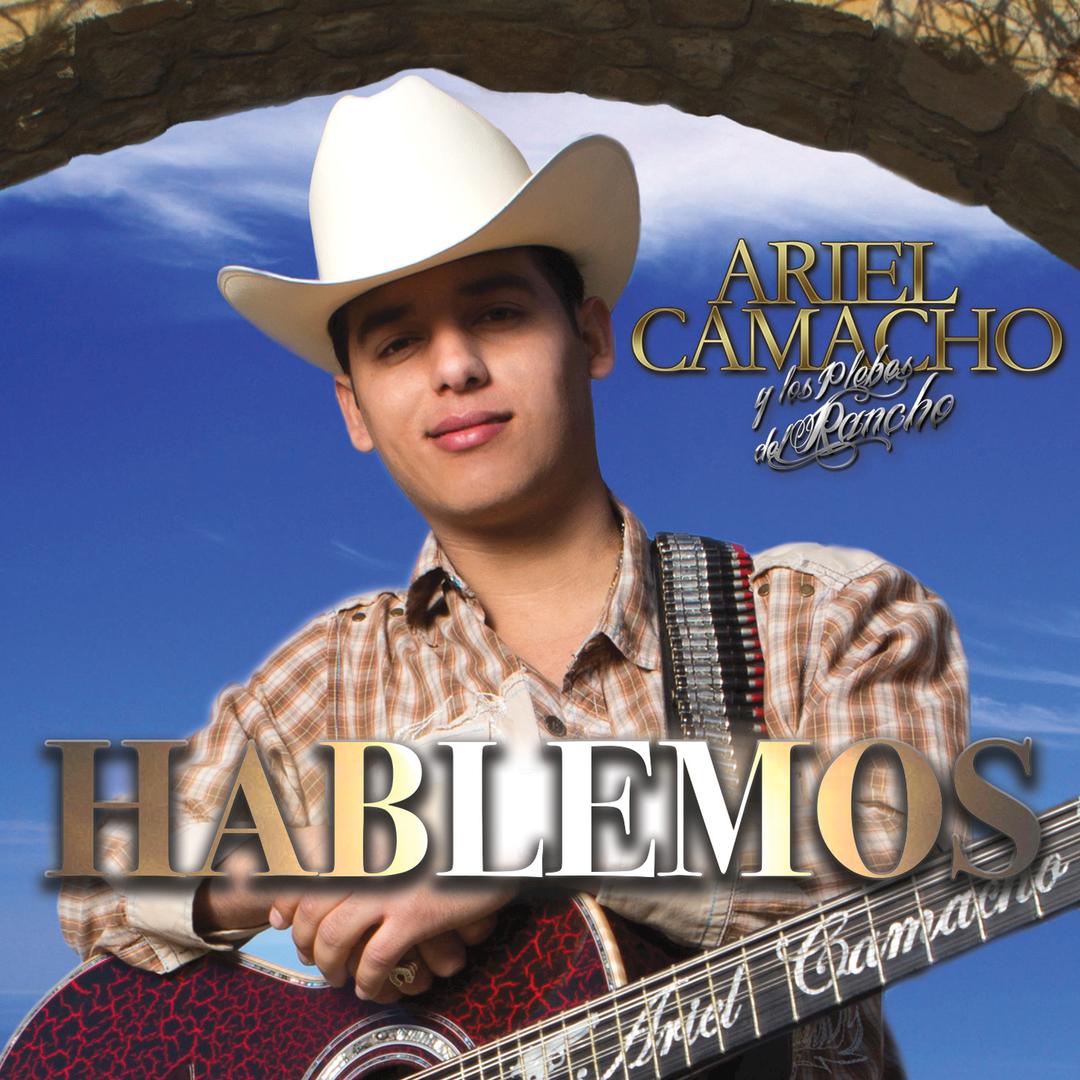
Ariel Camacho was 22 years old at the time of his death. Born on July 8, 1992, the influential Mexican singer and musician passed away in the early morning hours of February 25, 2015, following a tragic car accident in his home state of Sinaloa.
The passing of José Ariel Camacho Barraza was a watershed moment for Regional Mexican music. Despite his youth, Camacho had already revolutionized the "Sierreño" genre, blending traditional acoustic arrangements with a modern energy that resonated with a new generation of listeners. Even now, in 2026, his influence remains a foundational element for many of the top-charting artists in the Mexican music industry.
Early Life and the Birth of "La Tuyia"
Born in Guamúchil, Sinaloa, Ariel Camacho was immersed in the rich musical traditions of Northern Mexico from a very young age. His father, Benito Camacho, was also a musician, which provided Ariel with both the inspiration and the tools to begin his journey. His nickname, "La Tuyia," was given to him because of his small stature as a child, but his presence on stage eventually became larger than life.
Camacho’s early years were defined by a rigorous dedication to the guitar. While many of his peers were drawn to the brass-heavy sounds of Banda or the accordion-led Norteño, Ariel found his voice in the Sierreño style. Traditionally, Sierreño consisted of two guitars and a bass (usually a tololoche). However, Ariel sought to refine this, focusing on the intricate, fast-paced lead melodies of the requinto (a high-pitched guitar).
By the time he reached his late teens, Ariel’s technical proficiency was undeniable. He didn't just play the chords; he treated the guitar as a lead instrument capable of carrying the emotional weight of a narrative ballad. This technical depth, combined with his soulful, slightly raspy vocal delivery, set the stage for the formation of his band, Los Plebes del Rancho.
The Formation of Los Plebes del Rancho
In 2013, Ariel Camacho joined forces with César Iván Sánchez (known as "El Tigre") and Omar Burgos to form Los Plebes del Rancho de Ariel Camacho. The trio’s configuration was a deliberate departure from the standard Sierreño groups of the time. Instead of the acoustic bass, they utilized the tuba to provide a deeper, more resonant rhythm section.
This choice was revolutionary. It bridged the gap between the "campirano" (rural/mountain) sound and the popular Banda music that dominated the airwaves. This hybrid sound became the blueprint for modern Sierreño. The band was quickly signed by DEL Records, one of the most influential labels in the Regional Mexican space, which propelled Ariel into the international spotlight.
Major Milestones in a Short Career
Between 2013 and early 2015, Ariel Camacho’s career trajectory was nearly vertical. He released hit after hit, many of which became anthems for youth across Mexico and the United States.
- "El Karma": This track served as his breakthrough. Its narrative of justice and consequence, paired with a relentless guitar riff, solidified his status as a "corrido" star.
- "Te Metiste": A romantic ballad that showcased his vocal range and ability to appeal to a broader, more pop-oriented audience.
- "Rey de Corazones": A song that further emphasized his charisma and earned him his famous moniker among fans.
Despite being only 21 and 22 during this peak, Ariel exhibited a professional maturity that surprised industry veterans. He was known for his relentless touring schedule, often performing at "palenques" and festivals across both sides of the border.
The Tragic Events of February 25, 2015
The career of Ariel Camacho was cut short on a highway in Angostura, Sinaloa. Returning from a performance at the Carnaval de Mocorito, the vehicle Camacho was traveling in—a 2004 Honda Accord—lost control.
Investigation and Cause of Death
Authorities later determined that excessive speed was a primary factor in the accident. The car veered off the road and crashed into a drainage ditch, resulting in the immediate death of two passengers, including Ariel Camacho. A third passenger, a young woman named Melina Durán, also passed away shortly after the accident.
The news sent shockwaves through the music world. Social media was flooded with tributes from fans and fellow musicians who couldn't believe that the "Rey del Requinto" was gone at just 22 years old. At the time of his death, Ariel was in the middle of a massive promotional tour and had several recording projects in the pipeline.
| Detail | Fact |
|---|---|
| Full Name | José Ariel Camacho Barraza |
| Date of Birth | July 8, 1992 |
| Date of Death | February 25, 2015 |
| Age at Death | 22 Years, 7 Months |
| Place of Birth | Guamúchil, Sinaloa, Mexico |
| Place of Death | Angostura, Sinaloa, Mexico |
| Main Instrument | 12-String Requinto Guitar |
| Genre | Sierreño / Regional Mexican |
| Record Label | DEL Records |
Technical Mastery: The "Rey del Requinto"
To understand why Ariel Camacho’s death at 22 was such a blow to the industry, one must look at his technical contributions to music. He popularized the use of the 12-string guitar (docerola) in a way that hadn't been seen in the mainstream Sierreño market.
Ariel’s style involved high-speed picking, complex "adornos" (ornamental flourishes), and a specific tuning that gave his music a bright, metallic "twang" that cut through the deep notes of the tuba. He was a perfectionist regarding his sound, often spending hours practicing to ensure every note was crisp. This level of technicality inspired a legion of imitators, but few could match his natural timing and "feeling."
Posthumous Success and Cultural Impact
In the years following 2015, Ariel Camacho’s popularity did not wane; it grew. His album El Karma reached the top of the Billboard Latin Albums chart posthumously, a rare feat for a Regional Mexican artist.
Los Plebes del Rancho After Ariel
The band faced the impossible task of continuing without their founder. Eventually, Jose Manuel Lopez joined as the new lead singer and guitarist, and the band changed their name to Los Plebes del Rancho de Ariel Camacho to honor his legacy. They continued to release successful albums, but the "ghost" of Ariel’s influence remained present in every chord.
By 2026, the band has seen various lineup changes, but they still headline major festivals, always dedicating a segment of their show to the man who started it all.
Influence on "Corridos Tumbados"
Perhaps the most significant evidence of Ariel’s legacy is the rise of "Corridos Tumbados" and "Urban Sierreño." Artists like Natanael Cano, Peso Pluma, and Junior H have frequently cited Ariel Camacho as a primary influence. The minimalist, guitar-driven foundation of their music is a direct evolution of the sound Ariel perfected.
Ariel Camacho proved that you didn't need a 15-piece brass band to command a stage. You only needed a guitar, a tuba, and an authentic story to tell. His death at 22 meant he never got to see the global explosion of the genre he helped modernize, but his fingerprints are on every modern Mexican hit currently topping global charts.
Remembering Ariel Camacho in 2026
It has been over a decade since the accident in Angostura, yet Ariel Camacho remains a household name in Mexico. His gravesite in Alhuey, Angostura, has become a place of pilgrimage for fans who leave flowers, guitars, and candles.
Every year on February 25, his family and former bandmates hold a memorial service and musical tribute. These events are not just about mourning a loss; they are celebrations of a life that, while brief, was extraordinarily impactful.
Why Ariel Camacho Still Matters
- Authenticity: In an era of highly produced music, Ariel’s raw, acoustic sound felt honest to his listeners.
- Innovation: He took a "stagnant" genre (Sierreño) and made it the most popular sub-genre in Mexican music.
- Youth Connection: He was a peer to his audience, dressing like them and singing about their lived realities.
- Technical Excellence: He raised the bar for what it meant to be a lead guitarist in Regional Mexican music.
Frequently Asked Questions
What were Ariel Camacho's last words?
While there is no verified record of his final words, his last public interaction was a video posted to social media shortly before leaving the Carnaval de Mocorito. In the video, he thanked his fans for their support and expressed his excitement for upcoming projects.
How many people died in the accident with Ariel Camacho?
Three people died as a result of the accident. Ariel Camacho and his friend Meligary were pronounced dead at the scene. Another passenger, Melina Durán, died later due to the severity of her injuries. One other passenger survived the crash.
Where is Ariel Camacho buried?
Ariel Camacho is buried in the Panteón de Alhuey, located in the municipality of Angostura, Sinaloa. His tomb is elaborate and frequently visited by fans, featuring statues and imagery related to his musical career.
Did Ariel Camacho have children?
No, Ariel Camacho did not have any children. He was focused on his burgeoning career and was only 22 years old at the time of his passing.
What brand of guitar did Ariel Camacho play?
Ariel was most famous for playing Takamine guitars, specifically 12-string models. His use of the Takamine P3DC and similar models led to a surge in popularity for the brand among aspiring Sierreño musicians.
The Enduring Echo of the Requinto
Ariel Camacho’s age at death—22—serves as a reminder of the fragility of life, but his discography serves as a testament to the power of talent. He managed to accomplish in less than three years what most artists fail to achieve in a lifetime. As we look at the landscape of Latin music in 2026, it is clear that the "Rey del Requinto" never truly left. His music continues to stream in the millions, his style defines a genre, and his name is spoken with the same reverence as the greats who came before him.
For those looking to explore his work, starting with the album El Karma provides the best insight into why this young man from Sinaloa became a legend. His story is a blend of triumph and tragedy, but above all, it is a story of a boy and his guitar who changed the world.