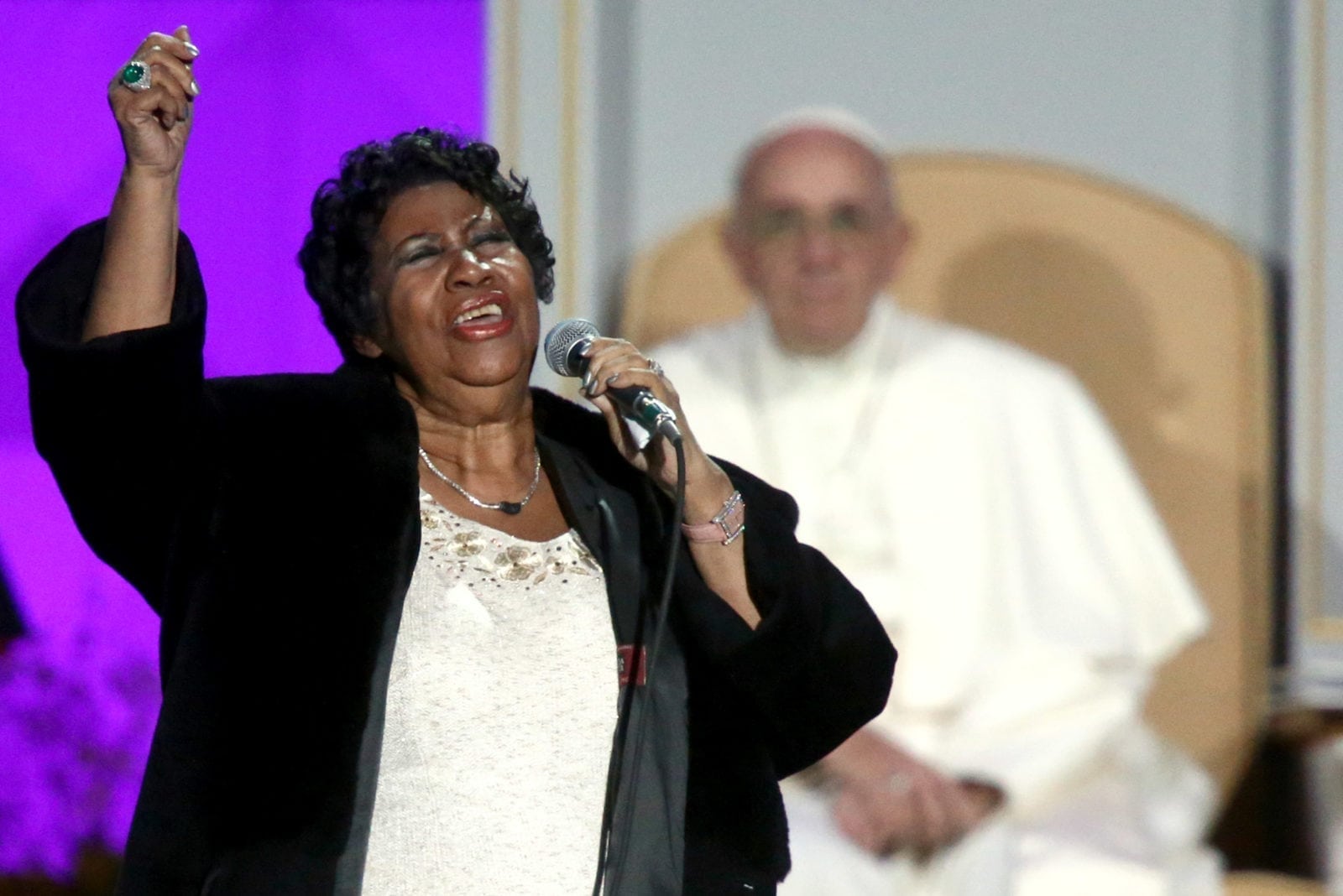
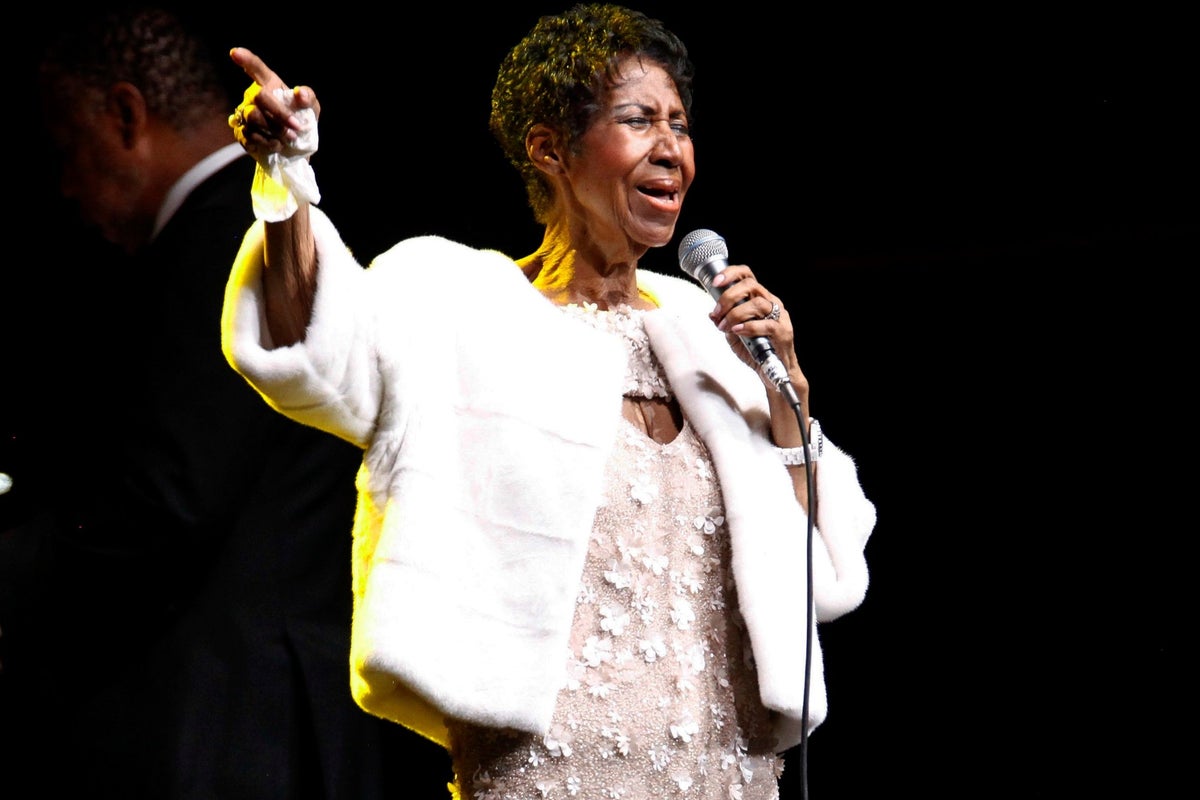
Aretha Franklin, the globally celebrated "Queen of Soul," passed away on August 16, 2018. Her death occurred at her home in Detroit, Michigan, at the age of 76. Following a long-documented struggle with a serious form of pancreatic cancer known as neuroendocrine carcinoma, the iconic singer-songwriter succumbed to the illness, marking the end of a legendary career that spanned over six decades.
Understanding the Timeline of Aretha Franklin’s Passing
For fans and music historians alike, the specific timing surrounding Aretha Franklin's death is a matter of historical record. The announcement of her passing sent shockwaves through the music industry and the public at large. To understand the circumstances surrounding her death, it is necessary to look at the intersection of her health challenges and her final days in Detroit.
Franklin’s health had been a subject of public concern for several years prior to 2018. She had cancelled a series of concerts in 2017 citing medical orders, which sparked speculation regarding the severity of her condition. By the summer of 2018, reports emerged that she was in failing health. On August 16, 2018, her family confirmed that she had passed away peacefully, surrounded by loved ones at her residence.
Medical Context: Neuroendocrine Carcinoma
The official cause of death was attributed to advanced pancreatic neuroendocrine carcinoma. Unlike the more common adenocarcinoma of the pancreas, neuroendocrine tumors arise from the hormone-producing cells of the pancreas. Because these tumors can be slow-growing or highly aggressive depending on their cellular biology, the prognosis varies significantly. In Franklin's case, the severity of the illness necessitated intensive care and, eventually, hospice services during her final days.
Cultural Impact and Global Recognition
Aretha Franklin was more than a singer; she was a cultural icon whose influence extended into civil rights, fashion, and the empowerment of women. Her death on August 16, 2018, prompted an immediate global outpouring of grief. From the White House to the streets of Detroit, memorials were held to honor a woman whose voice became the soundtrack of the American experience during the 1960s and 70s.
The Queen of Soul's Legacy
Her discography remains a cornerstone of American music. With hits like "Respect," "(You Make Me Feel Like) A Natural Woman," and "Think," Franklin broke barriers as a Black woman in the music industry. Her influence is measurable not just in her 18 Grammy Awards or her status as the first woman inducted into the Rock and Roll Hall of Fame, but in the generations of vocalists who cite her as their primary influence.
Final Arrangements and Public Tribute
Following her death in August 2018, the city of Detroit hosted a series of commemorations to celebrate her life. The planning of these events reflected her stature as a global icon.
- Public Lying-in-Repose: Her body lay in state at the Charles H. Wright Museum of African American History in Detroit, where thousands of fans lined up to pay their respects.
- The Homegoing Service: A star-studded funeral service was held at the Greater Grace Temple. The event featured performances and eulogies from leaders in politics, entertainment, and faith, highlighting the breadth of her personal and professional connections.
- Interment: Franklin was laid to rest at Woodlawn Cemetery in Detroit, resting alongside her father, the Reverend C.L. Franklin, and other family members.
Summary of Historical Dates and Events
The following table summarizes the key timeline points related to the end of her life and the subsequent commemorative period.
| Event | Date | Location |
|---|---|---|
| Date of Passing | August 16, 2018 | Detroit, Michigan |
| Lying-in-Repose | August 28–29, 2018 | Charles H. Wright Museum |
| Funeral Service | August 31, 2018 | Greater Grace Temple |
| Final Interment | August 31, 2018 | Woodlawn Cemetery |
The Role of Estate Planning and Legacy
Following her death, the subject of Franklin’s estate became a significant point of public and legal discussion. Unlike many high-profile figures who rely on sophisticated, singular trust documents, the discovery of handwritten wills found in her home years after her passing sparked legal proceedings among her family members.
This situation serves as a critical lesson in estate management. It highlights the importance of keeping legal documentation updated, clearly witnessed, and securely stored. For those tracking her life, the legal proceedings that followed her death serve as a reminder that even the most celebrated public figures have private affairs that require resolution long after they are gone.
Frequently Asked Questions (FAQ)
1. Where did Aretha Franklin die?
Aretha Franklin passed away at her home in Detroit, Michigan. She had spent much of her life and career deeply connected to the Detroit community, which remained a central part of her identity until her final day.
2. What was the cause of Aretha Franklin’s death?
The official cause of death was pancreatic neuroendocrine carcinoma. This is a rare form of cancer that affects the hormone-producing cells in the pancreas, which is distinct from the more commonly diagnosed pancreatic adenocarcinoma.
3. Was Aretha Franklin ill for a long time?
While Franklin had been managing various health issues for years, her diagnosis with pancreatic neuroendocrine carcinoma was treated with privacy. It was not until the final months of her life that the public became aware of the critical nature of her health condition.
4. Who was present when Aretha Franklin passed away?
It was reported by her family that she was surrounded by loved ones, including family and close friends, during her final moments at her residence.
5. Where can fans visit to honor her memory?
Aretha Franklin is interred at Woodlawn Cemetery in Detroit. Many fans continue to visit the area to pay their respects, and the city of Detroit maintains several cultural landmarks associated with her history, including the street renamed "Aretha Franklin Way."
6. Are there ongoing documentaries or records of her final days?
Several films and documentaries, such as the concert film Amazing Grace, have been released or updated since her passing to provide deeper insight into her artistic process. These works serve as a primary record of her talent and her enduring contribution to music history.
Next Steps for Researchers and Fans
For those interested in further study regarding the life, career, and passing of Aretha Franklin, official documentation and reputable biographies remain the most reliable sources. Academic archives at the Detroit Public Library and the Smithsonian Institution often hold materials related to her historical and musical significance.
If you are researching her impact, it is recommended to focus on her 1967-1972 period with Atlantic Records, which is widely considered the zenith of her creative output. Understanding this period is essential for grasping why her death, occurring on August 16, 2018, was felt so deeply by the international community. Her legacy is preserved not only in her recordings but in the ongoing efforts of her estate to manage her intellectual property and ensure her music remains accessible to future generations.