The Aquarius zodiac personality is defined by a unique blend of intellectual independence, humanitarian vision, and a non-conformist approach to social structures. Governed by the element of Air and ruled by the planets Saturn and Uranus, individuals born between January 20 and February 18 typically prioritize logic, innovation, and collective progress over traditional norms or emotional conformity.
The Foundations of the Aquarius Archetype
To understand an Aquarius, one must first look at their placement within the zodiacal system. Aquarius is the eleventh sign of the zodiac and is categorized as a "Fixed" sign. In astrology, the quality of "Fixed" implies stability, persistence, and a steadfast dedication to one's internal principles. Unlike "Cardinal" signs, which initiate change, or "Mutable" signs, which adapt to it, Fixed signs are the keepers of energy. They take the ideas brought forth by others and solidify them into practical, long-term frameworks.
The sign is often symbolized by the Water Bearer. While this iconography suggests a connection to water, Aquarius is fundamentally an Air sign. This represents the movement of intellectual energy—the "pouring out" of knowledge, ideas, and communal wisdom to benefit humanity at large. Because they operate primarily in the realm of the mind, Aquarians are often viewed as detached or aloof, though this is usually a byproduct of their focus on the "big picture" rather than personal emotional dramas.
Planetary Influence: The Duality of Saturn and Uranus
One of the most complex aspects of the Aquarius personality is its dual planetary rulership. In classical astrology, Saturn is the ruler of Aquarius, providing the sign with its disciplined, structured, and sometimes rigid exterior. Saturn represents boundaries, time, and karma—the forces that demand responsibility and hard work. This influence gives many Aquarians a surprisingly conservative streak regarding their personal ethics and their need for reliability in their inner circle.
Conversely, modern astrology incorporates Uranus as the ruling planet of Aquarius. Uranus is the planet of radical change, disruption, rebellion, and technological advancement. It is the catalyst for the "Aquarian Age" energy, pushing the individual to break free from outdated paradigms. This combination creates a person who is capable of monumental, disciplined work (Saturn) directed toward revolutionary, forward-thinking goals (Uranus).
Core Personality Traits
The personality of an Aquarius is often categorized by several distinct psychological markers. These traits guide their professional life, personal relationships, and their role within their community.
Intellectual Independence
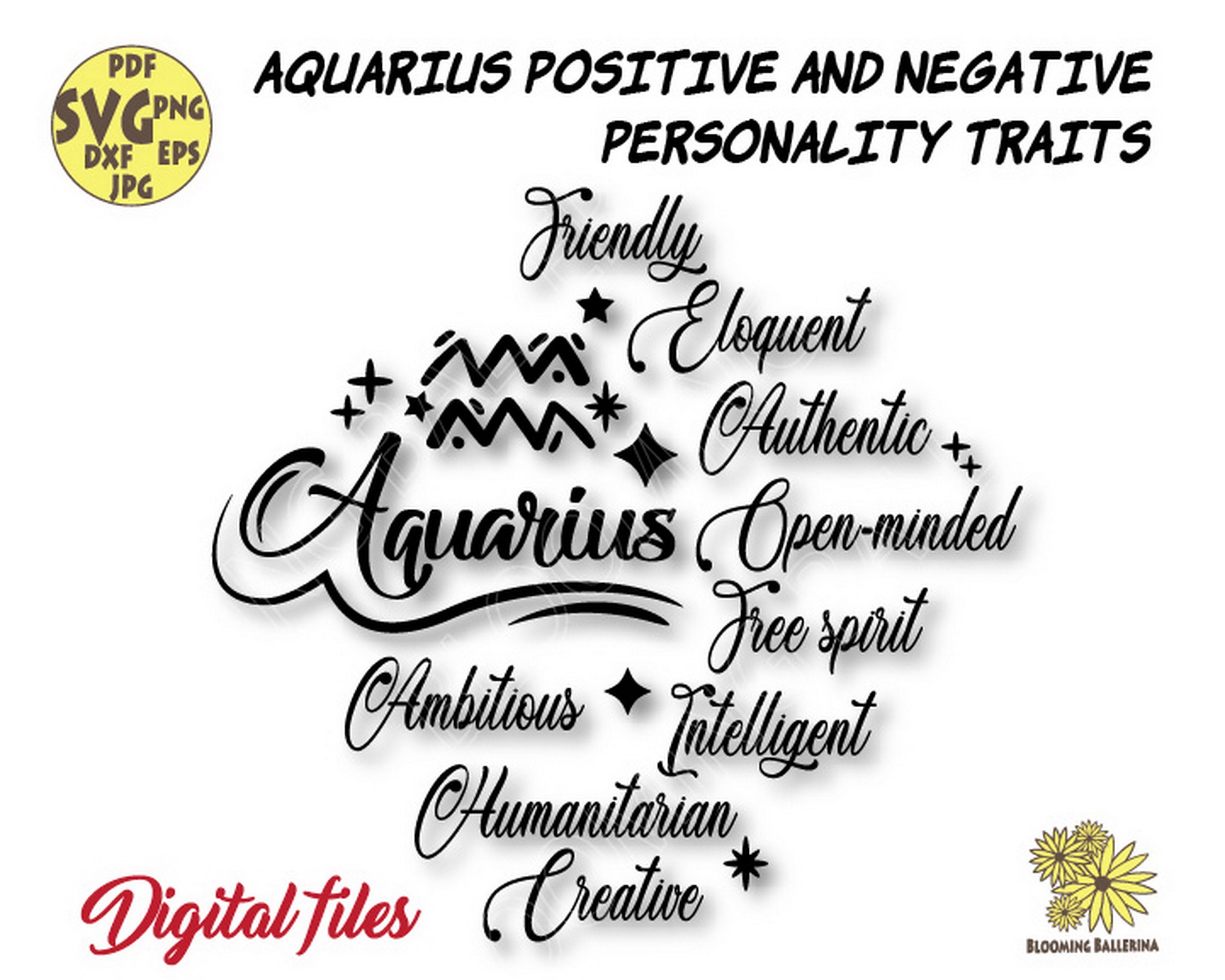
Aquarians are rarely content with surface-level explanations. They possess an innate need to understand the underlying mechanics of any system. This makes them natural researchers, scientists, and analysts. They are known for their ability to detach themselves from the crowd, allowing them to form opinions based on objective observation rather than social pressure or emotional bias.
Humanitarian Vision
While they may seem distant in one-on-one interactions, Aquarians have an expansive capacity for empathy toward groups. They are usually the first to advocate for social justice, environmental sustainability, or systemic reform. They believe in the power of the collective and often find personal fulfillment when they are contributing to a cause that transcends their own immediate needs.
Non-Conformity
An Aquarius does not set out to be a "rebel" for the sake of attention; they simply fail to see the logic in doing something "because that’s how it’s always been done." If a tradition no longer serves a functional purpose, they are often the first to suggest its abandonment. This trait can sometimes lead to friction in traditional workplaces or rigid family structures.
Table: Aquarius at a Glance
| Feature | Characteristic |
|---|---|
| Dates | January 20 – February 18 |
| Element | Air (Intellectual/Social) |
| Modality | Fixed (Stable/Persistent) |
| Ruling Planets | Saturn (Traditional) & Uranus (Modern) |
| Primary Motivation | Progress and Innovation |
| Common Strength | Analytical Objectivity |
| Common Challenge | Emotional Detachment |
Navigating Relationships and Social Dynamics
Understanding how an Aquarius interacts with others requires recognizing their need for mental stimulation. They rarely prioritize romantic partners who do not serve as a sounding board for their ideas.
The Role of Friendship
For an Aquarius, friendship is often more sacred than traditional romance. They value loyalty and intellectual compatibility above all else. They are known to have broad, diverse social circles, ranging from childhood friends to acquaintances they met through a specific cause or intellectual forum. However, breaking through their guarded, independent exterior takes time. They do not appreciate being emotionally "pressured" or having their autonomy challenged.
Communication Style
Aquarians communicate through the lens of logic. If a partner or friend is experiencing an emotional crisis, an Aquarius is more likely to offer a solution to the problem rather than an expression of shared feeling. While this can sometimes be perceived as cold, it is intended as an act of service. They view solving the underlying issue as the most effective way to help the person they care about.
Career and Professional Life
In the workplace, Aquarians thrive in environments that reward original thinking and permit autonomy. They are notoriously bad at micromanagement; if an employer dictates exactly how a task must be completed without considering the efficiency of the method, an Aquarius will likely become disengaged.
Ideal Professional Paths
- Technology and Science: Given their fascination with progress, fields like software development, engineering, and data science are natural fits.
- Social Reform: Their humanitarian streak makes them excellent candidates for careers in non-profits, urban planning, or political activism.
- Creative Innovation: They are often found in roles that require disrupting existing markets, such as design thinking, strategic consulting, or independent entrepreneurship.
Common Misconceptions
There are several persistent myths regarding the Aquarius sign. Addressing these helps clarify the true nature of their personality:
- "Aquarians are unfeeling": This is a misunderstanding of their process. Aquarians feel deeply, but they intellectualize those feelings. They process emotions through their analytical filter before responding.
- "They are always radical": While they embrace change, they are also a "Fixed" sign. They have strong, unshakable convictions once they have settled on a logical conclusion. They are not as flighty or inconsistent as their "Air" element might suggest.
- "They don't like people": On the contrary, they are arguably one of the most "people-focused" signs. Their focus is just on the macro level of humanity rather than the micro level of individual emotional validation.
Challenges and Opportunities for Growth
To achieve their full potential, individuals with an Aquarius personality must learn to balance their strengths with their inherent shadow sides.
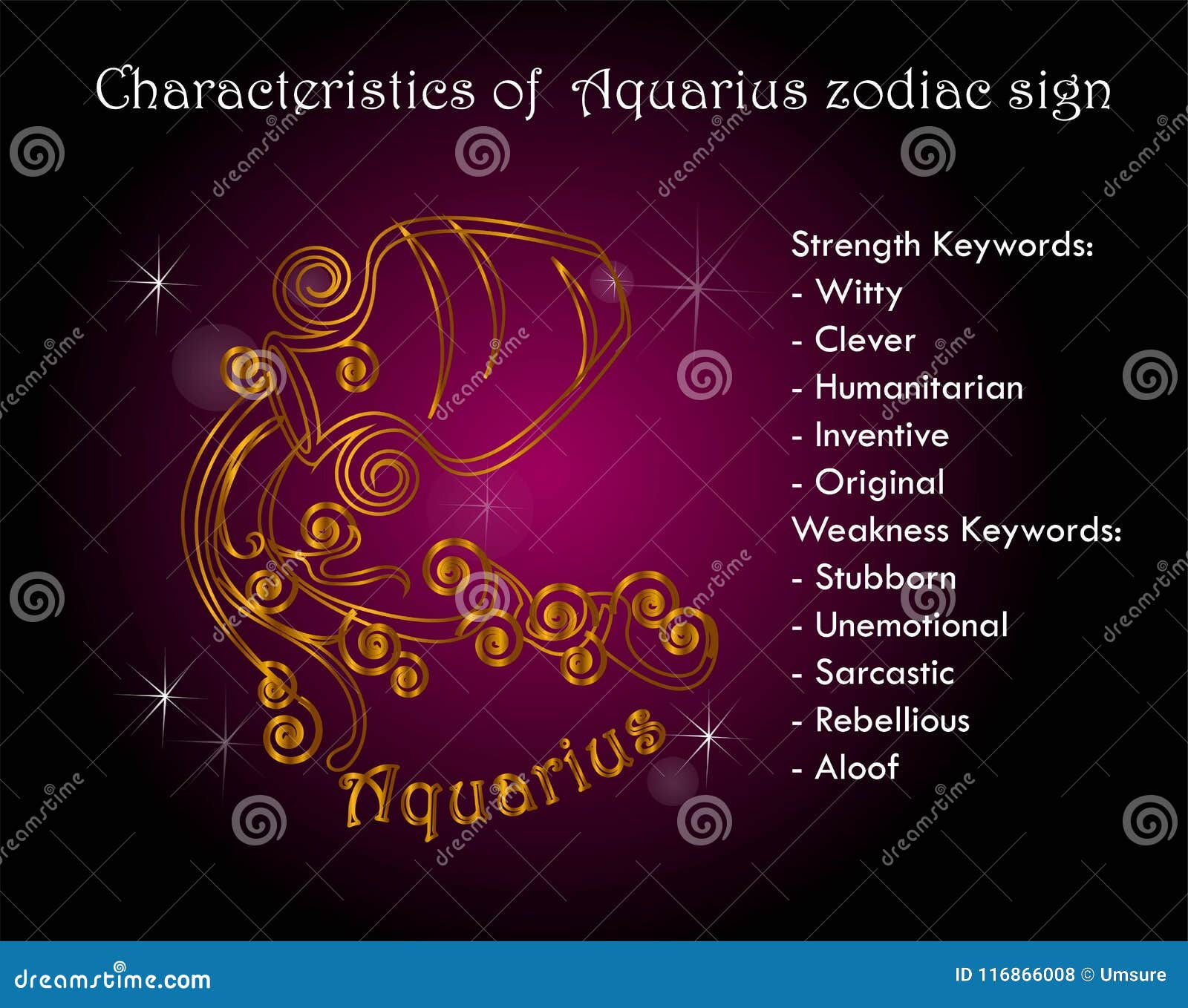
- Learning Emotional Presence: An Aquarius can benefit significantly from practicing active listening that validates emotions rather than just analyzing the facts. Acknowledging that not every problem needs a "fix" is a vital lesson.
- Embracing Flexibility: While their fixed nature provides stability, it can also lead to stubbornness. They may become so attached to their own "logical" view that they refuse to see the validity in others' perspectives.
- Managing Detachment: Over-reliance on logic can lead to a sense of isolation. Making a conscious effort to stay connected to one's own internal emotional landscape is necessary for personal well-being.
Frequently Asked Questions
Why is Aquarius considered the sign of the future?
Aquarius is associated with the future because of its focus on innovation, technology, and collective improvement. As the sign that rules the eleventh house of the zodiac—which pertains to groups, networking, and the greater good—it is inherently concerned with the evolution of society, making it the natural vanguard for progressive change.
Are all Aquarians rebels?
Not in the sense of causing chaos. An Aquarius is often described as a rebel because they challenge the status quo, but their motivation is typically based on the idea that the current system is inefficient or outdated. They are "constructive rebels" who seek to replace old structures with better, more functional alternatives.
How can I best support an Aquarius friend or partner?
The best way to support an Aquarius is to respect their independence. Do not demand constant emotional reassurance. Instead, engage them in deep, intellectual conversations about their interests, support their need for "me time," and show them that you value their unique, unconventional perspectives.
Do Aquarius personalities work well with other Air signs?
Yes, typically. Aquarius, Gemini, and Libra share the Air element, which means they communicate in similar, thought-oriented ways. These pairings usually excel at brainstorming and collaboration because they prioritize logic and social interaction over heavy emotional volatility.
What is the biggest mistake an Aquarius makes?
Their biggest mistake is often the tendency to "distance" themselves from others when they feel overwhelmed. Because they process things internally, they may retreat into solitude rather than reaching out for support. Learning to communicate their needs for space without cutting people off is essential to their personal growth.
Final Recommendations for Understanding the Aquarius
To truly connect with an Aquarius, you must embrace their intellectual rhythm. If you are trying to understand the Aquarius in your life, focus on observing their actions rather than interpreting their silences. They often demonstrate care by offering advice, providing resources, or working to improve the collective conditions of those around them. If you are an Aquarius, focus on grounding your high-level ideas in real-world application, and remember that vulnerability is not a flaw—it is the bridge that allows others to understand your brilliant, complex mind.