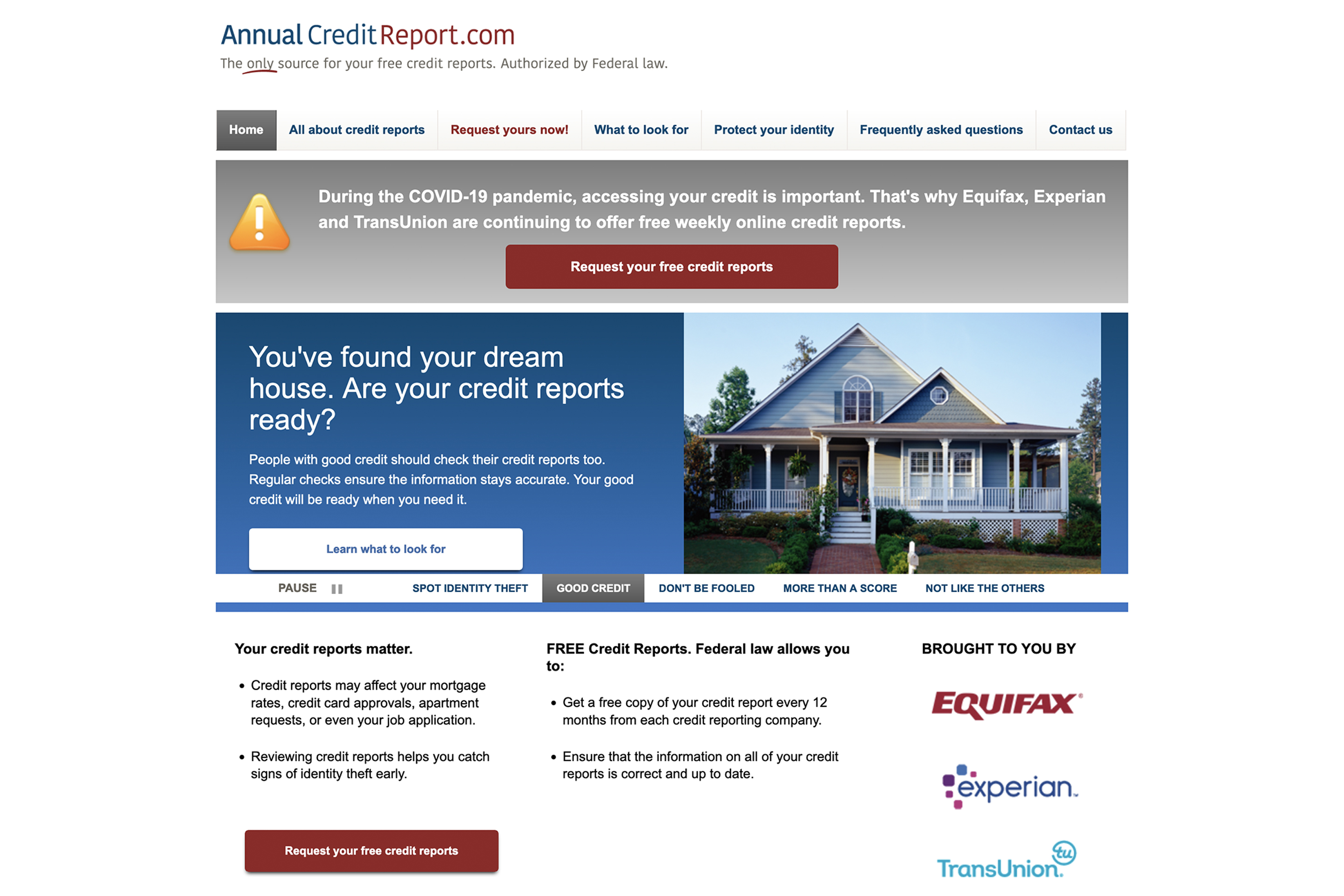
AnnualCreditReport.com is the only federally authorized website where you can request free credit reports from the three major national credit bureaus: Equifax, Experian, and TransUnion. Established under the Fair Credit Reporting Act (FCRA), this service allows consumers to monitor their financial data, verify accuracy, and detect potential identity theft.
Understanding the Role of AnnualCreditReport.com
AnnualCreditReport.com serves as the centralized gateway for American consumers to exercise their legal right to view their credit history. While many third-party apps and banks offer "free credit monitoring," AnnualCreditReport.com is unique because it is the only site mandated by federal law and maintained by the three primary credit reporting agencies (CRAs) to provide comprehensive disclosures.
In 2026, maintaining a clean credit report is essential for securing competitive interest rates on mortgages, auto loans, and personal credit lines. Employers and landlords also frequently review these reports to assess an individual’s reliability. Because your credit history essentially functions as your financial resume, the federal government structured this portal to ensure that no consumer is priced out of seeing the data used to make decisions about their life.
It is important to distinguish between a credit report and a credit score. AnnualCreditReport.com provides the raw data—the history of your accounts, payment behaviors, and inquiries. It does not always provide a free FICO or VantageScore, though some bureaus may offer these as optional add-ons or through separate portal sections.
The Legal Foundation: The Fair Credit Reporting Act (FCRA)
The existence of "annual credit report gov" is rooted in the Fair Credit Reporting Act (FCRA), a cornerstone of consumer protection law. This legislation regulates how credit reporting agencies collect, disseminate, and use consumer information. One of the most significant amendments to the FCRA was the Fair and Accurate Credit Transactions Act (FACT Act) of 2003, which required the three major bureaus to provide a free copy of a consumer's credit report once every 12 months.
The Federal Trade Commission (FTC) and the Consumer Financial Protection Bureau (CFPB) oversee the enforcement of these rules. They ensure that the credit bureaus do not create unnecessary hurdles for consumers trying to access their data. By using the official portal, you are utilizing a system that is strictly regulated for privacy and security, unlike many commercial "free" sites that may sell your data to marketers or lead-generation services.
Current Access Rules: From Annual to Weekly Reports
While the name "Annual Credit Report" suggests a once-a-year opportunity, the landscape shifted significantly during the early 2020s. In response to the economic volatility and increased identity theft risks during the COVID-19 pandemic, the three credit bureaus began offering free weekly reports.
As of 2026, this policy of free weekly credit reports has been maintained as a permanent feature of the consumer financial ecosystem. This allows for near real-time monitoring of your credit file. Instead of waiting an entire year to see if a fraudulent account has been opened in your name, you can check your files every seven days. This frequency is particularly useful for individuals who are actively working to improve their credit scores or those who have recently been victims of data breaches.
Step-by-Step Guide to Requesting Your Reports
Accessing your reports through the official portal is a streamlined process, but it requires careful attention to detail to ensure your identity is verified correctly.
1. Visit the Official Website
Navigate to AnnualCreditReport.com. Be wary of "imposter" sites that use similar URLs or misspellings. Look for the "https" in the address bar and verify that the site is the one linked by the Federal Trade Commission.
2. Fill Out the Request Form
You will need to provide basic personal information to help the bureaus locate your file. This includes:
- Full legal name (including suffixes like Jr. or Sr.).
- Social Security Number.
- Date of birth.
- Current residential address.
- Previous residential address (if you have lived at your current address for less than two years).
3. Select the Bureaus
You can request reports from Equifax, Experian, and TransUnion all at once, or you can space them out. In the 2026 environment of weekly access, many consumers choose to check one bureau each week on a rotating basis to ensure they are seeing updates from different sources throughout the month.
4. Answer Security Questions
The bureaus use "out-of-wallet" questions to verify your identity. These are questions based on information in your credit file that a stranger or identity thief is unlikely to know. Examples include:
- "Which of the following providers holds your current mortgage?"
- "In which year did you open a credit card with [Bank Name]?"
- "What was the monthly payment amount for your 2022 auto loan?"
If you fail these questions, you will not be granted online access. In such cases, you will be directed to request your report by mail, which involves sending copies of government-issued IDs and utility bills.
Security and Verification: Navigating the Process
The security verification process is the most common point of friction for users. Because the bureaus are legally required to protect your sensitive data, they must be certain that the person requesting the report is actually you.
If you find yourself unable to answer the questions—perhaps because they refer to very old accounts or accounts you don't recognize—don't panic. Sometimes, the "none of the above" option is the correct answer. The bureaus often include "distractor" questions that do not apply to you to ensure you aren't just guessing.
Crucial Security Tip: Never access AnnualCreditReport.com from a public Wi-Fi network or a shared public computer. Since you are entering your Social Security Number and answering deep-background security questions, use a private, secure internet connection.
Reading Your Credit Report: What to Look For
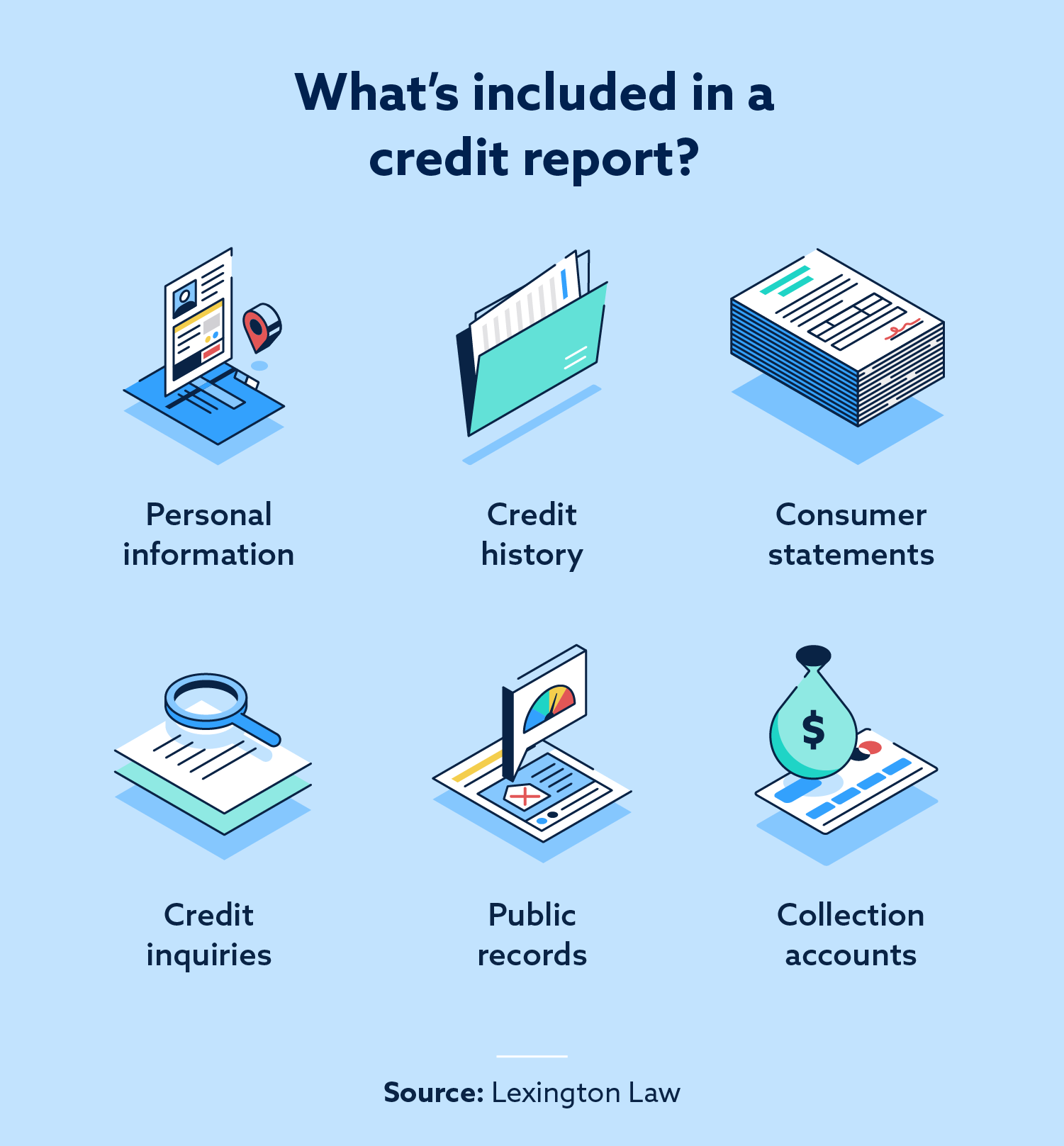
Once you have downloaded or printed your reports, you must review them with a critical eye. A credit report is divided into several standard sections:
| Section | Content Included | What to Verify |
|---|---|---|
| Personal Information | Names, aliases, addresses, and employers. | Ensure no unfamiliar names or addresses appear, which could indicate identity theft. |
| Account History | Credit cards, mortgages, auto loans, and student loans. | Verify that all accounts are yours and that the payment status (e.g., "Current") is accurate. |
| Credit Inquiries | A list of companies that have accessed your report. | Look for "Hard Inquiries" from lenders you didn't apply with. |
| Public Records | Bankruptcies (other public records like tax liens are less common now). | Ensure that any bankruptcy listed is yours and has the correct filing date. |
| Collections | Accounts turned over to collection agencies. | Verify the original creditor and the amount owed. |
When reviewing your Account History, pay close attention to the "Credit Limit" and "Balance" fields. If a lender reports a balance that is significantly higher than what you actually owe, it could be negatively impacting your debt-to-income ratio and your overall credit score.
How to Handle Inaccuracies and Disputes
If you find an error on your report, you have the legal right to dispute it. Under the FCRA, credit reporting agencies and the companies that provide them with data (information furnishers) are responsible for correcting inaccurate or incomplete information.
The Dispute Process
- Identify the Error: Document exactly what is wrong (e.g., a late payment that was actually on time, or an account you never opened).
- Gather Evidence: Collect bank statements, canceled checks, or letters from creditors that prove your claim.
- Submit the Dispute: You can submit disputes online through the bureau's specific portal (reached via AnnualCreditReport.com) or via certified mail. Consumer advocates often recommend mail with a return receipt requested to create a paper trail.
- Wait for Investigation: The bureau typically has 30 to 45 days to investigate. They will contact the company that reported the data.
- Review the Results: If the bureau agrees with you, the information will be updated or deleted. If they disagree, you can request that a "statement of dispute" be added to your file.
For complex issues, the Consumer Financial Protection Bureau provides resources and a complaint portal if a credit bureau fails to resolve a legitimate error.
Comparing Free Reports vs. Paid Monitoring Services
Many companies offer paid credit monitoring services. It is important to understand how these differ from the free reports provided by AnnualCreditReport.com.
Paid Services:
- Often provide daily or real-time alerts for new inquiries.
- Usually include a monthly credit score (FICO or VantageScore).
- May offer identity theft insurance and restoration services.
- Can cost between $10 and $30 per month.
AnnualCreditReport.com (Free):
- Provides the official, comprehensive legal disclosure of your file.
- Does not typically include a score.
- Provides the data needed to initiate formal legal disputes.
- Is free of charge by federal mandate.
In 2026, many consumers find that the "weekly free report" policy makes paid monitoring less necessary, especially if their credit cards or banks already provide a free monthly credit score.
Common Scams and How to Avoid "Imposter" Sites
Because credit reports contain highly sensitive data, scammers frequently create fake websites that mimic the look and feel of the official portal. These sites often use "typo-squatting" (e.g., annualcredtireport.com) or use terms like "free" and "report" in a confusing way.
Red Flags of a Scam Site:
- Asking for Credit Card Info: The official site will never ask for a credit card number to provide your free annual (or weekly) report.
- Pop-up Ads: The official site is clean and government-sanctioned; it does not feature third-party advertisements or pop-ups.
- Email Solicitations: The official portal does not send unsolicited emails asking you to log in or "verify" your account.
- Subscription Requirements: If a site tells you that you must sign up for a "trial membership" to get your report, you are not on the official site.
To stay safe, always type the URL directly into your browser rather than clicking on links in emails or social media posts.
FAQ
Is AnnualCreditReport.com really free?
Yes. It is the only site authorized by federal law to provide free credit reports. While the bureaus may try to sell you additional services like credit scores or monitoring once you are on their specific landing pages, the reports themselves are entirely free. No credit card is required to access the basic reports.
Does checking my report through this site hurt my credit score?
No. Requesting your own credit report through AnnualCreditReport.com is considered a "soft inquiry." Unlike a "hard inquiry," which happens when a lender checks your credit for a loan application, a soft inquiry has no impact on your credit score, regardless of how often you do it.
What should I do if the site says it cannot verify my identity?
This is a common occurrence. If the bureaus cannot verify your identity through the online questions, you must request your report by mail. You will need to download the request form from the site and mail it along with copies of documents that prove your identity and address, such as a driver's license and a utility bill.
Can I get my credit score on this website?
Generally, no. The federal mandate covers credit reports, not credit scores. After viewing your free report, the individual bureaus (Equifax, Experian, or TransUnion) may offer to sell you your score. However, many people in 2026 get their scores for free through their credit card issuers or banking apps.
Why are there three different reports?
Lenders are not required to report to all three bureaus. Some may report to only one or two, and others may report to none. Because each bureau may have slightly different information, it is important to check all three to get a complete picture of your financial standing.
How often should I check my credit report in 2026?
With weekly reports available, a good strategy is to check one of the three bureaus every month or whenever you have a major life event, such as applying for a mortgage or starting a new job. If you suspect identity theft, you should check all three immediately.
Final Recommendation
For any consumer looking to manage their financial health in 2026, the primary action item is to establish a routine for checking credit files. Start by visiting AnnualCreditReport.com today and downloading your reports from all three bureaus. Review them for any accounts you do not recognize or balances that seem incorrect. If your files are accurate, consider setting a recurring calendar reminder to check one bureau every four weeks. This proactive approach ensures that you remain in control of your financial reputation and can act quickly if errors or fraudulent activities occur.