The return of Andrew Stanton to the writer’s chair for Toy Story 5 marks a significant pivot for the franchise, signaling a departure from the emotional finality of the fourth installment toward a new narrative framework. By reintegrating a key architect of the original films, Pixar aims to balance the legacy of Woody and Buzz Lightyear with the evolving thematic requirements of a modern, post-pandemic cinematic landscape.
The Return of an Original Architect
Andrew Stanton is not merely a screenwriter to Pixar; he is one of the original creative pillars who helped define the studio’s identity. Having served as a writer on all four previous Toy Story films, his deep understanding of the characters' internal motivations is unparalleled. His return to lead the writing team for Toy Story 5 is widely interpreted by industry analysts as a strategic "back to basics" move.
For Pixar, this is a calculated decision. The franchise is arguably the most valuable intellectual property under the Disney-Pixar banner. While Toy Story 4 was a commercial success, it was met with mixed sentiment from fans who felt the 2019 film provided a definitive, albeit bittersweet, ending to the saga. Stanton’s involvement suggests that the studio is prioritizing narrative consistency and character integrity over mere franchise expansion. His presence provides the creative continuity necessary to justify a fifth entry, ensuring that the characters do not feel like relics of a finished story but rather protagonists with untapped potential.
Shifting the Narrative Paradigm
The narrative trajectory of the Toy Story series has historically mirrored the passage of time—both for the characters and the audience. The first three films followed Andy’s growth, while the fourth explored the transitional nature of change and the concept of a toy’s purpose beyond a specific owner. Toy Story 5 faces the challenge of setting a new direction without contradicting these established themes.
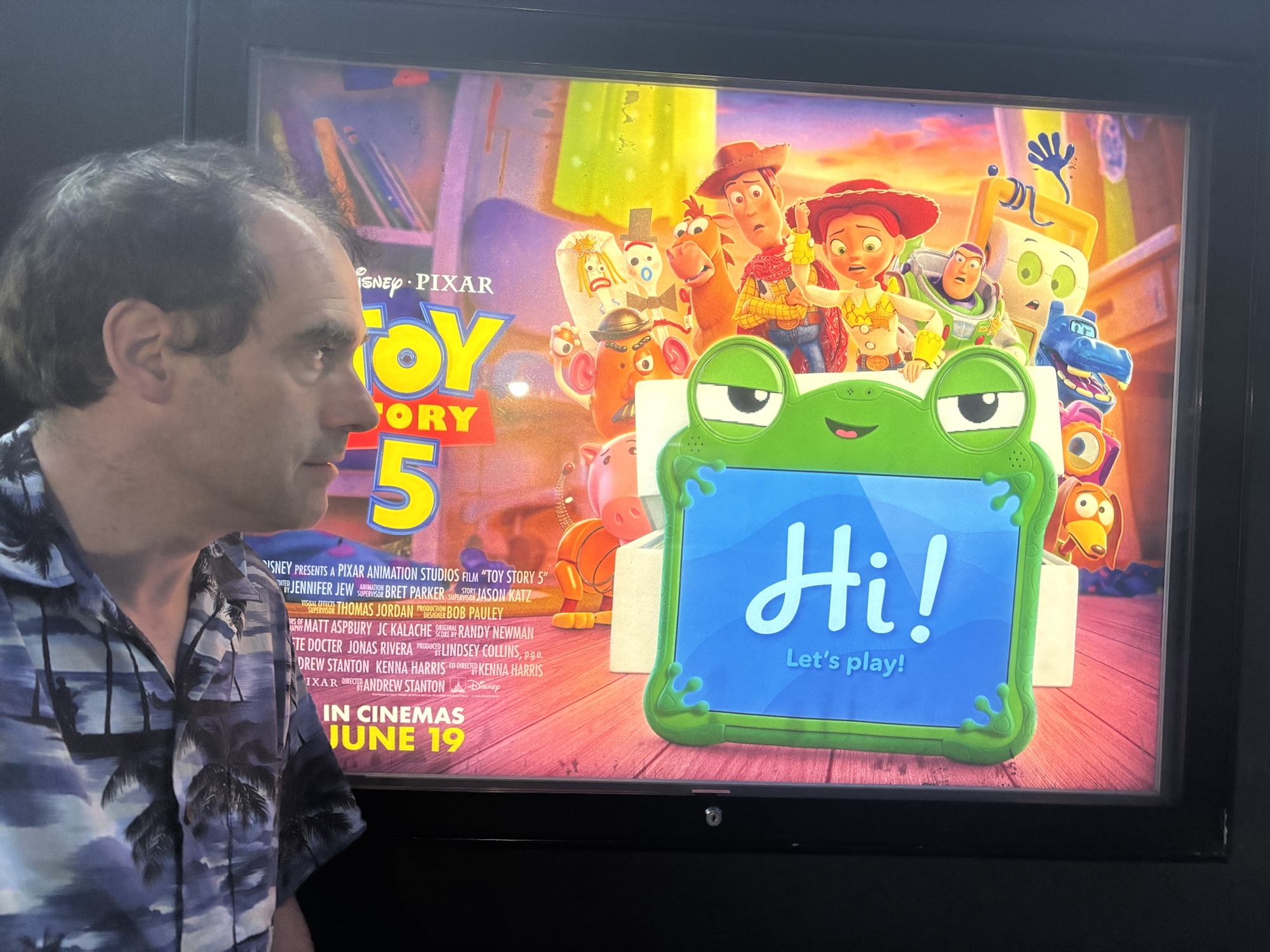
Under Stanton’s direction, the story is expected to move away from the "lost toy" motif that dominated the previous entries. Early reports and production discussions indicate that the film will likely explore the intersection of traditional play and the increasingly digital world that modern children inhabit. This is not just a technological pivot; it is a thematic one. By shifting the focus to how toys remain relevant in an era dominated by tablets, AI, and social media, Stanton can re-contextualize the toys' existential struggle. This move allows the franchise to evolve alongside its audience, moving from the nostalgia of the 90s into a contemporary critique of the relationship between children and their physical possessions.
The Core Conflict: Legacy vs. Innovation
One of the primary difficulties in returning to a completed series is the "legacy trap." Fans hold deep emotional attachments to the endings of Toy Story 3 and 4. Stanton’s challenge lies in innovating while respecting that history.
Historically, Pixar’s strength has been its ability to ground high-concept animation in relatable, humanistic stakes. In Toy Story 5, the "new direction" involves shifting the perspective of the narrative lens. Instead of focusing solely on the toys' desperation to be played with, the film is poised to examine the value of community and memory. This shift is essential because, structurally, a movie about "toys being left behind" risks becoming repetitive. Stanton is expected to introduce a conflict that forces the ensemble cast—Woody, Buzz, Jessie, and the expanded crew—to adapt their fundamental philosophies to a world where they are no longer the primary source of entertainment.
Comparative Evolution of the Toy Story Series
To understand the weight of Stanton's return, it is necessary to examine how the franchise has transitioned across decades.
| Film | Primary Theme | Creative Focus |
|---|---|---|
| Toy Story (1995) | Jealousy and Identity | Establishing the "toy life" rules |
| Toy Story 2 (1999) | Abandonment and Value | Expansion of the toy universe |
| Toy Story 3 (2010) | Letting Go and Transition | End of the Andy era |
| Toy Story 4 (2019) | Autonomy and Purpose | Redefining life after the owner |
| Toy Story 5 (2026/Future) | Legacy in the Digital Age | Adaptation and cultural relevance |
This table illustrates the steady progression of the franchise’s stakes. While the first two films were about the existence of the toys, the subsequent films have been about the maturation of the characters. The fifth installment is set to tackle the final frontier of this development: the integration of traditional toys into a tech-centric future.
Practical Implications for Pixar and Disney
From an operational standpoint, the development of Toy Story 5 is an anchor for the studio’s long-term fiscal strategy. Following the challenges faced by original animated features in the mid-2020s, the reliance on established IPs like Toy Story has become a financial necessity for Disney. However, this carries the risk of brand dilution.
By bringing Stanton back, the studio is effectively mitigating the risk of creative bankruptcy. His role is to act as a quality-control filter, ensuring that the script addresses the "Why now?" question that audiences invariably ask. Furthermore, the technical side of the film is expected to leverage state-of-the-art rendering techniques that surpass the visual fidelity of Toy Story 4. In 2026, audience expectations for animation are significantly higher than they were even five years ago, necessitating a production that looks as contemporary as its themes.
Managing Fan Expectations and Retconning
One of the loudest concerns among the fanbase is the potential for retconning—altering established history—to force a new plot. Stanton’s track record suggests he prefers "organic growth" over dramatic revisionism. He is unlikely to ignore the emotional conclusion of Toy Story 4. Instead, the new direction will likely build upon Woody’s life as a "lost toy" in a way that respects his decision to leave the group.
The inclusion of Buzz Lightyear and the other ensemble characters necessitates a reunion that must feel earned. Fans can expect a narrative structure that splits the focus between the different "factions" of toys, allowing Stanton to explore the juxtaposition between the toys living in the traditional home environment and those living in the new, nomadic, or digital-adjacent settings.
Frequently Asked Questions
1. Is Toy Story 5 a reboot or a continuation? Toy Story 5 is a direct continuation of the established timeline. It is not a reboot, though the narrative shift toward modern themes provides a fresh starting point for new viewers who may not be familiar with the entire history of the franchise.
2. Why is Andrew Stanton’s involvement significant for this film? Stanton is a co-creator of the franchise and was instrumental in writing the first four films. His involvement serves as a safeguard for the series’ tone and emotional core, ensuring that the humor and character dynamics remain consistent with the high standards of the original trilogy.
3. How does the film address the issue of toys becoming obsolete? The "new direction" focuses on how toys interact with modern technology. Rather than fighting against digital trends, the film explores how toys can adapt or find new ways to connect with children who are increasingly engaged with screens and digital platforms.
4. Will the original voice cast return for this installment? While casting details are subject to standard contractual confirmations, the film is being developed with the expectation of returning to the core ensemble. The continuity of voice talent is viewed as essential to maintaining the emotional weight of the legacy characters.
5. How does this film differentiate itself from the previous sequels? The primary differentiator is the move toward a broader, more existential look at the role of toys in a rapidly changing cultural environment, moving away from the "rescue mission" structure that defined the middle entries of the series.
Next Steps for Fans and Industry Observers
For those following the production, the most effective way to gauge the success of this "new direction" will be monitoring the official trailers and character concept art released leading up to the wide-release date. Pay attention to how the studio markets the conflict—if the marketing emphasizes a shift toward the intersection of physical and digital play, it will confirm that Stanton has successfully modernized the core premise.
Ultimately, the goal for Toy Story 5 is to ensure that the franchise remains culturally relevant without alienating the multi-generational audience it has cultivated over the past three decades. If the team succeeds, it will likely serve as a blueprint for how legacy franchises can be extended into the 2030s while maintaining their original spirit.