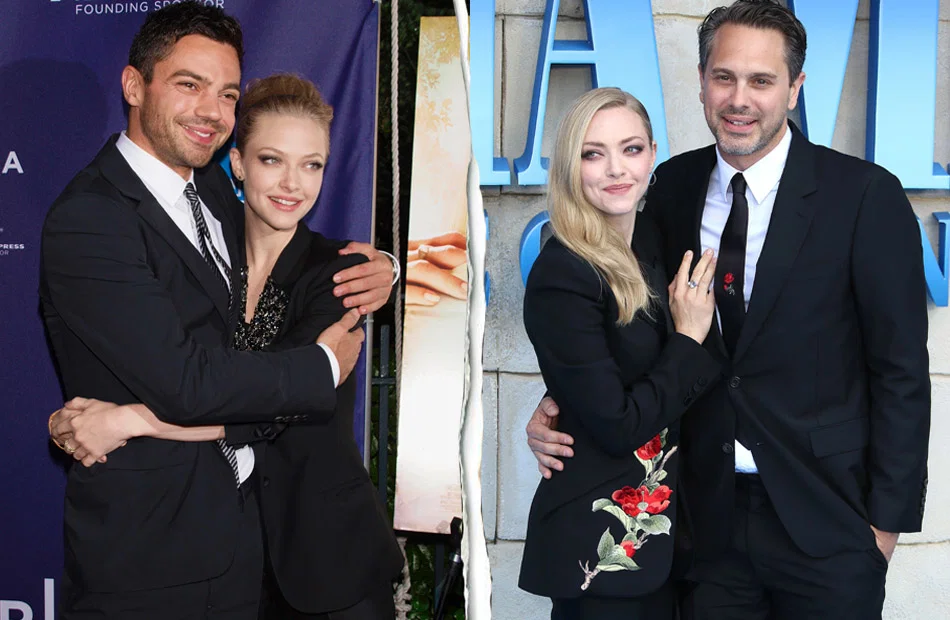
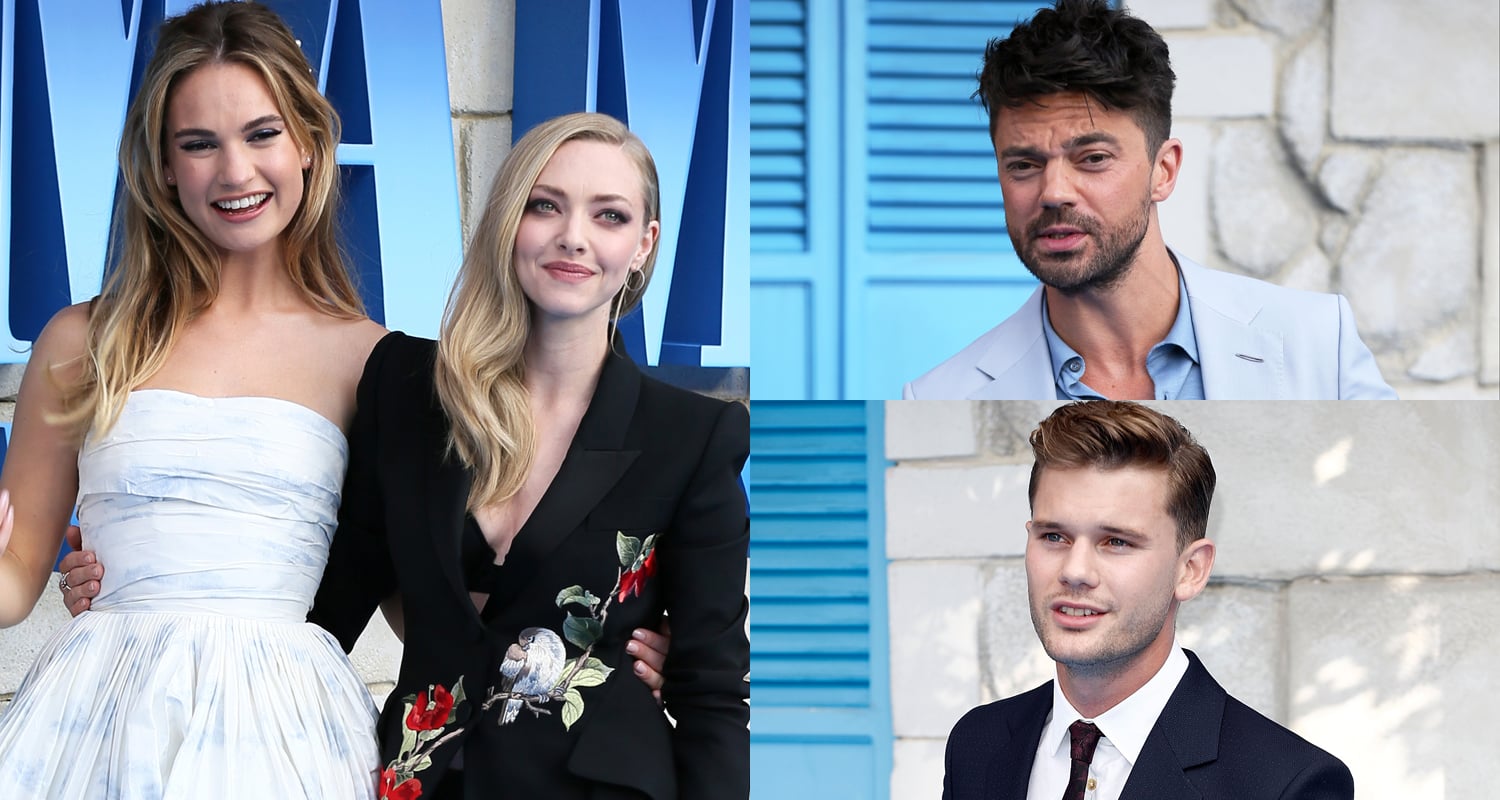
Amanda Seyfried and Dominic Cooper’s portrayal of Sophie Sheridan and Sky Rymand in the Mamma Mia! film franchise stands as one of the most notable examples of real-life romantic partners bringing their chemistry to the big screen. Their professional collaboration, which continued across both the original 2008 film and its 2018 sequel, Mamma Mia! Here We Go Again, transformed their characters into the romantic heart of the Kalokairi narrative, despite their real-life relationship evolving significantly over the years.
The Foundation of the Sophie and Sky Dynamic
The Mamma Mia! film franchise, adapted from the hit Broadway musical of the same name, centers on the story of Sophie Sheridan, a young woman preparing for her wedding on a fictional Greek island. Central to her journey is her fiancé, Sky, played by Dominic Cooper. The casting of Amanda Seyfried and Dominic Cooper was instrumental in establishing the film’s youthful, energetic, and romantic tone.
When the first film production began in 2007, the actors were relative newcomers to major studio features. Their on-screen chemistry as a pair of young lovers—Sophie, who is desperate to find her father before her wedding day, and Sky, who supports her through the chaos of her mother Donna’s past—provided a grounded emotional anchor for the musical’s high-energy dance numbers. The believability of their connection was, according to critics and audiences at the time, bolstered by the fact that the two actors were dating during the filming of the first movie.
Real-Life Relationships and Professional Integrity
The intersection of the actors' personal lives and their professional commitments has been a subject of public interest since the release of the first film. Amanda Seyfried and Dominic Cooper began dating during the production of Mamma Mia! (2008). This period saw them grow into international stars as the film became a global box-office success.
Working as a couple while portraying lovers requires a high degree of professional discipline. Actors must maintain the emotional authenticity of their characters while navigating the complexities of their private lives. In the case of Seyfried and Cooper, their relationship served as a catalyst for the comfort they displayed on camera. Their ability to deliver performances that required intimate and emotional scenes during a real-life relationship is often cited in industry discussions regarding the ethics and logistics of co-star romances.
Following their split in 2010, the pair maintained a friendship, which was a critical factor in their ability to return as on-screen lovers nearly a decade later. The professionalism displayed by both actors ensured that the fictional narrative of Sophie and Sky remained untainted by their real-life history, allowing audiences to remain fully immersed in the story of the young Greek couple.
The Return to the Screen: Mamma Mia! Here We Go Again
When the sequel, Mamma Mia! Here We Go Again, was announced for a 2018 release, there was significant anticipation regarding whether the original cast would return. The narrative challenge was clear: the sequel needed to function as both a prequel to Donna’s early life and a direct continuation of Sophie’s journey.
By 2018, both Seyfried and Cooper had built substantial resumes outside of the Mamma Mia franchise. However, they returned to play the roles that helped define their early careers. The challenge of returning to play lovers after having dated and subsequently broken up in real life is a rare occurrence in Hollywood. Their reunion on set was widely documented as being amicable and focused entirely on the development of the characters of Sophie and Sky as they navigated their evolving relationship in the film.
In the sequel, the dynamic between Sophie and Sky shifts from the "newlywed bliss" of the first film to a more mature struggle involving distance and career ambitions. The writers utilized the actors' established history to provide a sense of long-term intimacy that would have been difficult to replicate with different casting.
Comparative Analysis of Production Cycles
The following table outlines the key production cycles of the Mamma Mia franchise and the status of the actors' collaboration during those windows.
| Production Phase | Film Title | Character Roles | Relationship Context |
|---|---|---|---|
| Initial Production | Mamma Mia! (2008) | Sophie & Sky | Real-life romantic partners |
| Post-Breakup | Interim Years | N/A | Ex-partners, friends |
| Sequel Production | Mamma Mia! Here We Go Again (2018) | Sophie & Sky | Professional colleagues |
| Current Status | 2026 Archive | Legacy Characters | Former co-stars |
The Technical Requirements of On-Screen Intimacy
To execute a performance as lovers, directors employ specific techniques to ensure comfort and professionalism. In the Mamma Mia franchise, this included:
- Pre-Production Chemistry Testing: Though unnecessary for the sequel due to their history, initial tests established a rapport that defined the franchise’s visual language.
- Intimacy Coordination (Modern Standards): While intimacy coordinators were not standard practice during the 2008 production, the industry standard for professional conduct shifted significantly by 2018. The actors utilized their professional history to establish clear boundaries.
- Dialogue and Blocking: The dialogue written for Sophie and Sky intentionally mirrors the transition from youthful infatuation to the complexities of adulthood, providing the actors with a script that allowed them to lean into their growth as performers rather than relying solely on past personal dynamics.
Challenges of Sustained Character Development
One of the primary difficulties in film franchises is maintaining character consistency over several years. For Seyfried and Cooper, playing Sophie and Sky involved a ten-year gap in real time, during which they both matured significantly as actors.
Sophie’s arc involves moving from a naive young woman searching for her identity to a mother-to-be establishing her own legacy on the island. Sky’s arc moves from a supportive, slightly aimless wanderer to a professional working in the hospitality industry in New York. The tension between their characters in the sequel—stemming from their different career paths—allowed the actors to bring a nuance to the screen that was absent in the first film. This maturity was not just a result of the script, but of the actors' own life experiences since their initial collaboration.
Industry Reception and the "On-Screen Couple" Trope
The fascination with Seyfried and Cooper stems from the broader audience interest in the "on-screen couple" trope. When actors who were once together play characters in a romantic relationship, audiences often speculate on whether the chemistry is "real."
However, in the context of Mamma Mia, the success of the films relies on the suspension of disbelief. The audience’s ability to accept Sophie and Sky as a functional couple is a testament to the actors' ability to separate their personal history from the requirements of the script. Critics frequently noted that the performances were elevated by a "lived-in" quality, suggesting that their familiarity with one another allowed them to bypass the introductory phase of building chemistry and move straight into the emotional beats required for their respective scenes.
Frequently Asked Questions
Did Amanda Seyfried and Dominic Cooper date while filming Mamma Mia? Yes, they began dating during the production of the first film, Mamma Mia! (2008). They remained a couple for several years afterward but confirmed their separation around 2010.
How did the actors manage their on-screen relationship in the sequel? By the time production for Mamma Mia! Here We Go Again began in 2017, the actors had transitioned to a professional, amicable relationship. They cited their long-standing friendship and professional history as the key to successfully stepping back into their characters' roles.
Why are Sophie and Sky central to the plot of the Mamma Mia films? Sophie and Sky represent the romantic continuity of the franchise. While the films focus on the history of Donna Sheridan, the relationship between Sophie and Sky serves as a reflection of the themes of commitment, growth, and the complexities of adult relationships that mirror the older generation's experiences.
Is there any planned third installment of the Mamma Mia franchise? As of 2026, there is frequent public speculation regarding a third film. While cast members, including Seyfried, have expressed interest in returning to their roles, there has been no official confirmation of a production schedule or confirmed script from the studio.
Does the chemistry in the movies change between the first and second film? Yes. The first film focuses on the high-energy, romantic infatuation between two young characters. The second film depicts a more mature, slightly strained relationship as the characters face the realities of long-distance communication and career choices. The actors’ performances reflect this transition from youth to adulthood.
Conclusion and Practical Perspective
The professional journey of Amanda Seyfried and Dominic Cooper serves as an example of how actors can successfully navigate the boundary between personal history and professional performance. Their ability to reunite as lovers for Mamma Mia! Here We Go Again allowed for a continuity that grounded the film’s narrative. For those observing the craft of acting, their work provides a case study in how to leverage rapport to serve a story, rather than letting personal baggage dictate the quality of a performance. As of 2026, their work remains a benchmark for casting directors and producers looking to build successful, long-term film franchises that rely on deep-rooted character chemistry.