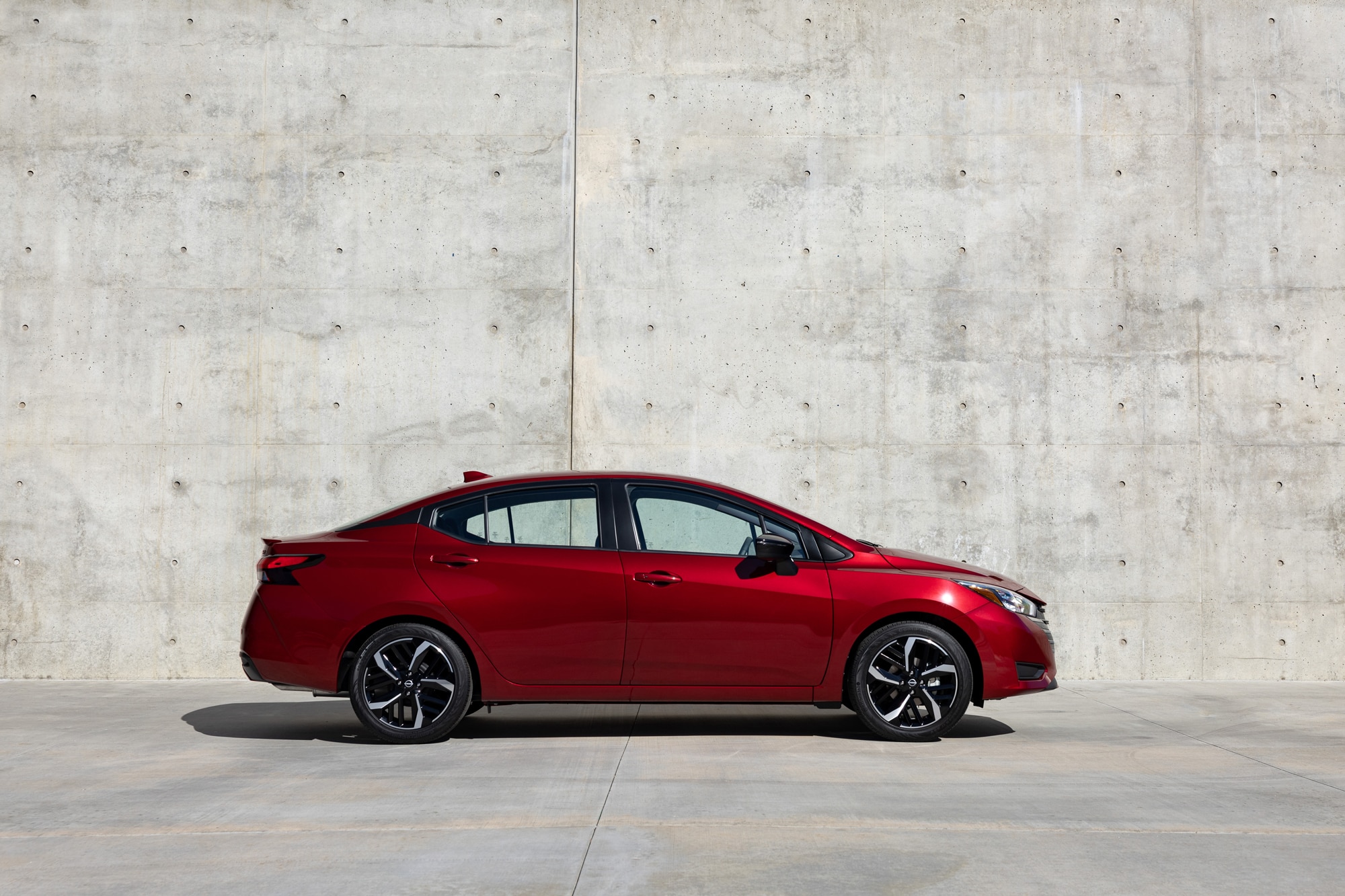
Understanding full-time all-wheel drive and four-wheel drive systems helps drivers choose vehicles that maintain constant power delivery across all four wheels without requiring manual driver engagement. Unlike part-time or slip-and-grip systems that only activate when loss of traction is detected, full-time traction setups continuously distribute torque to maximize stability in changing weather conditions.
Defining Full-Time Traction and All-Wheel Drive Fundamentals
To understand what models offer full-time traction, it is first necessary to distinguish between the various mechanical configurations found in modern passenger vehicles, crossovers, and SUVs. Automotive traction systems generally fall into three categories: part-time, reactive (on-demand), and full-time (permanent) systems.
A part-time system, typically found in traditional body-on-frame trucks and heavy-duty SUVs, requires the driver to manually engage a transfer case, locking the front and rear driveshafts together. This setup is exceptional for off-roading but hazardous to use on dry, paved roads because it causes severe drivetrain binding during turns.
An on-demand or reactive all-wheel-drive (AWD) system remains the industry standard for most front-wheel-drive-based crossovers. Under normal driving conditions, these vehicles send 100 percent of engine power to the front wheels. When wheel slip occurs at the front axle, a multi-plate clutch pack or an electric motor rapidly directs a portion of torque to the rear wheels. While highly efficient for fuel economy, these systems exhibit a brief computational delay between the loss of grip and the activation of the rear axle.
Full-time traction systems eliminate this delay by continuously routing engine power to all four wheels through a central differential or a specialized transfer case equipped with a limited-slip or viscous coupling. There is no waiting for wheel slip to occur; power is permanently apportioned. This continuous distribution provides superior straight-line stability on rain-slicked highways, snowy mountain passes, and loose gravel surfaces. Drivers experience predictable handling characteristics because the vehicle behaves consistently rather than transitioning unpredictably between two-wheel drive and four-wheel drive modes.
Mechanical Distinctions: Full-Time AWD Versus Permanent 4WD
While the marketing departments of various automotive manufacturers often use the terms "all-wheel drive" and "four-wheel drive" interchangeably, engineers draw a clear mechanical line between them, particularly when evaluating full-time traction capabilities.
Traditional four-wheel drive (4WD) systems are designed for rugged utility. When configured for full-time or permanent operation—such as the iconic systems found in certain Jeep, Land Rover, and Toyota Land Cruiser models—they utilize a lockable center differential. This center differential allows front and rear wheels to rotate at different speeds when negotiating turns on dry pavement, preventing the mechanical binding that plagues part-time 4WD. However, these systems usually include a low-range gear reduction transfer case, offering a 2:1 or lower gear ratio for crawling over rocks or navigating deep mud. They are mechanically robust, heavier, and generally result in higher fuel consumption.
Permanent or full-time all-wheel drive, by contrast, is typically engineered for passenger cars, performance sedans, and unibody crossovers. These setups generally omit the heavy low-range transfer case in favor of a lighter center differential, such as a Torsen gear-type differential or an electronically controlled multi-plate clutch that maintains a continuous baseline torque split (e.g., 40:60 or 50:50 front-to-rear). This engineering priority focuses on dynamic handling, high-speed stability, and inclement weather safety rather than low-speed rock crawling.
Major Automakers and Their Full-Time Traction Technologies
Different automotive brands have spent decades refining their proprietary full-time traction systems. Examining these systems reveals which manufacturers prioritize permanent power delivery over reactive on-demand setups.
Subaru Symmetrical AWD
Subaru is unique among mainstream volume manufacturers for making symmetrical all-time AWD standard equipment across almost its entire lineup (excluding the rear-wheel-drive BRZ sports car). The term "symmetrical" refers to the longitudinal layout of the drivetrain, featuring a centrally mounted transmission and a balanced driveshaft running straight down the middle of the vehicle.
Depending on the transmission pairing, Subaru utilizes different variations of full-time systems:
- Manual Transmission Models: Utilize a continuous AWD system featuring a viscous-coupling limited-slip center differential that splits torque evenly (50:50) front to rear under normal conditions.
- Automatic (Lineartronic CVT) Models: Higher-end models and certain trims utilize an electronically managed transfer clutch that acts as a full-time proactive system, continuously shifting power based on sensor inputs rather than waiting for slip.
Audi Quattro
Audi’s Quattro system is one of the most famous names in all-weather traction history. Over decades, Audi has deployed several iterations of Quattro, but the benchmark for true full-time traction is the mechanical Torsen-based center differential setup found in longitudinally engined models (such as the Audi A4, A5, A6, A7, A8, Q5, and Q7).
In these vehicles, the Torsen (torque-sensing) differential acts as a pure mechanical brain. Under normal driving, it typically splits power 40:60 front-to-rear to give the vehicle a rear-wheel-drive handling bias. If traction diminishes at one axle, the differential automatically and instantly mechanical shifts up to 85 percent of torque to the axle with better grip. Audi also utilizes "Quattro with Ultra Technology" on select front-wheel-drive-based models, which is an on-demand system designed for fuel efficiency, so buyers seeking permanent mechanical traction must verify the specific platform layout.
BMW xDrive
BMW’s xDrive system operates as an intelligent, continuously variable full-time system. Utilizing an electronically controlled multi-plate clutch housed within the transfer case, xDrive is capable of infinitely variable torque splits between the front and rear axles in milliseconds. Even during dry highway cruising, xDrive continuously feeds baseline torque to both axles to optimize cornering dynamics and stability, shifting away from a strictly front- or rear-driven bias before slip even registers at the wheel speed sensors.
Mercedes-Benz 4MATIC
Mercedes-Benz offers multiple versions of its 4MATIC system. Like Audi and BMW, vehicles built on rear-wheel-drive platforms (such as the C-Class, E-Class, S-Class, and GLC) feature a permanent full-time 4MATIC system with a dedicated planetary gear center differential providing a fixed baseline torque split. Front-wheel-drive-derived models (like the GLA and GLB) utilize an on-demand transverse 4MATIC system that defaults to front-wheel drive until traction demands intervention.
| Automaker | Brand System Name | Typical Baseline Torque Split | Primary Mechanical Component | Primary Vehicle Applications |
|---|---|---|---|---|
| Subaru | Symmetrical AWD | 50:50 (Manual) / Variable Active | Viscous coupling or electronic clutch | Impreza, Crosstrek, Forester, Outback |
| Audi | Quattro (Longitudinal) | 40:60 Front/Rear | Torsen mechanical differential | A4, A6, Q5, Q7 |
| BMW | xDrive | Variable (Proactive continuous) | Electronically controlled clutch pack | 3 Series, 5 Series, X3, X5 |
| Mercedes-Benz | 4MATIC (RWD-based) | Fixed planetary split | Center planetary gear differential | C-Class, E-Class, GLC, GLE |
| Toyota/Lexus | Full-Time 4WD | 50:50 | Torsen center differential w/ lock | Land Cruiser, Lexus GX, Lexus LX |
Notable Models Offering Full-Time Traction
When shopping the automotive market for models that guarantee constant, full-time traction without relying on reactive clutch engagement, buyers must look closely at vehicle architecture, engine orientation, and drivetrain specifications.
Passenger Cars and Sedans
Sedans offering true full-time traction are increasingly rare as automakers pivot toward cost-efficient front-wheel-drive crossovers. However, luxury performance brands maintain dedicated longitudinal platforms:
- Audi A4, A6, and A8: Long-standing benchmarks for mechanical full-time traction in executive sedans.
- BMW 3 Series and 5 Series (xDrive variants): Provide continuous, intelligent torque distribution across all four wheels.
- Alfa Romeo Giulia (Q4 variants): Features an active transfer case designed to provide rapid, continuous power management.
Crossovers and SUVs
The crossover segment offers the widest variety of full-time traction models, blending everyday drivability with bad-weather assurance:
- Subaru Forester, Outback, and Ascent: Provide symmetrical, continuous power delivery across the entire model range.
- Audi Q5 and Q7: Utilize longitudinal platforms equipped with self-locking center differentials.
- BMW X3, X5, and X7: Incorporate seamless, continuously variable xDrive power management.
- Porsche Macan and Cayenne: Engineered with performance-focused active transfer cases that maintain constant engagement to enhance cornering agility and high-speed stability.
Rugged Off-Road and Luxury SUVs
For drivers requiring permanent four-wheel drive systems capable of handling severe off-road obstacles alongside highway commuting, heavy-duty platforms remain the gold standard:
- Toyota Land Cruiser and Lexus GX / LX: Renowned for employing a robust Torsen center differential with a locking feature, ensuring permanent four-wheel drive capability in any terrain or weather condition.
- Jeep Grand Cherokee (Quadra-Trac II / Quadra-Drive II): Offers sophisticated full-time four-wheel-drive systems equipped with low-range gearing and electronic limited-slip differentials.
- Land Rover Defender, Discovery, and Range Rover: Feature sophisticated full-time intelligent 4WD systems that continuously monitor terrain conditions and adjust center and rear differential lockups automatically.
Operational Considerations: Fuel Economy, Maintenance, and Tire Wear
Owning a vehicle equipped with a full-time traction system brings specific operational responsibilities and ownership considerations that differ significantly from front-wheel-drive or part-time setups.
Fuel Economy Impacts
Because full-time systems continuously drive all four wheels, rotate multiple differential gears, and add mechanical weight to the vehicle, they inherently consume slightly more fuel than their front-wheel-drive or purely reactive on-demand counterparts. While modern engineering, computerized torque vectoring, and low-friction lubricants have narrowed this gap, buyers should expect a minor fuel economy penalty when choosing a permanent AWD model over a basic front-wheel-drive configuration.
Tire Maintenance and Matching
One of the most critical aspects of maintaining a permanent all-wheel-drive or full-time four-wheel-drive vehicle is strict adherence to tire maintenance protocols. Because all four wheels are permanently linked through differentials or active clutches, mismatched tire circumferences force the differential gears to slip constantly, generating excessive heat and premature mechanical wear.
- Tread Depth Equality: Most manufacturers stipulate that all four tires must be within a very tight tolerance (often within 2/32 to 4/32 of an inch of tread depth) of one another.
- Four-Wheel Replacement: If a single tire suffers irreparable damage with high mileage already accumulated, vehicle owners often must replace all four tires simultaneously to prevent differential strain.
- Regular Rotation: Frequent tire rotations (typically every 5,000 to 7,000 miles) ensure even wear across all four corners of the vehicle.
Fluid Services
Differentials, transfer cases, and multi-plate clutch packs rely on specialized gear oils and hydraulic fluids to operate smoothly and quietly. Unlike simpler front-wheel-drive transaxles, full-time traction systems feature multiple fluid-filled chambers that require periodic inspection and replacement. Neglecting these maintenance intervals can lead to internal component degradation, binding during sharp turns, and expensive mechanical failure.
Frequently Asked Questions
What is the main difference between full-time AWD and on-demand AWD?
Full-time AWD systems continuously route power to all four wheels using a mechanical differential or proactive electronic clutch, ensuring zero delay in traction management. On-demand AWD systems operate primarily in front-wheel drive (or rear-wheel drive) during normal conditions and only engage the secondary axle after detecting wheel slip.
Do all Subaru models feature full-time traction?
Almost every vehicle in the Subaru lineup features standard all-wheel drive. However, the mechanical implementation varies. Manual transmission models use a continuous 50:50 split viscous coupling, while automatic CVT models use an active, electronically controlled multi-plate transfer clutch that continuously manages power distribution proactively.
Can I drive a full-time AWD car on dry pavement?
Yes. Unlike part-time 4WD systems found on traditional trucks—which lock the front and rear axles together and cause dangerous drivetrain binding during dry pavement turns—full-time AWD and permanent 4WD systems incorporate center differentials or slip-tolerant clutches that allow front and rear wheels to rotate at different speeds safely.
Why is tire matching so critical for full-time AWD vehicles?
Differentials rely on wheel speed differences to allow smooth turning. If tires have significantly different tread depths or pressures, the system interprets this speed variance as ongoing wheel slip. This forces internal components to compensate constantly, generating excessive friction, overheating the differential, and potentially destroying expensive drivetrain components.
Are full-time AWD systems good for heavy off-roading?
It depends on the specific vehicle engineering. Passenger-car-based full-time AWD systems lack low-range gear reduction and high ground clearance, making them suitable only for light snow, rain, and gravel. True full-time 4WD systems found in vehicles like the Toyota Land Cruiser or Jeep Grand Cherokee include low-range gearing and locking differentials, making them highly capable off-road machines.
Conclusion and Next Actions
Selecting a vehicle with full-time traction requires looking beyond surface-level marketing badges to examine the underlying drivetrain architecture. Buyers living in regions prone to severe winter weather, heavy rainfall, or unpaved terrain benefit significantly from the instant, predictable power delivery of permanent mechanical or proactive electronic systems.
Before making a purchase, verify the specific drivetrain specifications of the targeted model year, review the manufacturer guidelines regarding tire maintenance, and test-drive the vehicle on varying surfaces to evaluate its handling composure. Consulting certified automotive technicians or reviewing official owner manuals provides final confirmation of a vehicle's precise traction capabilities.