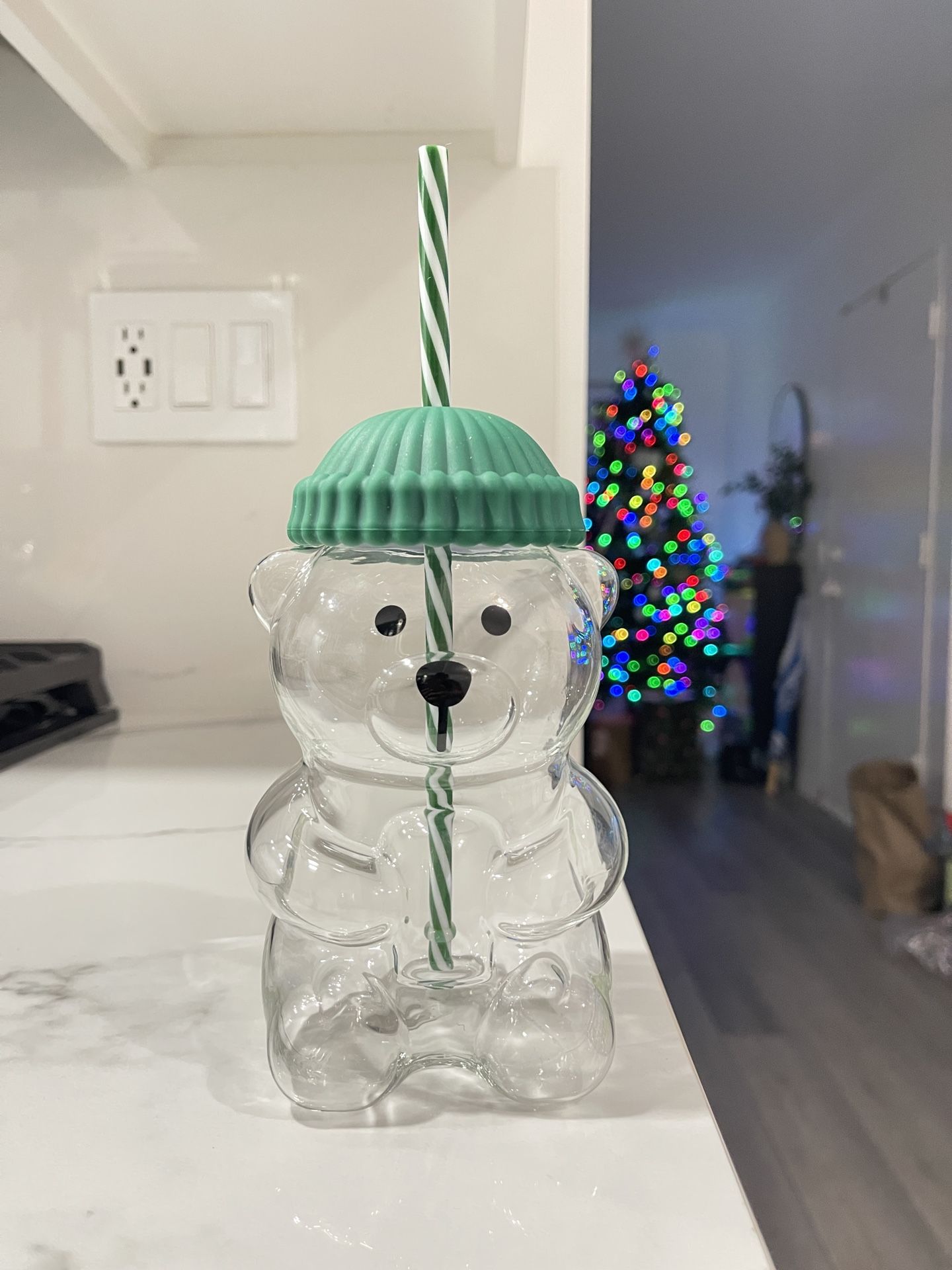
The Aldi bear cup dupe refers to the Crofton-branded double-walled bear-shaped glass mugs frequently sold as limited-time "ALDI Finds." For fans, these cups represent a high-aesthetic, low-cost alternative to premium boutique glassware, symbolizing the thrill of the "Aisle of Shame" hunt and the democratization of viral "cottagecore" and "soft girl" kitchen aesthetics.
The phenomenon of the Aldi bear cup is more than just a story of affordable kitchenware; it is a case study in retail psychology, social media influence, and the engineering of borosilicate glassware. Since its initial surge in popularity, this specific product has become a staple of the Aldi seasonal rotation, drawing significant attention every time it reappears on shelves. To understand why a simple glass vessel can cause such a stir, one must examine the intersection of manufacturing, brand loyalty, and the "dupe" culture that dominates modern consumer habits in 2026.
The Anatomy of the Aldi Bear Cup
The Aldi bear cup is typically released under the store’s private label, Crofton. Physically, the cup is a double-walled vessel made from borosilicate glass. The defining feature is the inner wall, which is molded into the shape of a bear’s head. When a liquid—especially an opaque one like a latte or matcha—is poured into the cup, the liquid fills the silhouette, making the bear shape clearly visible against the clear outer wall.
Borosilicate Glass Engineering
The choice of borosilicate glass is technical rather than purely aesthetic. Borosilicate glass contains boron trioxide, which allows for a very low coefficient of thermal expansion. This means it does not crack under extreme temperature changes as ordinary glass might. For the Aldi bear cup, this allows the user to transition from iced coffee to boiling tea without the risk of thermal shock.
The double-wall construction serves a functional purpose beyond the visual gimmick. It creates a vacuum-sealed or air-filled pocket between the two layers of glass. This acts as a thermal insulator, keeping the beverage hot or cold for longer periods while preventing condensation (sweating) on the outer surface. It also ensures that the cup remains comfortable to hold, as the outer wall does not conduct heat as efficiently as a single-walled mug.
Design Variations
While the "bear" is the most famous iteration, Aldi has frequently expanded this line to include other animals, such as cats, pigs, and pandas. However, the bear remains the most sought-after "dupe" because it closely mirrors high-end versions sold in boutique shops in Japan and South Korea, as well as seasonal releases from major coffee chains like Starbucks.
The "Dupe" Phenomenon and Comparison
In the world of retail, a "dupe" is a product that serves as an affordable alternative to a luxury or name-brand item. The Aldi bear cup is primarily seen as a dupe for the Starbucks seasonal animal mugs or boutique brands like Bodum (though Bodum focuses more on sleek minimalism than animal shapes).
Price Point Disparity
The primary driver for the fan obsession is the price. While boutique versions of double-walled animal glasses can retail for anywhere between $25 and $45 per cup—especially when factoring in international shipping from Asian markets—Aldi typically lists their Crofton version for under $10, often as low as $7.99 for a pair or a single large mug.
Quality vs. Value
When fans discuss what the dupe "means," they are often weighing the trade-offs in quality. Name-brand borosilicate glass is sometimes blown thicker or features a more refined finish at the rim. The Aldi version, while durable enough for daily use, may occasionally feature a small "plug" of silicone at the bottom (where the glass was sealed), which some enthusiasts find less aesthetically pleasing. However, for the vast majority of consumers, the functional performance of the Aldi version is indistinguishable from the expensive alternatives.
| Feature | Aldi (Crofton) Bear Cup | Boutique/Import Brands |
|---|---|---|
| Price (Approx.) | $4.99 - $9.99 | $25.00 - $45.00 |
| Material | Borosilicate Glass | Borosilicate Glass |
| Construction | Double-Walled | Double-Walled |
| Availability | Seasonal / Limited "ALDI Finds" | Year-round (Online) |
| Dishwasher Safe | Generally Hand-Wash Recommended | Varies (Usually Hand-Wash) |
| Thermal Resistance | High | High |
What the Bear Cup Means for the Aldi Fanbase
For the "Aldi Nerds"—a self-identified group of millions of shoppers globally—the bear cup is a trophy. It signifies a successful navigation of the "ALDI Finds" aisle, colloquially known as the Aisle of Shame.
The Psychology of Scarcity
Aldi’s business model relies on a "when it’s gone, it’s gone" philosophy for its center-aisle products. This creates a sense of urgency. For fans, owning the bear cup means they were at the store on "Aldi Wednesday" (the day new stock typically drops in many regions) and managed to secure an item before the resellers or other enthusiasts cleared the shelves.
Community and Social Currency
The bear cup is highly "Instagrammable." In the 2026 digital landscape, aesthetic consistency in home decor is a form of social currency. Fans share photos of their "morning brew" in these cups across TikTok and Instagram, using hashtags like #AldiFinds or #AldiHaul. The cup has become a symbol of a specific lifestyle: one that values both "the look" and the financial savvy required to get that look for a fraction of the price.
Democratization of Luxury Aesthetics
Historically, intricate glassware like double-walled animal mugs were niche items available only through specialty importers. Aldi's decision to "dupe" these items makes "luxury" aesthetics accessible to the average shopper. It bridges the gap between high-end lifestyle influencers and everyday consumers, allowing anyone to have a "Pinterest-perfect" kitchen setup.
Technical Maintenance and Longevity
Despite their popularity, the bear cups are delicate. Fans often share "troubleshooting" tips within community forums to ensure their cups last longer than a single season.
- Hand-Washing is Mandatory: Although some packaging may claim the cups are dishwasher safe, the high-pressure jets and heat cycles of a dishwasher can compromise the silicone seal at the bottom of the double wall. If water enters the vacuum gap, the cup will permanently fog up or grow mold, ruining the aesthetic.
- Ice Cube Caution: When using these glasses for iced drinks, it is recommended to add the liquid first and then the ice. Dropping heavy ice cubes into an empty borosilicate glass can cause the thin inner wall (the bear shape) to shatter due to mechanical impact.
- Microwave Limits: While borosilicate glass is microwave-safe, the air trapped between the walls can expand when heated rapidly. It is generally safer to heat liquids in a standard ceramic mug and then pour them into the bear cup.
The Secondary Market and Resale Value
Interestingly, the Aldi bear cup has spawned its own micro-economy. Because of the limited supply, it is common to see these cups appear on platforms like eBay, Poshmark, or Facebook Marketplace shortly after they sell out in stores.
In 2026, the resale value of a mint-condition Aldi bear cup can sometimes reach double or triple its original retail price. This "hypebeast" culture applied to kitchenware illustrates how effectively Aldi has cultivated brand loyalty. Fans who miss the initial drop are often willing to pay a premium to complete their collection, further cementing the cup's status as a "must-have" item.
Historical Context: From 2023 to 2026
The bear cup craze reached its first fever pitch around late 2023. At that time, viral videos showing the "reveal" of the bear shape when pouring milk tea garnered millions of views. By 2026, the product has transitioned from a one-time viral hit to a recurring classic.
Aldi has leaned into this by refining the design. The 2026 versions often feature subtle improvements, such as more ergonomic handles or slightly larger capacities (moving from 8oz to 10oz or 12oz sizes) to accommodate standard coffee pod sizes. This evolution shows that Aldi listens to its community, further strengthening the bond between the retailer and its "fans."
Comparison with Other Retailer Dupes
Aldi is not the only player in the dupe game. Retailers like Target (through their Bullseye’s Playground) and Five Below have attempted to replicate the success of the bear cup. However, the Aldi version remains the gold standard for fans due to:
- Consistency of Material: Aldi generally sticks to borosilicate glass, whereas cheaper dupes sometimes use plastic or standard soda-lime glass, which lacks the thermal properties.
- The "Hunt" Factor: The unique shopping experience at Aldi makes the purchase feel like a reward, which generic online shopping cannot replicate.
Addressing Common Criticisms
Not all feedback regarding the bear cup is positive. Some critics argue that the "dupe culture" encourages overconsumption. Since the items are so cheap, consumers may buy them impulsively, leading to kitchen clutter. Others point out the environmental impact of manufacturing and shipping seasonal glass items that may only be used for a short period before being replaced by the "next big thing."
However, for the fans, these cups are often treated as collectibles rather than disposable goods. Many users report keeping their bear cups for years, using them as part of a ritualized morning routine that brings a small amount of joy to their day.
Frequently Asked Questions
Is the Aldi bear cup made of real glass?
Yes, the Aldi bear cup is typically made of borosilicate glass. This is a type of glass that includes at least 5% boric oxide, which makes it resistant to extreme temperatures and thermal shock. It is much lighter than traditional glass but more durable in terms of temperature fluctuations.
Why is there a small hole or dot at the bottom of my bear cup?
That small dot is actually a silicone plug. During the manufacturing of double-walled glass, a small hole is left to allow the air pressure between the walls to equalize. Once the glass has cooled, the hole is sealed with a specialized silicone adhesive. It is not a defect, but it is a vulnerable point—picking at it can cause the seal to fail, allowing moisture into the inner chamber.
When does Aldi usually restock the bear cups?
Aldi restocks these cups as part of the "ALDI Finds" program, which means they do not have a permanent spot on the shelves. Historically, they tend to appear during the winter holiday season or in the early spring (around Valentine's Day or Mother's Day) as giftable items. Checking the weekly Aldi ad is the most reliable way to find out when they will return.
Can I put my bear cup in the freezer?
It is not recommended to put double-walled glasses in the freezer. While borosilicate glass handles heat well, the expansion of liquid as it freezes can put immense pressure on the inner bear-shaped wall, causing it to crack or "implode" due to the vacuum seal between the layers.
How does the Aldi version compare to the Starbucks bear mug?
The Starbucks versions are often made of ceramic or weighted glass and are usually released as part of their "Asia Collection," making them very expensive to import to the US or UK. The Aldi version is a "dupe" specifically of the double-walled glass variety. The main difference is the branding; the Aldi cup has no logo, whereas the Starbucks version features their siren logo or specific seasonal markings.
Practical Recommendation for Fans
If you are looking to secure an Aldi bear cup during the next release, the best strategy is to download the Aldi mobile app and set alerts for "Crofton Glassware." Because these items are seasonal, they usually arrive in shipments of only 12 to 24 units per store.
Once you have purchased your cup, avoid the dishwasher at all costs. Even if the box says "top-rack safe," hand-washing with a soft sponge will preserve the silicone seal and the clarity of the glass for years. To keep the bear shape looking its best, use liquids with high contrast—lattes, matcha, or fruit-infused teas work better than plain water for showing off the internal design.
The Aldi bear cup is a rare example of a product that successfully combines engineering, price, and social media appeal. For fans, it’s not just a cup; it’s a small, affordable piece of art that makes a daily routine feel a bit more special.