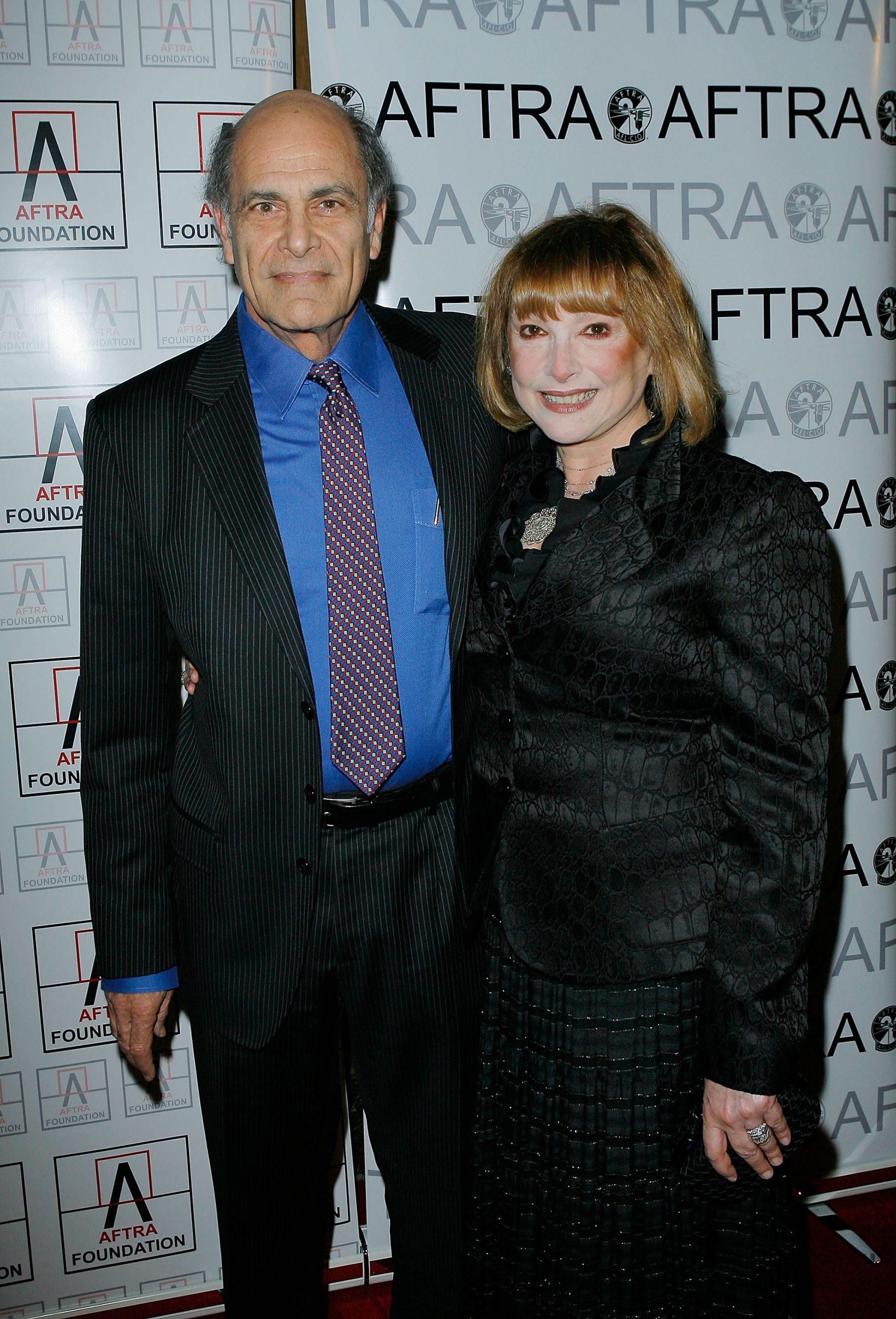
As of 2026, Alan Mancini’s net worth is estimated to be between $5 million and $15 million. This valuation is primarily attributed to his decades of leadership in the architectural, design, and construction management industries. His wealth is a reflection of significant equity stakes in professional services, successful project delivery for high-value commercial clients, and strategic personal investments in real estate and diversified portfolios.
To understand the financial standing of a professional like Alan Mancini, one must look beyond a simple salary figure. In the world of high-end design and corporate leadership, wealth is often tied to the valuation of the firms one leads, the performance of specific real estate developments, and the long-term accumulation of capital through partnership distributions. Alan Mancini’s career represents a classic trajectory of technical mastery evolving into executive influence, where the "net worth" figure is a lagging indicator of years of industry-specific value creation.
The Professional Trajectory of Alan Mancini
The foundation of Alan Mancini’s wealth began with a rigorous focus on the technical and aesthetic demands of the design and construction industry. Unlike figures in the technology sector who may see "overnight" success through venture capital, Mancini’s financial growth has been characterized by steady, incremental gains common in the architectural and engineering (A&E) sectors.
In the early stages of his career, Mancini focused on the fundamentals of project management and design integration. This period was crucial for building the "reputational capital" that eventually allowed him to command higher compensation and equity positions. In the A&E industry, senior leaders often transition from salaried roles to principal or partner roles. This transition is where the most significant jump in net worth occurs, as individuals begin to share in the firm's annual profits rather than just receiving a fixed wage.
By the mid-2010s and early 2020s, Mancini’s involvement in large-scale commercial renovations and corporate workplace strategies positioned him at the center of a rapidly changing real estate market. As companies sought to redesign offices for a post-pandemic world, leaders with Mancini's expertise were in high demand, leading to increased consulting fees and higher valuations for the organizations he represented.
Primary Drivers of Alan Mancini’s Net Worth
Evaluating the net worth of a private executive requires an analysis of several distinct income streams and asset classes. For Alan Mancini, these can be broken down into three primary categories: corporate compensation, equity and dividends, and private investments.
1. Executive Compensation and Performance Bonuses
As a senior figure in the design and architectural space, Mancini’s base compensation is estimated to be in the top percentile for the industry. According to data from the American Institute of Architects (AIA), principals and partners in large firms often see total compensation packages exceeding $400,000 annually when bonuses and profit-sharing are included. Over a decade or more, this consistent high-income level forms the "cash engine" of an individual's net worth.
2. Equity in Professional Service Firms
The most significant contributor to a high-level executive’s wealth is often their ownership stake in their firm. Professional service firms are valued based on their "backlog" of contracts, their intellectual property, and their recurring client base. If Mancini holds a significant percentage of equity in a mid-to-large-sized firm, that equity alone could represent several million dollars in paper wealth. In 2026, the valuation of design firms has remained robust due to the ongoing need for sustainable building upgrades and technological integration in the built environment.
3. Real Estate and Diversified Portfolios
It is common for professionals in the construction and design sectors to invest heavily in the product they know best: real estate. By leveraging industry knowledge, leaders like Mancini can identify undervalued properties or participate in development syndications. Furthermore, a standard wealth management strategy for individuals in this bracket includes a diversified portfolio of equities, bonds, and alternative investments, which benefit from compound interest over several decades.
The Economics of the Design and Construction Industry
To appreciate how Alan Mancini reached his current financial status, it is helpful to examine the economic landscape of the industries he inhabits. The architecture and construction management fields have undergone a massive transformation between 2020 and 2026.
| Wealth Factor | Description | Estimated Impact on Net Worth |
|---|---|---|
| Principal Equity | Ownership stake in architectural or design firms. | High (40-60% of total) |
| Project Fees | Percentages earned from multi-million dollar contracts. | Moderate (Annual Cash Flow) |
| Real Estate Holdings | Private residential and commercial property investments. | High (Long-term growth) |
| Consulting/Advisory | Specialized board seats or high-level strategic consulting. | Low to Moderate |
The shift toward "Green Building" and LEED-certified structures has created a premium for executives who can navigate complex regulatory environments. Alan Mancini’s ability to oversee projects that meet these modern standards has likely increased his billable value and, by extension, the profitability of his business interests.
Market Influences on Wealth in 2026
As we look at the current year, 2026, several macroeconomic factors have influenced the net worth of industry leaders like Mancini. The stabilization of interest rates following the volatility of the early 2020s has led to a resurgence in commercial real estate development.
Furthermore, the integration of Artificial Intelligence (AI) in design workflows has allowed firms to increase their margins. By reducing the man-hours required for drafting and administrative tasks, firms can maintain high contract values while lowering operational costs. Executives who successfully steered their firms through this technological transition have seen their equity valuations rise significantly.
Comparative Analysis: How Mancini Stacks Up
When comparing Alan Mancini's estimated net worth of $5M–$15M to his peers, he falls within the standard range for a successful "Tier 1" executive in a specialized field. While this does not reach the "billionaire" status of tech founders, it represents the upper echelon of professional achievement in the American corporate landscape.
Wealth in the design sector is typically more stable than in the tech or crypto sectors. It is built on tangible assets—buildings, contracts, and long-standing client relationships. This "slow and steady" wealth accumulation often results in a more resilient financial profile during market downturns.
Challenges and Considerations in Valuation
Determining the exact net worth of a private individual like Alan Mancini involves certain limitations. Unlike public figures who must disclose their holdings in SEC filings, private executives keep their balance sheets confidential.
- Private Equity Fluctuations: The internal valuation of private firms is often based on "multiples of EBITDA" (Earnings Before Interest, Taxes, Depreciation, and Amortization). These multiples can change based on the economy, affecting the "paper" net worth of owners.
- Taxation and Liquidity: A significant portion of a high-net-worth individual's wealth is often "illiquid," meaning it is tied up in business ownership or real estate and cannot be easily converted to cash without selling the asset.
- Jurisdictional Variables: Tax laws in 2026 regarding capital gains and estate planning heavily influence the final "net" figure an individual retains.
Disclaimer: The financial figures provided are estimates based on industry benchmarks, historical career data, and public records. This article is for informational purposes only and does not constitute financial or legal advice.
Frequently Asked Questions
How did Alan Mancini make his money?
Alan Mancini built his wealth through a career in the architectural and design industry. His primary sources of income include executive salaries, profit sharing as a firm principal, and long-term investments in real estate and traditional financial markets. His success is rooted in managing high-complexity projects for commercial and corporate clients.
Is Alan Mancini’s net worth public record?
No, as a private citizen and executive, his exact net worth is not a matter of public record. The estimates provided are based on professional standards for executives in his specific role, the size of the firms he has been associated with, and typical compensation structures within the A&E (Architecture and Engineering) industry as of 2026.
What is the average salary for someone in Alan Mancini’s position?
In 2026, a Managing Director or Principal at a major architectural or design firm typically earns a base salary between $250,000 and $500,000. However, the majority of their wealth is usually generated through annual performance bonuses and the appreciation of their equity stake in the company.
Does Alan Mancini own any companies?
While he is often associated with the leadership of prominent firms, whether he is the sole owner or a partner depends on the specific corporate structure of his current organization. Most large design firms operate as partnerships where senior leaders hold varying percentages of ownership.
How has the economy in 2026 affected his wealth?
The 2026 economy has been favorable for those in construction and design due to a renewed focus on infrastructure and sustainable corporate spaces. Higher demand for specialized architectural services has led to increased firm valuations, which directly benefits individuals with equity in those firms.
Next Actions for Interested Readers
For those looking to achieve a similar level of financial success in the professional services industry, the path forward involves focusing on "equity-building" roles. Rather than chasing a high salary alone, professionals should seek opportunities to participate in profit-sharing and ownership programs.
Monitoring industry trends via the National Council of Architectural Registration Boards (NCARB) or similar professional bodies can provide insights into which sectors (such as healthcare or sustainable tech) are currently commanding the highest premiums. Understanding the intersection of design, technology, and finance remains the most viable strategy for building a multi-million dollar net worth in the modern era.