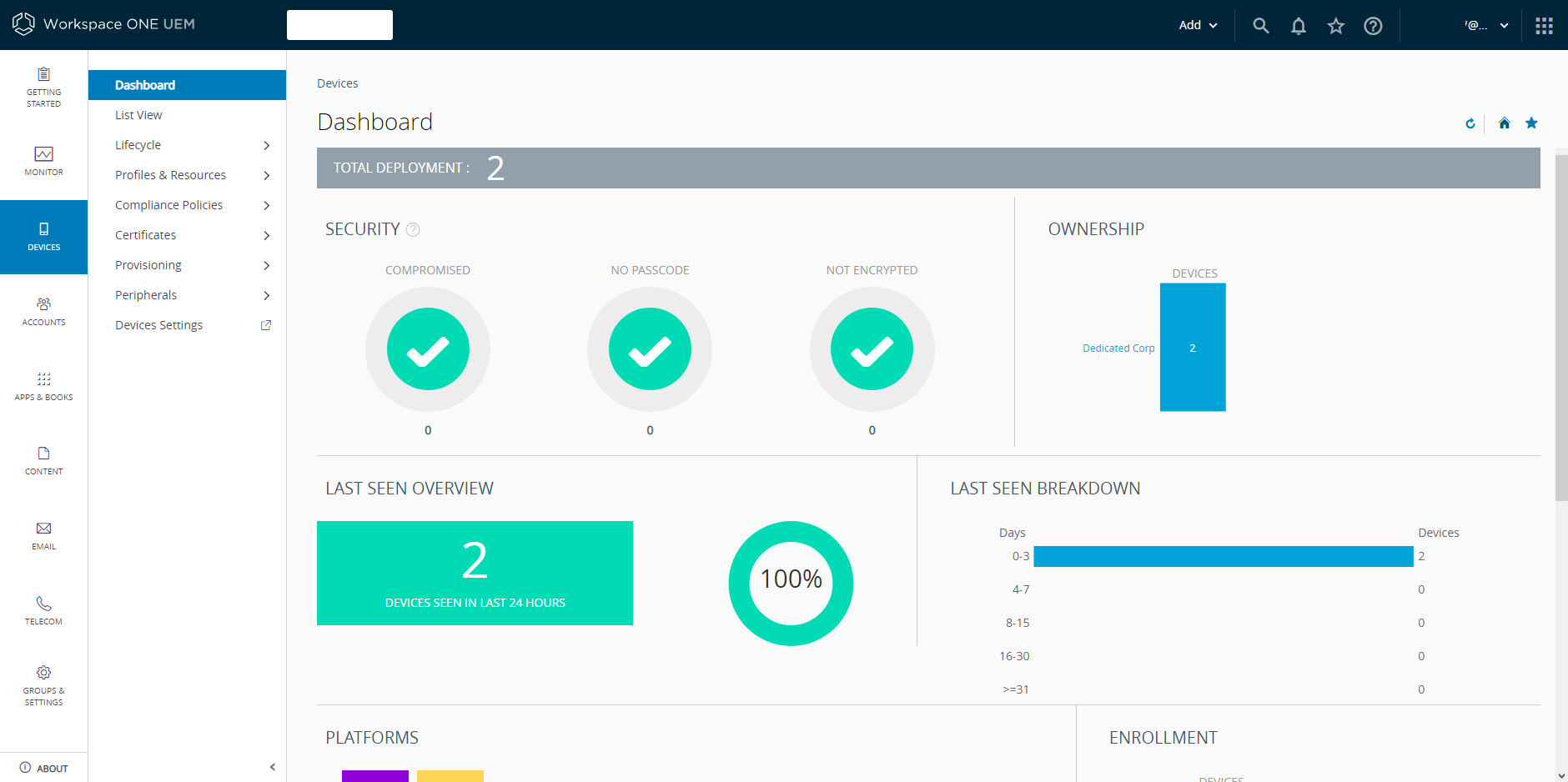
Organizations seeking alternatives to AirWatch—now known as Omnissa Workspace ONE—prioritize Unified Endpoint Management (UEM) capabilities, cross-platform stability, and seamless integration with existing identity providers. Leading contenders include Microsoft Intune for its ecosystem synergy, Jamf for specialized Apple management, and ManageEngine for comprehensive multi-OS flexibility and cost-effective deployment.
Selecting a mobile management solution has become increasingly complex as the landscape shifts from simple Mobile Device Management (MDM) to comprehensive Unified Endpoint Management (UEM). While AirWatch was a pioneer in the space, its transition through VMware and its eventual divestiture to KKR as a standalone entity called Omnissa has prompted many IT leaders to re-evaluate their stacks. In 2026, the market offers highly specialized tools that often outperform legacy platforms in specific niches, whether that is Windows-heavy environments, Apple-only fleets, or ruggedized industrial deployments.
The Evolution of AirWatch to Omnissa Workspace ONE
To understand why an alternative might be necessary, one must look at the trajectory of the original product. AirWatch was rebranded as VMware Workspace ONE years ago, and following Broadcom’s acquisition of VMware, the End-User Computing (EUC) division was spun off. By 2026, Omnissa has established its own identity. However, for many legacy customers, the complexity of the platform remains a double-edged sword.
Workspace ONE is powerful but can be notoriously difficult to configure. It requires significant administrative overhead to manage "Profiles," "Smart Groups," and "Compliance Policies" effectively. Organizations moving away from it typically cite three primary drivers:
- Complexity and Training Costs: The learning curve for junior admins is steep.
- Licensing Fluidity: Changes in ownership often lead to restructured pricing tiers that may no longer align with mid-market budgets.
- Platform Bloat: Many companies only use 20% of the UEM features but pay for the full suite.
Top Alternatives for Modern Mobile Management
The following solutions represent the most robust alternatives in 2026, categorized by their primary strengths and typical use cases.
1. Microsoft Intune (Part of Microsoft Endpoint Manager)
In 2026, Microsoft Intune remains the most common alternative for organizations already invested in the Microsoft 365 ecosystem. Because Intune is included in many M365 licenses (such as Business Premium, E3, and E5), it often represents a "zero-additional-cost" migration for the finance department.
Why it replaces AirWatch: Intune’s primary advantage is its deep integration with Microsoft Entra ID (formerly Azure AD). This allows for "Conditional Access," where a device's compliance status directly dictates whether a user can access Outlook or SharePoint. If a device is jailbroken or missing a passcode, Intune tells Entra ID to block the session instantly.
Technical Strength: Intune has caught up significantly in macOS management through its support for "Declarative Device Management" (DDM) and improved shell script execution. For Windows, Windows Autopilot provides a deployment experience that rivals Apple's zero-touch enrollment.
2. Jamf Pro (The Apple Gold Standard)
For organizations that are 100% Apple or have a high-value executive Mac fleet, Jamf Pro is the definitive alternative. While AirWatch tries to be everything to everyone, Jamf focuses exclusively on the Apple ecosystem (iOS, iPadOS, macOS, tvOS, and watchOS).
Why it replaces AirWatch: Apple frequently releases "Day Zero" updates for its operating systems. Jamf consistently supports these new features the moment they are released. Their "Jamf Connect" feature also solves the perennial problem of syncing local Mac passwords with cloud identity providers like Okta or Google Workspace, a task that can be clunky in Workspace ONE.
Technical Strength: Jamf’s binary agent for macOS allows for more granular control than the standard MDM protocol used by many generic UEMs. This includes advanced "Policy" triggers that can run based on network state changes or specific user logouts.
3. ManageEngine Mobile Device Manager Plus
ManageEngine offers a middle ground for organizations that need multi-platform support (Android, iOS, Windows, Mac, ChromeOS) without the enterprise price tag or complexity of Omnissa.
Why it replaces AirWatch: It is available as both an on-premise and a cloud solution, making it a favorite for highly regulated industries (like healthcare or defense) that are not yet ready to move their management server to the public cloud.
Technical Strength: The platform excels in Android Enterprise management. It provides robust support for "Work Profile," "Fully Managed," and "Dedicated Device" (Kiosk) modes. Its remote troubleshooting tools are often more responsive than the integrated "Advanced Remote Management" in Workspace ONE.
4. Kandji and Mosyle (Modern Apple Management)
If Jamf Pro feels too "legacy" or expensive, Kandji and Mosyle have emerged as cloud-native, high-automation alternatives for Apple devices.
Why they replace AirWatch: These platforms use a "Global Library" of pre-built scripts and settings. Instead of writing a script to block the "System Settings" app, you simply toggle a switch in the UI. They are designed for the modern IT admin who values speed over deep, manual configuration.
Feature Comparison Table (2026)
| Feature | Microsoft Intune | Jamf Pro | ManageEngine MDM | Omnissa (AirWatch) |
|---|---|---|---|---|
| Primary OS | Windows / Cross-platform | Apple (iOS/macOS) | Cross-platform | Cross-platform |
| Deployment Model | Cloud-only | Cloud / On-Prem | Cloud / On-Prem | Cloud / On-Prem / Hybrid |
| Best For | M365 Ecosystems | Creative/Design Agencies | Mid-market & SMBs | Large Global Enterprise |
| Ease of Use | Moderate | High (Apple focus) | High | Low (Complex) |
| Zero-Touch Support | Autopilot / ADE | Apple Business Mgr | ADE / ZTE / KME | Extensive |
| Pricing Tier | Included in M365 | Premium | Budget-friendly | Premium |
Key Technical Considerations When Switching
Migrating from AirWatch to an alternative is not a simple "flick of a switch." It requires a strategic approach to enrollment and data preservation.
Enrollment Workflows
The most difficult part of moving away from AirWatch is that MDM profiles are usually "non-removable" if the device was supervised via Apple Business Manager (ABM) or Android Zero Touch. To move a device to a new platform like Intune or Jamf, the device must typically be factory reset.
- Strategy: Implement a "phased migration" where new hires start on the new platform, and existing employees migrate during their next hardware refresh cycle.
Mobile Application Management (MAM)
One of AirWatch's strengths was its "Content Locker" and "AirWatch Browser." If your organization relies on these proprietary "wrapped" apps, you must find equivalents.
- Intune Alternative: Use App Protection Policies. These allow you to manage data inside the app (e.g., preventing "Save As" to personal storage) without needing to manage the entire device. This is ideal for BYOD (Bring Your Own Device) scenarios.
Identity Integration
In 2026, your UEM is only as good as its identity provider (IdP) integration. Ensure your alternative supports:
- SAML/OIDC: For admin console login.
- SCIM Provisioning: To automatically create and delete user accounts in the UEM based on their status in your HR system or Active Directory.
- Certificate Authority (CA) Integration: If you use SCEP or NDES to push Wi-Fi and VPN certificates to devices, verify that the new platform can talk to your PKI infrastructure.
Specialized Alternatives for Industrial Use
If your fleet consists of ruggedized scanners, warehouse handhelds, or digital signage, traditional office-focused UEMs may fail you.
- SOTI MobiControl: SOTI remains the leader for "Specialized" devices. If you are managing Zebra or Honeywell Android devices in a warehouse, SOTI’s "Scripting" and "File Sync" capabilities are superior to Workspace ONE. It allows for precise control over firmware updates, ensuring that a buggy OS update doesn't take down a fulfillment center.
- Hexnode UEM: Hexnode has gained significant traction by 2026 for its "Kiosk Mode" capabilities. It is frequently used for retail POS systems and hospitality tablets because it can lock a device into a single app or a web-based portal with extreme granularity.
Cost and Licensing Analysis
AirWatch (Omnissa) is typically billed per-device or per-user, often requiring a multi-year commitment for the best pricing. When looking at alternatives, consider the "Total Cost of Ownership" (TCO):
- Hidden Costs of Intune: While it may be "free" with your license, the cost of adding "Intune Suite" add-ons (for features like Remote Help or Endpoint Privilege Management) can add $3–$10 per user/month.
- Jamf's Volume Pricing: Jamf Pro is expensive for small fleets but offers significant discounts as you cross the 1,000-device threshold.
- ManageEngine's Free Tier: For very small startups, ManageEngine often provides a free tier for the first 25 devices, making it the best "starter" alternative.
Frequently Asked Questions
Is it possible to migrate from AirWatch to Intune without wiping devices?
Generally, no. For a device to be fully managed (Supervised/Corporate Owned), the MDM profile must be installed during the initial "Out of Box Experience" (OOBE). While some "over-the-air" migration tools exist, they are often unreliable. Most organizations find that a factory reset is the only way to ensure a clean, compliant state on the new platform.
How does Omnissa Workspace ONE compare to Intune in 2026?
Omnissa remains more powerful for "Day 2" operations—complex automation, deep analytics (DEEM), and multi-tenant configurations for global subsidiaries. Microsoft Intune is superior for "Day 1" deployment simplicity and security integration within the Windows/M365 stack.
Which alternative is best for BYOD (Bring Your Own Device)?
Microsoft Intune is widely considered the best for BYOD because of its MAM-WE (MAM Without Enrollment) capabilities. It allows IT to secure corporate data within the Outlook and Teams apps without taking control of the employee's personal photos or private apps.
Does Jamf manage Windows devices?
No. Jamf is strictly an Apple management platform. If you switch to Jamf for your Macs and iPhones, you will still need a separate solution (like Intune or ManageEngine) to manage your Windows laptops and Android devices. This is known as a "Best-of-Breed" strategy rather than a "Single Pane of Glass" strategy.
What happened to MobileIron?
MobileIron was acquired by Ivanti. By 2026, it has been integrated into the Ivanti Neurons for UEM platform. It remains a strong competitor for organizations focused on "Zero Trust" and "Hyper-Automation," particularly those already using Ivanti for ITSM or Patch Management.
Final Recommendation
If your organization is heavily integrated into the Microsoft ecosystem, the most logical and cost-effective alternative to AirWatch is Microsoft Intune. The consolidation of licensing and the power of Conditional Access usually outweigh the loss of AirWatch's more granular "Smart Group" logic.
However, if your fleet is predominantly Mac and iPhone, migrating to Jamf Pro will provide a significantly better end-user experience and faster support for new Apple features. For mid-sized businesses looking for an easy-to-use, platform-agnostic tool, ManageEngine MDM Plus offers the best balance of features and affordability.
Before making a final decision, conduct a "Proof of Concept" (POC) focusing on your three most difficult use cases—such as complex Wi-Fi certificate deployment, remote OS updates, or "Lost Mode" reliability.