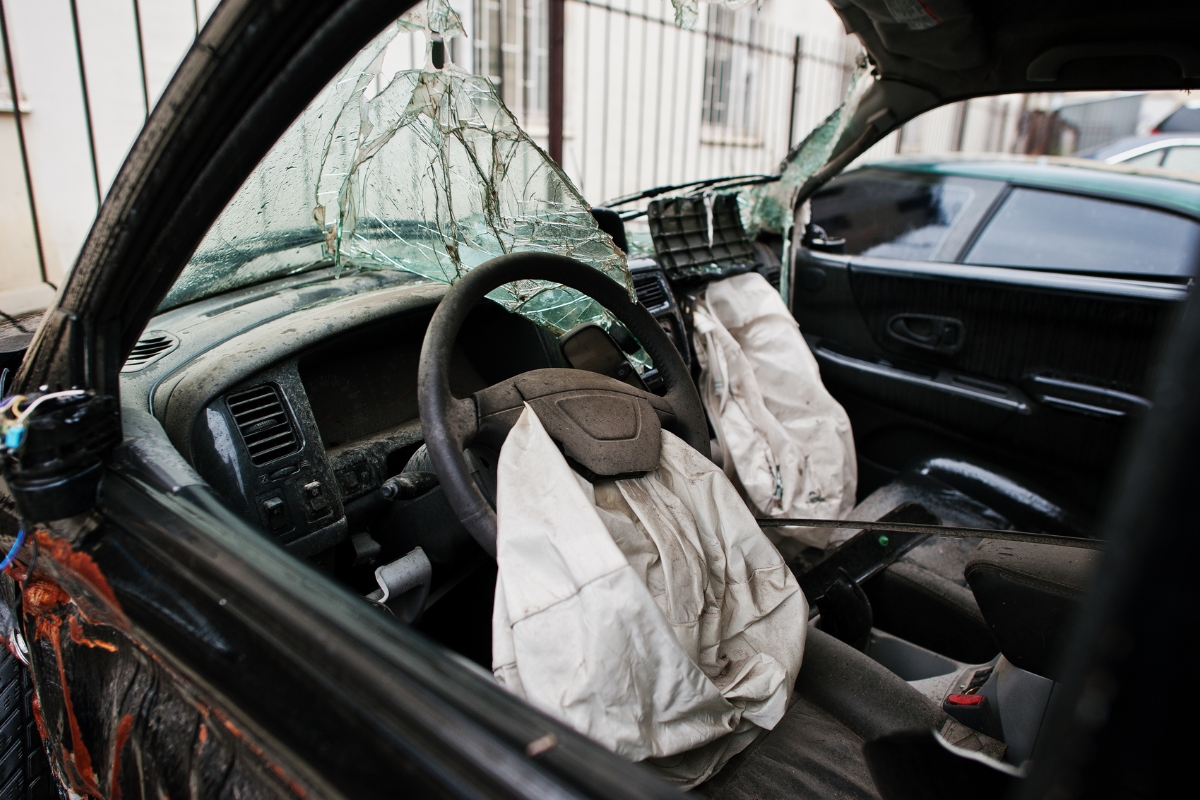
In the complex intersection of automotive engineering and personal injury law, an airbag injury lawsuit provides a legal pathway for victims to seek compensation when safety systems fail or cause harm. These cases typically hinge on product liability theories, requiring proof that a defect in the airbag's design, manufacture, or warning labels led to injuries that would otherwise have been avoided or were exacerbated by the device itself.
The Evolution of Airbag Litigation in 2026
As of 2026, the legal landscape surrounding airbag injuries has shifted significantly due to the integration of advanced sensors and autonomous driving features. While the fundamental principles of tort law remain, the technical evidence required to prove a case has become more sophisticated. Airbags are no longer simple inflatable cushions; they are part of a complex Supplemental Restraint System (SRS) that interacts with seatbelt pre-tensioners, occupant weight sensors, and crash-avoidance algorithms.
Litigation today often focuses on three primary areas: failure to deploy during a significant impact, "aggressive" deployment where the airbag fires with excessive force in a low-speed collision, and the expulsion of metal shrapnel or toxic chemicals during the deployment sequence. Understanding these nuances is critical for any plaintiff or legal professional navigating this field.
Primary Legal Theories of Liability
In most jurisdictions, airbag injury lawsuits are filed under the umbrella of product liability. Unlike standard car accident claims that focus on driver negligence, these cases target the manufacturers, distributors, and component suppliers. There are three primary theories used to establish liability:
1. Design Defects
A design defect claim asserts that the airbag system was inherently dangerous as designed, even if it was manufactured perfectly according to those designs. In 2026, many design defect cases revolve around the software logic used to determine deployment thresholds. For example, if an airbag's algorithm fails to recognize a specific type of offset collision common in modern traffic patterns, the manufacturer may be held liable for a design flaw.
2. Manufacturing Defects
A manufacturing defect occurs when an individual unit or a specific batch of airbags deviates from the intended design during the assembly process. This might involve a poorly soldered connection, a contaminated chemical propellant, or a weakened fabric in the airbag module. These defects are often localized but can lead to catastrophic failures, such as the airbag rupturing upon inflation.
3. Failure to Warn (Marketing Defects)
Manufacturers have a legal duty to warn consumers about known risks associated with their products. In the context of airbags, this often involves warnings regarding the proximity of passengers to the dashboard or the dangers posed to children in the front seat. If a manufacturer becomes aware of a specific malfunction risk—such as propellant degradation over time—and fails to issue a timely warning or recall, they may be liable under this theory.
Common Types of Airbag Malfunctions and Resulting Injuries
While airbags are credited with saving thousands of lives, their malfunction can cause devastating injuries. The nature of the injury often dictates the direction of the legal strategy.
- Failure to Deploy: This is the most common ground for litigation. When a vehicle sustains a major impact and the SRS fails to trigger, the occupants are left with only seatbelts for protection. This often results in traumatic brain injuries (TBI), spinal cord damage, and facial fractures from striking the steering wheel or dashboard.
- Late Deployment: Even a millisecond delay in deployment can be fatal. If the airbag deploys after the occupant’s head has already moved forward into the deployment zone, the force of the expanding bag can cause severe neck injuries or decapitation.
- Over-Aggressive Deployment: Airbags deploy at speeds exceeding 200 mph. If sensors fail to calibrate for the occupant’s weight or the severity of the crash, the airbag may deploy with unnecessary force, leading to broken ribs, internal organ damage, or "degloving" injuries to the hands and arms.
- Chemical and Thermal Burns: The rapid chemical reaction required to inflate the bag produces significant heat and various byproducts, such as sodium azide or potassium nitrate. Malfunctions can lead to severe chemical burns to the skin and eyes or respiratory distress from inhaling the dust and gases.
The Role of the Event Data Recorder (EDR)
In 2026, the "Black Box" or Event Data Recorder (EDR) is the single most important piece of evidence in an airbag injury lawsuit. Most modern vehicles are equipped with EDRs that record technical information in the seconds leading up to, during, and after a collision.
Critical data points captured by the EDR include:
- Vehicle speed and engine throttle position.
- Brake application and ABS activity.
- Seatbelt usage status for the driver and passengers.
- The exact timing of the airbag deployment signal.
- The delta-V (change in velocity), which helps determine the severity of the impact.
Retrieving and interpreting this data requires specialized hardware and expert forensic analysis. If the EDR shows that the crash exceeded the manufacturer’s programmed deployment threshold but the airbag remained stored, the plaintiff has powerful evidence of a malfunction.
Proving Causation: The "Enhanced Injury" Doctrine
A unique challenge in airbag litigation is the "Enhanced Injury" or "Crashworthiness" doctrine. Unlike a standard accident where the defendant is responsible for all injuries, an airbag manufacturer is generally only liable for the additional or enhanced injuries caused by the product's failure.
For instance, if a driver suffers a broken leg in a crash (which the airbag would not have prevented) but also suffers a traumatic brain injury because the airbag failed to deploy, the lawsuit focuses on the TBI. The defense will often argue that the crash was so severe that the injuries would have occurred regardless of whether the airbag functioned correctly. Overcoming this defense requires medical experts who can distinguish between injuries caused by the primary impact and those caused by the lack of secondary restraint.
Comparative Table: Airbag Defect Categories
| Defect Type | Primary Cause | Key Evidence Needed | Common Defense |
|---|---|---|---|
| Non-Deployment | Faulty sensors or software logic. | EDR data, impact force analysis. | Impact was below the deployment threshold. |
| Spontaneous Deployment | Electrical shorts or sensor errors. | Service records, wiring harness inspection. | External interference or road debris. |
| Shrapnel/Rupture | Propellant degradation (e.g., moisture). | Physical fragments, metallurgical analysis. | Poor vehicle maintenance or extreme climate. |
| Aggressive Deployment | Weight sensor failure or high-stage firing. | Occupant sensor logs, medical biomechanics. | Occupant was "out of position" (too close). |
Practical Considerations for Plaintiffs and Legal Teams
Navigating an airbag injury case requires immediate action and a high degree of technical oversight. Because these cases are expensive and time-consuming, the following practical steps are essential for a successful outcome:
Preservation of the Vehicle
The vehicle itself is the most vital piece of evidence. In many cases, insurance companies will attempt to "total" the car and send it to a salvage yard or crusher. If the vehicle is destroyed, the plaintiff loses the ability to inspect the airbag module, the wiring, and the sensors. A "spoliation of evidence" letter must be sent immediately to the insurance carrier and the storage facility to ensure the car is preserved in its post-crash state.
Expert Witness Procurement
You cannot win an airbag lawsuit without experts. A typical team includes:
- Automotive Engineers: To analyze the vehicle's mechanics and software.
- Accident Reconstructionists: To determine the physics of the crash.
- Biomechanic Experts: To explain how the forces of the crash and the airbag failure combined to cause the specific injuries.
- Medical Professionals: To testify regarding long-term disability and treatment costs.
Identifying All Potential Defendants
The "legal landscape" involves a complex supply chain. The vehicle manufacturer (OEM) is the primary target, but the fault may lie with the company that manufactured the airbag module (e.g., Autoliv, ZF, or Joyson Safety Systems). If a vehicle was previously repaired using a counterfeit or "salvage" airbag, the repair shop may also be liable.
Statutory Limitations and Recalls
In 2026, plaintiffs must be mindful of the Statute of Repose, which differs from the Statute of Limitations. While the Statute of Limitations dictates how long you have to sue after an injury, the Statute of Repose may bar claims if the vehicle is older than a certain number of years (often 10 to 12), regardless of when the injury occurred.
Furthermore, checking the NHTSA Recall Database is a prerequisite. If a vehicle was subject to an airbag recall and the owner failed to have the repair performed after receiving notice, the manufacturer may argue that the owner assumed the risk. Conversely, if a vehicle was "repaired" under a recall but the airbag still failed, this may point to a flaw in the recall remedy itself.
FAQs
Can I sue if my airbag didn't deploy in a minor fender bender?
Generally, no. Airbags are designed to deploy only in moderate to severe crashes (typically equivalent to hitting a fixed barrier at 8–14 mph or higher). If the impact was minor, the sensors correctly determined that the seatbelt alone was sufficient for protection. Litigation is only viable if the impact was significant enough that deployment was necessary to prevent injury.
What if I was not wearing a seatbelt during the crash?
You may still have a case, but it becomes more difficult. Airbags are designed as "supplemental" restraints. If you were unbelted, the defense will argue "comparative negligence," claiming your own failure to wear a belt contributed to your injuries. However, modern airbags are supposed to adjust their deployment force for unbelted occupants, and a failure to do so could still result in liability.
How much is an airbag injury lawsuit worth?
Settlements and verdicts vary wildly based on the severity of the injury. Cases involving permanent disability, traumatic brain injury, or wrongful death can result in multi-million dollar awards. These damages cover medical expenses, lost earning capacity, pain and suffering, and in cases of gross negligence (like knowingly using defective propellants), punitive damages.
How long do these lawsuits typically take?
Product liability cases against major automakers are rarely quick. Because of the extensive discovery process—where lawyers review thousands of pages of internal manufacturer documents—these cases can take anywhere from two to five years to reach a trial or settlement.
Are there class-action lawsuits for airbag injuries?
Class actions are common for economic losses (e.g., loss of vehicle value due to a defect). However, for personal injuries, individual lawsuits are more common because every person's injuries and crash circumstances are unique. You may, however, be part of a Multi-District Litigation (MDL), which consolidates the discovery process for many similar cases to increase efficiency.
Final Recommendations for Action
If you or a client has been injured by an airbag malfunction, the first priority—after medical stabilization—is securing the vehicle. Do not allow it to be sold or repaired until a qualified forensic engineer has inspected the SRS system and downloaded the EDR data.
Secondly, document the physical evidence of the airbag itself. Take high-resolution photos of the deployed or un-deployed bag, any dust or residue in the cabin, and the "burn marks" or bruising on the occupant’s body. Early consultation with a law firm specializing in product liability is essential, as the costs of litigation are prohibitive for most individuals to handle alone. By acting quickly to preserve data and physical evidence, you protect the integrity of the claim against the rigorous defenses typically mounted by automotive manufacturers.