Air powered cars, also known as Compressed Air Vehicles (CAVs), utilize the expansion of highly pressurized air to drive pistons in a pneumatic motor. As of 2026, while they remain a niche segment compared to battery electric vehicles (BEVs), they offer a unique, emission-free urban transport solution characterized by rapid refueling and long-lasting energy storage tanks.
The Mechanical Principles of Compressed Air Propulsion
To understand the viability of air powered cars in 2026, one must first grasp the underlying physics of pneumatic energy. Unlike internal combustion engines (ICE) that rely on the chemical explosion of fuel, or electric motors that use electromagnetism, a compressed air engine operates on the principles of thermodynamics and fluid mechanics.
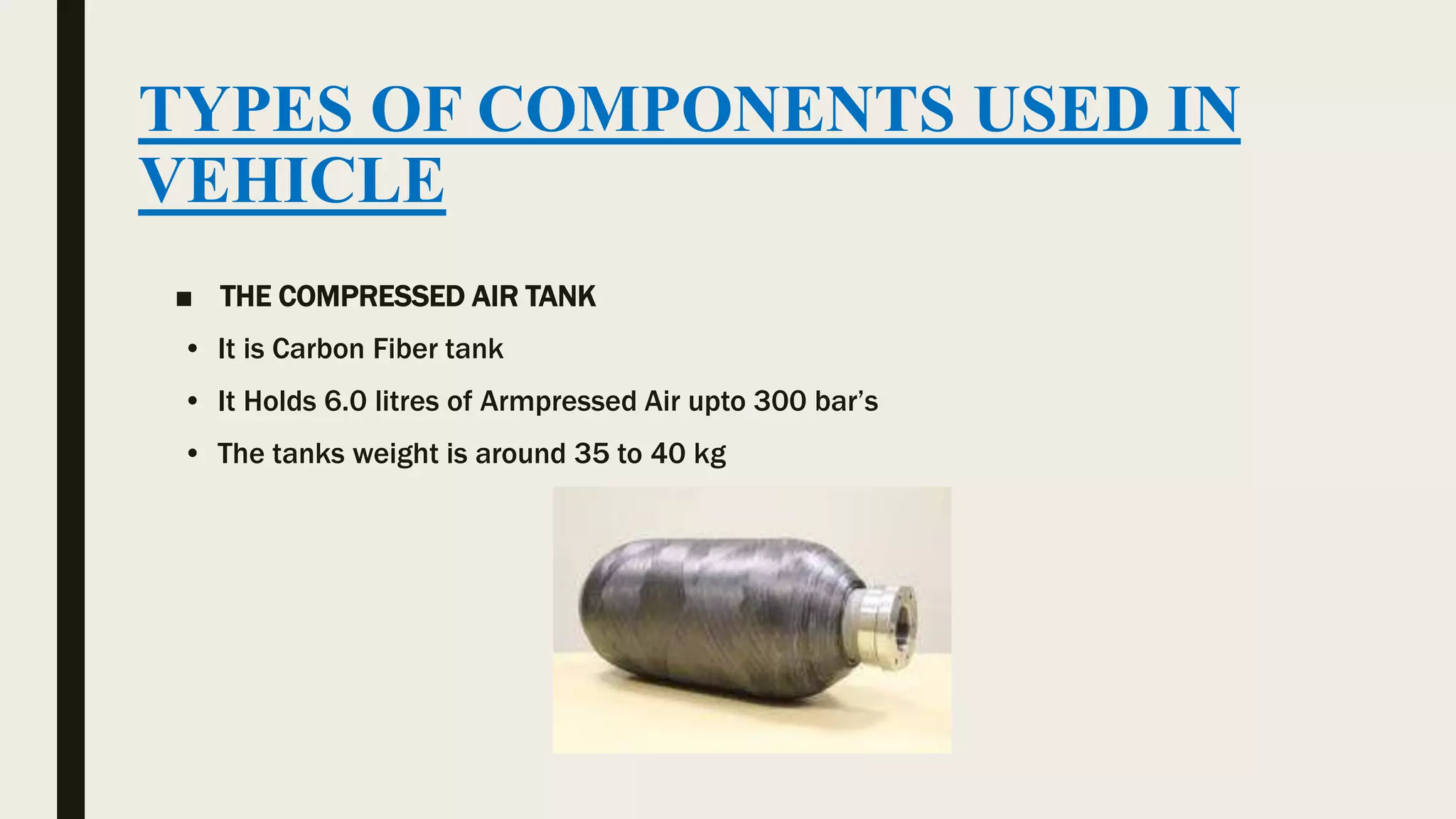
The core component is a high-pressure storage tank, typically constructed from carbon fiber or advanced composite materials to ensure strength while minimizing weight. These tanks store air at pressures often exceeding 3,000 to 4,500 psi (pounds per square inch). When the driver accelerates, the system releases controlled bursts of this air into the engine cylinders.
As the compressed air expands, it pushes the pistons, converting the potential energy of the pressurized gas into kinetic energy to turn the wheels. A significant technical challenge in this process is the temperature drop. According to the laws of thermodynamics, as gas expands, its temperature plummet—a phenomenon known as the Joule-Thomson effect. Without intervention, this can cause the engine components to freeze or ice up. Modern air powered prototypes in 2026 often use ambient heat exchangers or small internal heating elements to maintain optimal operating temperatures and increase the expansion efficiency of the air.
The Evolution of Compressed Air Vehicles: From Concept to 2026
The history of air powered transport is longer than many realize. In the mid-19th century, pneumatic locomotives were used in mines and tunnels where combustion was dangerous or impossible due to poor ventilation. However, the modern era of the "air car" is largely defined by the work of Guy Nègre and his company, Motor Development International (MDI).
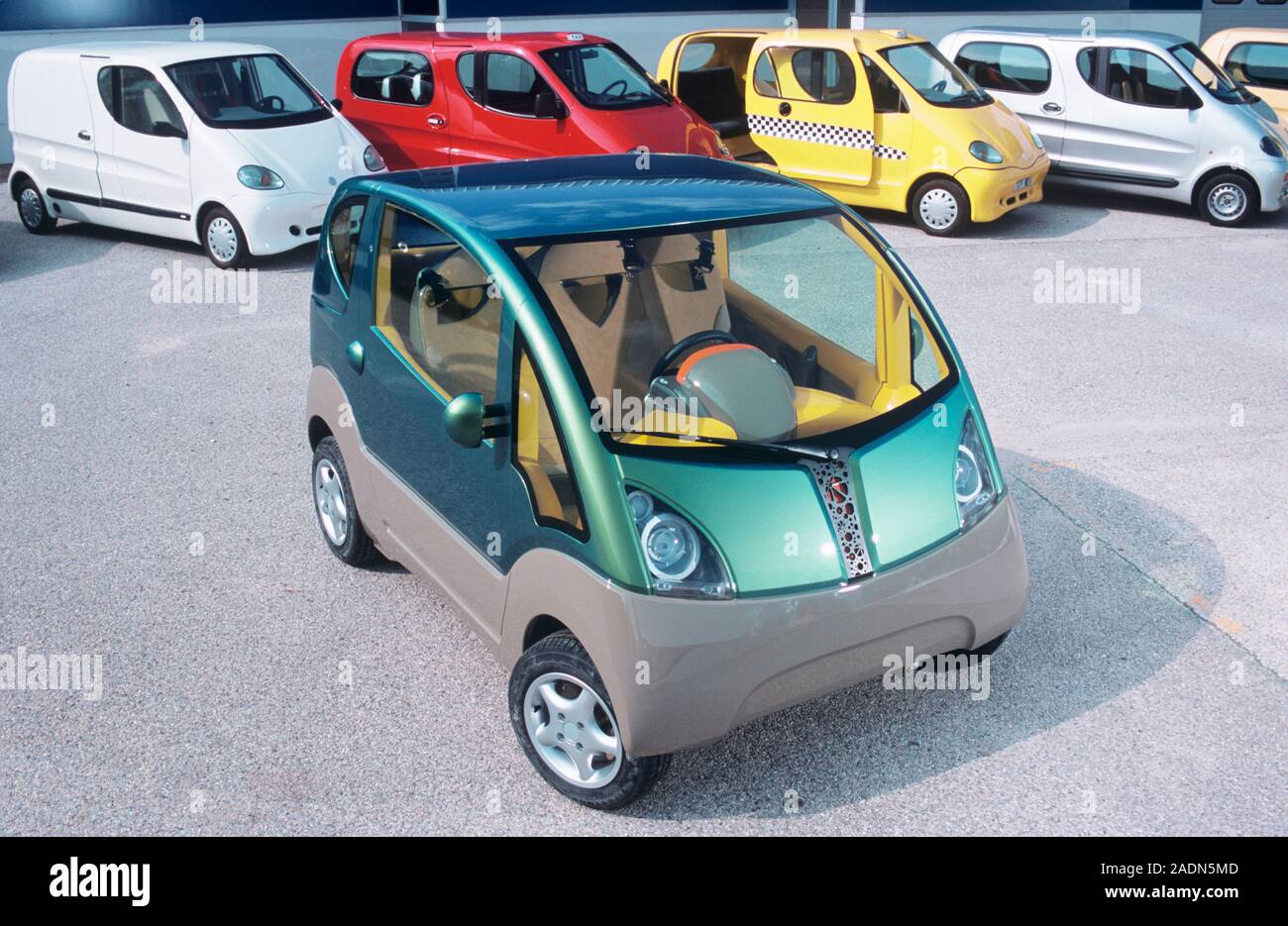
For decades, MDI has championed the "AirPod"—a small, three-wheeled urban commuter. The 2010s saw a high-profile partnership between MDI and Tata Motors, India’s automotive giant. While the commercial rollout faced numerous delays due to range limitations and the rising dominance of lithium-ion batteries, R&D has continued into 2026. Today, the focus has shifted from replacing long-distance passenger cars to solving the "last-mile" logistics problem and providing low-cost urban mobility in high-density environments.
In 2026, we see air powered technology finding its footing in industrial applications—such as factory tugs and airport baggage handlers—where the ability to "refuel" in two minutes by simply connecting to a high-pressure compressor outweighs the energy density advantages of heavy battery packs.
Technical Advantages of Pneumatic Energy Storage
While battery electric vehicles (BEVs) are the current market leaders, compressed air technology offers several distinct advantages that keep it relevant in the 2026 energy landscape.
1. Tank Longevity and Sustainability
The most significant advantage of air powered cars is the lifecycle of the energy storage system. Lithium-ion batteries degrade over time, typically losing significant capacity after 1,000 to 2,000 charge cycles. In contrast, a carbon fiber air tank can withstand tens of thousands of cycles (filling and emptying) without any degradation in storage capacity. Furthermore, these tanks do not require rare earth metals like cobalt, nickel, or lithium, making the end-of-life recycling process far more environmentally friendly.
2. Rapid Refueling
Charging a BEV, even with a DC fast charger, usually takes 20 to 40 minutes to reach 80% capacity. An air powered car can be refilled at a specialized high-pressure station in approximately two to three minutes. For fleet operators and taxi services, this reduction in downtime is a critical economic factor.
3. Lower Manufacturing Costs
The mechanical simplicity of a pneumatic motor—which requires fewer moving parts and no complex cooling jackets or exhaust systems—allows for lower production costs. In 2026, the estimated manufacturing cost of a small-scale air engine is significantly lower than that of a high-capacity battery pack and electric drivetrain.
Major Challenges and Engineering Hurdles
Despite the benefits, the path to mass-market adoption of air powered cars faces substantial physics-based obstacles.
Energy Density Comparisons
The primary "enemy" of the air powered car is energy density. Compressed air simply does not hold as much energy per kilogram as gasoline or lithium-ion batteries. To achieve a range of 100 miles, an air car requires a very large, high-pressure tank, which consumes cabin space and adds weight. In 2026, the most efficient air powered cars are limited to city-only use, with ranges typically hovering between 60 and 80 miles (100–130 km) on a single fill.
Thermal Efficiency Losses
Energy is lost twice in the compressed air cycle:
- Compression Heat: When air is compressed at a charging station, it gets extremely hot. Unless this heat is captured and reused, that energy is lost to the atmosphere.
- Expansion Cold: As the air expands in the car's engine, it gets cold, losing pressure potential.
These thermodynamic losses mean that the "well-to-wheel" efficiency of an air powered car is generally lower than that of a BEV. While a BEV might convert 80-90% of grid energy into motion, an air car often struggles to exceed 30-40% efficiency without complex (and expensive) heat recovery systems.
Comparative Analysis: Air Powered vs. Battery Electric Vehicles
The following table compares the key metrics for a standard urban air powered vehicle versus a comparable entry-level BEV as of 2026.
| Feature | Compressed Air Vehicle (CAV) | Battery Electric Vehicle (BEV) |
|---|---|---|
| Refueling/Charging Time | 2–5 Minutes | 30 Minutes – 8 Hours |
| Typical Urban Range | 60–90 Miles | 150–300 Miles |
| Energy Storage Lifespan | 20+ Years (No degradation) | 8–12 Years (Capacity fades) |
| Environmental Impact | Very Low (No toxic metals) | Moderate (Lithium/Cobalt mining) |
| Energy Density | ~30–60 Wh/kg | ~250–300 Wh/kg |
| Operating Cost | Low (Compressed air is cheap) | Low (Electricity is cheap) |
| Infrastructure | Minimal (Requires HP compressors) | Widespread (Public charging grids) |
Environmental Impact and the "Zero Emission" Claim
Air powered cars are often marketed as "zero emission," but this requires nuance. While the vehicle itself emits only cold air from its tailpipe, the overall environmental footprint depends entirely on the source of the energy used to run the air compressor.
If the compressor is powered by a coal-fired power plant, the air car essentially runs on coal. However, in 2026, the proliferation of localized solar and wind arrays has changed the equation. Compressed air is an excellent medium for energy storage. Small-scale urban hubs can use excess solar energy during the day to run compressors, storing the energy as high-pressure air that is then dispensed to vehicles. This decentralized approach bypasses the need for large-scale battery storage at charging stations, reducing the overall demand for mined minerals.
Leading Manufacturers and Prototypes in 2026
Several companies continue to push the boundaries of pneumatic transport. While many projects remain in the prototype or small-batch production phase, they represent the "state of the art" for 2026.
- MDI (Motor Development International): Based in Luxembourg and France, MDI remains the leader. Their AirPod 2.0 is currently being tested in several European "smart cities" for use in car-sharing programs. Its lightweight composite body and joystick steering make it a dedicated urban tool rather than a traditional car.
- Tata Motors: The Indian automotive giant maintains its license for MDI technology. While they have not yet launched a mass-market consumer air car, they have integrated compressed air auxiliary systems into their commercial vehicle lineup to improve fuel efficiency.
- Zero Pollution Motors (ZPM): As the U.S. licensee for MDI technology, ZPM has focused on bringing the AirPod to the American market, specifically targeting gated communities, university campuses, and corporate parks where low speeds and short distances are the norm.
Safety Considerations: High-Pressure Risks
A common concern regarding air powered cars is the safety of the high-pressure tanks. Critics often worry that a high-speed collision could cause the tank to explode like a bomb.
However, safety testing by organizations like the National Highway Traffic Safety Administration (NHTSA) on similar Compressed Natural Gas (CNG) tanks suggests these fears are largely unfounded. The carbon fiber tanks used in 2026 air cars are designed to split rather than shatter. In the event of a catastrophic structural failure, the tank undergoes a controlled "fast leak" rather than a fragmenting explosion. Furthermore, because air is non-flammable, the risk of a post-crash fire is virtually eliminated—a significant advantage over both gasoline and lithium-battery vehicles, the latter of which can suffer from "thermal runaway."
Future Outlook: The Role of Hybrids
The most promising application of air technology in 2026 may not be purely pneumatic cars, but rather Air-Hybrid systems. Companies like Bosch and the defunct PSA Group (now part of Stellantis) previously explored "Hybrid Air" systems that used a hydraulic pump and an air accumulator to store energy usually lost during braking (regenerative braking).
In 2026, we see a resurgence of this concept in heavy-duty urban transport, such as delivery trucks and buses. These vehicles use compressed air to provide the initial "torque boost" needed to get a heavy vehicle moving from a dead stop, which is the most energy-intensive part of urban driving. By using air for the first 10-15 seconds of acceleration, these hybrids significantly reduce the strain on the primary engine (whether electric or internal combustion) and increase overall efficiency.
Frequently Asked Questions
Can I fill an air powered car with a standard home tire compressor?
Technically, yes, but it is not practical. A standard home compressor typically maxes out at 100–150 psi, whereas an air car tank requires 3,000–4,500 psi. Filling a vehicle with a home unit would take several days. To refuel at home in a reasonable timeframe (4–6 hours), you would need a high-pressure multi-stage compressor, which is a significant investment.
How much does it cost to "refill" the tank?
In 2026, the cost of electricity required to compress the air for a full tank is estimated to be between $2.00 and $5.00, depending on local utility rates. This makes the "fuel" cost significantly lower than gasoline and comparable to or slightly higher than charging a BEV, depending on the efficiency of the compressor used.
Is the range affected by weather?
Yes. Compressed air is highly sensitive to temperature. In very cold climates, the air in the tank stays denser, but the expansion process in the engine is less efficient because there is less ambient heat to draw from. Conversely, in hot weather, the air expands more vigorously, potentially slightly increasing efficiency, although the compressor must work harder to fill the tank to the required pressure.
Are air powered cars legal on highways?
Most current 2026 models, like the AirPod, are classified as "neighborhood electric vehicles" (NEVs) or "quadricycles" rather than full-sized passenger cars. They are generally limited to top speeds of 45–50 mph (70–80 km/h) and are intended for city streets and urban zones rather than high-speed interstate travel.
Why haven't air cars replaced electric cars?
The primary reason is energy density. A lithium-ion battery can store more energy in a smaller, lighter package than a compressed air tank. This allows BEVs to travel 300+ miles, whereas air cars are currently capped at under 100 miles. For most consumers, the "range anxiety" associated with air cars outweighs the benefits of faster refueling.
Summary and Practical Recommendations
Air powered cars in 2026 represent a specialized solution for a specific problem: low-cost, sustainable, short-range urban mobility. They are not intended to be "road trip" vehicles, but they excel in environments where downtime must be minimized and battery recycling is a concern.
If you are considering an air powered vehicle:
- Evaluate your range needs: Only consider these vehicles if your daily round-trip commute is under 40 miles.
- Check local infrastructure: Ensure there are high-pressure air filling stations in your area, as home compression is currently inefficient.
- Industrial use: If you manage a warehouse or a closed-campus fleet, air powered tugs and commuters offer superior longevity and lower maintenance costs compared to electric alternatives.
As urban centers continue to tighten emissions regulations and seek alternatives to the environmental toll of battery mining, compressed air remains a vital, if niche, piece of the green transport puzzle.