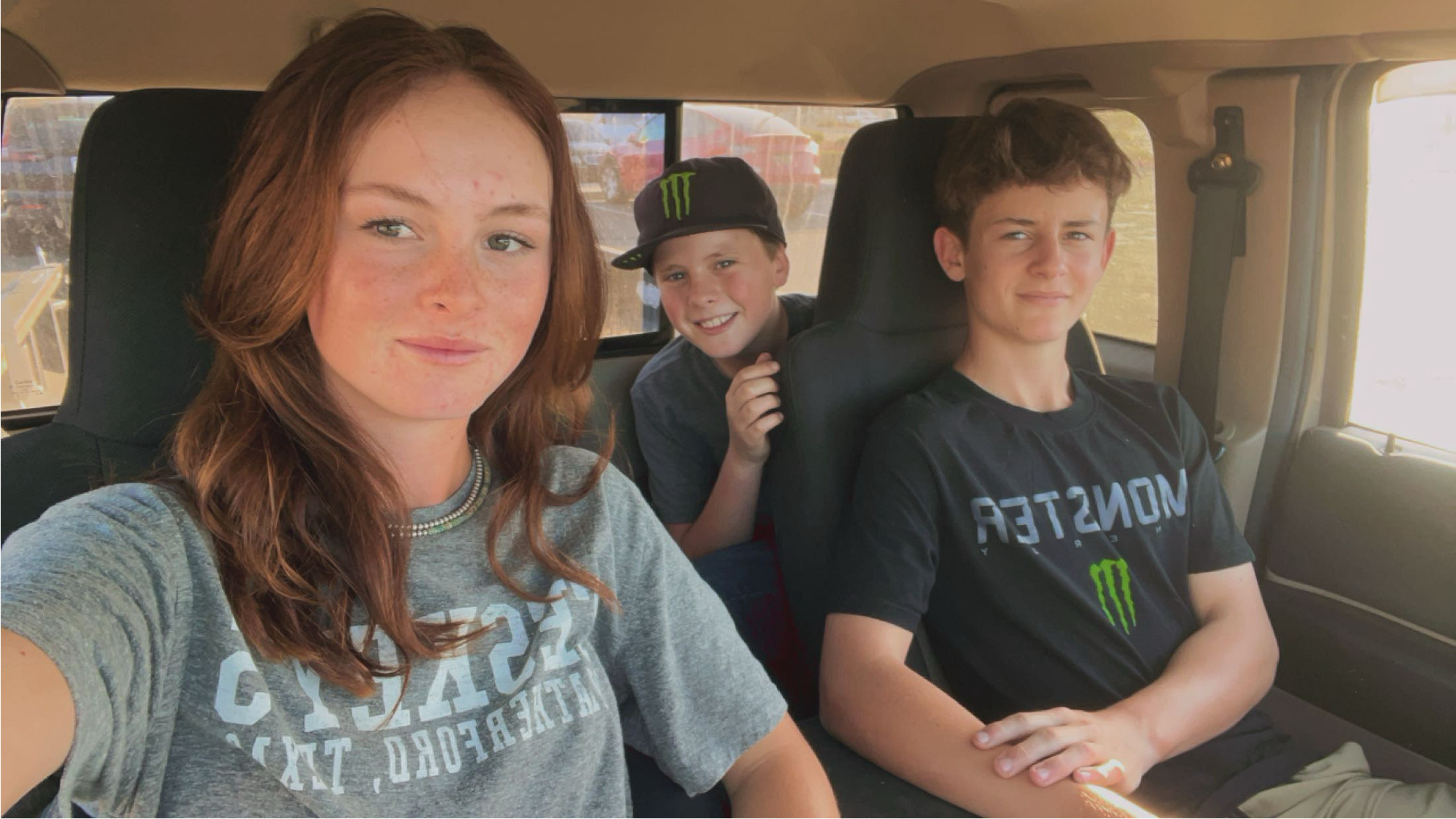
Aidan Zingg’s family business dynamics are defined by a collaborative, high-performance structure designed to support his professional motocross and supercross career. This "family business" model integrates parental management, specialized technical support, and strategic brand development, allowing the athlete to navigate the transition from elite amateur ranks to the professional circuit within a trusted, insular environment.
The professionalization of youth sports has transformed the traditional family unit into a sophisticated business entity. In the world of motocross, where the path to a factory contract is narrow and fraught with financial risk, the Zingg family represents a modern blueprint for how independent athletes can compete at the highest levels. By 2026, the dynamics of this family business have evolved beyond simple trackside support into a comprehensive management operation that handles logistics, sponsorship acquisition, physical training, and digital media presence.
The Foundation of the Zingg Family Business Model
At its core, the business dynamics surrounding Aidan Zingg are rooted in a "support-first" philosophy. Unlike corporate management agencies that oversee dozens of athletes, a family-run business model prioritizes the long-term health and career longevity of the individual. This dynamic is essential in a high-risk sport like motocross, where injury and burnout are constant threats.
The family business structure typically divides responsibilities among key members. One parent often assumes the role of the "Program Manager," handling the grueling logistics of the racing calendar—which in 2026 involves cross-country travel for the Supercross and Pro Motocross seasons. This role includes managing travel visas (if competing internationally), coordinating with the American Motorcyclist Association (AMA), and ensuring the athlete meets all eligibility requirements for professional licensing.
The other primary dynamic involves the "Technical Lead." In the Zingg household, this often translates to the management of "Zingg Performance" or similar technical initiatives aimed at optimizing equipment. In the 2026 landscape, bike technology has become increasingly sophisticated, with electronic fuel injection tuning and data acquisition becoming standard even for privateer-supported efforts. The family business must therefore act as a small-scale engineering firm, maintaining a fleet of competition-ready motorcycles.
Managing the Athlete as a Brand and Asset
In 2026, a professional athlete is no longer just a competitor; they are a digital media property. The Aidan Zingg family business dynamics include a heavy emphasis on brand equity. This involves the production of high-quality video content, social media management, and direct-to-consumer engagement.
Sponsorship and Revenue Streams
The financial dynamics of the family business are heavily dependent on sponsorship. While factory teams provide equipment and some salary, the "family office" must bridge the gap through private sponsors. This requires a professionalized approach to B2B (business-to-business) relationships. The Zingg family manages these dynamics by:
- Pitching Value Propositions: Moving beyond "stickers on a bike" to offering sponsors measurable digital reach.
- Contractual Compliance: Ensuring that all personal sponsors do not conflict with manufacturer-mandated partners.
- Asset Management: Tracking the ROI (Return on Investment) for equipment providers, such as helmet, gear, and boot companies.
The Professional-Amateur Transition
A critical phase in the family business dynamic is the "Road to Supercross." For Aidan Zingg, this involved navigating the transition from the Supercross Futures program to the full professional ranks. The family business acts as a buffer during this period, providing the stability needed when the athlete moves from the relatively controlled environment of amateur nationals to the high-pressure world of professional stadiums.
The Role of Parental Management in Motocross
The dynamic between a racing father and a racing son is one of the most complex in sports psychology. In the Zingg family, this is managed through a clear distinction between "Coach/Manager" and "Parent."
Professional racing requires a level of discipline that can strain domestic relationships. To mitigate this, successful family businesses like the Zinggs often bring in third-party consultants—such as riding coaches or physical therapists—to handle the most intense aspects of training. This allows the family dynamics to remain supportive rather than purely authoritative.
Division of Labor and Operations
Effective family business dynamics require a rigorous division of labor. If the boundaries are blurred, the operation can become inefficient. In a typical week for the Zingg program in 2026, the operational breakdown looks like this:
| Role | Responsibility | 2026 Operational Focus |
|---|---|---|
| Athlete (Aidan) | Performance & Training | On-track testing, cardiovascular conditioning, and mental preparation. |
| Business Manager | Finances & Logistics | Managing travel budgets, entry fees, and sponsor reporting. |
| Technical Director | Equipment & Maintenance | Engine rebuilds, suspension valving, and parts inventory. |
| Media Coordinator | Brand Presence | Content capture at the track and managing social engagement. |
| Nutritionist/Health | Physical Recovery | Meal planning and monitoring biometrics for peak performance. |
Financial Dynamics and Cost Considerations
Running a professional racing program as a family business is an expensive venture. By 2026, the costs associated with a competitive season have risen due to inflation in fuel, parts, and specialized logistics. A privateer-plus effort (a family-run team with some manufacturer support) can easily exceed six figures in annual operating costs.
The family business must manage these costs through diverse revenue streams. This includes prize money, contingency programs (payments from manufacturers for high finishes), and personal appearance fees. The Zingg family dynamics are centered on maximizing these opportunities while minimizing waste. For example, maintaining their own workshop and doing the majority of the mechanical labor "in-house" is a key strategy for maintaining financial viability.
Technical Specifications of a Modern Racing Business
The "business" of Aidan Zingg is supported by high-end hardware and software. In 2026, the dynamics of the pit area have changed. The family must manage:
- Data Acquisition Systems: Using sensors on the bike to track throttle position, brake pressure, and engine RPM. The family must analyze this data to provide feedback to the athlete.
- Telemetry Analysis: Modern motocross bikes often utilize wireless telemetry to provide real-time feedback during practice sessions.
- Logistical Software: Managing a calendar that spans 30+ weeks of racing requires professional-grade scheduling and inventory software to ensure parts arrive at the correct track on time.
Challenges in the Family Business Structure
Despite the benefits of trust and dedication, family business dynamics in professional sports face unique challenges. The most prominent is the "single-point-of-failure" risk. Because the business is built entirely around one individual (Aidan), an injury or a dip in form has immediate financial and emotional repercussions for the entire unit.
Furthermore, the "proximity bias" can sometimes hinder objective decision-making. If a family member is too close to the situation, they may struggle to see technical or physical deficiencies that a third-party manager would identify immediately. The Zingg family manages this by maintaining open lines of communication with industry experts and manufacturer representatives, ensuring their internal dynamics are tempered by external perspective.
The Future of Aidan Zingg and the Family Brand
As Aidan Zingg matures in his professional career through 2026 and beyond, the family business dynamic is likely to shift from a "support" model to a "legacy" model. This could involve the creation of a dedicated training facility, the management of other young riders, or the expansion of the "Zingg" brand into aftermarket parts or lifestyle apparel.
The success of this transition depends on the ability of the family to professionalize every aspect of their operation. By treating the racing effort as a corporate entity with clear KPIs (Key Performance Indicators) and strategic goals, they ensure that the business can survive and thrive regardless of the specific results on any given Sunday.
Frequently Asked Questions
What is the primary advantage of the family business model in motocross?
The primary advantage is the high degree of trust and alignment of interests. Unlike an external agent who might prioritize quick commissions, a family business is invested in the athlete’s long-term well-being and career sustainability. This leads to better decision-making regarding injury recovery and contract negotiations.
How does Aidan Zingg’s family manage sponsorships in 2026?
The family operates as a boutique sports marketing agency. They identify brands that align with Aidan’s personal values and create custom content packages. This professional approach allows them to secure multi-year deals that provide the financial stability necessary to compete at the professional level.
What roles do different family members play in the Zingg racing dynamic?
While specific roles can shift, the dynamic usually involves one parent focusing on the mechanical and technical side of the motorcycles, while the other handles the administrative, logistical, and nutritional aspects. Aidan focuses on the physical and mental requirements of being a top-tier athlete.
Is a family-run team competitive against factory teams?
In 2026, the gap between "privateer" family teams and "factory" teams has narrowed due to the availability of high-end aftermarket parts and data analysis tools. While factory teams have more resources, a well-run family business can be more agile and provide the athlete with a more personalized environment, which often leads to superior results.
What are the biggest risks for a family-managed athlete?
The biggest risks include financial strain if the athlete is injured and the potential for "burnout" due to the constant 24/7 nature of the family-business-sport relationship. Successful families mitigate this by scheduling "off-time" where racing talk is prohibited and by involving external professionals to handle coaching and medical needs.
Recommendations for Navigating Family Sports Dynamics
For families looking to emulate the Zingg model, the following actions are recommended:
- Define Roles Early: Create a written agreement or "operating manual" that defines who is responsible for what. This prevents friction during high-stress race weekends.
- Separate Church and State: Establish clear boundaries between family life and the racing business. Ensure there is time spent together that does not revolve around laptimes or bike setup.
- Invest in Professionalism: Even if the team is run out of a garage, the "look and feel" of the business should be professional. This includes professional invoicing, high-quality social media content, and a clean, organized pit presence.
- Prioritize Education: Especially for young riders like Aidan, the family business must ensure that the athlete’s education continues alongside their racing career. This provides a safety net and prepares the athlete for a life after racing.
- Utilize Data: Move away from "gut feelings" regarding bike setup and training. In 2026, the families that win are those that embrace data-driven decision-making.