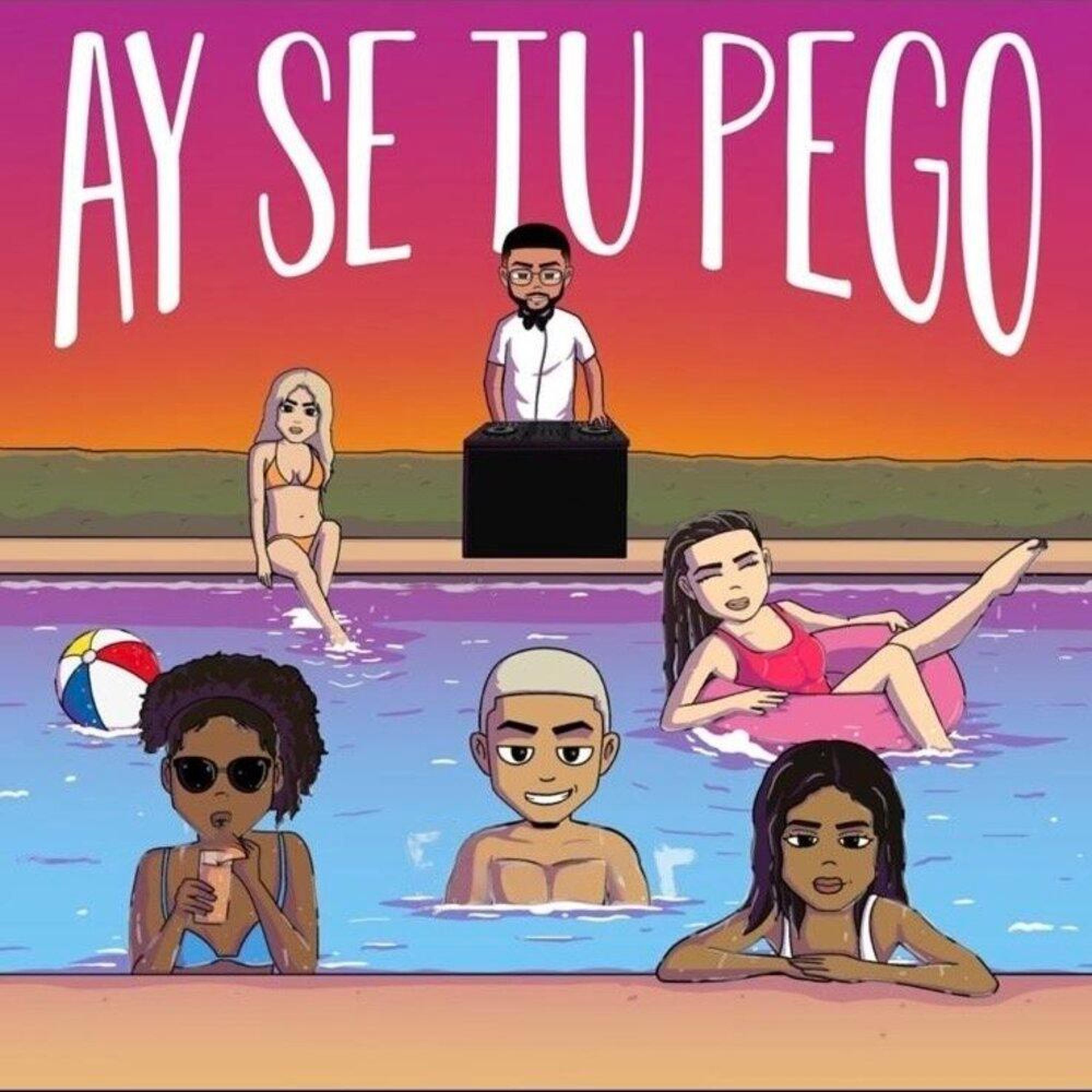
The phrase "Ai se tu pego" is the central hook of the international hit song "Ai Se Eu Te Pego," popularized by Brazilian singer Michel Teló. In English, the phrase translates to "Oh, if I catch you," carrying a flirtatious, playful, and suggestive meaning common in Brazilian Portuguese colloquialisms. Understanding this phrase requires looking past literal dictionary definitions to grasp the nuances of regional slang, musical context, and the cultural phenomenon that propelled this song to global prominence in 2011 and beyond.
Deciphering the Linguistic Components
To arrive at an accurate understanding of the "Ai se tu pego translation," one must deconstruct the sentence structure. Each word contributes to the emotional weight and intent of the lyric.
- Ai: An interjection expressing emotion, surprise, or exclamation. In this context, it serves as a way to draw attention, similar to "Oh" or "Wow" in English.
- Se: The conditional conjunction "if." It sets the stage for a hypothetical scenario.
- Tu: The informal second-person pronoun "you." It establishes immediate intimacy between the speaker and the listener.
- Pego: Derived from the verb pegar, which literally means "to catch," "to grab," or "to take." In the informal, romantic context of this song, it implies "getting with someone," "hooking up," or "making a move."
When combined, "Ai se eu te pego" (the grammatically corrected version of the popular shorthand "Ai se tu pego") is best translated as "Oh, if I catch you" or "Oh, if I get with you." It functions as an expression of desire, implying that if the opportunity arises, the speaker will initiate a romantic encounter.
Cultural Context and Regional Nuance
The phrase is deeply rooted in the sertanejo genre, a style of Brazilian country music. Sertanejo often explores themes of love, heartbreak, and social interactions in a direct, accessible manner. The slang pegar is a staple of Brazilian youth culture, used widely to describe flirting or casual sexual encounters.
The song's catchiness stems from its repetition of this phrase, which acts as a playful invitation. In Brazil, the lyrics are not seen as aggressive or predatory; rather, they are understood as galanteio—the art of charming someone or expressing attraction. The "if" (se) is crucial; it acknowledges that the act is a possibility dependent on the mutual interest of the other person, maintaining a lighthearted, dance-floor-ready energy rather than a serious proposal.
Evolution of the Song: From Local Hit to Global Phenomenon
The phrase gained international recognition primarily through the 2011 recording by Michel Teló. While the song existed in earlier versions by artists like Os Meninos de Seu Zeh and Cangaia de Jegue, Teló’s arrangement—characterized by its accordion-heavy vanerão rhythm—became a viral sensation.
The song's translation was not just linguistic but cultural. As it spread through social media, football players, and global radio stations, the "Ai se eu te pego" hook became a recognizable soundbite that did not require the listener to be fluent in Portuguese. The simplicity of the chorus allowed audiences in Europe, Asia, and North America to participate in the dance and the sentiment, even if they could only approximate the pronunciation of the lyrics.
Comparison of Interpretations
Translating colloquial song lyrics is rarely a one-to-one process. The table below illustrates how "Ai se tu pego" is interpreted across different contexts.
| Context | Translation | Nuance |
|---|---|---|
| Literal | "Oh, if I catch you" | Technically correct but loses the romantic connotation. |
| Colloquial (Brazil) | "If I get with you" | Reflects the common usage regarding flirting. |
| Functional (Song) | "Oh, if I could have you" | Captures the longing and playfulness of the lyrics. |
| Dance/Party | "Let's hook up" | Focuses on the social intent rather than the grammar. |
Addressing Misconceptions and Technicalities
A common point of confusion is the grammar. In standard Brazilian Portuguese, the phrase should be "Ai se eu te pego." The version "Ai se tu pego" is a common colloquial shortening. In linguistic terms, this is a form of syncope or ellipsis often found in regional dialects, where the subject eu (I) is dropped or swapped for tu (you) depending on the regional speaker's preference.
Despite the grammatical inconsistency, the meaning remains consistent across all regions of Brazil. When analyzing the translation, it is important to prioritize the pragmatic meaning—what the speaker intends to convey in a social interaction—over the syntactic structure.
Practical Guidance for Language Learners
For those interested in translating or understanding Portuguese lyrics, the case of "Ai se tu pego" offers several lessons:
- Prioritize Context: Never rely solely on a dictionary. If you search for "pegar" in a dictionary, you will find meanings ranging from "to catch a cold" to "to grab an object." None of these accurately describe the song's meaning without considering the romantic context.
- Acknowledge Colloquialism: Pop music often ignores formal grammar rules in favor of rhythm and ease of speech. Listen for how native speakers use the phrase in conversation to identify its social register.
- Cultural Equivalence: When translating, seek an English equivalent that shares the same cultural "weight." "If I get with you" is an appropriate translation because it carries the same level of casual, slightly flirtatious intent as the original Portuguese.
Frequently Asked Questions
Is the phrase "Ai se tu pego" considered offensive?
No, it is not considered offensive in Brazilian culture. It is widely used in romantic and social contexts as a lighthearted, playful way to express attraction. It is designed for dance clubs and social gatherings rather than formal or professional environments.
Why do some people write "Ai se eu te pego" and others "Ai se tu pego"?
The difference is a matter of dialect and formality. "Ai se eu te pego" is the standard, grammatically correct form. "Ai se tu pego" is a regional variation, often used in spoken language or informal writing, where the speaker may mix pronouns or simplify the verb structure for rhythmic flow. Both convey the exact same meaning.
Can "pegar" be used in other contexts?
Yes, the verb pegar is one of the most versatile in the Portuguese language. It can mean "to take" (a bus), "to catch" (a ball or a disease), "to grab" (an item), or, in the slang context of the song, "to make out with" or "to have a casual romantic encounter." Always look at the sentence subject and object to determine the specific meaning.
What is the best way to translate the song title?
While the title is often left untranslated due to its iconic status, the best translation for an English-speaking audience is "Oh, if I get with you." It captures both the exclamation and the flirtatious intent of the hook.
Does the song have a deep message?
No, the song is intentionally simple. It is categorized as sertanejo universitário, a genre that focuses on being catchy, danceable, and easy to sing along to. The "message" is purely about the excitement of flirting at a party.
Recommendation for Further Exploration
If you are researching this phrase to better understand Brazilian music or linguistics, start by listening to the various covers of the song. Hearing different artists—from traditional sertanejo groups to pop singers—will help you identify how the cadence of "Ai se eu te pego" changes based on the arrangement. Furthermore, if you are learning Portuguese, focus on mastering the verb pegar in its various forms, as it is foundational to understanding everyday Brazilian social interactions. By studying the song not just as a text, but as a component of Brazilian popular culture, you will gain a much deeper appreciation for why this simple three-word phrase became a global anthem.