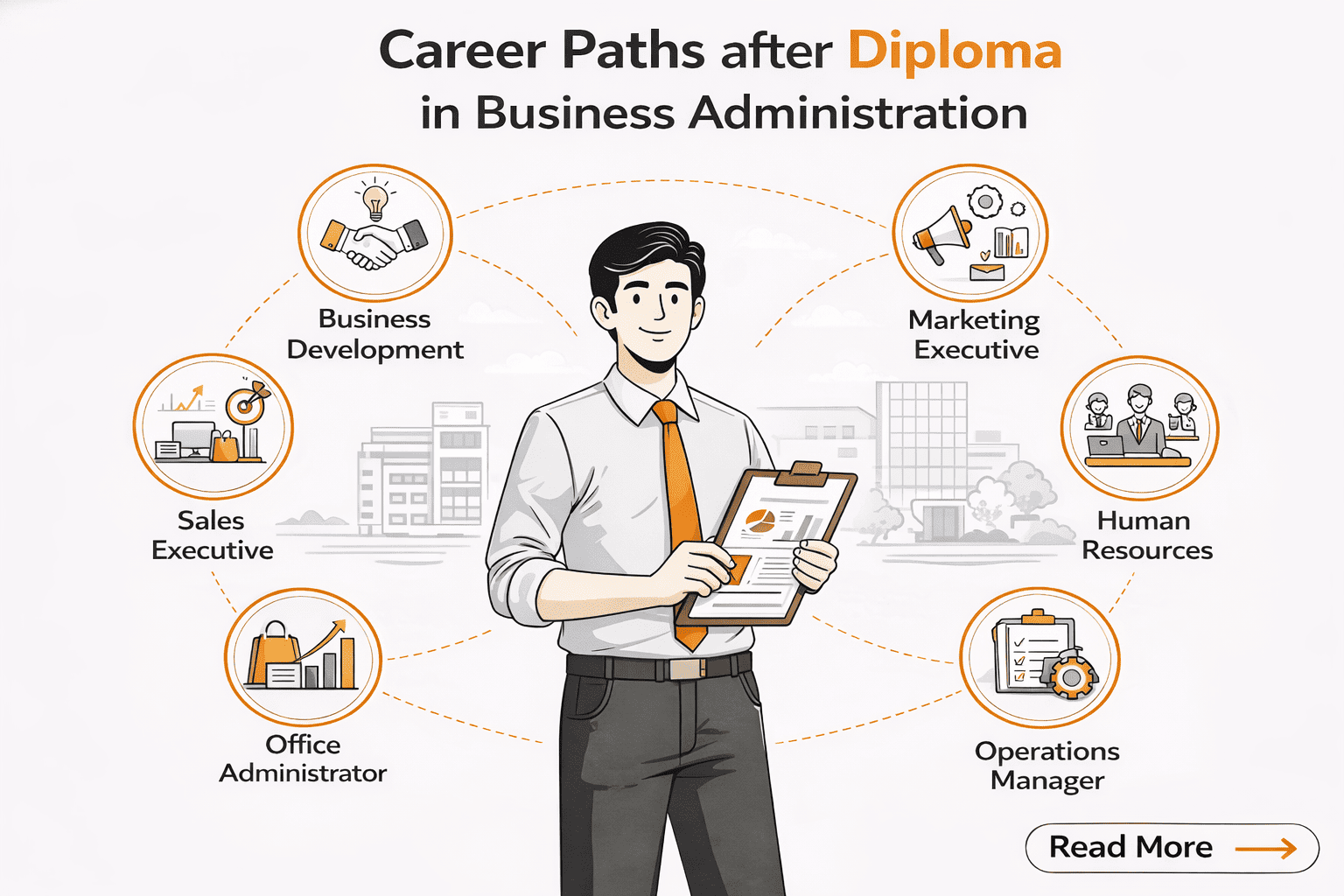
After completing a diploma, students typically pursue lateral entry into a bachelor’s degree (such as B.E. or B.Tech), obtain specialized professional certifications to bridge skill gaps, or enter the workforce through junior engineer and technical roles in the public or private sectors. The optimal path depends on your financial goals, field of study, and desired level of specialization.
The transition period following the completion of a polytechnic or vocational diploma is a critical juncture. In 2026, the global labor market increasingly values a blend of practical, "hands-on" experience and theoretical depth. While a diploma provides a strong foundation in technical execution, the choice to continue education or enter the workforce immediately involves weighing the opportunity cost of time against the potential for higher lifetime earnings. This guide explores the diverse trajectories available to diploma holders, focusing on academic advancement, professional certification, and strategic employment.
The Academic Path: Pursuing a Degree through Lateral Entry
For many diploma holders, the most logical next step is pursuing a university degree. In many jurisdictions, specifically within engineering and technology frameworks, diploma holders are eligible for "Lateral Entry." This system allows students to skip the first year of a four-year bachelor’s degree, admitting them directly into the second year (third semester).
Bachelor of Engineering (B.E.) and Bachelor of Technology (B.Tech)
The B.E./B.Tech path remains the gold standard for those in technical fields. By 2026, the curriculum in many top-tier universities has been updated to include modules on sustainability, AI integration, and systems management. Lateral entry students often find they have a practical advantage over their four-year counterparts because they have already spent three years focusing on the "how-to" aspects of their trade.
To qualify, candidates generally need a minimum aggregate score in their diploma (often between 45% and 60%, depending on the institution and category) and must clear state-level or university-specific entrance exams, such as the Lateral Entry Entrance Test (LEET). The primary benefit of this path is the significant increase in long-term career ceiling; many senior management and high-level design roles require a full degree for eligibility.
Bachelor of Vocation (B.Voc)
A newer but increasingly popular choice is the B.Voc degree. This program is designed to align higher education with the National Skills Qualification Framework (NSQF). Unlike traditional B.Tech programs, B.Voc courses are more flexible, offering multiple entry and exit points. If you are already working or need to balance a job with education, B.Voc programs in 2026 offer specialized tracks in areas like Renewable Energy, Software Development, and Advanced Manufacturing.
Transitioning to Non-Technical Degrees
Not every diploma holder chooses to stay in their original field. It is entirely possible to transition into a Bachelor of Business Administration (BBA) or a Bachelor of Science (B.Sc) in a related field like Information Technology or Data Analytics. This is a strategic move for those who wish to move into management or the service sector while leveraging their technical background as a secondary asset.
Professional Certifications and Short-Term Specializations
In 2026, the half-life of technical skills is shorter than ever. For diploma holders who do not wish to commit another three years to a full degree, short-term professional certifications offer a way to stay competitive and command higher salaries.
Specialized Technical Certifications
Depending on your branch, specific certifications can act as a force multiplier for your diploma:
- Mechanical/Civil: Proficiency in advanced CAD/CAM software, Building Information Modeling (BIM), or certifications in Non-Destructive Testing (NDT) can make a candidate immediately employable in high-end consultancy firms.
- Electrical/Electronics: Certifications in Programmable Logic Controllers (PLC), SCADA systems, or Embedded Systems design are highly sought after in the automation and robotics sectors.
- Computer Science/IT: Cloud architecture certifications (AWS, Azure, Google Cloud) or specialized cybersecurity credentials (CISSP, CEH) often carry more weight in the private sector than a generic degree.
Project Management and Quality Control
Many diploma holders find themselves in supervisory roles shortly after hiring. Taking a course in Six Sigma (Green or Black Belt), Lean Manufacturing, or obtaining a Junior Project Management certification can prepare you for leadership responsibilities. These certifications focus on the "choices" aspect of your career—moving from the person who executes a task to the person who manages the process.
Employment Opportunities: Private vs. Public Sector
The choice to enter the workforce immediately is often driven by a desire for financial independence or a preference for practical work over classroom learning. In 2026, the demand for skilled technicians and "middle-tier" engineering professionals remains robust.
Government and Public Sector Undertakings (PSUs)
For many, the ultimate goal after a diploma is a "Junior Engineer" (JE) position in the government. Agencies like the Railway Recruitment Boards (RRB), Staff Selection Commission (SSC), and various state-level Public Works Departments (PWD) conduct annual exams specifically for diploma holders.
The benefits of the public sector include:
- Job Security: High levels of tenure and protection against market volatility.
- Structured Growth: Clear promotional paths from Junior Engineer to Assistant Engineer and beyond, though reaching the highest levels may eventually require a degree.
- Allowances: Competitive base pay supplemented by housing, medical, and travel allowances.
The Private Sector and Industrial Roles
In the private sector, diploma holders often start as "Graduate/Diploma Engineer Trainees" (GETs/DETs). Multinational corporations in the automotive, construction, and tech industries value the specialized training provided in polytechnic institutes. In 2026, the focus has shifted toward "Industry 4.0" skills. Companies are looking for diploma holders who can operate smart machinery, manage IoT-enabled factory floors, and troubleshoot complex automated systems.
Comparative Overview of Post-Diploma Choices
Choosing between education and employment requires a clear understanding of the requirements and outcomes. The following table compares the most common paths available in 2026.
| Path | Typical Duration | Focus Area | Entry Requirements | Primary Outcome |
|---|---|---|---|---|
| B.E. / B.Tech (Lateral) | 3 Years | Theoretical & Design Depth | Diploma + Entrance Exam (LEET) | High-level Engineering & Management Roles |
| B.Voc Degree | 3 Years | Industry-Specific Skills | Diploma or 10+2 | Specialized Technician / Supervisor |
| Government Jobs (JE) | Permanent | Maintenance & Operations | Competitive Exam (SSC/RRB) | Stable Public Service Career |
| Short-term Certs | 3–12 Months | Niche Tech Skills | Diploma | Immediate Salary Hike in Private Sector |
| Study Abroad | 1–4 Years | Global Specialization | Diploma + IELTS/TOEFL | International Career Opportunities |
Strategic Considerations for 2026
When deciding which path to take, you must look beyond the immediate next step. The career landscape of 2026 is defined by adaptability.
The "Bridge" Strategy
If you are undecided, consider the bridge strategy: take a job in your field while simultaneously pursuing a part-time or distance-learning degree. Many universities now offer "Work Integrated Learning Programs" (WILP) designed specifically for diploma holders currently employed in the industry. This allows you to earn a salary while checking the box for a bachelor's degree, which will be necessary for promotions later in your career.
International Opportunities
Countries like Germany, Canada, and Australia have significant shortages of skilled technical workers. In 2026, many of these nations have streamlined "Skilled Worker" visas for those with diplomas in fields like HVAC, electrical systems, and civil construction. If your "choice" involves moving abroad, you will likely need to undergo a credential evaluation (like WES) and potentially take a specialized bridge course in the destination country to align your diploma with their local standards.
Entrepreneurship and the "Gig" Economy
The rise of specialized maintenance and consultancy startups has opened a new door for diploma holders. If you have a diploma in Civil Engineering, you could start a firm specializing in structural audits or green retrofitting. Those in IT can work as high-end freelance network security consultants. The practical nature of a diploma makes you more "business-ready" than many fresh university graduates who lack hands-on experience.
Avoiding Common Pitfalls
Many students make the mistake of choosing a path based solely on what their peers are doing. In 2026, the diversity of the economy means there is no "one size fits all" solution.
- Ignoring the Skill Gap: Do not assume that your diploma has taught you everything you need for a job. The industry moves fast. If you choose employment, continue to take micro-courses.
- Delaying the Degree Indefinitely: While a diploma gets you in the door, a lack of a degree can lead to a "glass ceiling" in your 30s. If you choose to work now, have a 5-year plan for how you will eventually obtain your degree.
- Neglecting Soft Skills: Whether you are in a degree program or a job, communication, teamwork, and digital literacy are non-negotiable. Technical prowess alone is no longer enough to secure a top-tier career.
Frequently Asked Questions
Can I get a high-paying job immediately after a diploma without a degree?
Yes, but it typically requires specialized certifications in high-demand areas like cybersecurity, specialized welding (e.g., underwater or high-pressure), or advanced automation. While starting salaries for diploma holders are generally lower than for degree holders, those with niche skills can often out-earn generalist engineers in the first few years of their careers.
Is lateral entry into B.Tech difficult for diploma students?
The academic transition can be challenging because B.Tech programs often focus heavily on advanced mathematics and physics in the second and third years, which may have been covered more superficially in a diploma course. However, most universities offer bridge courses to help lateral entry students catch up on these theoretical foundations.
Which government jobs are best for diploma holders in 2026?
The "best" jobs are typically found in the Staff Selection Commission (SSC) Junior Engineer category and the Railway Recruitment Boards (RRB). These positions offer the best balance of salary, stability, and work-life balance. Additionally, state-run power corporations and water boards are major recruiters for diploma graduates.
Can I move into management with only a diploma?
It is possible to move into frontline supervisory roles, but a transition into mid-to-senior management almost always requires further education, such as a BBA, a B.Tech, or eventually an MBA. In 2026, many companies value "Techno-Managers," so having a diploma foundation followed by a management degree is a highly effective career combination.
What is the importance of the National Credit Framework (NCrF) for my choices?
The NCrF allows for smoother transitions between vocational and academic education. If you completed a diploma, you have earned specific "credits" that can be transferred toward a degree. This makes the "path" between a diploma and a degree much more formal and easier to navigate than in previous decades.
Practical Recommendation
If your financial situation allows, the Lateral Entry B.Tech path is the most recommended choice for long-term career stability and growth. It effectively "upgrades" your practical diploma into a professional degree, giving you the best of both worlds. However, if you need to start earning immediately, prioritize Public Sector (Junior Engineer) exams or specialized private-sector certifications in Industry 4.0 technologies. Whatever you choose, ensure you remain a lifelong learner; the technical landscape of 2026 rewards those who can pivot and adapt their skills to new technological demands.