Navigating adult education mold remediation opportunities in Gainesville, Florida, requires understanding local certification standards, vocational training pathways, and state regulatory guidelines. Whether you are seeking to change careers, comply with Florida mold legislation, or advance your property management skills, acquiring professional remediation training provides the essential technical foundation needed to safely identify, contain, and eliminate indoor fungal growth.
Understanding Mold Remediation Training in Gainesville, Florida
Gainesville, home to major educational institutions like the University of Florida and Santa Fe College, offers unique professional development landscapes for residents looking to enter the environmental services sector. While adult education in mold remediation does not typically occur through a traditional four-year degree program, it is widely accessible via vocational schools, technical institutes, independent training providers, and continuing education units (CEUs).
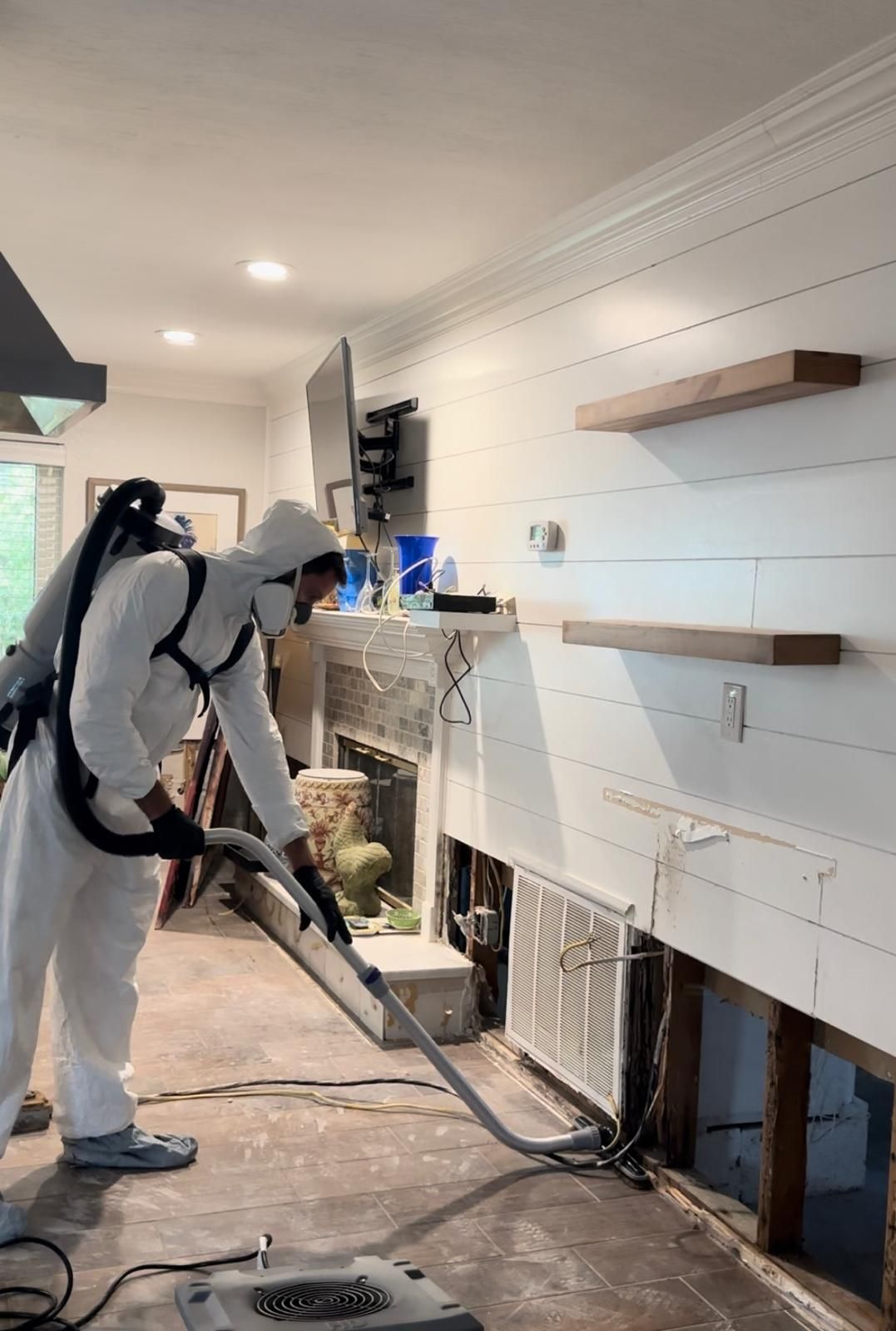
For adult learners, these programs are designed to bridge the gap between basic indoor air quality awareness and high-level technical execution. Mold remediation is not merely about cleaning visible stains; it is a scientifically rigorous process governed by strict protocols. Proper training teaches students how to interpret indoor environmental professional (IEP) protocols, utilize personal protective equipment (PPE), operate negative air pressure containment systems, and safely discard contaminated porous materials.
In Alachua County and the broader North Florida region, the demand for certified mold remediation professionals stems from subtropical humidity, frequent heavy rainfall, and hurricane-induced water damage. Understanding how these environmental factors accelerate fungal proliferation is a core competency taught in local and state-approved adult education courses.
Regulatory Framework: Florida Mold Licensing Laws
Before enrolling in any adult education mold remediation program in Gainesville, prospective students must understand the legal framework enforced by the state. Florida is one of a select few states that legally regulates mold-related services through the Florida Department of Business and Professional Regulation (DBPR) under Florida Statute Chapter 468 Part XVI.
The state draws a strict legal distinction between two primary disciplines:
- Mold Assessment: Performing inspections, investigating moisture sources, gathering samples, and creating a remediation protocol.
- Mold Remediation: The actual physical removal, cleaning, sanitizing, and demolition of mold-damaged building materials.
Crucially, Florida law prohibits the same individual or business entity from performing both mold assessment and mold remediation on the same property to prevent conflicts of interest. Consequently, adult education courses are explicitly tailored to either the assessor track or the remediator track.
State Licensing Prerequisites for Remediators
To obtain a state-issued Mold Remediator license in Florida, adult learners generally must meet the following statutory requirements:
- Be at least 18 years of age.
- Hold a high school diploma or equivalent.
- Complete a minimum of 16 hours of verifiable classroom training in mold remediation.
- Pass a state-approved licensing examination.
- Carry commercial general liability insurance of at least $1,000,000, which includes specific mold liability coverage.
- Provide proof of verifiable prior experience or hold qualifying credentials (such as specific construction or cleaning certifications).
Enrolling in an approved adult education course serves as the foundational first step toward satisfying the mandatory 16-hour education prerequisite required by the DBPR before taking the licensing exam.
Core Curriculum of Professional Mold Remediation Courses
A comprehensive adult education program in mold remediation goes far beyond basic cleaning techniques. It equips students with the scientific, technical, and regulatory expertise required to handle commercial and residential contamination safely. When evaluating training providers servicing the Gainesville area, look for curricula that align with industry standards established by the Institute of Inspection Cleaning and Restoration Certification (IICRC)—specifically the IICRC S520 Standard for Professional Mold Remediation.
Key Curriculum Modules
- Mycology and Microbiology Basics: Understanding mold biology, common indoor genera (such as Aspergillus, Penicillium, Cladosporium, and Stachybotrys chartarum), and the environmental conditions required for spore germination.
- Health Effects of Mold Exposure: Studying mycotoxins, allergenic and pathogenic responses, and occupational health hazards for both workers and building occupants.
- Containment and Engineering Controls: Learning how to build critical barriers, establish negative air pressure using HEPA-filtered air scrubbers, and prevent cross-contamination into clean zones.
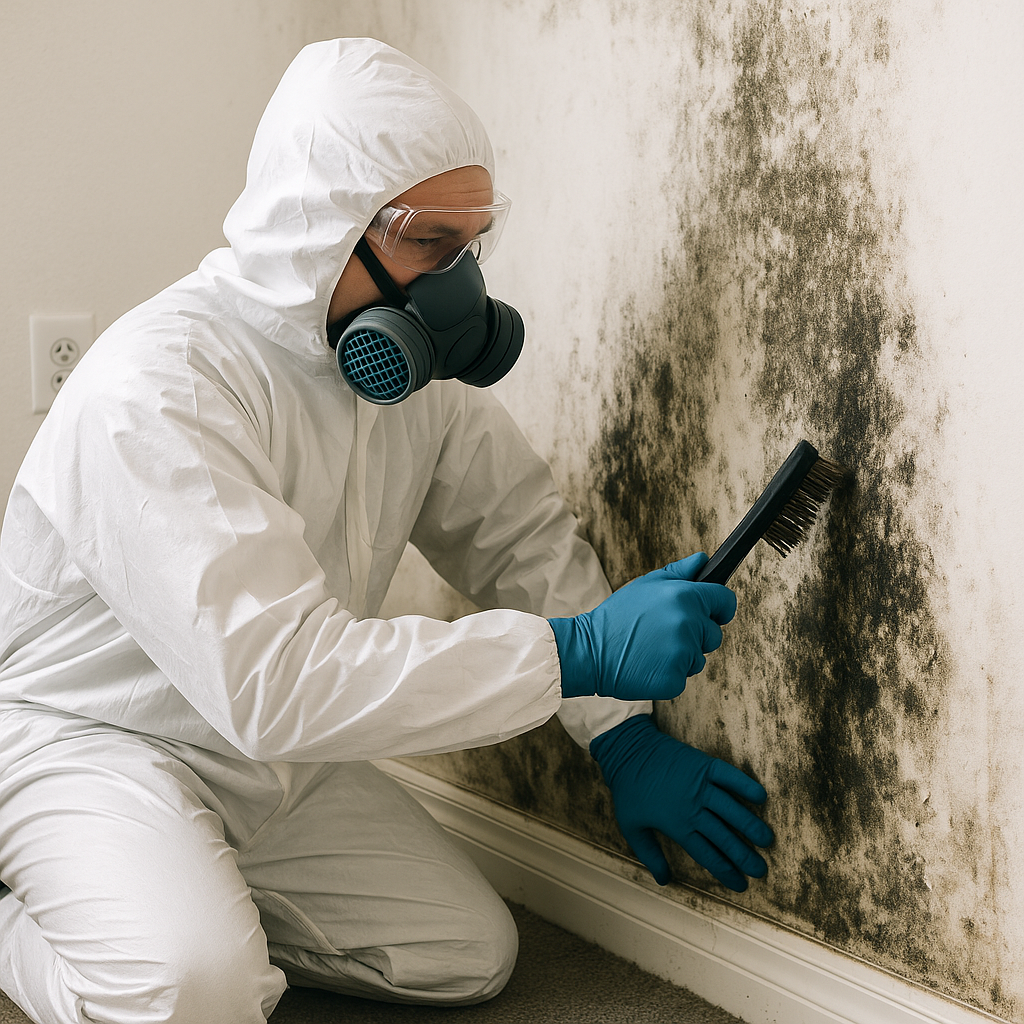
- Personal Protective Equipment (PPE): Proper selection, fit-testing, and usage of half-mask or full-mask respirators with P100 particulate filters, disposable coveralls, and eye protection.
- Remediation Techniques: Mastering physical removal, HEPA vacuuming, damp wiping, abrasive blasting, and chemical application while distinguishing between cleanable and non-cleanable materials.
- Post-Remediation Verification (PRV): Understanding how independent assessors evaluate the job site to ensure cleanliness criteria have been successfully met prior to containment teardown.
| Training Module | Core Focus Areas | Typical Course Hours |
|---|---|---|
| Introductory Mycology | Spore identification, growth cycles, moisture dynamics | 2 – 4 hours |
| Health & Safety Protocols | OSHA regulations, PPE selection, respiratory protection | 3 – 4 hours |
| Containment Engineering | Negative air units, physical barriers, airflows | 4 – 6 hours |
| Removal & Cleaning Methods | HEPA vacuuming, antimicrobial applications, demolition | 4 – 6 hours |
| Florida DBPR Compliance | Legal boundaries, licensing rules, conflict of interest laws | 2 – 3 hours |
Delivery Formats for Adult Learners in Gainesville
Adult learners often juggle full-time employment, family responsibilities, and financial commitments. To accommodate these schedules, training providers offer flexible delivery models tailored to non-traditional students in the Gainesville area.
1. Hybrid and Online Learning
Many theoretical components—such as legal regulations, biological science, chemistry of cleaning agents, and safety protocols—are delivered through asynchronous online modules. This allows students to complete coursework at their own pace. However, online-only courses are generally insufficient for state licensing on their own because practical mechanical skills require hands-on demonstration.
2. Hands-On Practical Workshops
Practical training requires in-person participation. Students must learn how to construct containment chambers, wear respirators correctly, and handle remediation equipment safely. While some local vocational providers offer these workshops directly in North Florida, students may occasionally need to travel to regional training centers in Jacksonville, Orlando, or Tampa for intensive weekend practical sessions.
3. Continuing Education and Corporate Training
For individuals already working in property maintenance, HVAC servicing, or general contracting in Gainesville, continuing education units (CEUs) help keep credentials active and up-to-date with evolving industry best practices outlined by organizations like the U.S. Environmental Protection Agency (EPA).
Evaluating Costs, Return on Investment, and Financial Aid
Investing in adult education for mold remediation involves upfront financial considerations, but it frequently opens doors to high-demand, lucrative career tracks within the property restoration industry.
- Course Tuition Costs: Initial certification and 16-hour preparatory training courses typically range from $400 to $1,200 depending on the provider, depth of curriculum, and inclusion of hands-on gear usage.
- State Licensing and Exam Fees: Applicants must factor in testing fees charged by the DBPR or designated testing vendors, alongside fingerprinting and background check costs.
- Insurance and Bonding: Once licensed, independent remediators must budget for specialized commercial liability insurance premiums, which vary based on business revenue and historical claims.
Adult learners should verify whether local workforce development boards—such as CareerSource North Central Florida—offer tuition assistance, grants, or vocational training vouchers for high-demand technical trades. Additionally, many established restoration companies in Gainesville cover or reimburse training costs for hired entry-level technicians.
Common Mistakes to Avoid When Entering the Field
Aspiring mold remediation professionals often encounter avoidable pitfalls during their training and early career development. Being aware of these missteps ensures smoother entry into the industry:
- Confusing Assessment and Remediation Certifications: Taking a course designed for mold assessment when your ultimate goal is physical cleanup (or vice versa) wastes time and money due to Florida's strict regulatory separation of duties.
- Neglecting Continuing Education: Regulations, safety equipment standards, and building science methodologies evolve. Failing to track rule updates from the Florida DBPR can lead to compliance violations.
- Underestimating Insurance Requirements: Operating without proper commercial general liability coverage that explicitly covers mold operations exposes business owners to severe legal and financial liabilities.
- Skipping Hands-On Practice: Relying solely on video-based instruction without experiencing real-world containment setup can leave technicians unprepared for complex job site variables.
Frequently Asked Questions
Do I need a college degree to work in mold remediation in Gainesville, Florida?
No college degree is required. Adult education mold remediation programs focus on vocational training, safety standards, and practical competencies. However, candidates must hold a high school diploma or equivalent to qualify for official state licensing.
Can I take mold remediation training entirely online?
While much of the regulatory and scientific theory can be learned online, comprehensive training usually requires hands-on practical components to satisfy professional standards and properly prepare students for real-world job sites.
How long does it take to complete a mold remediation training course?
Standard foundational training courses designed to meet Florida’s 16-hour educational prerequisite can typically be completed over a single intensive weekend or a few evening sessions spread across a couple of weeks.
Is a Florida mold license recognized in other states?
Florida has specific licensing statutes managed by the DBPR. While the technical skills and national certifications (such as those from the IICRC) are widely portable, state-mandated licenses do not automatically transfer to states with different regulatory frameworks without meeting their individual reciprocity or testing requirements.
What is the difference between mold remediation and mold removal?
While "removal" implies completely eradicating the fungus, complete biological removal of every microscopic spore from a porous building material is scientifically impossible. Therefore, the industry standard term is "remediation," which focuses on controlled containment, physical cleaning, sanitization, and returning the indoor environment to normal fungal ecology conditions.
Next Steps and Action Plan
If you are ready to pursue adult education mold remediation in Gainesville, Florida, your immediate action plan should begin with verifying current course schedules through accredited vocational trainers or state-approved providers. Review the specific prerequisites outlined by the Florida DBPR, secure necessary funding or employer sponsorship, and choose a curriculum that balances online theoretical learning with mandatory hands-on practical workshops. By meeting these milestones systematically, you position yourself for a secure, highly regulated, and essential career in indoor environmental restoration.