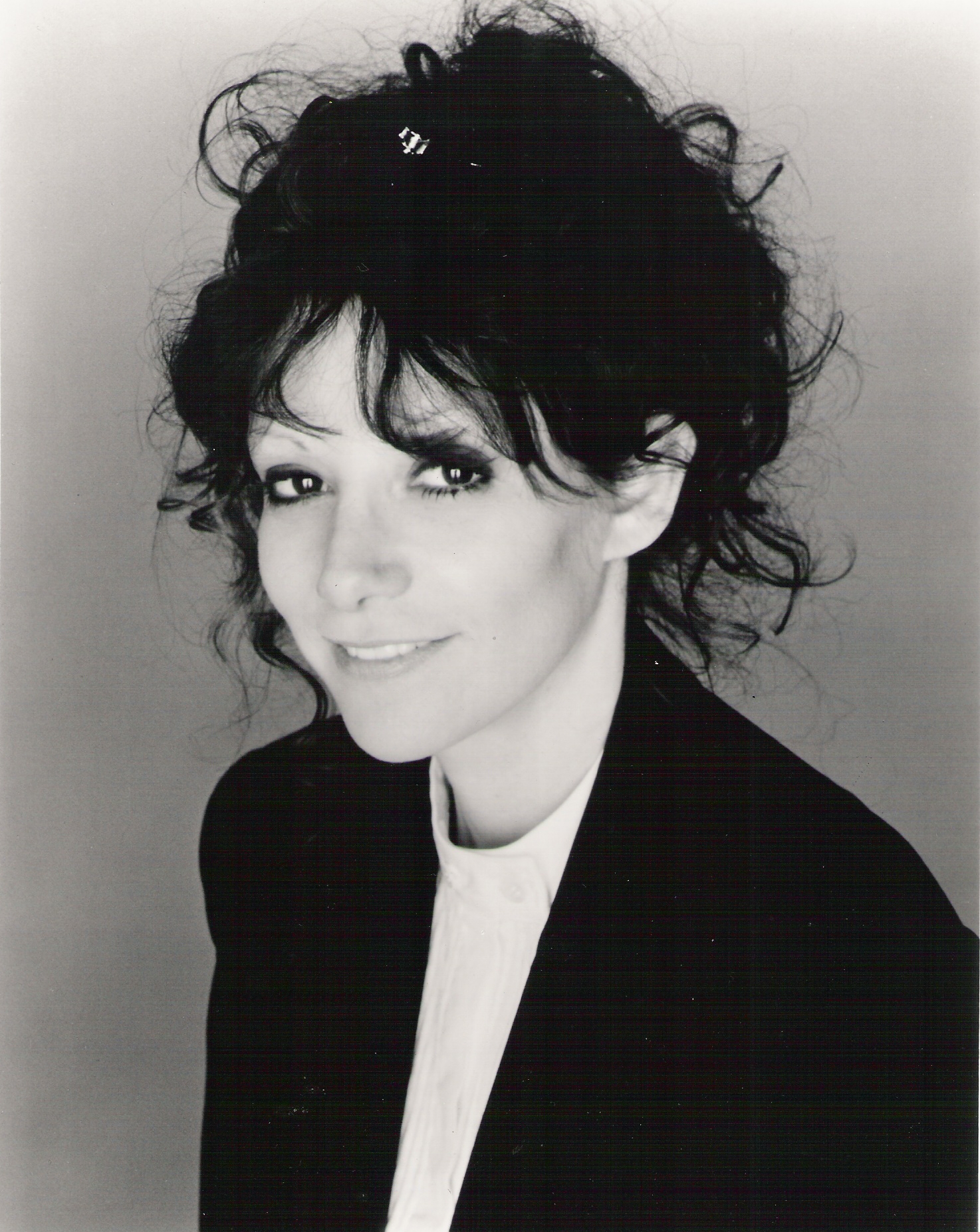
Amy Heckerling is a seminal American film director and screenwriter, most recognized for her transformative impact on the teen comedy genre and her rare commercial success as a woman in the 1980s and 1990s Hollywood studio system. Her work, including Fast Times at Ridgemont High and Clueless, redefined youth culture for multiple generations.
As we look back from the vantage point of 2026, Heckerling’s body of work remains a masterclass in social satire, linguistic innovation, and character-driven storytelling. While many directors attempt to capture the "voice of a generation," Heckerling succeeded by combining meticulous observation with a deep respect for the emotional stakes of adolescence. Her career spans over four decades, moving from the gritty, hormonal realism of the early eighties to the hyper-stylized, satirical brilliance of the mid-nineties.
Educational Foundations and Early Artistic Development
Amy Heckerling was born in the Bronx, New York, in 1954, and her upbringing in a Jewish family in the city significantly influenced the rhythmic, fast-paced dialogue that would later become her signature. Her path to the director's chair was paved through rigorous academic training at two of the most prestigious film institutions in the United States.
She initially studied film at New York University’s Tisch School of the Arts. During her time at NYU, she began honing her voice, focusing on short films that blended humor with starker realities. Following her graduation, she moved to Los Angeles to attend the American Film Institute (AFI) Conservatory. It was here that she produced her thesis film, Getting It Over With, which dealt with a young woman’s quest to lose her virginity. This short film was a precursor to the themes of burgeoning sexuality and social pressure that she would later explore in her feature films.
The transition from student to professional was notably rapid for Heckerling. At a time when female directors were a rarity in major studios, her AFI work caught the attention of executives who were looking for a fresh perspective on youth. This led to her being hired for her first major feature, a project that would change the trajectory of American cinema.
Redefining the Teen Genre: Fast Times at Ridgemont High (1982)
When Amy Heckerling was hired to direct Fast Times at Ridgemont High, the "teen movie" was often relegated to low-budget exploitation or overly sentimental dramas. Based on Cameron Crowe’s undercover reporting at a San Diego high school, the script required a director who could balance the raunchy humor of adolescent boys with the genuine anxieties of teenage girls.
Heckerling’s direction of Fast Times was revolutionary because of its refusal to judge its characters. She treated the abortion storyline of Stacy Hamilton (Jennifer Jason Leigh) with a matter-of-fact sobriety that was remarkably progressive for 1982. Simultaneously, she managed the comedic chaos of Jeff Spicoli (Sean Penn), creating a cultural icon in the process.
The film's success established Heckerling as a director who could deliver a box-office hit while maintaining an authentic, almost documentary-like feel for subcultures. The technical depth of the film lies in its pacing and the ensemble cast management—introducing the world to future stars like Nicolas Cage, Forest Whitaker, and Judge Reinhold.
The Mid-Career Pivot: Johnny Dangerously and Look Who's Talking
Following the success of her debut, Heckerling demonstrated her versatility by moving into genre parody and high-concept comedy.
Johnny Dangerously (1984)
In 1984, she directed Johnny Dangerously, a stylized parody of 1930s gangster films starring Michael Keaton. While the film was a departure from the realism of Fast Times, it showcased Heckerling’s love for linguistic play. The movie featured a unique "slang" where characters used substitute words for profanity, a creative constraint that Heckerling turned into a comedic asset. This fascination with the evolution of language would eventually culminate in her most famous work.
The Look Who’s Talking Phenomenon (1989)
In 1989, Heckerling wrote and directed Look Who’s Talking, a massive commercial success that grossed nearly $300 million worldwide. The film utilized a high-concept premise: a baby (voiced by Bruce Willis) providing a cynical, adult-like commentary on the lives of his single mother (Kirstie Alley) and her taxi-driver suitor (John Travolta).
From a technical standpoint, the film required complex synchronization between infant actors and voiceover recordings. Heckerling’s ability to weave a relatable romantic comedy into such a technical gimmick proved her skill as a commercial filmmaker. She also directed the first sequel, Look Who’s Talking Too (1990), further solidifying her status as one of the most profitable directors in Hollywood during that era.
The Cultural Zenith: Clueless (1995)
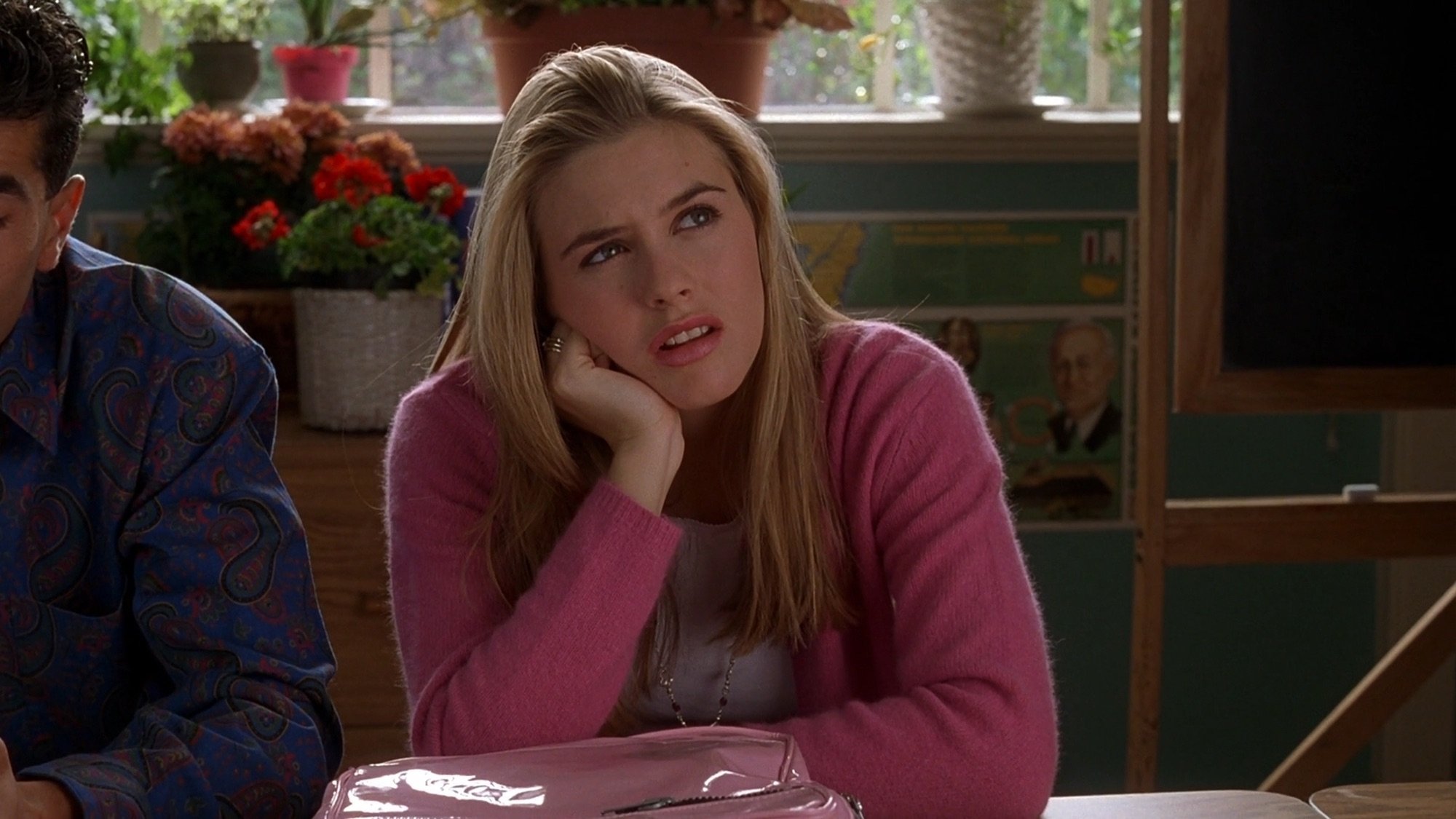
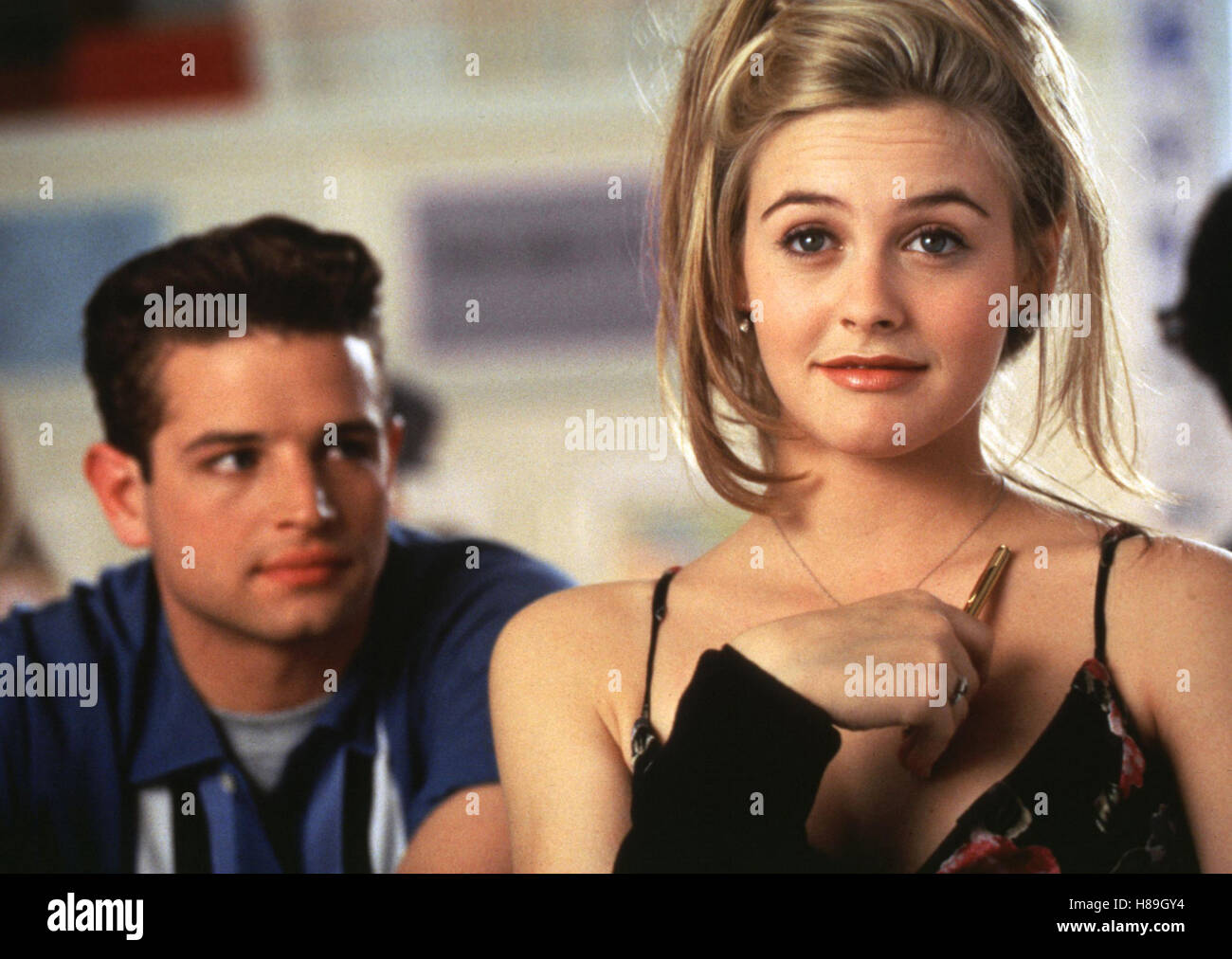
If Fast Times was the definitive look at the 80s, Clueless was the definitive look at the 90s. As both writer and director, Heckerling achieved a rare feat: she adapted Jane Austen’s 1815 novel Emma into a contemporary Beverly Hills setting so seamlessly that the story felt entirely fresh.
Narrative Architecture and Satire
Heckerling’s script for Clueless is frequently studied in screenwriting programs for its structure. She successfully translated the social hierarchies of Regency-era England into the cliques of a modern American high school. Cher Horowitz (Alicia Silverstone) became the perfect avatar for Austen’s "handsome, clever, and rich" heroine.
The film's satire was sharp but never cruel. Heckerling poked fun at the vapidity of the wealthy teenage lifestyle while simultaneously celebrating the genuine friendships and growth of her characters. This balance is difficult to achieve and is a testament to her nuanced approach to screenwriting.
The Linguistic Impact and Visual Identity
Heckerling spent significant time researching how teenagers talked at the time, but she also invented new slang to ensure the film felt ahead of the curve. Phrases like "As if!" and "Whatever!" entered the global lexicon largely due to her script.
Visually, Heckerling collaborated closely with costume designer Mona May to create a hyper-colored, aesthetic world. The use of vibrant plaids and high-fashion school wear was a deliberate rebellion against the "grunge" aesthetic that dominated the early 90s. This visual choice was a technical decision intended to make the film look like a "living comic book" or a candy-colored dream, which contributed to its enduring legacy in fashion.
Artistic Style and Directorial Techniques
Throughout her career, Amy Heckerling has maintained several consistent artistic signatures that distinguish her from her contemporaries:
- Anthropological Dialogue: Heckerling’s scripts often function as linguistic time capsules. She doesn't just record how people talk; she heightens it, creating a rhythmic, stylized version of speech that feels both authentic and theatrical.
- Soundtrack Integration: From the quintessential 80s rock of Fast Times to the Britpop and "mighty mighty bosstones" of Clueless, Heckerling uses music not just as background, but as a narrative tool to define her characters' social standing and emotional state.
- The "Female Gaze" in Comedy: Heckerling’s films often center on the female experience without being exclusionary. She explores female desire, friendship, and intellectual growth in a way that was often overlooked by her male counterparts in the comedy genre.
- Collaborative Casting: She has a renowned "eye" for talent, often casting actors who are on the cusp of stardom. Her sets are known for being environments where actors feel comfortable improvising within the structure of her tightly written scripts.
Filmography and Role Summary
The following table outlines the major feature film contributions of Amy Heckerling, highlighting her dual roles as a director and screenwriter.
| Year | Title | Role | Key Significance |
|---|---|---|---|
| 1982 | Fast Times at Ridgemont High | Director | Defined the 1980s teen film; launched multiple A-list careers. |
| 1984 | Johnny Dangerously | Director | Demonstrated command of genre parody and stylized dialogue. |
| 1985 | National Lampoon's European Vacation | Director | Proved her ability to handle major studio comedy franchises. |
| 1989 | Look Who's Talking | Director / Writer | Massive global box office success; utilized high-concept POV. |
| 1990 | Look Who's Talking Too | Director / Writer | Expanded the franchise; integrated complex child/voiceover tech. |
| 1995 | Clueless | Director / Writer | Culturally era-defining; masterclass in literary adaptation and satire. |
| 2000 | Loser | Director / Writer | Explored the "outsider" dynamic in a collegiate setting. |
| 2007 | I Could Never Be Your Woman | Director / Writer | Satirized the ageism of the Hollywood industry itself. |
| 2012 | Vamps | Director / Writer | Reunited with Alicia Silverstone; blended horror-comedy with social satire. |
Challenges and Advocacy in the Industry
Despite her commercial success, Heckerling’s career also reflects the systemic challenges faced by female directors. In various interviews throughout the 2000s and 2010s, she noted that after a male director has a hit, they are often given the keys to a massive franchise, whereas after she had a hit, she was often asked to do the same thing again or struggled to get more ambitious projects financed.
She has been a vocal advocate for the Directors Guild of America (DGA) and has participated in numerous panels regarding the "celluloid ceiling." Her resilience in a male-dominated industry has made her a foundational figure for the current generation of female directors, such as Greta Gerwig and Olivia Wilde, who cite her work as a primary influence on their own coming-of-age narratives.
Legacy and Influence as of 2026
As of 2026, the "Heckerling Aesthetic" is more relevant than ever. The resurgence of 1990s and early 2000s fashion (often termed "Y2K core") owes a massive debt to the visual language of Clueless. Beyond fashion, her influence is felt in the "smart teen" subgenre of television and film, where sharp dialogue and self-aware characters are now the standard.
Her work is frequently featured in retrospectives at institutions like the American Film Institute and The Academy of Motion Picture Arts and Sciences. The Clueless musical, which she wrote, continues to see successful runs globally, proving that her characters and their dilemmas are timeless, regardless of the medium.
Heckerling’s ability to capture the specific "vibe" of a moment while grounding it in universal human truths is why her films do not age in the same way many of her contemporaries' works do. She didn't just document the culture; she helped create it.
Frequently Asked Questions
Did Amy Heckerling write the script for Fast Times at Ridgemont High?
No, the screenplay for Fast Times at Ridgemont High was written by Cameron Crowe, based on his book of the same name. Heckerling directed the film, bringing her visual style and talent for ensemble management to the project. However, she did write the scripts for many of her other major hits, including Clueless and Look Who's Talking.
What is the connection between Clueless and Jane Austen?
Clueless is a modern-day adaptation of Jane Austen’s 1815 novel Emma. Heckerling kept the core plot points—a well-meaning but meddlesome young woman who fancies herself a matchmaker—and translated them into the social hierarchy of a 1990s Beverly Hills high school. The characters Cher, Dionne, Tai, and Josh correspond directly to Austen's Emma Woodhouse, Mrs. Weston, Harriet Smith, and Mr. Knightley.
Has Amy Heckerling directed any television shows?
Yes, Heckerling has had a significant career in television. She directed the pilot for the Clueless TV series (which she also executive produced) and has directed episodes of popular shows such as The Office, Gossip Girl, Red Oaks, and Royal Pains. Her television work often carries the same sharp, character-focused humor as her films.
Why is Clueless considered so important for fashion?
Heckerling and costume designer Mona May intentionally moved away from the drab, oversized grunge look of the mid-90s to create a more aspirational, feminine, and high-fashion aesthetic. By using over 60 costume changes for the lead character and incorporating luxury brands in a way that felt accessible to teens, they influenced the retail market for decades. The yellow plaid suit from the film remains one of the most iconic costumes in cinematic history.
What awards has Amy Heckerling won?
While frequently overlooked by the Academy Awards—a common occurrence for comedy directors—Heckerling has received significant industry recognition. She won a Crystal Award from Women in Film (1998) and received the Franklin J. Schaffner Alumni Medal from the AFI. In 2025, she was honored with several lifetime achievement awards at major film festivals for her contribution to American comedy.
Practical Recommendation for Students and Cinephiles
For those looking to study Heckerling's work, the best starting point is a double feature of Fast Times at Ridgemont High and Clueless. Observe how she handles the transition from 80s realism to 90s satire. Pay close attention to the use of "reaction shots"—Heckerling often finds the comedy in the face of the person listening to the joke, rather than the one telling it.
If you are an aspiring screenwriter, analyze the script for Clueless alongside Jane Austen's Emma. Note how Heckerling identifies the "function" of each character in the original text and finds a modern-day equivalent that feels organic rather than forced. This is the highest level of adaptation craft.