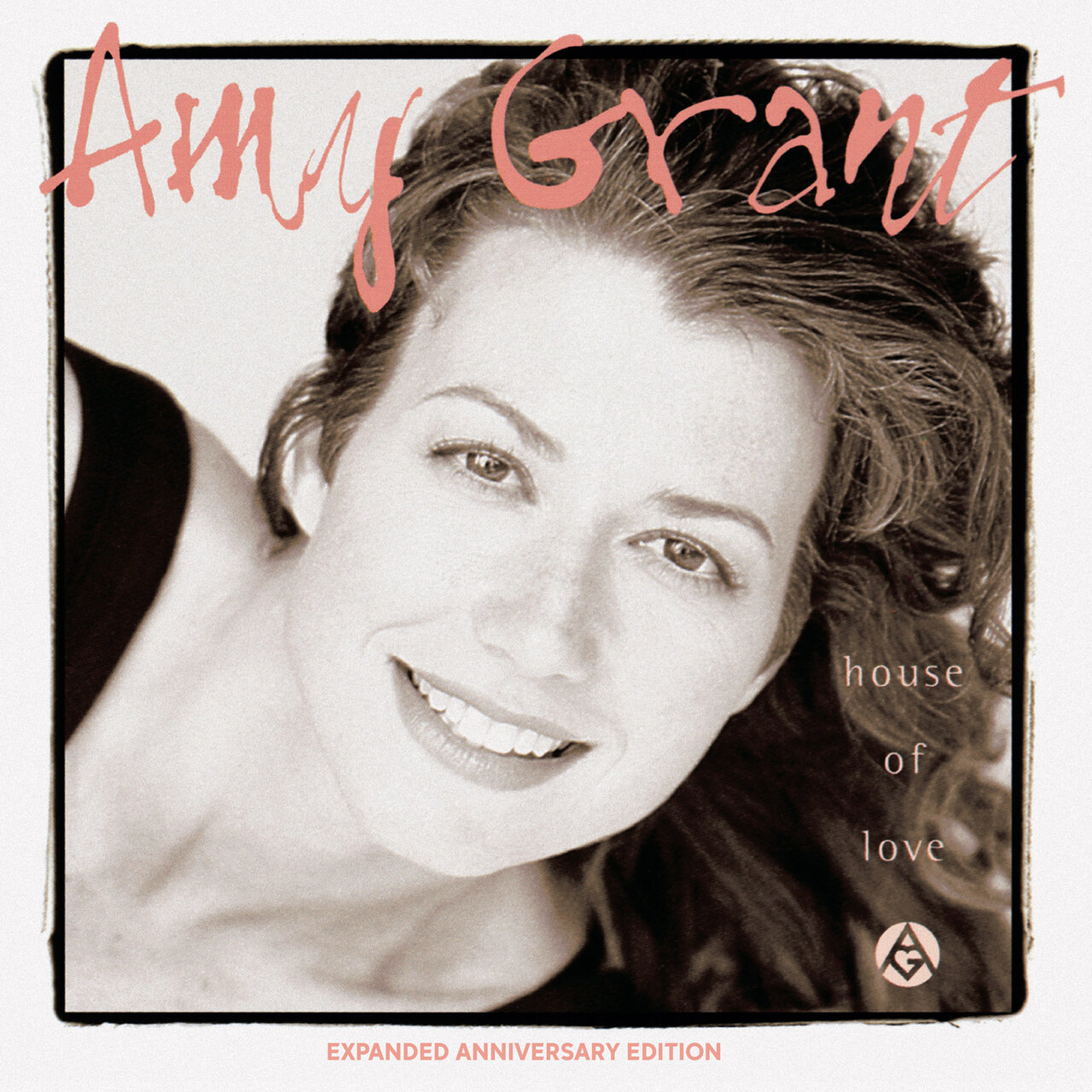
Amy Grant and Gary Chapman were once the quintessential "golden couple" of Contemporary Christian Music (CCM), defined by their massive professional collaborations and 17-year marriage. While their 1999 divorce sparked significant industry controversy, their individual paths and shared history continue to influence the landscape of faith-based and crossover music in 2026.
The Foundations of a Musical Partnership
The story of Amy Grant and Gary Chapman began in the late 1970s, a period when the Contemporary Christian Music genre was still finding its commercial footing. Amy Grant, a young singer with a distinctive, warm voice, was rapidly becoming the face of the movement. Gary Chapman was a talented songwriter and musician who possessed a keen ear for the melodic structures that would eventually bridge the gap between gospel and pop.
Their professional intersection was almost inevitable. In 1979, Chapman wrote the song "Father's Eyes," which became the title track of Grant's second studio album. The song was a massive success, establishing Grant as a legitimate star and Chapman as a premier songwriter within the Nashville circle. This professional synergy laid the groundwork for a personal relationship, leading to their marriage on June 19, 1982.
During the early years of their marriage, they were inseparable in the public eye. Chapman often toured with Grant, serving as her opening act, guitar player, and sometimes her stage manager. Their partnership was not merely romantic but foundational to the "Amy Grant brand" that would eventually dominate the 1980s. Together, they navigated the complexities of religious fame, where the pressure to maintain an image of domestic perfection was as intense as the pressure to produce hit records.
The Professional Peak and the Pressure of the "Golden Couple"
Throughout the 1980s, Grant and Chapman occupied a unique space in American culture. As Grant’s career moved toward a more mainstream pop sound with albums like Unguarded (1985) and the seminal Lead Me On (1988), Chapman remained a steadying force in her creative process. However, the dynamics of their relationship were increasingly strained by the very success they sought.
While Grant was becoming a global superstar, Chapman was building his own identity as a songwriter and, later, a television host. He hosted the popular TNN show Prime Time Country in the mid-1990s, showcasing his wit and musical versatility. Despite these individual successes, the public viewed them as a unit. In the CCM world of that era, they were the standard-bearers for Christian marriage, a role that both have since admitted was heavy and often performative.
The 1991 release of Heart in Motion catapulted Grant to the top of the Billboard charts with hits like "Baby Baby." This era marked a shift in her public persona, moving her further away from the strictly "religious" market. While the world saw a woman at the pinnacle of her career, the private reality was a marriage struggling under the weight of divergent paths and personal internal battles.
Navigating Irreconcilable Differences and the 1999 Divorce
The announcement of Amy Grant and Gary Chapman’s divorce in 1999 sent shockwaves through the Nashville community and the broader Christian world. To many fans, the split was more than just the end of a marriage; it felt like a breach of the unspoken contract between CCM artists and their audience.
The divorce proceedings cited "irreconcilable differences." In the years following the split, both parties have been candid about the difficulties they faced. Grant has spoken about the "long-term, persistent" issues in the marriage that years of counseling could not resolve. Chapman has also reflected on the period, noting that their personalities and life goals had drifted significantly over nearly two decades.
The fallout was significant. Grant faced backlash from conservative Christian outlets, some of which refused to play her music or carry her albums. This reaction highlighted the rigid expectations placed on Christian artists at the time. However, the divorce also prompted a broader conversation within the faith community about the reality of marital struggle and the limitations of the "perfect image" frequently projected by public figures.
Comparison of Career Milestones: Grant vs. Chapman
The following table outlines the key professional milestones for both artists during and after their marriage, illustrating their distinct but intertwined legacies.
| Period | Amy Grant Milestones | Gary Chapman Milestones |
|---|---|---|
| 1979-1982 | Released Father's Eyes; won first Grammy. | Wrote "Father's Eyes"; established as a top CCM songwriter. |
| 1985-1988 | Released Unguarded and Lead Me On; reached Platinum status. | Toured extensively with Grant; wrote hits for various CCM artists. |
| 1991-1996 | Heart in Motion goes 5x Platinum; "Baby Baby" hits #1. | Hosted Prime Time Country; released The Light Inside. |
| 1999-2000 | Filed for divorce; married Vince Gill (2000). | Finalized divorce; focused on solo recording and television. |
| 2008-2022 | Kennedy Center Honors (2022); continued "Christmas" tours. | Married Cassie Chapman (2008); hosted A Hymn a Week. |
| 2023-2026 | Continued legacy tours and philanthropic work. | Active in songwriting and niche broadcasting. |
The Children of Grant and Chapman
Despite the dissolution of their marriage, Grant and Chapman remained connected through their three children: Matthew, Gloria (known as Millie), and Sarah. Raising children in the spotlight of Nashville royalty presented its own set of challenges, particularly during the highly publicized divorce.
Matthew, the eldest, has largely remained out of the intense public spotlight, while Millie famously inspired the hit song "Baby Baby." Sarah, the youngest, was the subject of much of the family's transition as she was quite young when the parents separated. Today, in 2026, the Grant-Chapman children are adults with their own families, and both Amy and Gary have often expressed pride in how their children navigated the complexities of their family history. The co-parenting relationship, while difficult in the early years, eventually settled into a respectful distance, centered on the well-being of their offspring.
Life After the Split: Amy Grant and Vince Gill
In 2000, shortly after her divorce was finalized, Amy Grant married country music legend Vince Gill. The two had been friends since meeting in the early 1990s to record the duet "House of Love." Their relationship was the subject of much scrutiny, as many fans and critics speculated about the timing of their romance relative to Grant's divorce from Chapman.
Grant and Gill’s marriage proved to be exceptionally resilient. They became one of Nashville’s most beloved couples, known for their annual Christmas residencies at the Ryman Auditorium and their shared philanthropic efforts. For Grant, the marriage to Gill represented a "second act" characterized by a more relaxed approach to fame and a focus on emotional health. Their daughter, Corrina, born in 2001, further unified the blended family.
Gary Chapman’s Path Post-2000
Gary Chapman’s journey following the divorce was also transformative. After a period of personal reflection and a brief second marriage, Chapman married Cassie Chapman in 2008. This relationship brought a sense of stability to his life that he has frequently discussed in interviews.
In his later career, Chapman moved away from the high-pressure mainstream country and CCM markets, focusing instead on projects that allowed for more personal expression. He launched "A Hymn a Week," a digital project that resonated with fans of traditional faith music, and continued to host various programs that highlighted his strengths as a storyteller and musician. By 2026, Chapman is viewed as a respected elder statesman of the Nashville songwriting community, often mentoring younger artists on the pitfalls of early fame.
The Cultural Impact on the CCM Industry
The legacy of "Amy Grant and Gary Chapman" is more than just a story of a failed marriage; it is a case study in the evolution of the Contemporary Christian Music industry. Their split was a catalyst for change in how the industry and its fans handle the humanity of their idols.
- Deconstruction of the "Perfect Image": Before Grant and Chapman, the expectation for CCM artists was an unattainable standard of domestic bliss. Their divorce forced the industry to reckon with the reality that Christian artists face the same marital and personal struggles as anyone else.
- Creative Independence: The split allowed both artists to explore musical avenues that they might not have pursued within the confines of their partnership. Grant’s later work became more introspective and folk-influenced, while Chapman returned to his roots in hymns and traditional songwriting.
- Grace and Resilience: Over time, the narrative shifted from one of scandal to one of resilience. The fact that both Grant and Chapman found happiness and continued their careers for decades after the split provided a new model for navigating life after a public failure.
Reflection on their Collaborative Discography
Even decades later, the music created during the Grant-Chapman years remains some of the most influential in the genre. Songs like "Father's Eyes," "El Shaddai" (which Chapman championed), and the various tracks they co-wrote helped define the "Nashville Sound" of the 1980s. These works are still studied by songwriters for their structure, lyrical depth, and ability to convey complex spiritual themes through a pop lens.
The 1988 album Lead Me On is often cited by critics as one of the greatest Christian albums of all time. While Grant was the primary voice, Chapman’s influence on the production and the overall musical direction of that era was undeniable. The album’s themes of struggle, doubt, and perseverance seem, in retrospect, to mirror the internal tensions the couple was experiencing at the time.
Frequently Asked Questions
Why did Amy Grant and Gary Chapman get divorced?
The divorce was attributed to "irreconcilable differences." Both Grant and Chapman have since noted that they had fundamentally different personalities and had been struggling with deep-seated marital issues for many years. They underwent extensive counseling before deciding to end the marriage in 1999.
How many children do Amy Grant and Gary Chapman have together?
They have three children: Matthew Garrison Chapman, Gloria Mills ("Millie") Chapman, and Sarah Cannon Chapman. All three children are now adults and have largely stayed involved in the creative arts or Nashville-based ventures.
Did Gary Chapman write Amy Grant’s biggest hits?
Gary Chapman wrote one of her earliest and most significant hits, "Father's Eyes." While he contributed to several other tracks and was a key collaborator during her early career, many of Grant’s later mainstream hits like "Baby Baby" and "Every Heartbeat" were co-written with other songwriters like Keith Thomas and Wayne Kirkpatrick.
Are Amy Grant and Gary Chapman on good terms in 2026?
By 2026, the relationship between Grant and Chapman is described as respectful but distant. They have both moved on to new chapters in their lives—Grant with husband Vince Gill and Chapman with wife Cassie—and their interactions are primarily focused on their shared children and grandchildren.
What is Gary Chapman doing now?
Gary Chapman remains active in the music and broadcasting world. He continues to write music, host niche television and internet programs, and participate in songwriting workshops. He has also been vocal about his journey through recovery and finding peace in his later years.
How did the Christian music industry react to their split?
The reaction was initially very negative, with some radio stations and bookstores boycotting Amy Grant’s work. However, over time, the industry became more accepting, and the event is now seen as a turning point that led to more transparency and grace within the CCM community.
Final Perspective
As we look at the lives of Amy Grant and Gary Chapman in 2026, it is clear that their story is not defined by its ending, but by its complexity. They were pioneers who helped build an entire genre of music, and though their personal union did not last, their professional contributions remain foundational. Their journey serves as a reminder of the human element behind the music, highlighting the importance of authenticity over image. For fans and researchers alike, studying Grant and Chapman provides a window into a pivotal era of American music history where faith, fame, and family intersected in the most public of ways.
For further information on the history of CCM and the careers of these artists, official archives such as the Gospel Music Association and the Country Music Hall of Fame provide extensive documentation of their contributions to the industry.