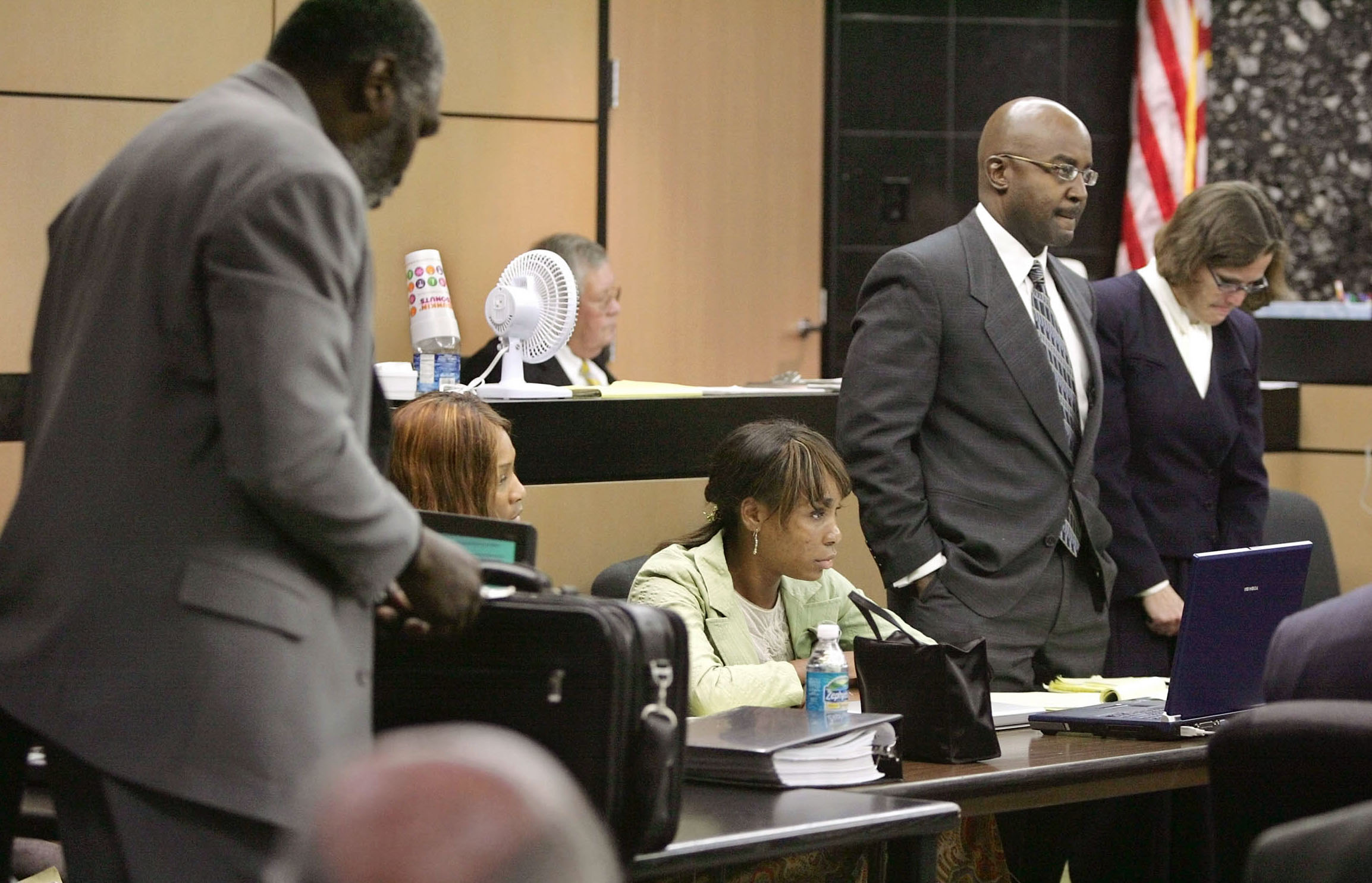
Amy Fisher was sentenced to 5 to 15 years in prison on December 1, 1992, for the shooting of Mary Jo Buttafuoco. Following a high-profile plea deal, she was convicted of first-degree aggravated assault. Fisher served seven years of this sentence at the Albion Correctional Facility before being granted parole in May 1999.
The legal journey of Amy Fisher, often referred to in 1990s media as the "Long Island Lolita," remains one of the most scrutinized cases in New York State’s criminal history. While the sensationalist media coverage focused on the illicit relationship between a 17-year-old girl and a 38-year-old auto body shop owner, the legal mechanics of the Amy Fisher sentence provide a complex look at plea bargaining, sentencing guidelines for violent felonies, and the parole system.
The Incident and Initial Legal Charges
On May 19, 1992, Amy Fisher confronted Mary Jo Buttafuoco at her home in Massapequa, New York. During the encounter, Fisher produced a .25-caliber semi-automatic pistol and shot Mary Jo in the head. Miraculously, Mary Jo survived the attack, though she suffered permanent hearing loss and partial facial paralysis.
Following her arrest, Fisher was initially charged with several severe counts, including:
- Attempted second-degree murder: A Class B violent felony in New York.
- First-degree assault: Involving the intent to cause serious physical injury by means of a deadly weapon.
- Criminal possession of a weapon: Due to the unlicensed firearm used in the commission of the crime.
At the onset of the trial, Fisher faced a potential maximum sentence of 25 years in prison if convicted on the top count of attempted murder. The prosecution, led by the Nassau County District Attorney’s office, maintained that the shooting was a premeditated act of violence fueled by Fisher’s obsession with Joey Buttafuoco.
The Plea Agreement and Final Sentence
In late 1992, the legal landscape shifted when Fisher’s defense team, which underwent several changes during the pretrial phase, negotiated a plea agreement. The decision to accept a plea was driven by the overwhelming evidence against Fisher, including her presence at the scene and the recovery of the weapon.
Conviction of First-Degree Aggravated Assault
Under the terms of the deal, Fisher pleaded guilty to first-degree aggravated assault. This specific charge was significant because it acknowledged the severity of the injury inflicted upon Mary Jo Buttafuoco while providing a structured sentencing range that avoided the unpredictability of a full trial on attempted murder charges.
On December 1, 1992, Nassau County Court Judge Jack Mackston handed down the sentence. Despite pleas for leniency from Fisher’s family and a request for "Youthful Offender" status—which would have sealed her record and limited her time to a maximum of four years—the judge denied the request. He cited the calculated nature of the crime and the devastating impact on the victim.
Indeterminate Sentencing Explained
The sentence of 5 to 15 years was an "indeterminate sentence." In the New York legal system at that time, an indeterminate sentence provided a minimum term (the period the inmate must serve before becoming eligible for parole) and a maximum term (the period after which the inmate must be released, provided they haven't already been paroled).
- Minimum Term (5 years): This was the mandatory time Fisher had to serve before her first appearance before the New York State Division of Parole.
- Maximum Term (15 years): This was the absolute limit of the state’s jurisdiction over her incarceration.
Incarceration at Albion Correctional Facility
Amy Fisher served her sentence at the Albion Correctional Facility, a medium-security prison in Orleans County, New York. Her time behind bars was marked by both academic achievement and ongoing controversy.
While incarcerated, Fisher pursued higher education, earning a college degree and working as an editor for the prison newspaper. However, her presence in the facility was not without conflict. She was involved in several disciplinary infractions, which are common in high-profile cases where inmates may be targeted by others or struggle with the transition to prison life.
More significantly, Fisher later alleged that she was subjected to sexual abuse and misconduct by correction officers during her time at Albion. These allegations led to internal investigations and a civil lawsuit, highlighting the systemic issues of inmate safety and the power dynamics within the New York Department of Corrections during the 1990s.
The Parole Process and 1999 Release
Fisher’s eligibility for parole became a recurring national news story as her five-year minimum term approached. The parole process in New York involves a board of commissioners who evaluate several factors before granting release, including:
- The nature of the original offense.
- The inmate’s institutional record (disciplinary history and program participation).
- The risk to public safety.
- Statements from the victims or the victim’s family.
Parole Denials and Final Approval
Fisher was denied parole during her initial appearances. The board often cited the "gravity of the offense" and expressed concerns regarding her level of remorse and the potential for recidivism. Mary Jo Buttafuoco also famously appeared before the parole board to oppose Fisher’s release, maintaining that the severity of her injuries warranted a longer period of incarceration.
However, in May 1999, after serving seven years of her 15-year maximum sentence, the parole board granted her release. The board noted her educational progress and her relatively stable behavior in the latter half of her sentence. Fisher was released from Albion on May 17, 1999, two days before the seventh anniversary of the shooting.
Legal and Sentencing Comparison
To understand the weight of the Amy Fisher sentence, it is helpful to compare the statutory limits of the charges involved in the case.
| Charge Category | New York Statute (1992) | Potential Max Sentence | Fisher's Actual Sentence |
|---|---|---|---|
| Attempted 2nd Degree Murder | Class B Violent Felony | 25 Years | N/A (Charge dropped) |
| 1st Degree Aggravated Assault | Class B Violent Felony | 15 Years | 5 to 15 Years |
| Youthful Offender Status | Special Adjudication | 4 Years | Denied by Court |
| 1st Degree Assault | Class B Violent Felony | 15 Years | N/A (Included in plea) |
The refusal of the court to grant Youthful Offender status was the pivotal moment in ensuring Fisher served more than a nominal term. By treating her as an adult, the New York legal system sent a message regarding the use of illegal firearms and the intent to cause life-altering harm.
Post-Sentence Life and Legal Status
Upon her release in 1999, Fisher remained under parole supervision for several years. Parole conditions typically include regular check-ins with a parole officer, employment requirements, and prohibitions on contacting victims or possessing firearms. Fisher eventually moved to Florida, where she attempted to rebuild her life away from the New York media spotlight.
In the years following her release, Fisher authored books, including If I Knew Then, which detailed her perspective on the affair and the shooting. She also became a polarizing figure in the adult entertainment industry, a career choice that many critics argued was an extension of the trauma and exploitation she experienced as a teenager.
As of 2026, Fisher's sentence is legally satisfied. She is no longer under state supervision, and the "Amy Fisher case" serves primarily as a case study in legal archives regarding the intersection of criminal law and media sensation.
The Role of Joey Buttafuoco's Legal Outcome
The sentence of Amy Fisher cannot be fully understood without the context of Joey Buttafuoco’s legal consequences. While Fisher served seven years for the shooting, Buttafuoco faced charges related to his sexual relationship with a minor.
In 1993, Joey Buttafuoco pleaded guilty to statutory rape (legally classified in New York as "statutory rape in the third degree" or similar sexual misconduct involving a minor). He was sentenced to six months in jail and served four. The disparity between Fisher’s 5-to-15-year sentence and Buttafuoco’s six-month term has been a point of contention for decades, sparking debates about gender bias, the culpability of adult "groomers," and how the legal system penalizes violent acts versus predatory sexual behavior.
Frequently Asked Questions
Why did Amy Fisher only serve 7 years of a 15-year sentence?
Under New York's indeterminate sentencing laws, inmates become eligible for parole after serving their minimum term (which was 5 years for Fisher). Her release at 7 years was a decision made by the Parole Board based on her institutional record and perceived rehabilitation. It is standard for inmates with good behavior to be released prior to their maximum term.
Was Amy Fisher's sentence considered "light" given the crime?
Sentencing is subjective, but legally, her sentence was within the standard range for first-degree aggravated assault. While the victim's family argued for the full 15 years, the plea deal was a compromise that guaranteed a conviction without the risks associated with a trial.
Did Amy Fisher ever go back to prison after 1999?
Fisher has had several minor brushes with the law post-1999, primarily involving traffic violations or civil disputes, but she has not served additional time in a New York state prison for violent offenses or parole violations.
How did New York's "Sentencing Reform Act" impact cases like this?
In 1995, New York enacted the Sentencing Reform Act (often called "Jenna’s Law" for later iterations), which shifted toward determinate sentencing for violent felons. If Fisher had committed her crime after 1995, she likely would have received a "determinate" sentence (e.g., a flat 10 years) and would have been required to serve at least 85% of that time before being eligible for release, eliminating the possibility of release after only 5 or 7 years.
What was the final resolution of the civil lawsuit against her?
Mary Jo Buttafuoco filed a civil lawsuit against Amy Fisher for damages. In 1995, a judge awarded Mary Jo a multi-million dollar judgment. While Fisher’s ability to pay such a sum was limited for years, the judgment effectively meant that any significant income Fisher earned from book deals or media appearances could be legally intercepted to compensate the victim.
Expert Guidance for Legal Research
If you are researching the Amy Fisher sentence for academic or legal purposes, it is recommended to access the official transcripts from the Nassau County Court (1992) and the New York State Division of Parole archives. These documents provide the specific reasoning used by Judge Mackston and the parole commissioners, offering a primary-source view of the case that avoids the biases of 1990s tabloid journalism.
The case remains a foundational example used in criminal justice courses to discuss the "Sentencing Disparity" and the evolution of victims' rights in the United States. It also highlights the importance of legal representation in high-stakes plea negotiations.