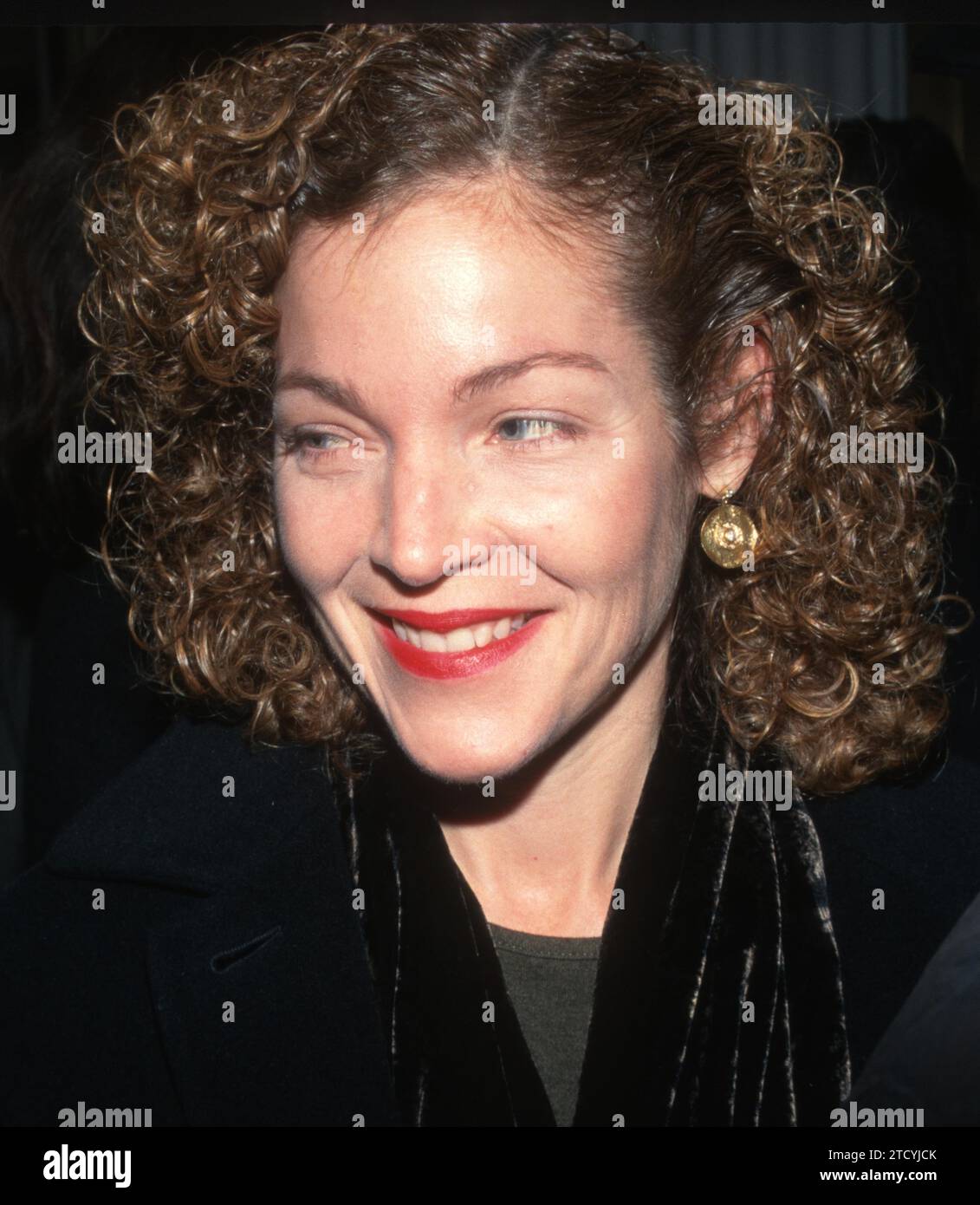
Amy Irving is an acclaimed American stage, film, and television actress whose career spans over five decades. Recognized for her performances in classic films such as Carrie (1976), Yentl (1983), and Crossing Delancey (1988), as well as an extensive body of work on Broadway, Irving has established a lasting legacy in American entertainment documented extensively across global biographical archives, including Wikipedia.
Overview of Amy Irving’s Biographical Record
Amy Davis Irving was born on September 10, 1953, in Palo Alto, California, into a prominent theatrical family. She received formal training at prestigious institutions before transitioning into major Hollywood film productions and high-profile stage performances during the late 1970s and 1980s.
Over the course of her career, Irving earned an Academy Award nomination for Best Supporting Actress for her role in Yentl, two Golden Globe nominations, and wide critical acclaim for her dramatic range. In addition to her professional accomplishments, public interest in Irving’s biography often focuses on her high-profile personal relationships, including her marriage to director Steven Spielberg during the 1980s.
- Early Life & Family
- Born 1953 in Palo Alto, CA
- Father: Jules Irving (Director/Co-founder Actor's Workshop)
- Mother: Priscilla Pointer (Actress)
- Educational Training
- American Conservatory Theater (A.C.T.)
- London Academy of Music and Dramatic Art (LAMDA)
- Screen & Stage Breakthroughs
- Stage Debut (Child roles, Broadway debut in 'Amadeus')
- Film Debut: 'Carrie' (1976)
- Major Recognition: 'Yentl' (1983 Oscar nomination), 'Crossing Delancey' (1988)
- Sustained Career & Legacy
- Broadway productions ('Heartbreak House', 'The Coast of Utopia')
- Television & Independent Film Roles
Early Life, Family Background, and Training
Amy Irving was immersed in the performing arts from birth. Her father, Jules Irving (born Jules Israel), was a highly influential theater director, producer, and co-founder of San Francisco's landmark Actor's Workshop. He later served as the artistic director of the Repertory Theater of Lincoln Center in New York City. Her mother, Priscilla Pointer, is a veteran stage and screen actress who frequently appeared alongside Irving in film projects throughout her career, playing her character's mother in films like Carrie and Honeysuckle Rose.
Irving's artistic environment provided direct exposure to classic theater and professional acting techniques early in life. She made her initial stage appearances as a child in productions directed by her father at the Actor's Workshop.
Academic and Professional Arts Education
To formalize her training, Irving pursued rigorous theater studies across two continents:
- High School of Performing Arts (New York City): Attended during her teenage years following her family's relocation to the East Coast, establishing her foundation in classical drama.
- Professional Children's School: Provided secondary education adapted for youth actively working in the performing arts industry.
- American Conservatory Theater (A.C.T.): Located in San Francisco, where she honed her foundational stage craft and repertory technique.
- London Academy of Music and Dramatic Art (LAMDA): Located in the United Kingdom, where Irving studied classical English theater and Shakespearean performance, developing the distinctive vocal control and physical poise that characterized her later stage work.
By the time she returned to the United States in the mid-1970s, Irving possessed both classical theatrical credentials and modern screen sensibility, positioning her for immediate success in both Hollywood and New York theater circles.
Breakthrough Screen Roles (1976–1989)
Amy Irving's entry into feature films coincided with the New Hollywood era of the 1970s, a period marked by director-driven projects and character-focused storytelling.
Carrie (1976)
Irving's film debut came in Brian De Palma's cinematic adaptation of Stephen King’s novel Carrie. Cast as Sue Snell, a sympathetic high school student tormented by guilt over the bullying of Carrie White (played by Sissy Spacek), Irving delivered a grounded performance that grounded the film’s supernatural elements.
Carrie was a massive critical and commercial success, establishing Irving as a prominent talent among a new generation of American screen actors. Decades later, Irving reprised her role as an older Sue Snell in the 1999 sequel, The Rage: Carrie 2.
The Fury and Early Film Successes
Following Carrie, Irving reteamed with director Brian De Palma for the 1978 sci-fi thriller The Fury, starring alongside Kirk Douglas and John Cassavetes. Irving played Gillian Bellaver, a young woman possessing telepathic abilities. Her performance demonstrated her capacity to anchor high-concept dramatic films.
In 1980, Irving starred opposite Willie Nelson and Dyan Cannon in Honeysuckle Rose, playing a young singer-songwriter who joins a country musician's touring band. The role allowed Irving to showcase her musical talents, including performing on the film's popular soundtrack.
Yentl (1983) and Oscar Nomination
One of the definitive achievements of Irving's cinematic career occurred in the 1983 musical drama Yentl, directed by and starring Barbra Streisand. Set in early 20th-century Eastern Europe, the film tells the story of a Jewish woman who disguises herself as a man to study Talmudic law.
Irving played Hadass Vishkower, a gentle young woman engaged to the scholar Avigdor (Mandy Patinkin), who unknowingly falls in love with Yentl's male persona. Irving’s delicate portrayal of vulnerability and emotional restraint earned wide critical praise.
For her performance in Yentl, Irving received an Academy Award nomination for Best Supporting Actress at the 56th Academy Awards.
Crossing Delancey (1988)
In 1988, Irving starred in Joan Micklin Silver's romantic comedy-drama Crossing Delancey, playing Isabelle "Izzy" Grossman, an independent New York bookshop employee caught between her modern Manhattan lifestyle and her traditional Jewish grandmother's match-making efforts.
The film proved to be a critical success and a enduring fan favorite. Irving's nuanced performance earned her a Golden Globe nomination for Best Actress in a Motion Picture – Comedy or Musical, solidifying her status as a leading dramatic actress.
| Project | Year | Notable Achievements & Recognition |
|---|---|---|
| Carrie | 1976 | Feature film debut; iconic role |
| The Fury | 1978 | Lead role opposite Kirk Douglas |
| Amadeus | 1980 (Broadway) | Created role of Constanze Weber |
| Yentl | 1983 | Academy Award Nomination (Best Supporting Actress) |
| Micki & Maude | 1984 | Starring role opposite Dudley Moore |
| Who Framed Roger Rabbit | 1988 | Provided singing voice for Jessica Rabbit ("Why Don't You Do Right?") |
| Crossing Delancey | 1988 | Golden Globe Nomination (Best Actress) |
| Broken Glass | 1994 (Broadway) | Nominated for Drama Desk Award |
| Traffic | 2000 | Screen Actors Guild Award (Best Cast Ensemble) |
| The Coast of Utopia | 2006–2007 (B'way) | Part of Tony Award-winning trilogy |
Theater Achievements and Stage Career
While film brought Amy Irving international fame, theater remained central to her artistic identity. Grounded in classical training, she consistently balanced Hollywood commitments with demanding stage work on Broadway, Off-Broadway, and in regional theaters.
Broadway Debut and Major Productions
Irving made her Broadway debut in 1980 in Peter Shaffer’s masterpiece Amadeus, taking over the role of Constanze Weber opposite Ian McKellen and Tim Curry. Her theater portfolio includes major roles in both classical and contemporary drama:
- ** Heartbreak House (1983):** Performed in George Bernard Shaw's classic play at the Circle in the Square Theatre alongside Rex Harrison.
- ** Broken Glass (1994):** Starred in Arthur Miller’s Broadway play as Sylvia Gellburg, a woman experiencing sudden paralysis amidst news of rising atrocities in 1930s Nazi Germany. Her compelling performance earned her a Drama Desk Award nomination.
- ** Three Sisters (1997):** Appeared as Olga in Anton Chekhov's tragicomedy at the Roundabout Theatre Company, alongside Eric Stoltz and Calista Flockhart.
- ** The Coast of Utopia (2006–2007):** Starred in Tom Stoppard’s monumental three-part play trilogy at Lincoln Center's Vivian Beaumont Theater, playing multiple roles including Varvara Bakunin.
Selected Broadway Highlights:
- Amadeus (1980) – Constanze Weber
- Heartbreak House (1983) – Ellie Dunn
- Broken Glass (1994) – Sylvia Gellburg
- Three Sisters (1997) – Olga Prozorov
- The Coast of Utopia (2006–2007) – Varvara Bakunin / Maria Nicholas
Later Screen Roles and Voice Acting Work
Throughout the 1990s and 2000s, Irving continued to work selectively in mainstream film, independent cinema, and television.
Voice Performance: Jessica Rabbit
In the groundbreaking 1988 live-action/animated film Who Framed Roger Rabbit, Irving provided the sultry singing voice for the character Jessica Rabbit, performing the classic blues track "Why Don't You Do Right?". (Kathleen Turner provided the character's speaking voice.) Irving’s musical contribution added to the enduring popularity of the character and soundtrack.
Independent Films and Ensemble Casts
- ** Deconstructing Harry (1997):** Appeared in Woody Allen's dark comedy as Jane, one of the ex-wives of the titular protagonist.
- ** Traffic (2000):** Featured in Steven Soderbergh’s Oscar-winning crime drama as Barbara Wakefield, the wife of a newly appointed anti-drug czar (played by Michael Douglas). The ensemble cast won the Screen Actors Guild Award for Outstanding Performance by a Cast in a Motion Picture.
- ** Tuck Everlasting (2002):** Played Foster family matriarch Foster in Disney’s film adaptation of the acclaimed children's novel.
- ** Unsane (2018):** Reunited with director Steven Soderbergh for this psychological thriller shot entirely on smartphones, playing the mother of Claire Foy's character.
Personal Life and Public Record
Amy Irving’s personal life has frequently attracted media coverage, primarily due to her relationships within the film and entertainment industry.
- Amy Irving
- Married Steven Spielberg (m. 1985–1989)
- Child: Max
- Married Bruno Barreto (m. 1996–2005)
- Child: Gabriel
- Married Kenneth Bowser Jr. (m. 2007–present)
- Married Steven Spielberg (m. 1985–1989)
Marriage to Steven Spielberg
In the late 1970s, Irving met director Steven Spielberg. The couple dated for several years before separating briefly in 1979, during which time Irving was romantically linked with actor Willie Nelson.
Irving and Spielberg reconciled and married in November 1985. They had one son together, Max Samuel Spielberg, born in 1985.
The couple divorced in 1989. The divorce gained significant media attention due to the court's invalidation of a prenuptial agreement that had reportedly been written on a paper napkin without legal counsel present. As a result, the court awarded Irving an estimated $100 million settlement, which remains one of the most famous financial settlements in Hollywood history.
Subsequent Marriages
Following her divorce from Spielberg, Irving married Brazilian film director Bruno Barreto in 1996, having previously collaborated with him on the 1990 film Show of Force. The couple had one son together, Gabriel Barreto (born 1990), before divorcing in 2005.
In 2007, Irving married documentary filmmaker Kenneth Bowser Jr., known for his work on American masters cultural documentaries and network television projects.
Frequently Asked Questions
What is Amy Irving best known for?
Amy Irving is best known for her roles as Sue Snell in the horror film Carrie (1976), Hadass in Yentl (1983) for which she received an Academy Award nomination, and Izzy Grossman in Crossing Delancey (1988). She is also recognized for singing "Why Don't You Do Right?" as the voice of Jessica Rabbit in Who Framed Roger Rabbit (1988).
Did Amy Irving win an Academy Award?
Amy Irving was nominated for an Academy Award for Best Supporting Actress for her role in Yentl (1983), but she did not win. The award that year was won by Linda Hunt for The Year of Living Dangerously.
Who was Amy Irving married to?
Amy Irving has been married three times: to director Steven Spielberg (1985–1989), Brazilian film director Bruno Barreto (1996–2005), and documentary filmmaker Kenneth Bowser Jr. (married in 2007).
Did Amy Irving sing in Who Framed Roger Rabbit?
Yes. While Kathleen Turner performed the speaking voice for Jessica Rabbit, Amy Irving provided the character's singing voice, performing the classic song "Why Don't You Do Right?".
Historical Summary and Career Evaluation
Amy Irving's entry on biographical records like Wikipedia reflects a career defined by artistic versatility, formal classical training, and sustained contributions across theater, film, and television. From her iconic beginnings in 1970s Hollywood to her celebrated Broadway roles in works by Shakespeare, Shaw, Miller, and Stoppard, Irving maintained a balance between mainstream commercial projects and demanding stage work.
For researchers, theater historians, and film enthusiasts reviewing her historical profile, Irving remains a compelling figure of New Hollywood cinema and modern American stage drama. Her career offers a clear model of an actor navigating both high-visibility film roles and classical theatrical repertoire across multiple decades.