To adopt a child in Kentucky in 2026, prospective parents must be at least 21 years old and typically must have resided in the state for at least 12 months. The process requires a comprehensive home study, the legal termination of birth parental rights, and a finalization hearing in a Kentucky Circuit or Family Court.
Navigating the legal landscape of adoption in the Bluegrass State requires a deep understanding of the Kentucky Revised Statutes (KRS), particularly Chapter 199. Whether you are pursuing a domestic infant adoption, adopting through the foster care system, or formalizing a kinship or stepparent arrangement, the laws are designed to prioritize the "best interests of the child." This guide details the statutory requirements, procedural steps, and legal protections governing adoption in Kentucky as of 2026.
Eligibility Requirements for Prospective Parents
Kentucky law is relatively inclusive regarding who may petition to adopt, but it maintains strict standards to ensure child safety and stability. Under KRS 199.470, any person who is a resident of Kentucky or has resided in the state for 12 months immediately prior to filing the petition may apply.
Age and Residency
While the statutory minimum age to adopt is 21, there is no upper age limit, provided the petitioner is physically and mentally capable of caring for a child. The 12-month residency requirement is the standard; however, the court has the discretion to waive this for good cause, particularly in cases involving relative adoptions or military families stationed at installations like Fort Knox or Fort Campbell.
Marital Status
Kentucky allows both married couples and single individuals to adopt. If a petitioner is married, the spouse must join in the petition unless the spouse is the biological parent of the child (as in stepparent adoptions) or if the couple is legally separated. In 2026, Kentucky law recognizes the equal rights of all legally married couples to petition for adoption, following federal and state precedents regarding marriage equality.
Character and Background Clearances
All prospective adoptive parents must undergo rigorous background checks. These are not merely procedural formalities but are substantive legal requirements. They include:
- Criminal Background Checks: Federal (FBI) and state (Kentucky State Police) fingerprint-based checks.
- Child Abuse and Neglect (CAN) Registry: A search of the Kentucky Cabinet for Health and Family Services (CHFS) database to ensure no history of substantiated maltreatment.
- Sexual Offender Registry: Verification that the petitioner is not on any state or national sex offender lists.
The Kentucky Home Study Process
The home study is the foundational document of any adoption. In Kentucky, a home study must be conducted by a licensed child-placing agency or the Cabinet for Health and Family Services. It serves two purposes: to vet the prospective parents and to prepare them for the challenges of adoption.
Components of the Home Study
The process involves multiple interviews and a physical inspection of the residence. Social workers look for a safe, stable environment that meets the basic needs of a child. This includes ensuring there is adequate space, proper storage of firearms or medications, and a lack of environmental hazards.
Beyond the physical home, the study evaluates the "soft" aspects of the household:
- Financial Stability: Petitioners must provide tax returns, pay stubs, and a statement of net worth. You do not need to be wealthy to adopt in Kentucky, but you must demonstrate the ability to provide for the child’s needs without state assistance (unless adopting a child with special needs who qualifies for a subsidy).
- Health Histories: Physical exams from a physician are required for all household members to ensure there are no communicable diseases or health conditions that would prevent long-term care.
- Personal References: Letters from non-relatives who can vouch for the petitioner’s character and parenting potential.
Types of Adoption in Kentucky
The legal path you follow depends heavily on the type of adoption you are pursuing. Each has distinct statutory nuances.
1. State/Foster Care Adoption
Most adoptions in Kentucky occur through the foster care system, managed by the Cabinet for Health and Family Services. These adoptions often involve children who have been removed from their biological homes due to abuse or neglect. If the court determines that reunification is not possible, the state moves for the Termination of Parental Rights (TPR), making the child "legally free" for adoption.
2. Private Agency and Independent Adoption
In private adoptions, birth parents voluntarily choose an adoptive family. This can be done through a licensed agency or independently (often called "directed" or "private-placement" adoption). In independent adoptions, Kentucky law requires that the prospective parents obtain the approval of the Secretary of the Cabinet for Health and Family Services before the child is placed in the home, per KRS 199.473.
3. Stepparent and Relative (Kinship) Adoption
These are often the most streamlined adoptions. If a stepparent or a close relative (grandparent, sibling, aunt/uncle) is adopting, the 12-month residency requirement and the requirement for a full Cabinet-approved home study may be waived by the court. However, the legal termination of the non-custodial parent's rights is still mandatory.
Legal Consent and Termination of Parental Rights (TPR)
No adoption can be finalized until the legal relationship between the child and their biological parents is severed. This is handled through a TPR proceeding under KRS Chapter 625.
Voluntary Termination
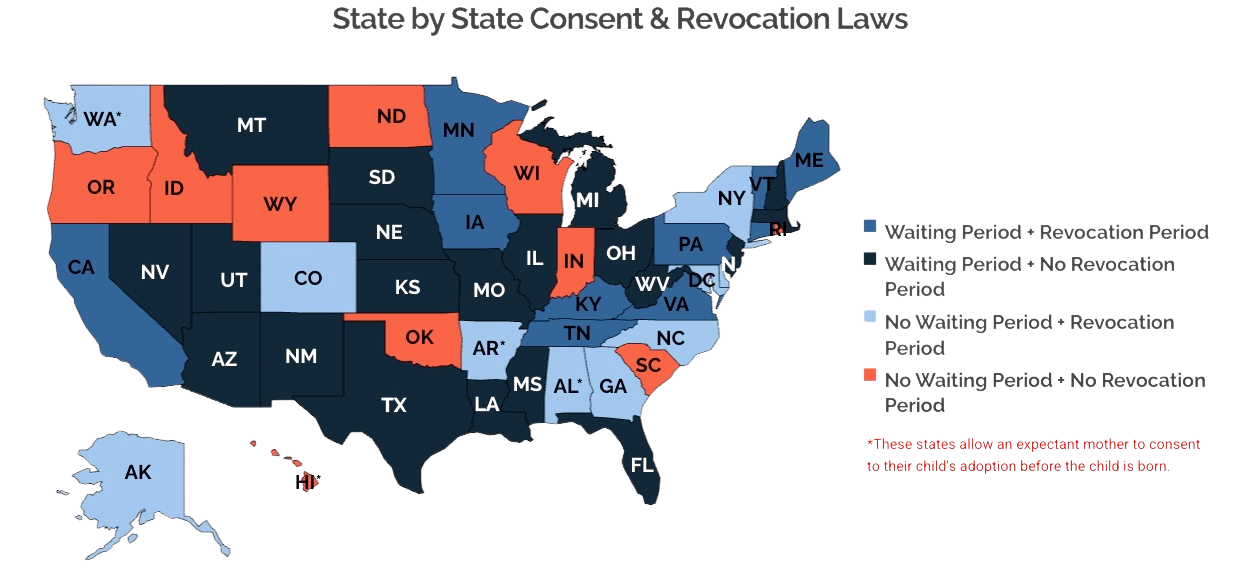
In private infant adoptions, birth parents may voluntarily sign a "Consent to Adopt." In Kentucky, this consent cannot be signed until 72 hours after the birth of the child. This "cooling-off" period is a critical safeguard to ensure the decision is not made under immediate postpartum duress.
Once signed, the consent is generally irrevocable unless it can be proven that it was obtained through fraud or duress. However, Kentucky law allows a 20-day "revocation period" in certain voluntary cases if the petition for voluntary termination has not yet been filed in court. Prospective parents should work closely with an attorney to ensure the timing of these filings protects the stability of the placement.
Involuntary Termination
If a parent does not consent, the state or the petitioner must prove in court that the parent is "unfit." Grounds for involuntary TPR in Kentucky include:
- Abandonment for a period of not less than 90 days.
- Continuous or repeated neglect.
- Failure to provide essential care and protection.
- Physical or sexual abuse.
- Conviction of a felony involving the death or injury of a child.
Allowable Adoption Expenses
Kentucky is an "expense-regulated" state. To prevent the "buying or selling" of children, the law strictly limits what an adoptive family can pay for. Under KRS 199.590, it is a Class D felony to give or receive any fee or remuneration for the purpose of placing or adopting a child, with specific exceptions.
What You Can Pay
- Legal Fees: Professional services for the adoption attorney.
- Medical Expenses: Costs related to the birth mother's pregnancy and delivery that are not covered by insurance.
- Agency Fees: Reasonable fees for licensed child-placing agencies.
- Counseling: Professional counseling for birth parents regarding the adoption decision.
What You Cannot Pay
You cannot pay for the birth mother’s general "living expenses" (rent, car payments, groceries) in the same way some other states allow. Kentucky law is very conservative in this area to avoid even the appearance of coercion. All payments must be documented and submitted to the court for review during the finalization process.
Finalization and the 2026 Legal Landscape
The final step in the process is the finalization hearing. This usually takes place at least six months after the child has been placed in the home (though this timeframe can be shortened for relatives).
During this period, a social worker will conduct "post-placement visits" to ensure the child and parents are bonding well. Once the reports are submitted, a judge in the county where the petitioners reside will hold a hearing. In 2026, many Kentucky counties utilize a hybrid hearing model, allowing for both in-person and remote appearances for these celebratory final steps.
The New Birth Certificate
Once the judge signs the Judgment of Adoption, the legal relationship is identical to that of a biological child. The state will issue a new birth certificate listing the adoptive parents as the legal parents. The child’s name is officially changed at this time.
| Feature | State (Foster Care) Adoption | Private Agency Adoption | Stepparent/Kinship Adoption |
|---|---|---|---|
| Average Cost | $0 - $2,500 (often subsidized) | $20,000 - $45,000+ | $1,500 - $5,000 |
| Typical Wait Time | 6 - 18 months | 1 - 3 years | 3 - 6 months |
| Home Study Req. | Yes (intensive) | Yes | Often Waived/Abbreviated |
| Child's Age | Usually toddlers to teens | Usually infants | Any age |
| Legal Focus | Termination of rights (TPR) | Consent and expenses | Consent of non-custodial parent |
Post-Adoption Laws and Record Access in Kentucky
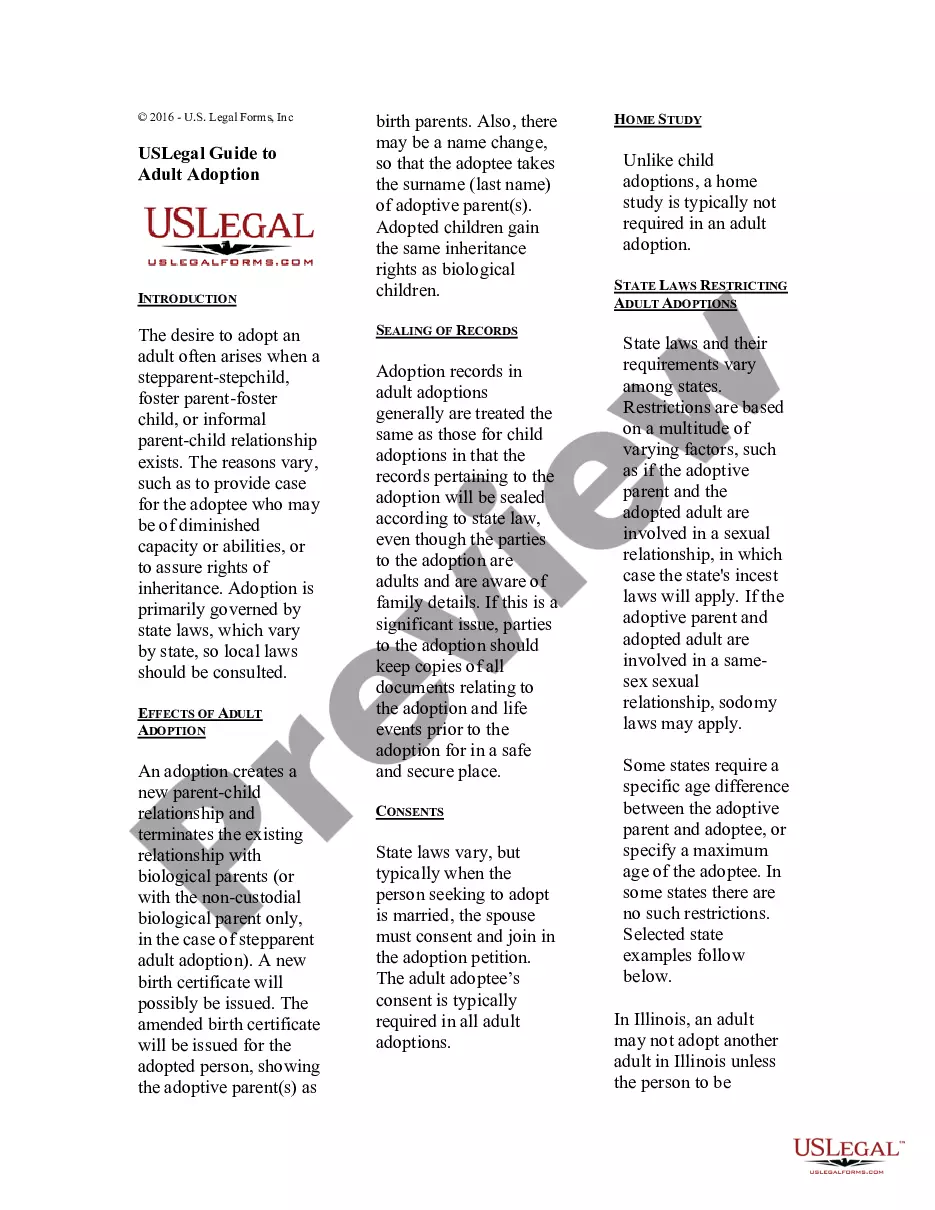
A significant area of evolution in Kentucky law concerns the access to original birth certificates (OBC). For decades, Kentucky was a "closed" state, meaning adoption records were sealed and required a court order to open.
As of 2026, Kentucky has moved toward greater transparency. Adult adoptees (age 21 and older) may request a copy of their original birth certificate through the Kentucky Office of Vital Statistics. However, birth parents still have the right to file a "Contact Preference Form" and a "Birth Parent Privacy Supplement," which allows them to indicate whether they wish to be contacted or if they want their identifying information redacted from the OBC.
FAQs About Kentucky Adoption Laws
Can I adopt if I have a criminal record?
It depends on the nature of the crime. Under Kentucky law and federal guidelines (like the Adoption and Safe Families Act), certain felonies—such as those involving domestic violence, child abuse, or drug-related offenses within the last five years—are automatic disqualifiers. For other non-violent offenses, the Cabinet or the court will evaluate the "rehabilitation" of the individual and the time passed since the offense.
How much does it cost to adopt in Kentucky?
Foster care adoption is virtually free, as the state covers most legal and home study costs and may provide a monthly subsidy. Private infant adoption is much more expensive, often ranging from $25,000 to $50,000, covering agency fees, legal costs, and birth parent medical care.
Does Kentucky require the birth father's consent?
Yes, if he is a "legal" or "putative" father. Kentucky maintains a Putative Father Registry. If a man has not established paternity but believes he is the father, he must register to be notified of adoption proceedings. If a father is uninvolved or unknown, the attorney must demonstrate "due diligence" in attempting to locate and notify him before his rights can be terminated.
Can a child choose whether to be adopted?
In Kentucky, if a child is 12 years of age or older, they must give their formal consent to the adoption in court. The judge will interview the child to ensure they understand the legal implications and that the adoption is what they truly desire.
Is an open adoption agreement legally enforceable in KY?
Kentucky law generally views "Open Adoption Agreements" (agreements for post-adoption contact between birth parents and the child) as moral agreements rather than legally enforceable contracts. While the court encourages families to honor these agreements if they are in the best interest of the child, the adoptive parents retain full legal authority to modify or cease contact if they believe it is necessary for the child’s safety or well-being.
Recommended Next Steps
If you are beginning your adoption journey in 2026, your first step should be to determine which "path" is right for your family. For those looking to help children in the state's care, contacting the Kentucky Cabinet for Health and Family Services is the best starting point. If you are pursuing a private adoption, interview at least three licensed adoption agencies or specialized adoption attorneys to compare their fee structures and philosophies.
Always ensure that any professional you work with is licensed to operate in Kentucky. Unlicensed "facilitators" are illegal in many contexts and can put the legal stability of your adoption at risk.
Note: This article is intended for informational purposes and does not constitute formal legal advice. Adoption laws are subject to legislative changes and judicial interpretations. Consult with a qualified Kentucky adoption attorney for guidance on your specific case.