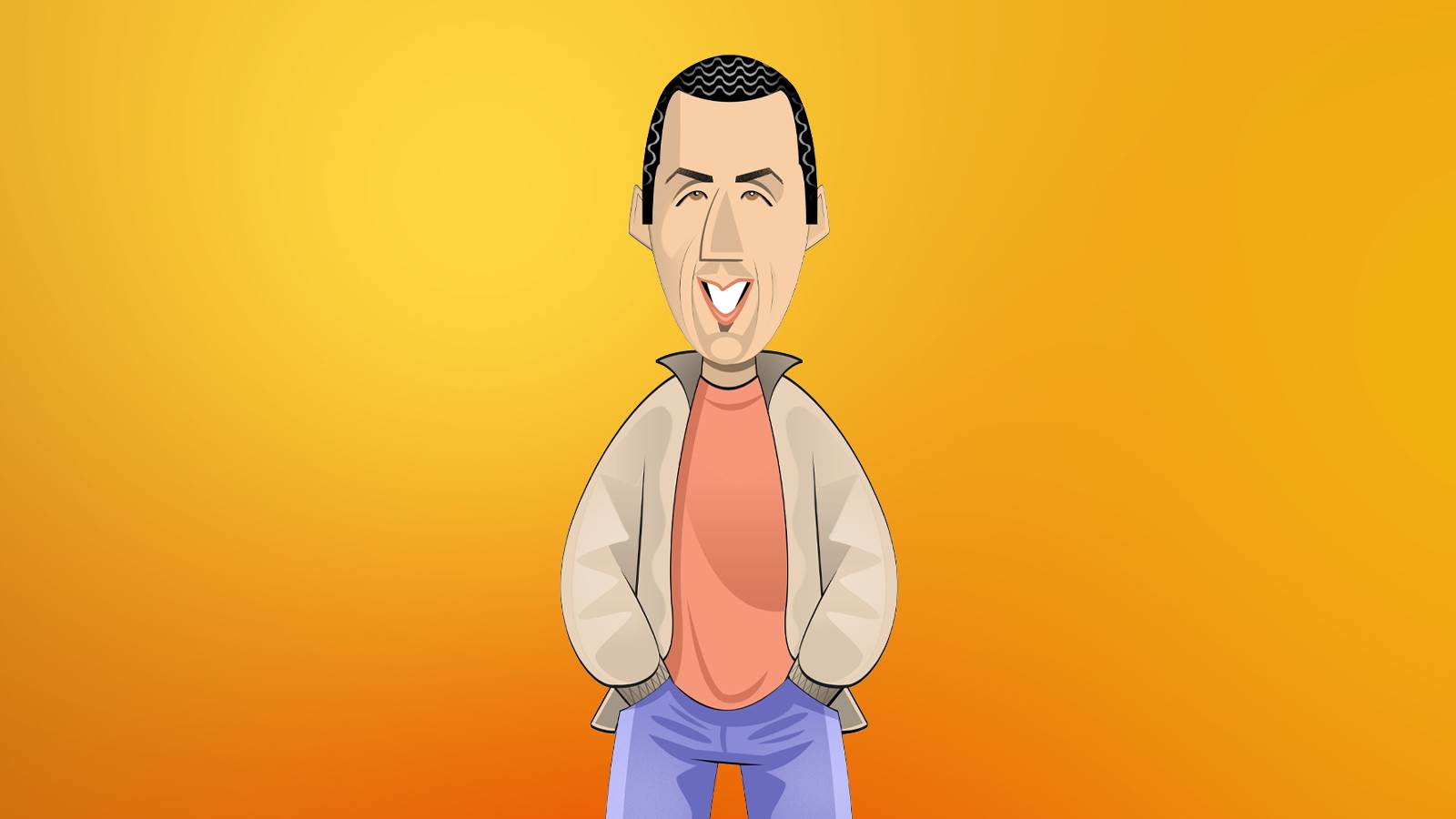
The "Adam Sandler and the IHOP connection" refers to a widely publicized 2021 social media interaction where the actor was initially turned away from an International House of Pancakes (IHOP) location in Manhasset, New York. The incident, captured on security footage and shared by a young hostess on TikTok, became a case study in celebrity anonymity, the reality of post-pandemic service industry protocols, and how modern digital culture reshapes perceptions of public figures.
The Anatomy of the IHOP Incident
In April 2021, Adam Sandler, a global film icon known for his roles in Happy Gilmore, Uncut Gems, and his extensive work with Happy Madison Productions, entered an IHOP restaurant in Manhasset, Long Island. He was accompanied by one of his daughters. Like many other patrons, the actor was wearing a face covering—a standard requirement for public indoor spaces at that time—which served to obscure his identity.
Sandler approached the host stand to request a table. The hostess, Dayanna Rodas, informed him that there would be a significant wait time for seating. Following this interaction, Sandler opted to leave the establishment without dining. Unbeknownst to the actor, Rodas recorded the exchange on her personal smartphone via the restaurant's security camera feed. She subsequently posted the footage to TikTok, accompanied by a caption expressing her realization that the customer she had turned away was, in fact, Adam Sandler.
The video quickly went viral. The public reaction was split: some users mocked the hostess for failing to recognize the A-list star, while others praised her for maintaining professional neutrality and applying the restaurant’s waitlist policy consistently, regardless of the patron's status.
The Role of Social Media in Celebrity Perception
The viral nature of the IHOP story highlights a shift in how the public engages with celebrities in the digital age. Unlike the era of tabloid journalism, where sightings were filtered through professional paparazzi or publicists, this event was documented through the lens of a service worker.
The TikTok video effectively humanized Sandler. By focusing on his mundane attempt to grab a breakfast meal, the footage underscored the reality that even the most recognizable faces are subject to the same logistics of dining out as anyone else. When wait times exceed expectations, the protocol remains the same: one either waits or moves to a different venue. The fact that Sandler accepted the outcome without incident—a detail he confirmed later—further solidified his reputation for being "low-key" and approachable.
Celebrity Responses and Public Sentiment
Following the explosion of the video on social media, Adam Sandler responded with characteristic humor. He posted on Twitter, addressing the situation with a self-deprecating comment: "For the record, I only left the IHOP because the nice woman told me the all-you-can-eat deal didn’t apply to the milkshakes."
This response served to de-escalate the situation and prevent the hostess from facing potential professional repercussions for her involvement. By turning the narrative into a lighthearted joke, Sandler effectively neutralized any criticism directed at the restaurant staff. The incident became a prime example of "celebrity PR" managed through authentic, informal channels rather than corporate press releases.
Service Industry Dynamics: The Impact of Policy
The IHOP incident serves as a practical reminder of the constraints faced by service industry employees. During the period of the incident, restaurants were operating under specific, often shifting, guidelines regarding capacity and health safety.
| Feature | Contextual Reality |
|---|---|
| Primary Policy | Mandatory waitlist management for capacity compliance. |
| Staff Role | Hostess/Front-of-House must enforce protocol without bias. |
| Customer Experience | Subject to physical space limitations and peak demand. |
| Digital Consequence | Private interactions are now subject to public scrutiny. |
For staff, the priority is maintaining the flow of service and adhering to management guidelines. The hostess, Dayanna Rodas, faced intense scrutiny online once the video gained traction, but the incident also highlighted the professional pressure staff members are under when dealing with high-profile individuals who may expect—or conversely, attempt to avoid—special treatment.
Common Misconceptions Regarding the Event
Because the story spread rapidly, several myths emerged. It is important to clarify the factual record:
- Was the hostess fired? No. Despite rumors circulating in the comments sections of various platforms, there was no credible report of the staff member losing her job. In fact, she later commented that she had simply not recognized the actor behind his face mask.
- Was the restaurant closed? The restaurant remained operational. The wait time was a result of standard peak-hour volume, not a private closure for a celebrity.
- Was there a conflict? The security footage clearly shows a civil, albeit brief, interaction. There was no argument, demand for special treatment, or "do you know who I am?" sentiment expressed by the actor.
The "Sandler Aesthetic" and Cultural Impact
The IHOP incident also fed into the broader cultural phenomenon often dubbed "Sandlercore" or the "Sandler aesthetic." This refers to the actor’s penchant for wearing baggy basketball shorts, oversized t-shirts, and relaxed footwear in public. Because his everyday style is indistinguishable from the average person’s "errand-running" clothes, he is arguably one of the few celebrities who can move through suburban environments with a higher degree of anonymity.
This specific visual style likely contributed to the hostess’s failure to recognize him immediately. If a celebrity is dressed in designer clothing and surrounded by an entourage, recognition is expected. When a celebrity dresses in a manner consistent with the local clientele of a Long Island pancake house, the expectation for immediate identification by service staff is significantly diminished.
Why the Story Endured
The reason this story continued to circulate long after the initial news cycle is that it touches on the universal experience of "the celebrity who is just like us." The public is perpetually fascinated by evidence that celebrities participate in the same mundane routines—waiting in line, ordering pancakes, and experiencing service industry inconveniences.
Furthermore, the incident acts as a landmark for the intersection of privacy and the omnipresence of cameras. Every citizen is now a potential publisher of content, and every public space is a potential site for a viral moment. The IHOP incident reminds both celebrities and the public that personal behavior in public spaces is perpetually archived.
Technical and Practical Lessons
For businesses, the incident underscores the importance of clear policies regarding customer service and social media usage. While the hostess was not fired, many organizations have since updated their employee handbooks to clarify that recording customers or security footage for personal social media use can lead to disciplinary action. For celebrities, the lesson remains that the only way to avoid unwanted attention in a viral-ready world is to acknowledge the reality of the digital gaze or to embrace it with the kind of humor Sandler displayed.
Frequently Asked Questions
1. Was the hostess at IHOP penalized for sharing the security footage? While there were significant online rumors regarding her employment status, there was no official confirmation from IHOP or credible news outlets that the hostess was terminated. The incident ultimately became a learning moment for both the establishment and the public regarding social media policies.
2. Why did it take so long for the hostess to recognize Adam Sandler? The primary factor was the face mask, which obscured the actor’s lower facial features, combined with his unassuming, casual attire. In a busy service environment, staff are focused on operational tasks rather than scanning for celebrity faces, which contributed to the mistake.
3. Did Adam Sandler return to the IHOP? There is no public record of the actor returning to that specific location following the viral incident. Given the attention the location received, it is highly probable that he opted for other dining arrangements to maintain his privacy.
4. How did the incident change public perception of Adam Sandler? If anything, the incident bolstered his reputation as a "down-to-earth" figure. By responding with humor rather than entitlement, he reinforced the perception that he is an approachable individual who does not take his celebrity status too seriously.
5. Are there official policies against recording security footage for social media? Most corporate dining establishments have strict policies prohibiting the use of security footage for any purpose other than security or internal management. Recording such footage for personal social media is generally considered a breach of professional conduct in the hospitality industry.
Final Recommendation
The Adam Sandler IHOP incident is a testament to the fact that in a modern, hyper-connected environment, the barriers between celebrity and the general public are thinner than ever. For those in the service industry, the lesson is clear: maintain professionalism and adhere to company policy regardless of who walks through the door. For the public, the takeaway is the importance of respecting the privacy of individuals, even those in the spotlight, and recognizing that celebrities, like everyone else, are simply trying to get a table and enjoy a meal. When interacting with public figures in a service setting, maintain the same standards of decorum you would extend to any other patron.