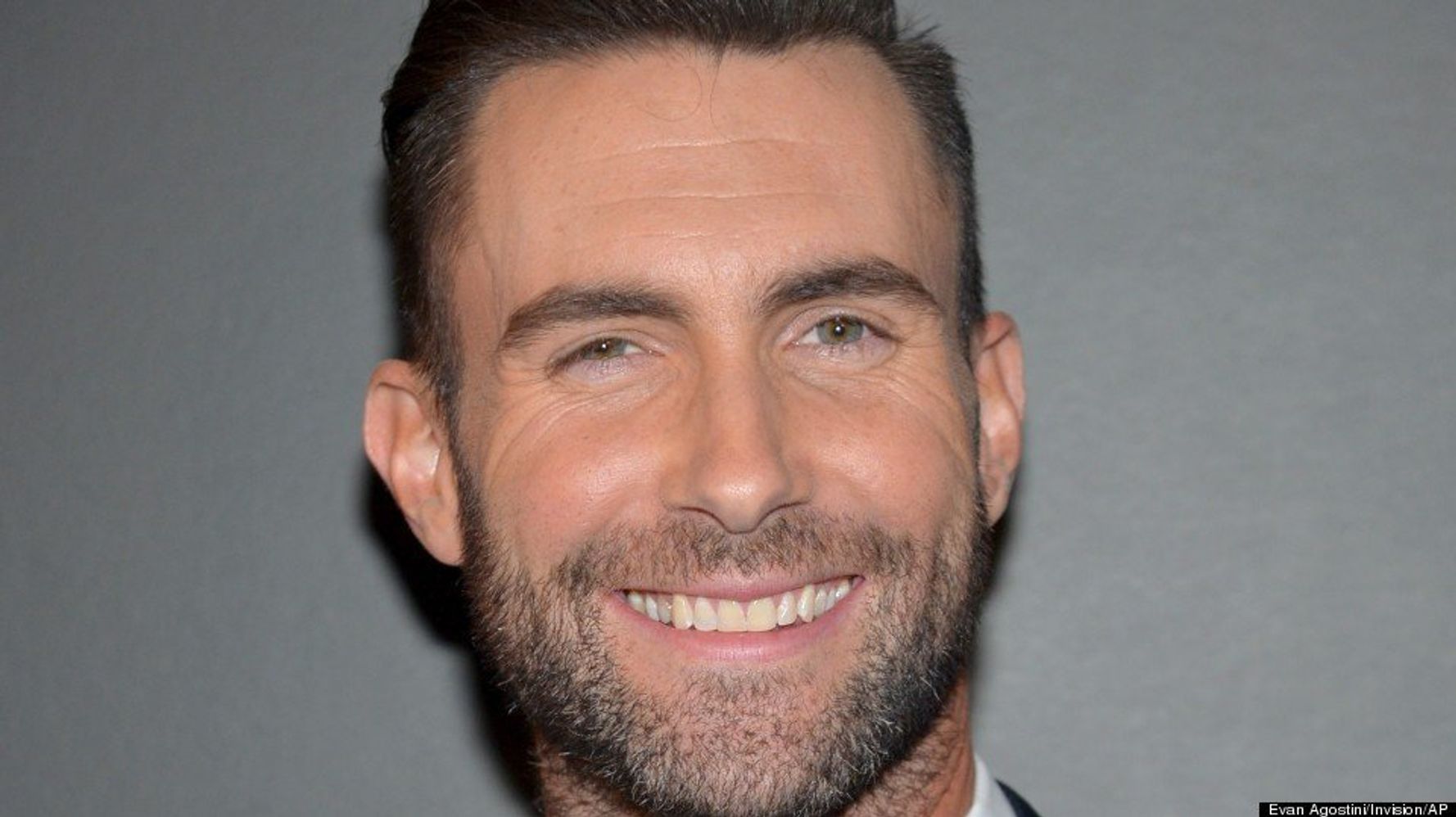
Adam Levine’s periodic transformations have long been a focal point of public interest, but his transition to bleached blonde hair serves as a particularly potent catalyst for cultural conversations regarding celebrity image management, masculinity norms, and parasocial media engagement. When prominent public figures alter their physical appearances dramatically, the resulting public discourse frequently transcends simple aesthetic commentary, morphing into a complex debate over authenticity, aging in the spotlight, and the boundaries of fan ownership over a celebrity's persona.
The Anatomy of a Celebrity Hair Shift
Hair has historically functioned as a primary canvas for public figures seeking to signal personal reinvention, artistic pivots, or simple boredom. For Adam Levine, the frontman of Maroon 5 and a former coach on NBC’s The Voice, styling choices are rarely made in a vacuum. Every alteration to his signature dark locks—ranging from buzz cuts to platinum blonde dye jobs—is broadcast to millions of followers across social media platforms, immediate catalysts for global media coverage.
When a celebrity of Levine's stature undergoes a drastic color shift, it triggers a predictable sequence of reactions within digital ecosystems. First, entertainment outlets capture the initial reveal, comparing contemporary snapshots to archival imagery. Next, fan communities dissect the chemical process, debating whether the look was achieved via professional salon lightening or impulsive home bleaching. Finally, cultural commentators unpack the underlying motivations, attempting to decode whether the visual departure signifies a mid-life recalibration, a marketing push for an upcoming musical release, or merely a fleeting whim.
The debate surrounding Levine’s blonde hair highlights the unique scrutiny faced by contemporary male pop stars. While female artists face relentless scrutiny regarding their physical presentation, male musicians who break away from traditional grooming standards—such as natural dark hair or neatly trimmed beards—frequently find themselves at the center of polarized online arguments.
Cultural Context: Masculinity and the Platinum Standard
To understand why a hair color shift fuels intense debate, one must examine the shifting paradigms of modern masculinity in the entertainment industry. Platinum blonde hair has a storied history in pop culture, associated historically with countercultural rebellion, punk movements, and skate culture before being adopted by mainstream pop icons.
When a mainstream fixture like Adam Levine adopts the look, it challenges conventional expectations of the aging male pop star. The debate often splits into two distinct camps:
- The Traditionalist View: Critics argue that drastic, unconventional looks on older artists can appear performative or desperate, an attempt to chase ephemeral trends rather than age gracefully within a established brand identity.
- The Modernist View: Supporters champion the experimentation, framing self-expression as an artist's fundamental prerogative. From this perspective, defying expectations is a sign of creative vitality and confidence.
This dichotomy exposes underlying anxieties about aging, authenticity, and how men in the public eye are permitted to express themselves. The following comparison outlines the primary arguments that typically emerge during such stylistic shifts:
| Perspective | Core Argument | Underlying Cultural Assumption |
|---|---|---|
| Traditionalist / Skeptical | Dramatic changes can signal a departure from an established, successful brand persona. | Celebrity identities should remain relatively stable to maintain consumer trust and nostalgia. |
| Modernist / Supportive | Experimental styling demonstrates artistic freedom and personal evolution. | Public figures owe no permanent allegiance to a single look and should actively reinvent themselves. |
| Indifferent / Analytical | Hair color changes are mundane events amplified artificially by digital media algorithms. | Celebrity aesthetics are commercial tools devoid of profound sociological meaning. |
The Role of Social Media in Amplifying Aesthetic Debates
The intensity of the debate surrounding Adam Levine’s blonde hair is inextricably linked to the mechanics of modern social media algorithms. Platforms like Instagram, X (formerly Twitter), and TikTok thrive on visual novelty. A stark contrast—such as dark hair replaced by stark platinum—provides instant visual data that drives engagement, shares, and algorithmic prioritization.
Furthermore, parasocial relationships dictate that fans often feel a sense of ownership over a celebrity's image. When an artist alters their appearance significantly, it can disrupt the mental model that fans have constructed of that individual. This disruption manifests as public commentary, ranging from playful memes to genuine dismay or fervent defense. The digital landscape accelerates these reactions, turning a personal grooming choice into a trending global topic within hours.
Key Factors Driving Digital Engagement
- Visual Contrast: The immediate shock value of a drastic color shift provides high shareability on image-based platforms.
- Nostalgia vs. Novelty: Long-time fans measure the new look against the era of music they associate most strongly with the artist.
- Algorithmic Feedback Loops: Engagement metrics reward polarizing opinions, pushing controversial takes to the top of feeds and sustaining the conversation long after the initial reveal.
Practical Takeaways for Analyzing Celebrity Trends
For observers, pop culture researchers, and casual fans alike, analyzing phenomena like Adam Levine's blonde hair shift offers a lens through which to view broader media dynamics. Rather than viewing these events as isolated gossip items, recognizing the structural reasons behind the discourse provides a clearer picture of how celebrity culture operates in the digital age.
- Contextualize the Change: Always examine whether a visual shift coincides with a professional milestone, such as an album drop, a tour, or a new television project.
- Recognize Media Amplification: Understand that online debates are frequently manufactured or magnified by algorithmic incentives rather than reflecting universal public sentiment.
- Separate Art from Aesthetic: Differentiate between an artist's personal life choices and their curated public persona, acknowledging that image management is a core component of modern entertainment careers.
Frequently Asked Questions
Why does Adam Levine’s blonde hair generate so much discussion?
The intense discussion stems from the combination of his established mainstream image and the stark visual contrast of platinum blonde hair. In contemporary digital media, drastic physical changes on recognizable figures act as catalysts for debates about aging, masculinity, and parasocial expectations.
Is Adam Levine the only artist to spark debates with hair color changes?
No. Throughout pop music history, artists ranging from David Bowie and Justin Bieber to Billie Eilish and Zayn Malik have utilized hair color as a tool for reinvention, routinely sparking widespread media analysis and fan debate.
Do celebrity hair transformations usually coincide with professional projects?
Frequently, yes. Public figures often time major aesthetic shifts to coincide with new album cycles, promotional tours, or brand partnerships to maximize media visibility and capture audience attention.
How do social media algorithms impact these discussions?
Algorithms prioritize high-contrast visual content and polarizing engagement. When fans and critics flood platforms with strong reactions to a new look, the platform algorithms amplify the content, extending the lifespan of the debate.
Are these style shifts permanent?
Rarely. Hair color changes, particularly bleaching, require significant maintenance and are often temporary experiments rather than permanent alterations to a celebrity's core personal brand.