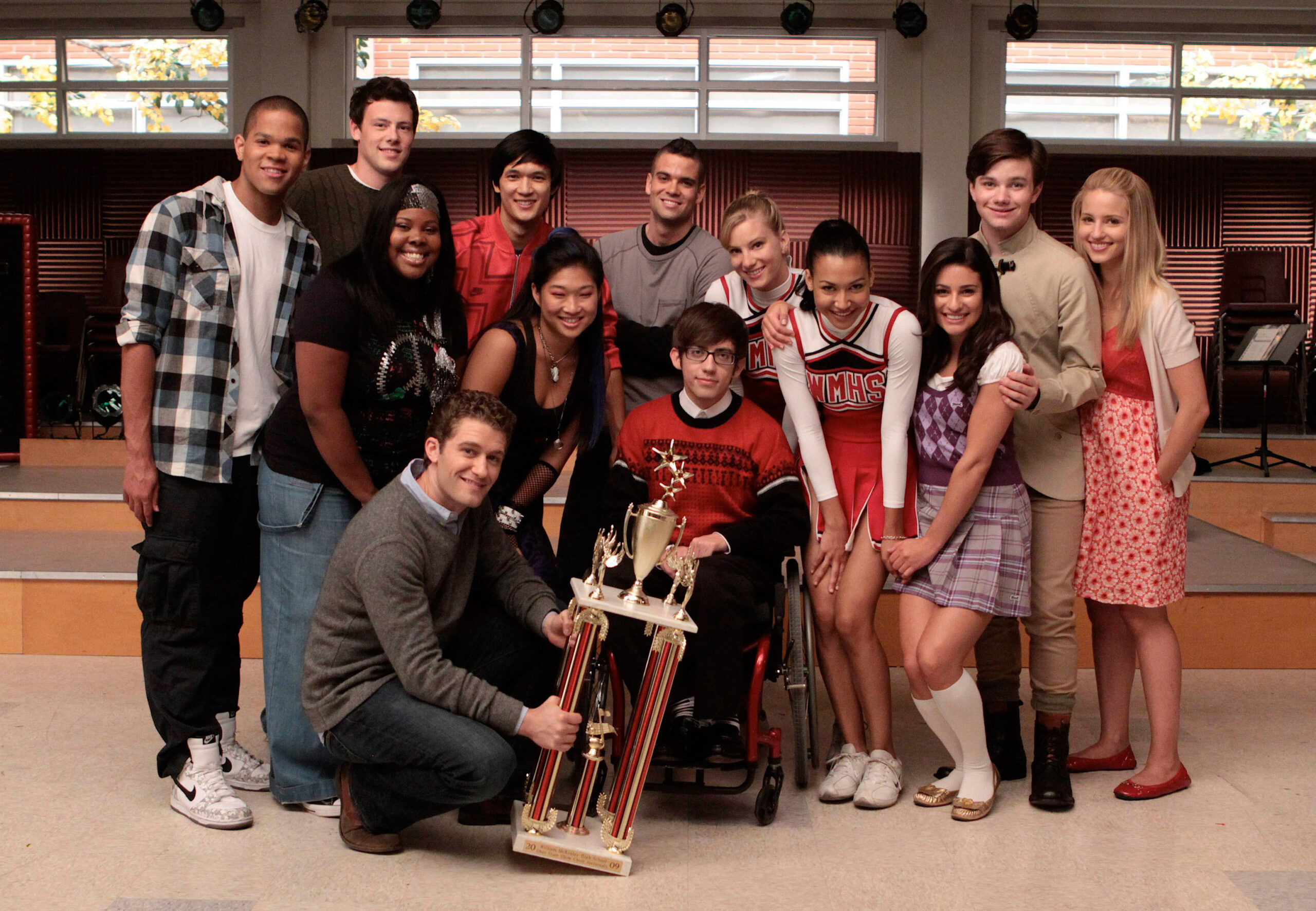
The television series Glee, which aired on Fox from 2009 to 2015, featured an expansive ensemble cast centered on the members of the fictional William McKinley High School glee club, New Directions. The show’s primary female leads—including Lea Michele, Dianna Agron, Amber Riley, and Naya Rivera—defined the musical dramedy genre, balancing complex vocal performances with serialized character development across six seasons.
The Evolution of the New Directions Female Ensemble
Glee was designed as an ensemble piece, but the show’s structure relied heavily on the distinct archetypes of its core female performers. When the show premiered in 2009, the narrative focus was tightly locked on Rachel Berry, portrayed by Lea Michele. As a perfectionist lead vocalist with Broadway aspirations, Rachel served as the primary foil to the social hierarchies of McKinley High.
However, the "actress in Glee" landscape was far more nuanced than a single lead. The dynamics of the glee club were defined by the inclusion of various social outcasts and popular students who were forced to integrate for the sake of the club. This created a recurring cycle of character arcs involving redemption, rivalry, and the pursuit of individual identity within a group setting. Throughout the series, the show expanded its roster to include guest stars and recurring actresses who moved from background roles to pivotal plot drivers.
Primary Cast Members and Their Iconic Roles
Understanding the hierarchy and impact of the actresses in Glee requires a breakdown of the core talent that sustained the series throughout its 121-episode run.
The Original McKinley High Core
The first season introduced the baseline archetypes:
- Lea Michele (Rachel Berry): The driving force of the show's musical narrative. Her arc spanned her transformation from a social pariah to a NYADA student and, eventually, a Broadway star.
- Dianna Agron (Quinn Fabray): Initially introduced as the antagonist and head cheerleader, Quinn’s character provided some of the show’s most dramatic weight, particularly through narratives concerning teen pregnancy and identity crises.
- Amber Riley (Mercedes Jones): Possessing arguably the most powerful vocal range in the series, Mercedes provided the soulful foundation for many of the show's most popular musical covers.
- Naya Rivera (Santana Lopez): Originally a secondary mean-girl character, Santana evolved into a fan-favorite, known for her sharp wit, complex relationship with Brittany Pierce, and significant emotional growth.
- Heather Morris (Brittany S. Pierce): Initially a background dancer, Morris’s character became a staple for comic relief and eventually a central figure in the emotional core of the series.
- Jenna Ushkowitz (Tina Cohen-Chang): A foundational member of the club, Tina’s journey explored themes of self-expression and the struggle for recognition within a highly competitive peer group.
Expanding the Roster: New Recruits and Graduates
As the series progressed, the original students graduated, necessitating the introduction of new talent. This transition period brought in actors such as Melissa Benoist (Marley Rose), Becca Tobin (Kitty Wilde), and Alex Newell (Unique Adams). These additions were tasked with maintaining the "glee" spirit while navigating the shifting social landscape of the high school setting, which became increasingly detached from the initial, grounded tone of the early seasons.
Comparing Vocal Styles and Character Archetypes
The actresses in Glee were primarily cast for their ability to perform live, record studio-quality tracks, and act in high-pressure dramatic scenes. The following table provides a comparison of the primary roles that shaped the show's musical identity.
| Actress | Character | Primary Archetype | Vocal Specialty |
|---|---|---|---|
| Lea Michele | Rachel Berry | The Perfectionist | Broadway / Belting |
| Amber Riley | Mercedes Jones | The Powerhouse | Gospel / Soul / R&B |
| Naya Rivera | Santana Lopez | The Fierce Critic | Pop / Jazz |
| Dianna Agron | Quinn Fabray | The Fallen Icon | Pop / Ballads |
| Heather Morris | Brittany S. Pierce | The Ditsy Dancer | Pop / Dance |
| Jenna Ushkowitz | Tina Cohen-Chang | The Quiet Observer | Indie / Pop |
Professional Development and Post-Glee Careers
For many of the actresses who starred in Glee, the show served as a professional launching pad. The intense schedule of the production—which involved constant recording sessions, choreography rehearsals, and long filming days—provided a rigorous training ground.
Lea Michele transitioned successfully into both Broadway revivals and further television work, maintaining a career rooted in musical theater. Amber Riley expanded into film and theater, winning an Olivier Award for her performance in Dreamgirls in London's West End. Naya Rivera, who became a cultural icon for her portrayal of Santana, moved into film and television projects before her untimely death in 2020.
The success of these actresses post-series is often attributed to the high visibility of Glee. At its peak, the show was a global phenomenon, and the actors were frequently featured in soundtracks that topped the Billboard charts, providing them with a platform far larger than typical high school dramas of that era.
Frequently Asked Questions
Who was the breakout star of Glee among the female cast?
While the show focused on the ensemble, Lea Michele was marketed as the primary lead. However, Naya Rivera and Amber Riley are frequently cited by critics and fans as the "breakout" performers due to their consistent vocal delivery and the evolution of their character arcs from secondary figures to essential protagonists.
Did the actresses do their own singing in the show?
Yes, all the primary actresses in Glee performed their own vocals. The production process involved recording studio versions of songs weeks in advance, which were then used for the filming of the musical sequences. This requirement was a non-negotiable prerequisite for casting during the initial audition process.
How did the cast handle the transition from high school to New York City?
The show underwent a significant shift in Season 4, splitting its focus between McKinley High and the characters' lives in New York City. This transition allowed for the retention of key actresses, particularly Lea Michele, while introducing new, younger cast members to fill the void left by the graduating students.
Why was there such high turnover in the Glee cast?
The narrative logic of the show necessitated turnover, as characters were scripted to graduate. While this provided a natural exit point, it also forced the creative team to constantly audition and integrate new talent, which proved challenging for maintaining audience investment in the newer "new" directions.
Are there any reunions or upcoming projects for the Glee actresses?
As of 2026, there is no official reboot or continuation of Glee. While cast members occasionally appear together in media or at memorial events, they are primarily focused on their individual careers in film, television, and music.
Practical Guidance for Fans and Researchers
If you are researching the cast of Glee, it is recommended to prioritize official production credits and the show’s official soundtrack archives. Many unofficial databases contain misinformation regarding episode counts or guest appearances. For the most accurate data, refer to the original credits listed on the official Fox series archives or the professional portfolios of the actresses.
When analyzing the musical contributions of the actresses, consider the distinction between lead vocals and ensemble support. Glee utilized a complex arrangement system where tracks were often layered to suit the ensemble nature of the glee club. Identifying a specific "star" of a performance often depends on the specific arrangement rather than the overall importance of the actress to the show.
For those interested in the history of the series, focus your study on the development of the characters through the first three seasons, as this represents the period when the show's identity and ensemble cast were most stable and critically recognized.