The accounting cycle is a systematic process that records, organizes, and reports a company’s financial activities over a fiscal period. In modern financial environments, this cycle is integrated into an extended framework that incorporates real-time data integration, non-financial performance metrics, and automated internal controls, ensuring that reporting meets the rigorous demands of 2026 regulatory standards and stakeholder transparency expectations.
Foundational Principles of the Standard Accounting Cycle
At its core, the accounting cycle remains the bedrock of fiscal accountability. Regardless of the complexity of a modern enterprise, the sequence of steps ensures that every transaction is validated, recorded, and summarized without omission or duplication.
- Transaction Identification: The process begins with the identification of raw financial events, such as sales, purchases, or payroll disbursements, supported by source documents like invoices, receipts, and bank statements.
- Journalizing: Each transaction is analyzed to determine the impact on the accounting equation (Assets = Liabilities + Equity) and recorded in the general journal using double-entry bookkeeping.
- General Ledger Posting: Journal entries are transferred to the general ledger, where they are grouped by account, allowing for a structured view of balances across all asset, liability, and equity accounts.
- Unadjusted Trial Balance: At the end of the period, a trial balance is prepared to verify that total debits equal total credits, serving as a preliminary check against mechanical errors.
- Adjusting Entries: To adhere to the accrual basis of accounting, internal entries are made for items like depreciation, accrued expenses, and deferred revenue, ensuring that revenues and expenses are recognized in the period they occur.
- Adjusted Trial Balance: This updated balance verifies that the accounting equation remains in equilibrium after necessary period-end adjustments.
- Financial Statement Preparation: The income statement, balance sheet, statement of cash flows, and statement of equity are generated, providing the final output for stakeholders.
- Closing Entries: Revenue and expense accounts are zeroed out, transferring their balances to retained earnings to reset the books for the new fiscal period.
The Evolution Toward an Extended Reporting Framework
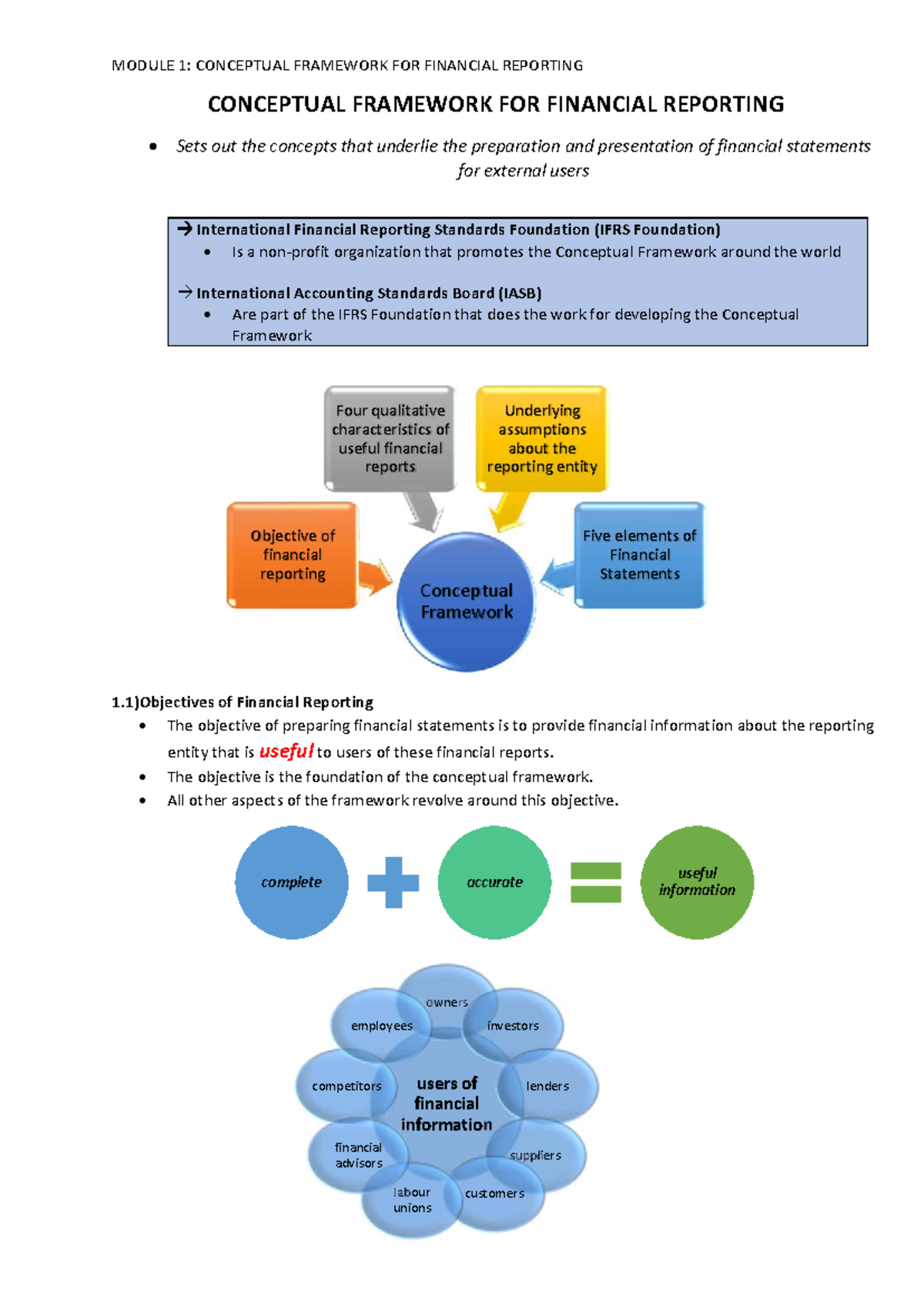
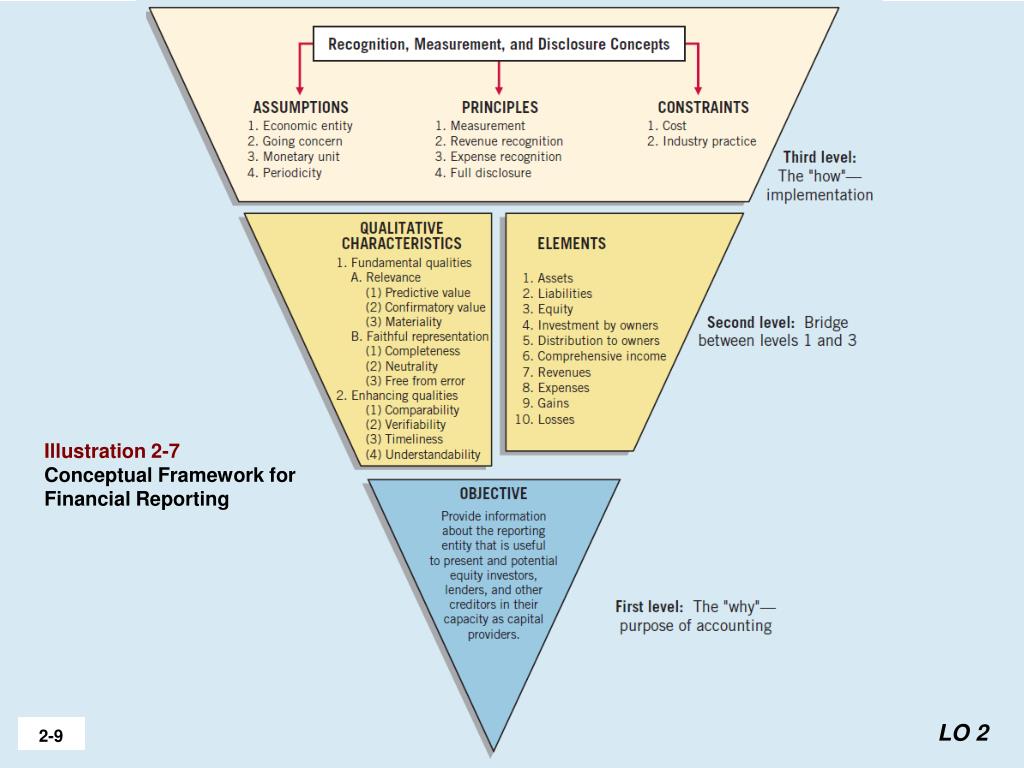
The modern business environment demands more than just historical accuracy. The "Extended Framework" represents a shift toward a holistic view of the organization, moving beyond the limitations of traditional financial statements. This expansion incorporates elements of sustainability, governance, and operational efficiency, often referred to under the umbrella of Environmental, Social, and Governance (ESG) reporting and Integrated Reporting (IR).
While the traditional accounting cycle focuses on monetary transactions, the extended framework integrates:
- Continuous Accounting: Rather than batch-processing transactions at the end of the month, modern cloud-based ERP systems allow for the continuous closing of books. This reduces the "month-end crunch" and provides stakeholders with near-real-time financial visibility.
- Non-Financial Data Integration: Modern reporting now links financial performance to operational metrics, such as supply chain carbon footprints, human capital management statistics, and data security compliance metrics.
- Automated Internal Controls: The extended framework utilizes machine learning and robotic process automation (RPA) to conduct real-time audits. By flagging anomalies as they occur, the framework acts as a preemptive check, significantly reducing the risk of fraud and material misstatement.
Comparing Traditional and Extended Reporting Frameworks
To understand the shift in modern financial reporting, it is helpful to contrast the focus and output of these methodologies.
| Feature | Traditional Accounting Cycle | Extended Reporting Framework |
|---|---|---|
| Data Scope | Primarily financial/monetary | Financial, operational, and ESG |
| Timeframe | Periodic (Monthly, Quarterly) | Real-time or Continuous |
| Primary Audience | Investors, Lenders, Regulators | Investors, Employees, Public, Regulators |
| Validation | Post-period external audit | Integrated controls and real-time verification |
| Value Focus | Historical financial performance | Value creation and long-term sustainability |
Requirements for Implementing the Extended Framework
Moving from a basic accounting cycle to an extended framework requires significant investment in infrastructure and process re-engineering. Enterprises must prioritize the following prerequisites:
Data Governance and Integration
The extended framework relies on a "Single Source of Truth." If financial data is stored in one legacy system and operational ESG data is stored in spreadsheets or separate silos, reporting will lack integrity. Organizations must implement unified Enterprise Resource Planning (ERP) systems that consolidate diverse data streams into a cohesive environment.
Technical Literacy and Skilled Human Capital
Automated reporting requires accounting professionals who function as data architects. The role of the modern accountant has expanded to include data visualization, systems analysis, and risk management. Training staff on the technical tools used for data consolidation—such as API-based reporting tools—is as vital as understanding GAAP or IFRS standards.
Regulatory Compliance and Standardized Disclosure
In 2026, regulators worldwide have increasingly codified non-financial reporting requirements. Organizations must align their extended frameworks with established standards to ensure legal defensibility. Failure to link these extended metrics to verified financial outcomes can result in "greenwashing" allegations, which pose significant reputational and legal risks.
Practical Steps for Modernizing Your Accounting Process
If your organization is looking to evolve its financial reporting, consider the following sequence of actions to bridge the gap between traditional cycles and extended frameworks.
- Audit Current Data Streams: Identify which operational metrics (e.g., energy usage, employee turnover) are currently managed outside the accounting system. Assess whether this data is reliable enough to be included in formal reports.
- Upgrade to Cloud-Based Financial Systems: Traditional on-premise accounting software rarely supports the integrations needed for real-time reporting. Transitioning to a cloud-based platform enables the automation of bank reconciliations and intercompany eliminations, which are prerequisites for a more agile cycle.
- Implement Real-Time Reconciliation: Instead of waiting until the end of the month to reconcile cash, inventory, and accounts payable, implement daily automated reconciliations. This ensures that when the cycle closes, the data is already validated.
- Develop an Integrated Dashboard: Create internal reporting dashboards that display both financial KPIs (like EBITDA and Cash Conversion Cycle) alongside non-financial indicators. This provides management with the context needed to make informed strategic decisions.
- Establish Controls for Non-Financial Data: Apply the same rigor to non-financial data as you do to financial data. This means defining ownership, establishing clear documentation, and subjecting the data to internal audit procedures.
Common Pitfalls and Troubleshooting
The transition to an extended framework is rarely seamless. Organizations often encounter specific obstacles during the implementation phase.
Data Inconsistency: A common issue arises when financial data and non-financial data use different reporting units or timeframes. To troubleshoot this, establish a master data management (MDM) strategy that forces consistency across all departmental inputs.
Automation Over-Reliance: There is a temptation to "set and forget" automated systems. However, automated logic can fail if underlying business processes change. Regular reviews of automated controls are necessary to ensure that the system is flagging the correct anomalies rather than producing false positives.
Resistance to Change: The extended framework requires collaboration between departments that traditionally worked in silos (e.g., Finance, Operations, HR). Leadership must frame the modernization as a benefit for the entire organization rather than an additional reporting burden placed on non-finance departments.
Frequently Asked Questions
How does the extended framework affect the timing of the annual audit? By moving toward continuous accounting and real-time internal controls, the extended framework creates a "rolling" audit environment. While the annual audit is still a legal requirement, the presence of clean, ongoing data reduces the intensity of the year-end audit, as errors are identified and corrected throughout the year rather than in a concentrated period.
Does the extended framework apply to small businesses? While the full complexity of an extended framework is usually reserved for large enterprises, small businesses can adopt its principles. Even a small firm can benefit from cloud-based, real-time reporting and the integration of basic operational KPIs, such as customer acquisition costs or inventory turnover rates, into their standard monthly reporting.
What is the role of Artificial Intelligence in the accounting cycle in 2026? AI is primarily used for pattern recognition in journal entries. It can predict cash flow fluctuations based on historical data and detect suspicious journal entries that fall outside standard operating parameters, essentially acting as a permanent, vigilant auditor.
Is ESG reporting mandatory under the extended framework? As of 2026, the mandate for ESG reporting depends on the jurisdiction and the size of the company. However, the extended framework is designed to satisfy these requirements proactively, even for firms that are not yet legally mandated, as it provides a competitive advantage in attracting ESG-focused capital.
How do I verify that my non-financial data is accurate? Verification involves establishing a clear audit trail for non-financial data. If you report on carbon emissions, you must maintain documentation of the calculation methods, raw meter readings, and third-party verification reports. This documentation should be stored in the same secure manner as financial invoices.
Recommendation for Action
For organizations currently operating on a traditional cycle, the most effective next step is to initiate a "Reporting Integration Assessment." Map your existing financial reports against the non-financial metrics most critical to your organization’s long-term strategy. Once identified, consolidate these metrics into your monthly reporting cadence. Do not attempt to overhaul the entire system at once; start by integrating one or two key non-financial indicators into your automated financial dashboards to establish the workflow before expanding to broader metrics.