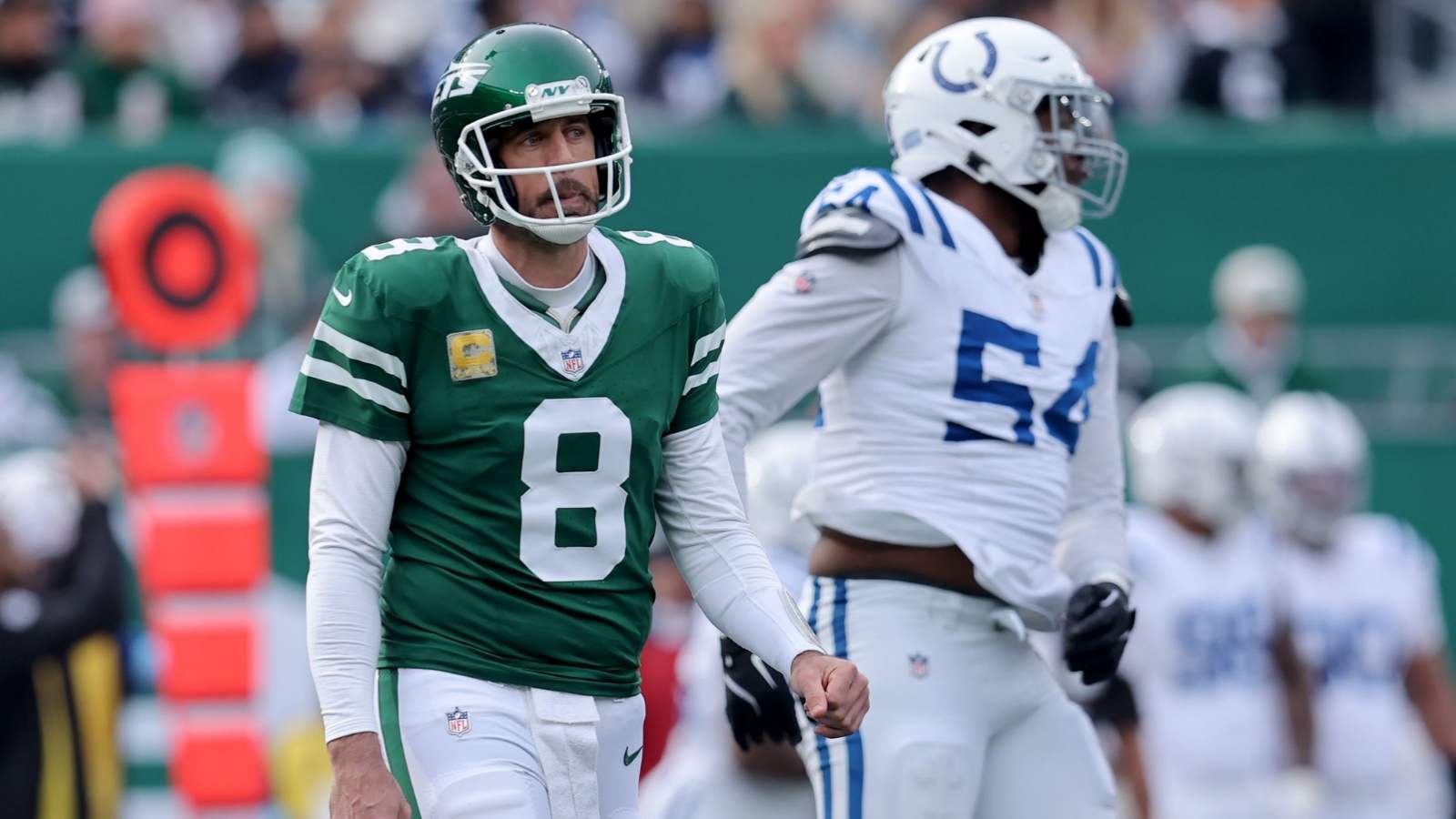
The ongoing discourse surrounding Aaron Rodgers involves a complex intersection of professional athletic performance, high-profile media appearances, and contentious public stances on medical and cultural topics. As a central figure in the National Football League (NFL) landscape through 2026, Rodgers' actions continue to trigger polarized reactions, necessitating a structured examination of how his public statements and career transitions have influenced his standing within the sports media ecosystem.
The Foundation of Public Scrutiny
To understand the current state of the controversy, one must look at the transition from Rodgers' tenure with the Green Bay Packers to his arrival at the New York Jets and his subsequent physical setbacks. The primary source of public friction consistently stems from the disconnect between his status as an elite quarterback and his frequent engagement with non-traditional media outlets, most notably The Pat McAfee Show.
Rodgers has utilized this platform to bypass traditional sports journalism, offering unfiltered commentary on topics ranging from pharmacological mandates to geopolitical events. For the audience, the "turmoil" is rarely about a single incident; rather, it is a cumulative effect of these appearances. Critics argue that his platform contributes to the spread of misinformation, while supporters view his willingness to challenge mainstream consensus as an act of courageous transparency.
Chronology of Primary Conflict Points
The narrative arc of Rodgers' recent controversies is not linear but cyclic. Each phase of the NFL season brings new opportunities for debate, which can be categorized by the specific nature of the contention:
- Medical Advocacy and Transparency: His 2021 declarations regarding his vaccination status initiated a rift between his personal agency and the league’s collective health protocols.
- Media Strategy: His choice of regular, long-form interviews on a sports-entertainment podcast rather than standard press conferences has fundamentally altered how NFL players manage their public relations.
- Cross-Disciplinary Commentary: Engaging in discussions regarding sensitive public figures and sensitive cultural events has often led to external backlash, forcing the New York Jets organization to manage the ensuing PR fallout.
Analyzing the Impact on Professional Integrity
When evaluating the professional impact of these controversies, the focus shifts to the balance between on-field utility and off-field distraction. In the context of the 2026 NFL season, the recurring question for stakeholders is whether the organizational risk associated with a high-profile, outspoken athlete outweighs the competitive advantage provided by his skill set.
Organizational Management and Media Relations
The New York Jets have faced the unique challenge of integrating a player whose personal brand often operates independently of the team’s communications department. Unlike players who maintain a traditional, sanitized public image, Rodgers operates with a "direct-to-consumer" approach. This requires the organization to perform constant damage control or, conversely, to issue statements of support that may not align with the views of the broader fan base or corporate sponsors.
| Factor | Traditional Athlete Strategy | Rodgers' Media Strategy |
|---|---|---|
| Primary Outlet | Mainstream sports press | Long-form podcast/unfiltered |
| Communication Style | Cautious, mediated by PR | Spontaneous, conversational |
| Response to Criticism | Institutional defense | Individual confrontation |
| Audience Engagement | Broad, corporate-friendly | Niche, highly loyal, polarized |
The Role of Media Platforms in Sustaining Controversy
The sustained nature of this turmoil is significantly enabled by the current media landscape. In the era of the 24-hour news cycle and the algorithm-driven popularity of short-form social media clips, controversial segments are amplified far beyond their original context.
When a segment from a weekly appearance goes viral, it often loses its nuance. For a public figure like Aaron Rodgers, this creates a feedback loop: he makes a controversial statement, the mainstream media aggregates it, he addresses the backlash on his next show, and the cycle repeats. This is a deliberate departure from the standard "no comment" approach favored by most professional athletes, turning the controversy into a pillar of his brand rather than a liability he seeks to hide.
Verification of Public Sentiment
Public sentiment remains divided along ideological and sports-fandom lines. For the average viewer or sports enthusiast, this represents a significant shift in the expectation of an athlete’s role. Historically, star athletes were expected to maintain a degree of neutrality. Rodgers’ explicit refusal to adhere to this expectation is the primary driver of the discourse. Analysts often attempt to quantify this through social media engagement metrics and merchandise sales, noting that while the sentiment may be overwhelmingly critical in specific media circles, it does not necessarily correlate with a decline in his personal popularity or career viability.
Navigating the Intersection of Personal Belief and Public Role
One of the most persistent questions during this period of turmoil is whether a professional athlete possesses the right to use their platform for non-sporting, highly contentious advocacy. Legal and contract experts point out that while NFL contracts contain morality and conduct clauses, these are typically focused on criminal activity or egregious public misconduct rather than the expression of controversial political or social views.
Ethical and Practical Implications
The ethical dilemma arises when a player’s personal speech impacts the team's ability to maintain a unified locker room or secure endorsements. From a practical standpoint, the team is limited in what they can do to silence a player of Rodgers' caliber. This creates a "talent-vs-conduct" paradox that many NFL franchises currently struggle to navigate.
- Locker Room Dynamics: Does the focus on external controversies detract from team preparation? Interviews with anonymous teammates and coaching staff throughout 2026 suggest that while the noise is a constant backdrop, elite professionals often compartmentalize this successfully.
- Corporate Sponsorship: How do partners reconcile their brand values with the polarizing nature of the athlete they endorse? This remains the most volatile variable, as shifts in public perception can lead to the termination of lucrative off-field deals.
Frequently Asked Questions
Why does Aaron Rodgers continue to speak on controversial topics?
Rodgers has consistently maintained that he values authenticity and freedom of expression. By using independent media channels, he bypasses what he terms the "agenda-driven" mainstream media, allowing him to communicate directly with his supporters. This is a deliberate choice to prioritize personal narrative over corporate-approved messaging.
How has the New York Jets organization reacted to these situations?
The organization has generally adopted a strategy of professional distance. They acknowledge the player's right to his own opinions while maintaining that the team’s focus remains on football operations. When necessary, the team has issued statements designed to clarify or distance the organization from specific controversial comments to protect brand equity.
Is the "controversy" affecting his career longevity?
There is no evidence to suggest that the controversy has hindered his physical ability to play the position. However, it has influenced his post-career trajectory. His transition from a traditional athlete to a polarizing cultural figure suggests he is building a career path in independent media, which may be more lucrative and fulfilling for him than traditional broadcasting roles.
How do other NFL players view his media approach?
Opinions are diverse. Some veterans respect his defiance of the media establishment, viewing it as a reclamation of power for the athletes. Others worry that his specific choices regarding medical and social commentary make it harder for the NFL as a whole to maintain a neutral, inclusive environment for all fans.
Practical Next Steps for Following the Situation
If you are attempting to track the ongoing developments surrounding Aaron Rodgers, it is advisable to rely on multiple, verifiable sources rather than aggregate clips on social media.
- Monitor Official Team Channels: Look for the New York Jets' official press releases when questions arise regarding team-specific policies or disciplinary actions.
- Evaluate Direct Sources: If an issue involves a specific quote, view the raw, unedited footage of the interview rather than relying on summaries from secondary outlets.
- Contextualize Trends: Compare current events to the long-term patterns of the athlete's career to distinguish between genuine news events and orchestrated media cycles.
By maintaining a focus on primary source material and identifying the difference between the athlete's on-field performance and his external media brand, one can better navigate the noise that defines the current turmoil. The situation is not merely a sports story; it is a case study in the evolution of athlete-led media in the digital age.