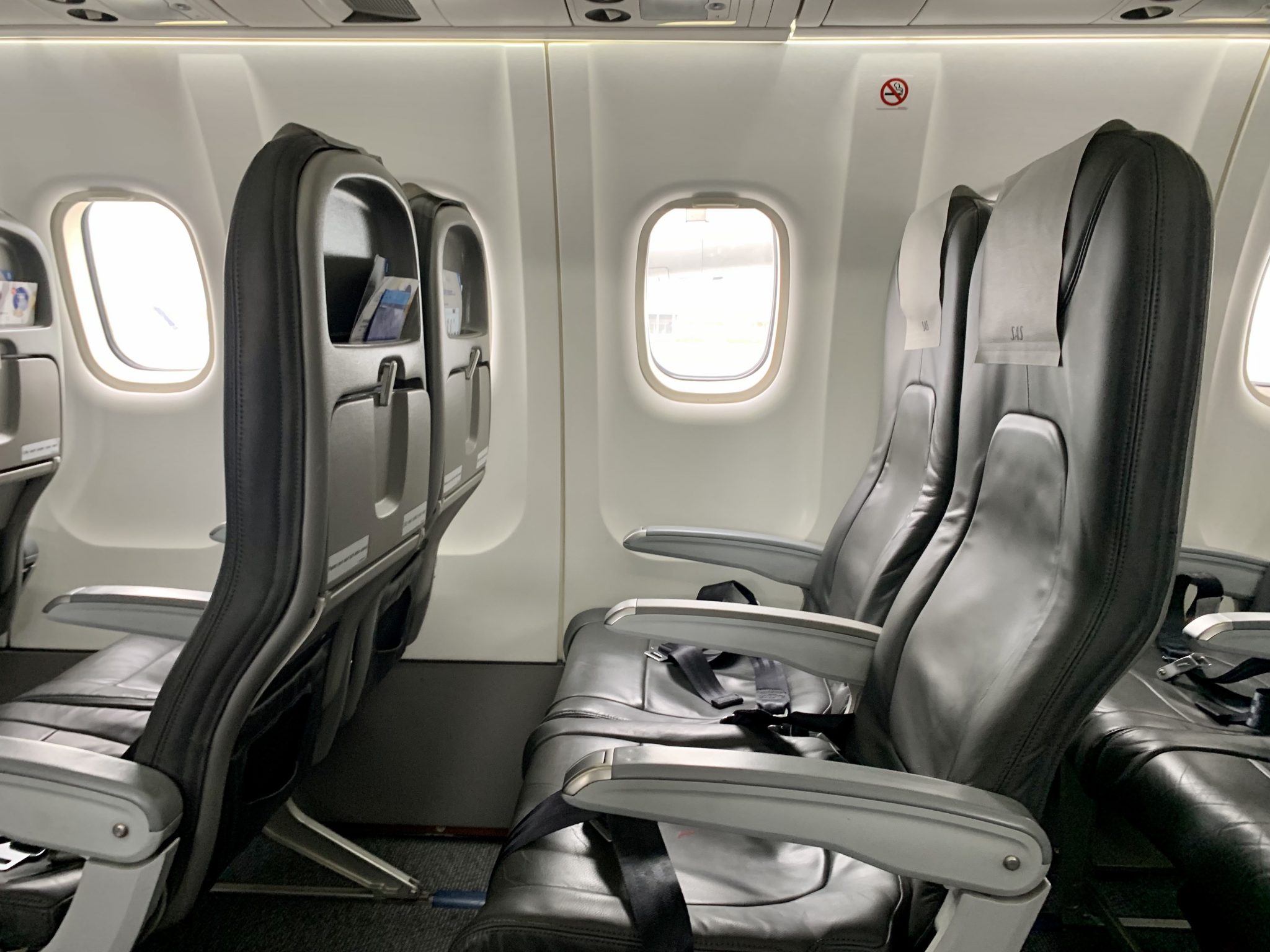
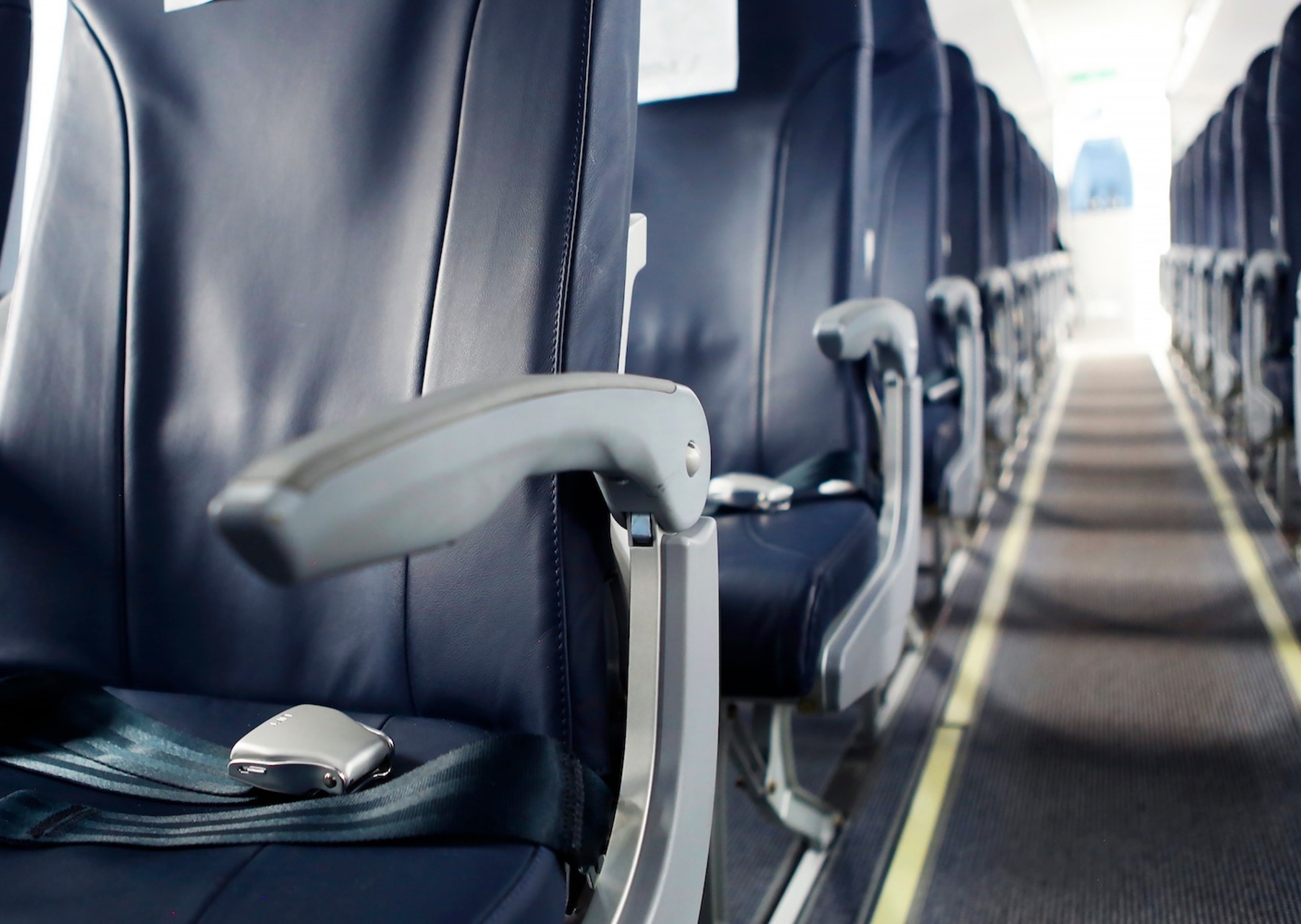
The 72-seat configuration in an ATR 72-600 offers a modern regional flying experience characterized by a 2-2 seating arrangement and the award-winning Armonia cabin. Comfort is defined by a standard 30-inch seat pitch, improved noise insulation, and upgraded overhead storage that accommodates larger carry-on bags compared to previous turboprop generations.
The ATR 72-600 remains the backbone of regional aviation in 2026, balancing operational efficiency with a passenger experience that rivals many narrow-body jets. When configured with 72 seats, the aircraft hits a "sweet spot" between airline profitability and passenger personal space. Unlike regional jets that often feel cramped due to a narrow fuselage diameter, the ATR’s cylindrical cross-section provides consistent head and shoulder room across all rows. This article examines the technical and ergonomic factors that define the 72-seat comfort profile inside this ubiquitous turboprop.
The Evolution of the Armonia Cabin
The "Armonia" cabin, designed specifically for the ATR -600 series by the Italian design house Giugiaro, represented a paradigm shift in turboprop interiors. Before the -600 series, regional turboprops were often perceived as utilitarian, loud, and cramped. The Armonia design prioritized a sense of "openness" through several key engineering choices.
First, the use of thinner, lighter materials for the side panels allowed for a slight increase in the effective cabin width at shoulder level. This is critical in a 2-2 layout where passengers are in close proximity. By sculpting the interior panels to follow the contour of the airframe more tightly, designers reclaimed precious centimeters that were previously lost to bulky insulation and older trim designs.
Second, the integration of full-spectrum LED lighting changed the psychological perception of the space. In 2026, airlines use these lighting systems to simulate different times of day, reducing the "tunnel effect" often felt in long, narrow cabins. The bright, even distribution of light makes the 72-seat layout feel less dense than it technically is.
Analyzing the 72-Seat Configuration Layout
In the ATR 72-600, the "72-seat" designation refers to a specific density that typically results in a seat pitch of approximately 30 inches (76 cm). Seat pitch is the distance from a point on one seat to the exact same point on the seat in front of it. While 30 inches is standard for economy class globally, the way this space is utilized in the ATR is unique.
Seat Pitch and Legroom
In a 72-seat layout, the use of "slimline" seats is standard. These seats feature a thinner backrest made of composite materials rather than thick foam and traditional springs. The primary advantage for the passenger is that a 30-inch pitch with a slimline seat provides roughly the same knee clearance as a 32-inch pitch with an older, bulkier seat. This allows a 6-foot-tall passenger to sit without their knees pressing into the magazine pocket, provided the airline has maintained the 30-inch standard.
Seat Width and Aisle Clearance
The ATR 72-600 offers a seat width of approximately 18 inches (45.7 cm). For context, this is wider than the seats found on many Boeing 737 aircraft, which often hover around 17 to 17.3 inches. Because there are no middle seats in the 2-2 configuration, every passenger has either an aisle or a window seat. This "no middle seat" guarantee is perhaps the strongest comfort advantage the ATR has over larger aircraft.
Seating Technology and Ergonomics
The actual hardware used in the 72-seat configuration is usually sourced from specialized manufacturers like Geven or Acro. These seats are designed with regional mission profiles in mind—typically flights lasting between 45 and 90 minutes.
Ergonomic Sculpting
Modern ATR seats feature a "scalloped" backrest. This design curves inward at the height of the passenger's knees, adding an extra inch of perceived space. Furthermore, the high-literature pocket—moving the safety card and magazines from the knee level to the eye level—is a standard feature in the 2026 service environment. This simple relocation of materials significantly reduces the physical obstruction in the lower leg area.
Recline vs. Non-Recline
Many airlines opting for the 72-seat high-efficiency layout choose "pre-reclined" seats. While some passengers view the lack of a recline button as a negative, it serves a specific comfort purpose in a dense cabin. On a 72-seat ATR, if a passenger in front reclines a traditional seat, they significantly intrude into the personal space and laptop-working area of the person behind them. Pre-reclined seats are set at an optimum angle (usually around 15-20 degrees) that balances lumbar support with the preservation of the living space for the passenger in the next row.
Cabin Environment: Noise, Vibration, and Air Quality
One cannot discuss comfort inside the ATR 72-600 without addressing the "turboprop factor." The -600 series utilizes the Pratt & Whitney Canada PW127M (or the newer XT series) engines, which are significantly more refined than older powerplants.
Active Noise and Vibration Reduction (ANVR)
The ATR 72-600 is equipped with an ANVR system. This technology uses microphones to pick up low-frequency engine noise and then generates "anti-phase" sound waves through cabin-mounted actuators to cancel it out. For the passenger in a 72-seat cabin, this means the "droning" sensation typical of propeller planes is drastically reduced. While it is not as quiet as a mid-size jet like an Airbus A220, the noise levels are low enough to hold a conversation without shouting.
The Propeller Plane Reality
Comfort varies by row due to the proximity of the propellers. In the 72-seat layout, rows 4 through 8 are generally the loudest because they are aligned with the propeller plane. However, ATR has mitigated this by adding extra layers of acoustic insulation in the fuselage "skin" in these specific zones. For the best comfort, passengers often prefer the very front or the very rear of the cabin, away from the engine vibration.
Storage and Passenger Amenities
A common complaint in regional aviation is the inability to fit standard "roll-aboard" suitcases in overhead bins. The ATR 72-600 addressed this with the Armonia cabin’s redesigned bins.
Overhead Bin Capacity
The bins in the -600 series are roughly 30% larger by volume than those in the -500 series. In a 72-seat configuration, this means approximately 70% to 80% of passengers can fit a standard IATA-sized carry-on bin-first. This reduces the stress of "gate-checking" bags, which is a major component of overall travel comfort.
Lighting and Ventilation
Each seat pair is equipped with individual air vents (gaspers) and LED reading lights. The ventilation system in the ATR 72-600 provides a total cabin air refresh every 5 to 7 minutes. In the 2026 health-conscious travel environment, the use of HEPA-standard filtration systems in these aircraft ensures that the air quality is equivalent to that of long-haul jets.
Technical Comparison of Cabin Dimensions
The following table outlines the physical dimensions that contribute to the passenger experience in a 72-seat ATR 72-600 compared to a typical regional jet (RJ) competitor.
| Feature | ATR 72-600 (72 Seats) | Typical Regional Jet (70-76 Seats) |
|---|---|---|
| Seat Configuration | 2-2 | 2-2 or 1-2 |
| Seat Width | 18.0 inches | 17.0 - 18.2 inches |
| Average Seat Pitch | 30 inches | 30 - 31 inches |
| Cabin Width (Max) | 8 feet 5 inches (2.57m) | 7 feet 10 inches - 9 feet |
| Overhead Bin Type | Large Pivot / Shelf | Standard Pivot |
| Middle Seats | Zero | Zero |
| Windows per Row | 2 large windows | 2 windows |
Selecting the Best Seats for Comfort
Not all seats in a 72-seat ATR 72-600 are created equal. Because of the aircraft's unique design—such as the high-wing configuration and the rear-entry door—seat selection is a vital part of the comfort equation.
- The Rear Advantage: Unlike most planes, the ATR 72-600 is boarded from the rear. Passengers sitting in the last few rows (Rows 17-18) will be the first to deplane. This is a significant "temporal comfort" factor for travelers with tight connections.
- The Front for Quiet: Rows 1 and 2 are furthest from the engines and provide the quietest ride. However, they are also the furthest from the exit door, meaning a longer wait to deplane.
- The Wing View: Because the ATR is a high-wing aircraft, every window seat offers an unobstructed view of the ground. There is no wing blocking the downward sightline, which is a major "scenic comfort" benefit for leisure travelers.
- Bulkhead (Row 1): Row 1 usually offers additional legroom because there is no seat in front. However, all carry-on items must be placed in the overhead bins for takeoff and landing, as there is no under-seat storage.
Limitations of the 72-Seat Layout
While the ATR 72-600 is highly optimized, there are inherent limitations to the turboprop comfort experience. The cabin height is approximately 6 feet 3 inches (1.91m). While this is sufficient for most, very tall passengers may find the ceiling height in the aisle somewhat restrictive.
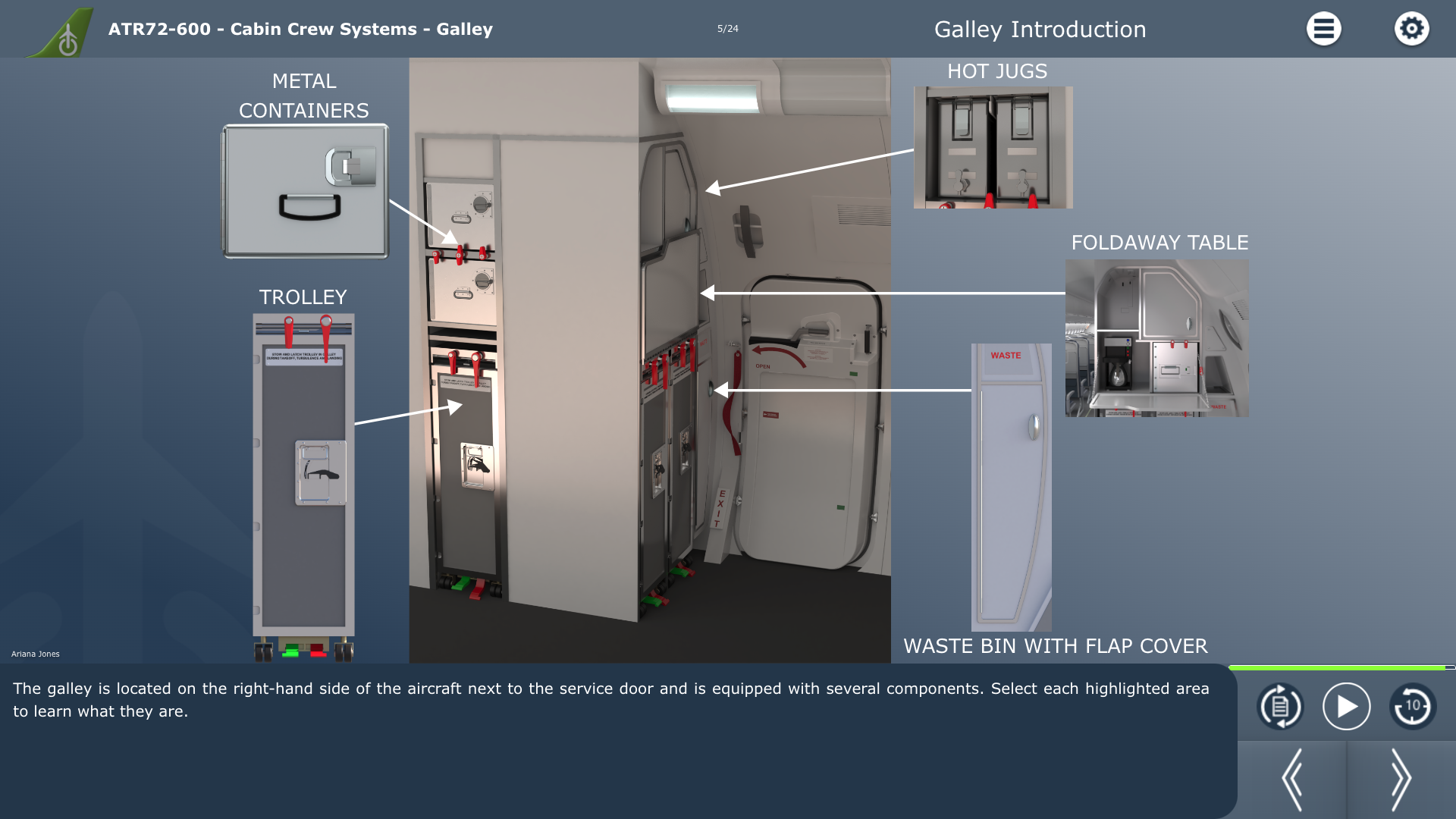
Additionally, the lavatory on the ATR 72-600 is located at the rear of the aircraft. In a 72-seat full flight, the aisle can become congested near the back if passengers are waiting to use the facilities while others are trying to access the galley or the exit. The galley itself is also relatively small, meaning meal service is usually limited to snacks and drinks, though this is appropriate for the short stage lengths the aircraft flies.
Expert Guidance for Regional Travelers
When booking a flight on an ATR 72-600 in 2026, check the airline's specific seat map. While 72 seats is the standard, some low-cost carriers may push the configuration to 78 seats. If you see 78 seats, expect the pitch to drop to 28 inches, which significantly alters the comfort level.
For the best experience, aim for the "A" or "F" seats (window) to take advantage of the high-wing views, and try to book seats in the first three rows if you prioritize a quiet cabin, or the last three rows if you prioritize a quick exit.
FAQ
Is the ATR 72-600 loud inside? The ATR 72-600 is significantly quieter than older turboprops thanks to the Active Noise and Vibration Reduction (ANVR) system and the new PW127XT engines. While there is a distinct "hum" from the propellers, it is comparable to the noise level in the rear of a narrow-body jet.
Do the seats on an ATR 72-600 recline? It depends on the airline. Many airlines use "pre-reclined" slimline seats in the 72-seat configuration to ensure that every passenger maintains their personal knee room. Some full-service carriers still offer traditional reclining seats with a 2-3 inch tilt.
Can I fit a standard carry-on bag in the ATR 72-600 overhead bin? Yes. One of the major upgrades of the -600 series Armonia cabin was the enlarged overhead bins. They are designed to hold standard "roll-aboard" bags, although very oversized items may still need to be gate-checked due to the curve of the fuselage.
Are there power outlets or Wi-Fi on the ATR 72-600? Many airlines operating the ATR 72-600 in 2026 have retrofitted or ordered their aircraft with USB-A or USB-C charging ports. Some also offer streaming Wi-Fi (IFE), where you can watch movies on your own device, though high-speed satellite internet is less common on these regional routes.
Where is the best place to sit to avoid vibration? The vibration is most noticeable in the "propeller arc," which is generally around rows 4 through 7. Sitting at the very front (Rows 1-2) or toward the back (Rows 14-18) will provide the smoothest and quietest experience.
Final Recommendation: For the optimal balance of comfort and convenience on a 72-seat ATR 72-600, choose a seat in the last three rows (16, 17, or 18). You will benefit from being the first to deplane at the rear exit, experience less engine noise than the middle rows, and still enjoy the 18-inch seat width and high-wing views that define this regional workhorse.