A standout performance in the adult entertainment industry is defined by a combination of professional boundary setting, physical stamina, marketing acumen, and psychological awareness. Success for a stripper—or independent dancer—relies on treating one’s work as a high-performance career, where the ability to read the room, maintain impeccable grooming, and ensure financial safety determines long-term viability and client retention.
Performing in an adult club is a multifaceted skill set that merges dance, salesmanship, and psychological intuition. Whether you are a newcomer navigating your first year or a seasoned professional looking to refine your stage presence, success in 2026 demands a strategic approach to both your physical craft and your business operations.
1. Prioritize Physical Conditioning and Stamina
Dancing is an athletic pursuit. Performing under hot stage lights while wearing high-impact footwear requires significant core strength, flexibility, and cardiovascular endurance. To maintain a "standout" status, you must treat your body like an athlete’s.
- Strength Training: Focus on functional movements that support pole climbing, such as pull-ups, rows, and deadlifts. These improve your ability to hold complex poses for extended periods.
- Flexibility and Recovery: Daily stretching prevents muscle stiffness. Incorporate foam rolling and consistent hydration into your pre-shift routine. A dancer who moves with fluidity and control is infinitely more captivating than one who looks visibly exhausted.
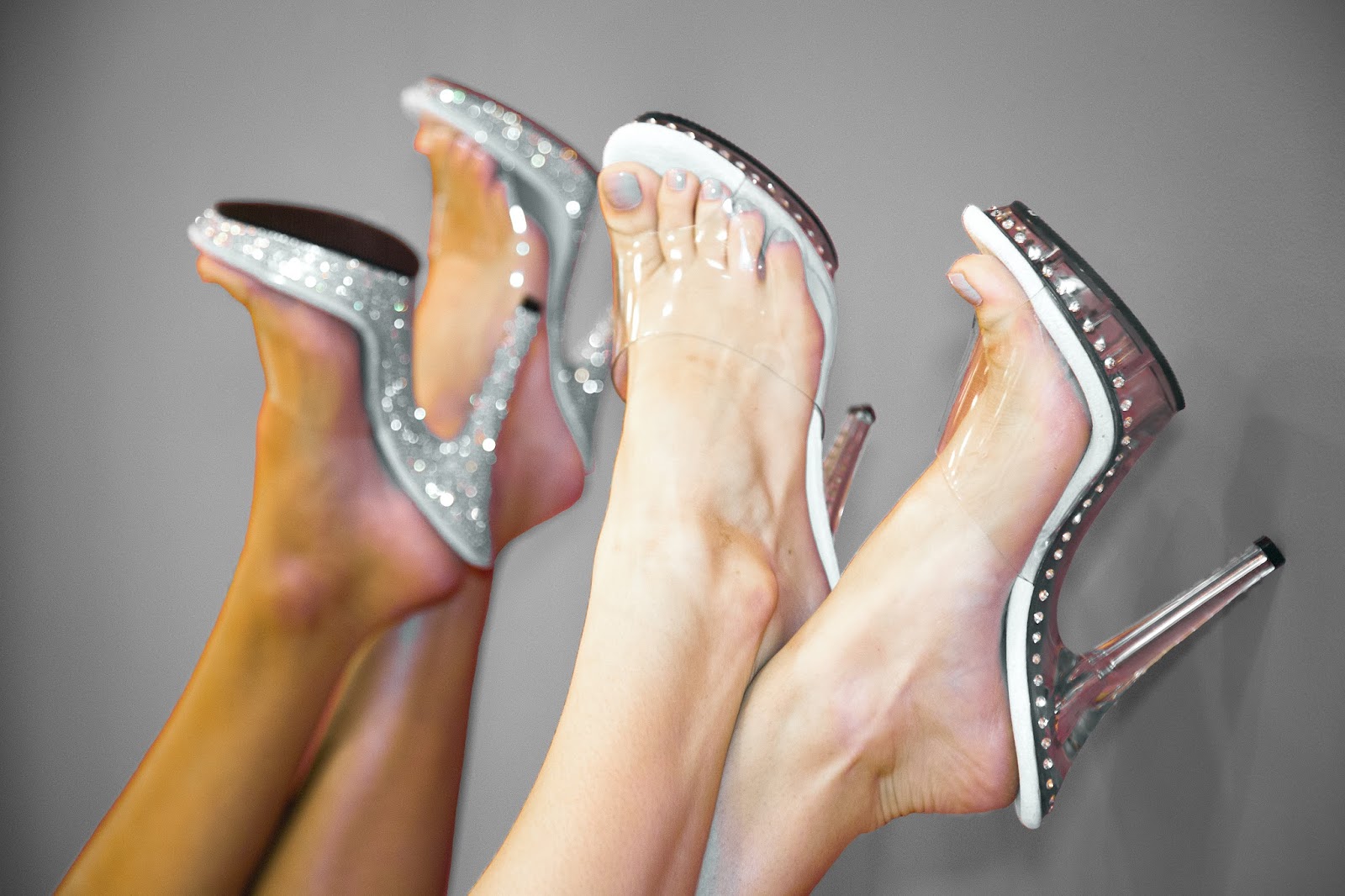
- Foot Care: Your feet are your most important asset. Invest in high-quality, professional-grade platform shoes designed for safety, and always have emergency supplies for blisters, such as specialized athletic tape or hydrocolloid bandages.
2. Master the Art of the "Room Read"
The most successful performers are those who can instantly assess the energy and intent of a potential client. Understanding how to approach a customer requires observing their body language and social cues before a single word is spoken.
- The Approach: Avoid being overly aggressive. Instead, offer a welcoming smile and a casual greeting that invites engagement without pressure.
- Emotional Intelligence: Distinguish between a client who is looking for a listener, one who wants a high-energy experience, and one who simply wants to watch the show. Adjust your performance style—your tempo, your eye contact, and your level of conversation—to meet the specific needs of the individual in front of you.
- Consistency: The best dancers provide a consistent experience, even when they are having an off day. Your ability to remain professional and engaging regardless of your personal mood is what builds a loyal client base.
3. Curate Your Visual Brand and Aesthetic
In a competitive environment, your visual presentation acts as your "uniform" and your personal brand. This goes beyond just wearing expensive outfits; it is about cohesion, fit, and cleanliness.
- Tailoring: Ensure every outfit fits perfectly. A garment that stays in place allows you to dance with confidence. Use professional-grade adhesives or fashion tape to avoid wardrobe malfunctions.
- Grooming: Meticulous grooming is the industry standard. This includes skincare, hair maintenance, and high-quality makeup application. In 2026, many performers are opting for high-definition, stage-ready cosmetics that remain vibrant under harsh club lighting.
- Versatility: Keep a variety of looks in your rotation. Different nights and different client demographics may respond better to different aesthetics, from classic glamour to modern, edgy styles.
4. Implement Rigorous Financial and Safety Protocols
A standout performance is only valuable if you are paid appropriately and are working in a safe environment. Treating your work as a business rather than a hobby is the most important step in longevity.
- Independent Accounting: Use digital tools or specialized bookkeeping apps to track your nightly income, tip distributions, and work-related expenses (such as house fees, wardrobe, and transportation).
- Safety Boundaries: Establish your "No" early and firmly. Whether it is physical touch, conversation topics, or after-hours communication, setting clear boundaries protects your mental health and professional reputation.
- Staff Relations: Cultivate a positive, professional relationship with house managers, security staff, and DJs. They are your allies in the club environment, and a good rapport with the floor team can significantly improve your safety and operational efficiency.
5. Develop Advanced Pole and Dance Technique
While "standout" does not always mean the most athletic, technical proficiency gives you a distinct advantage. If you incorporate the pole, ensure your transitions are seamless.
- Floorwork: Often, the most memorable performances happen on the floor. Develop a repertoire of fluid movements that transition between the stage and the client.
- Flow: Focus on "flow"—the ability to link movements together without awkward pauses. This requires practice. Even if you are not an acrobat, mastering the basics—spins, dips, and slides—will make you appear more composed and elegant.
- Music Awareness: Learn to move in time with the music. Nothing disrupts a performance faster than a dancer who is off-beat. Choose music that complements your movement style and allows for expressive, rather than just athletic, performance.
6. Cultivate an Engaging Persona
Clients often return to the club to see a specific performer, not just because of the dance, but because of the connection they feel. Your persona is the version of yourself you bring to the floor.
- Authenticity: Even within a persona, being "real" creates a deeper connection. Find a way to incorporate your own personality—your humor, your intellect, or your kindness—into your interactions.
- Active Listening: If a client is talking, listen. Often, the best "performance" a dancer can give is simply being an attentive, non-judgmental presence. This level of service is high-value and encourages repeat business.
- Confidence: Confidence is magnetic. When you walk into a room with self-assurance, your energy commands attention. This is often more important than any specific dance move.
7. Strategic Self-Marketing and Networking
In the modern club landscape, self-marketing is essential. Your ability to draw a crowd or retain regulars is the primary driver of your income.
- Regulars Management: Maintain a professional database (in your private notes) of your regular clients’ preferences. Knowing a client’s favorite drink or preferred conversation topic makes them feel valued.
- Professionalism: Always be on time and prepared. Reliability is a rare trait in any industry; in the adult entertainment industry, it stands out immediately to both management and clientele.
- Networking: Engage with other dancers. Share tips on safe clubs, marketing strategies, and industry updates. A supportive network can help you navigate the complexities of the industry and provide mentorship.
Essential Performance Factors Comparison
| Feature | Amateur Approach | Pro/Standout Approach |
|---|---|---|
| Preparation | Last-minute, disorganized | Planned outfits, routine, and gear |
| Client Interaction | Generic/Passive | Targeted/Active Listening |
| Financial Tracking | Cash-in-hand only | Tracked income/Expenses/Taxes |
| Stage Presence | Focus on intensity | Focus on flow and confidence |
| Safety | Reactive | Proactive/Clear boundaries |
Frequently Asked Questions
How can I improve my stage presence if I am naturally shy? Focus on your "stage persona." Treat it as a character you are playing—a version of yourself that is bold and confident. Over time, the confidence you project on stage will begin to feel more natural in your everyday life.
Is it necessary to have advanced pole skills to be successful? Not necessarily. While pole skills are impressive, many successful dancers focus on fluid floorwork, strong communication, and excellent customer service. Being the person people enjoy talking to is often just as profitable as being the most skilled dancer.
How do I handle unwanted attention or pressure? The most effective way is to communicate your boundaries clearly and calmly. If a client ignores these boundaries, involve club security immediately. Never compromise your safety or comfort for a tip.
What is the best way to maintain professional relationships with other dancers? Approach other dancers with a spirit of collaboration rather than competition. Share resources, provide support when needed, and maintain a respectful professional distance. The industry is smaller than it seems, and your reputation among peers matters.
How often should I update my look? Refresh your aesthetic periodically to keep your brand feeling current. This doesn't mean changing your entire look, but rather experimenting with new styles, colors, or themes that keep your regulars interested and engaged.
Final Recommendation
To achieve long-term success, focus on consistency. A standout performance is not a one-time event; it is the culmination of daily habits, disciplined self-care, and a commitment to professional growth. Prioritize your safety, track your finances, and treat your career with the same respect you would give any other high-performance profession. Start by auditing your current routine—pick one of the seven tips above to focus on this month—and build from there.