Securing life insurance while living with HIV has evolved significantly, transitioning from a near-impossibility to a manageable process supported by specialized underwriting guidelines, modern antiretroviral therapies, and inclusive carrier products.
Historically, an HIV diagnosis meant an automatic denial from almost every major life insurance provider. However, medical advancements in viral suppression and life expectancy have transformed how insurers evaluate risk. Today, individuals managing Human Immunodeficiency Virus can find comprehensive coverage, ranging from traditional term policies to simplified issue and guaranteed acceptance plans, provided they meet specific clinical criteria and maintain consistent care.
Understanding Life Insurance Underwriting for HIV Positive Individuals
To navigate the market effectively, applicants must understand how life insurance underwriters assess HIV status. Underwriters look beyond the mere presence of the virus, focusing instead on overall health stability, immune function, and treatment adherence.
Key Underwriting Metrics
When evaluating an application, medical underwriters typically request an attending physician statement (APS), recent lab results, and a paramedical exam that includes blood and urine testing. The two most critical clinical markers examined are:
- CD4 Count: This measures the health of the immune system by counting CD4 T-lymphocytes. A higher count generally indicates a stronger immune system. Underwriters typically look for counts within a normal or stable range (often above 500 cells/mm³).
- Viral Load: This measures the amount of HIV virus present in the blood. The primary goal of modern antiretroviral therapy (ART) is achieving an "undetectable" viral load. Policies with favorable rates are almost exclusively available to individuals who have maintained an undetectable viral load for a sustained period, usually at least 12 to 24 consecutive months.
General Health and Lifestyle Factors
Beyond HIV-specific metrics, underwriters evaluate standard risk factors that influence life insurance pricing for anyone:
- Medication Adherence: Proof that the applicant takes prescribed antiretroviral medications consistently and attends regular check-ups with an infectious disease specialist or primary care physician.
- Co-morbidities: The presence of other health conditions, such as Hepatitis B or C coinfections, cardiovascular issues, diabetes, or a history of smoking, heavily impacts underwriting decisions and available product tiers.
- Lifestyle Habits: Alcohol consumption, recreational drug use, and driving records continue to factor into risk assessment.
7 Best Life Insurance Options and Carriers for HIV Positive Individuals
Because underwriting standards vary drastically between companies, selecting the right provider or product type is vital. Some traditional carriers now welcome well-managed HIV cases for fully underwritten term policies, while specialized or alternative options serve those who may not qualify for traditional coverage.
1. Traditional Term Life Insurance (Through Specialized Insurers)
For healthy individuals with well-managed HIV, traditional term life insurance is often the best and most affordable choice. Several major carriers have updated their underwriting manuals to offer standard or even near-standard rates to individuals on stable ART regimens.
- Best For: Individuals with an undetectable viral load, high CD4 counts, no tobacco use, and no major co-morbidities.
- Advantages: Offers the highest coverage amounts (hundreds of thousands or millions of dollars) at the lowest relative cost per thousand of coverage.
- Limitations: Requires comprehensive medical exams, lab work, and a thorough review of medical records. Approval is not guaranteed.
2. Traditional Whole Life Insurance
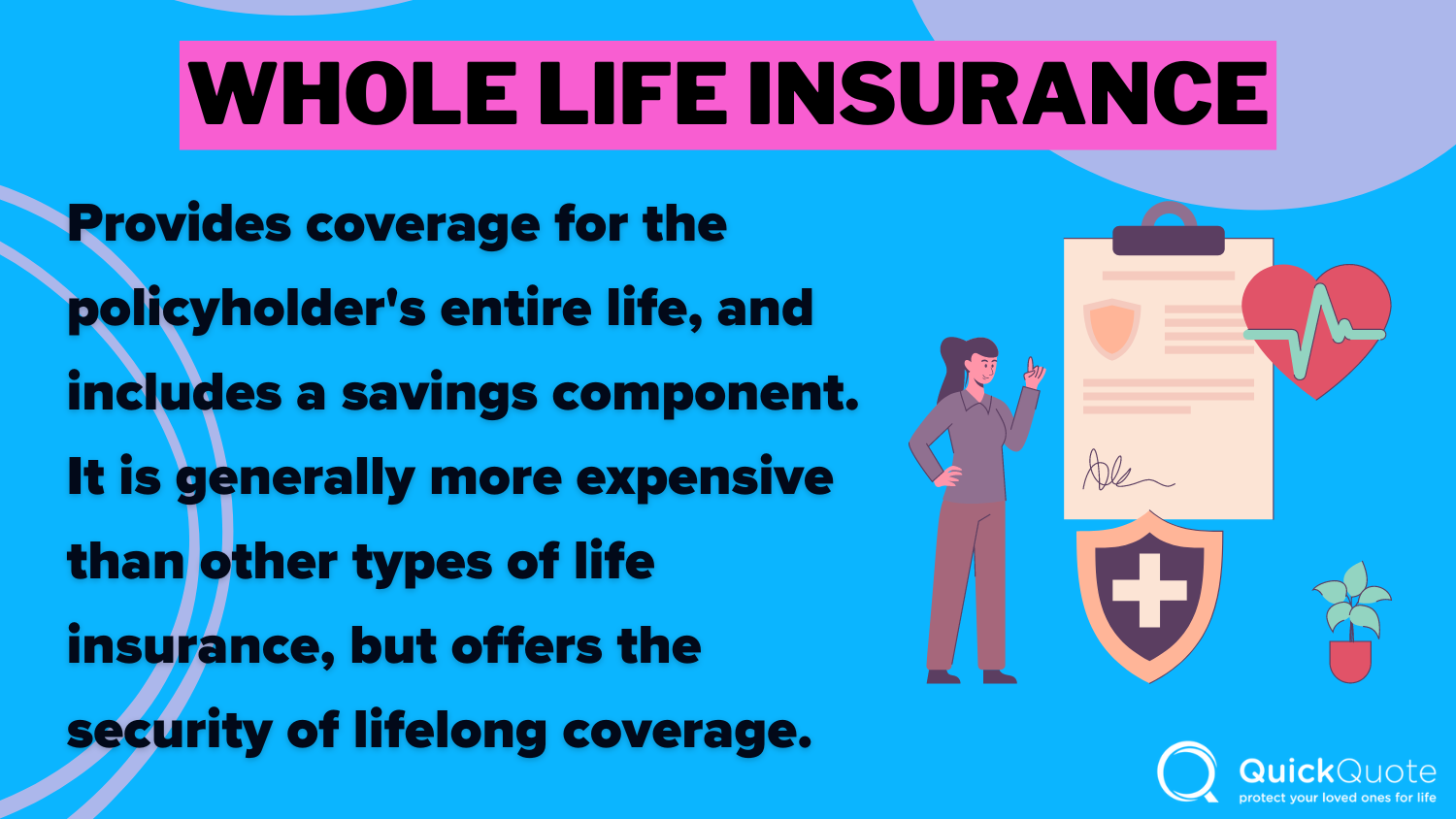
Whole life insurance provides permanent coverage that builds cash value over time. Like term insurance, progressive carriers will consider whole life applications from HIV-positive individuals who demonstrate long-term medical stability and adherence to treatment.
- Best For: Individuals seeking lifelong protection, estate planning tools, or a policy that accumulates cash value.
- Advantages: Premiums remain level for life, and the death benefit is guaranteed as long as premiums are paid.
- Limitations: Significantly more expensive than term insurance; underwriting standards remain strict.
3. Simplified Issue Term or Whole Life Insurance
Simplified issue policies do not require a medical exam or bodily fluid samples, relying instead on a health questionnaire and a database check (such as MIB and prescription history).
- Best For: Individuals who want to avoid needles and medical exams, or those with mild secondary health conditions that might complicate a fully underwritten exam.
- Advantages: Faster approval times (often days rather than weeks) and no paramedical exam required.
- Limitations: Coverage amounts are usually capped lower (frequently between $50,000 and $100,000), and premium rates are higher than fully underwritten traditional policies because the insurer assumes more blind risk.
4. Guaranteed Acceptance Life Insurance
Guaranteed acceptance policies do not ask medical questions and cannot deny coverage based on health status, including an HIV diagnosis. These are typically whole life policies designed for final expenses.
- Best For: Older individuals or those with complex health histories who have been denied traditional or simplified coverage.
- Advantages: 100% acceptance regardless of medical history; no medical exam or health questions.
- Limitations: Features a graded death benefit, meaning if the insured dies of natural causes within the first two years of the policy, the beneficiary receives only a refund of premiums plus interest (though accidental death is usually covered immediately). Coverage amounts are low (typically $10,000 to $25,000), and premiums are high relative to the payout.
5. Group Life Insurance (Employer-Sponsored)
Many employers offer group life insurance as a workplace benefit, often providing a baseline coverage amount (such as one or two times your salary) at little to no cost.
- Best For: Employees working for companies that offer group benefits.
- Advantages: Typically guaranteed issue up to a certain threshold (the "guaranteed issue limit") with zero medical underwriting or health questions asked. An HIV diagnosis cannot be used to deny basic group coverage.
- Limitations: Coverage is tied to employment; if you leave the job, the policy usually does not travel with you (though some allow conversion to an individual policy at significantly higher rates). Supplemental group coverage beyond the basic limit may still require medical underwriting.
6. Mortgage Protection Insurance (Specialized Term)
Mortgage protection insurance is a specialized form of decreasing term life insurance designed specifically to pay off a home mortgage balance if the policyholder passes away.
- Best For: Homeowners looking to secure housing for their families without purchasing a broad, standalone term policy.
- Advantages: Can sometimes be acquired through simplified underwriting channels depending on the issuing institution.
- Limitations: The death benefit decreases over time in tandem with the mortgage principal, and medical underwriting standards still apply to fully underwritten variants.
7. Universal Life Insurance (Indexed or Variable)
Universal life insurance is a form of permanent life insurance offering flexible premiums and adjustable death benefits, tied to financial markets or fixed interest accounts.
- Best For: High earners with complex financial portfolios who require permanent protection and investment-linked cash growth.
- Advantages: Flexibility in premium payments and potential for cash value growth.
- Limitations: Highly complex, subject to stringent underwriting, and poses financial risks if market performance falters or cash value depletes.
Comparison of Life Insurance Options for HIV Positive Individuals
| Policy Type | Medical Exam Required? | Max Coverage Potential | Cost Level | Best Suited For |
|---|---|---|---|---|
| Traditional Term | Yes | High ($500k+) | Low to Moderate | Healthy individuals with undetectable viral loads. |
| Traditional Whole | Yes | High ($250k+) | High | Permanent coverage and cash value accumulation. |
| Simplified Issue | No | Moderate ($50k–$100k) | Moderate to High | Those avoiding medical exams with stable health. |
| Guaranteed Acceptance | No | Low ($10k–$25k) | Very High | Individuals unable to qualify for medically underwritten plans. |
| Group (Employer) | No (usually) | Varies by employer | Low (often free) | Employees utilizing workplace benefits. |
| Mortgage Protection | Varies | Equal to mortgage balance | Moderate | Homeowners protecting real estate debt. |
| Universal Life | Yes | High ($500k+) | High | Flexible permanent coverage and wealth planning. |
Steps to Take When Applying for Coverage
Navigating the application process successfully requires preparation and transparency. Follow these steps to optimize your chances of approval and secure the best possible rate:
- Work with an Independent Broker: Do not apply directly to a single insurance company. Independent brokers work with multiple carriers and know which insurance companies have the most progressive underwriting guidelines for HIV-positive applicants.
- Gather Your Medical Records: Be prepared to provide detailed documentation of your diagnosis history, current prescriptions, lab results showing stable CD4 counts, and records confirming an undetectable viral load over the past 12 to 24 months.
- Maintain Treatment Consistency: Underwriters look for stability. Ensure your medical file reflects regular visits to your healthcare provider and strict adherence to your antiretroviral regimen.
- Disclose Accurately: Never hide an HIV diagnosis on an application. Non-disclosure is insurance fraud and can result in the carrier denying a claim when your beneficiaries need it most.
- Consider Reconsideration Provisions: If you are currently paying higher rates due to a recent diagnosis or temporary spike in viral load, ask your broker about a "reconsideration clause." Many insurers allow you to re-apply for better rates after maintaining stable health metrics for a consecutive 12-to-24-month period.
Frequently Asked Questions
Can I get denied life insurance simply for being HIV positive?
While historical blanket denials were common, modern underwriting guidelines prohibit arbitrary rejections solely based on an HIV diagnosis by progressive carriers. However, if an applicant has unmanaged HIV, low CD4 counts, a detectable viral load, or serious co-morbidities, a traditional carrier may decline coverage, at which point guaranteed acceptance or group options become necessary.
How much does life insurance cost for someone with HIV?
Pricing depends heavily on your overall health profile, age, and policy type. If you have an undetectable viral load, a high CD4 count, and no tobacco use, you may qualify for standard or table-rated term insurance, which is much more affordable than guaranteed acceptance plans. Smokers or individuals with co-morbidities will face higher premium rates.
Do I have to take a blood test to qualify?
It depends on the policy type. Fully underwritten traditional term and whole life policies require a paramedical exam, which includes drawing blood and testing urine (including an HIV antibody/antigen screen). If you prefer to skip medical testing, you can opt for simplified issue or guaranteed acceptance policies, though these come with lower coverage limits and higher costs.
What happens if my viral load is detectable?
A detectable viral load signals to underwriters that the virus is actively replicating, which significantly increases perceived mortality risk. In these cases, traditional fully underwritten carriers will typically postpone or deny coverage until viral suppression is achieved and maintained for a stable period. Alternative routes, such as group life insurance or guaranteed acceptance policies, remain available during this time.
Can my insurance company cancel my policy if I contract HIV later in life?
No. Once a permanent or term life insurance policy is successfully issued, the contract is legally binding. As long as you continue to pay your premiums on time, the insurance company cannot cancel your policy, raise your rates outside of contractual terms, or deny a death benefit based on a subsequent health diagnosis, including contracting HIV.
Conclusion and Next Actions
Securing life insurance while living with HIV is entirely achievable, thanks to advancements in medical treatment and progressive underwriting standards. Your immediate next step is to consult an experienced, independent insurance broker who specializes in impaired risk or high-risk underwriting. Compile your recent lab results and medication history, discuss your coverage goals, and compare quotes across multiple carriers to find a policy that protects your financial future and provides peace of mind for your loved ones.