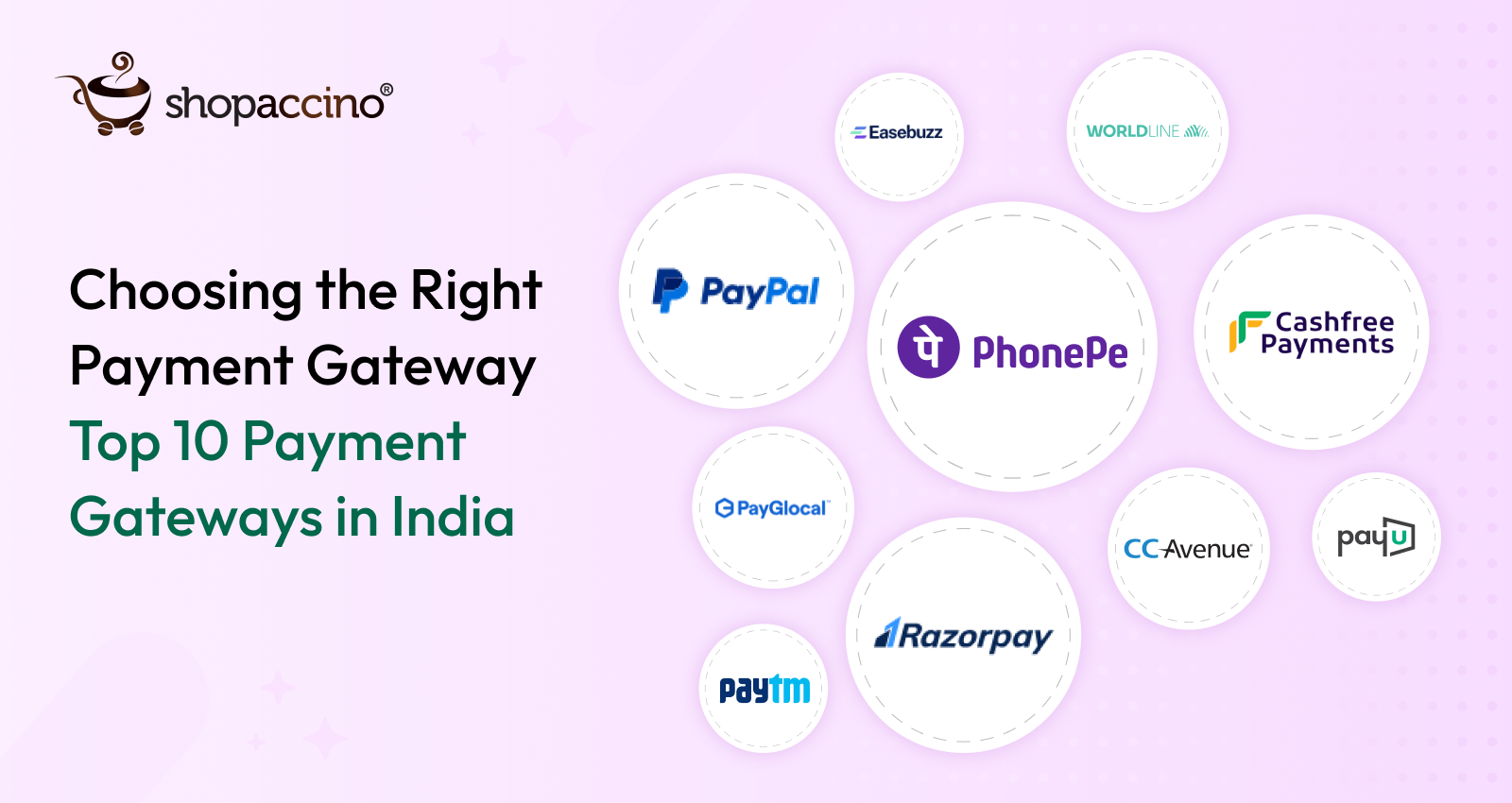
In 2026, the Indian digital payment landscape is dominated by five major players: Razorpay, PhonePe, Paytm, Cashfree, and Pine Labs. Choosing the right provider depends on your business's specific needs regarding transaction success rates, API flexibility, settlement speeds, and the integration of offline-to-online (O2O) payment channels.
The evolution of India’s fintech sector has transitioned from simple mobile wallets to sophisticated financial operating systems. For businesses operating in 2026, a payment provider is no longer just a "gateway" but a strategic partner that manages cash flow, tax compliance, and customer credit. The Reserve Bank of India (RBI) has tightened the regulatory framework around Payment Aggregator (PA) licenses, ensuring that only the most resilient and compliant entities remain at the forefront.
1. Razorpay: The Full-Stack Financial Suite
Razorpay remains the benchmark for developer-centric payment solutions in India. As of 2026, it has expanded far beyond a simple gateway into a comprehensive "neo-banking" ecosystem for businesses. Its primary appeal lies in its "Razorpay 2.0" architecture, which prioritizes seamless API integrations and high-speed checkout experiences.
Technical Infrastructure and Integration
Razorpay’s infrastructure is built for high availability. In 2026, their checkout flow utilizes advanced machine learning to predict which payment method (UPI, Card, or Netbanking) has the highest probability of success at any given moment, routing the transaction accordingly. Their documentation is widely considered the gold standard in the industry, making it the preferred choice for startups and SaaS enterprises that require custom-built checkout pages.
Key Product Verticals
- RazorpayX: A business banking platform that allows companies to automate payroll, vendor payments, and tax filings directly from their dashboard.
- Razorpay Magic Checkout: An AI-driven checkout layer that pre-fills customer details (address and contact info) across thousands of websites, significantly reducing cart abandonment.
- International Payments: In 2026, Razorpay has deepened its integration with global networks, allowing Indian merchants to accept over 100 foreign currencies with real-time conversion and compliant reporting.
2. PhonePe: The UPI Powerhouse
While PhonePe started as a consumer-facing UPI app, it has successfully pivoted into the merchant space with the PhonePe Payment Gateway. Given its massive consumer base—over 500 million registered users as of 2026—PhonePe offers an unparalleled advantage: "One-Click" UPI payments that bypass the need for external app switching.
The Network Advantage
PhonePe’s biggest strength is its data. By processing nearly half of all UPI transactions in India, the company has a deep understanding of consumer behavior. For merchants, this translates to higher conversion rates among users who already have the PhonePe app installed. Their "hyper-local" strategy also bridges the gap between digital payments and physical storefronts through advanced QR code deployments.
Merchant Services
- PhonePe Switch: A platform where businesses can host their progressive web apps (PWAs) directly inside the PhonePe app, gaining access to a massive pre-verified audience.
- Guardian by PhonePe: A specialized fraud detection system that uses historical transaction patterns to flag high-risk payments before they are processed.
- Custom SDKs: Their mobile-first SDKs are optimized for low-bandwidth environments, ensuring that transactions go through even in areas with inconsistent 5G coverage.
3. Paytm: The Resilient Ecosystem
After navigating significant regulatory shifts in 2024, Paytm has re-emerged in 2026 as a pure-play fintech service provider. While it no longer operates through its own banking wing, it functions as a leading Third-Party Application Provider (TPAP), partnering with major traditional banks to provide robust payment services to millions of small and medium enterprises (SMEs).
Omnichannel Focus
Paytm remains the undisputed leader in offline digital payments. Its iconic "Soundbox" and Point of Sale (PoS) devices are integrated deeply into its online gateway. This allows a merchant to have a unified view of their sales, whether a customer paid via a website or at a physical counter.
Core Strengths for 2026
- Unified Dashboard: A single interface for tracking UPI, EMI, and "Buy Now, Pay Later" (BNPL) transactions.
- Paytm Postpaid: Their credit product remains a popular choice for young consumers, and merchants who enable it often see a 20-30% increase in average ticket size.
- AdTech Integration: Paytm provides merchants with tools to run targeted marketing campaigns and loyalty programs based on real-time transaction data.
4. Cashfree: The Automation Specialist
Cashfree has carved out a niche as the "engine" behind high-volume, complex payment operations. It is particularly favored by large-scale e-commerce players, NBFCs (Non-Banking Financial Companies), and platforms that require automated payouts to vendors or partners.
Specialized Payouts and Reconciliations
Unlike basic gateways that focus only on "collecting" money, Cashfree excels at "disbursing" it. Their Payouts API is one of the fastest in the market, capable of handling thousands of simultaneous transfers to bank accounts, wallets, or cards 24/7, including on bank holidays.
Advanced Features
- Auto-Collect: Automatically creates virtual bank accounts for customers, enabling effortless reconciliation of NEFT, RTGS, and IMPS transfers.
- Verification Suite: Includes built-in tools for real-time PAN, Aadhaar, and bank account verification (Penny Drop), which is critical for businesses in the insurance, gaming, and fintech sectors.
- Global Collections: Allows Indian exporters to receive payments in local accounts in the US, UK, and EU, simplifying cross-border trade.
5. Pine Labs: The Enterprise & Offline Leader
Pine Labs is the go-to provider for large retail chains and enterprise-level merchants. While traditionally an offline player, its online brand, Plural, has become a formidable competitor in the digital gateway space by 2026.
Enterprise Grade Reliability
Pine Labs focuses on reliability and high-value transactions. Their systems are designed to handle the rigorous demands of multi-store retailers who need complex settlement structures across different legal entities.
Key Offerings
- Plural Console: An advanced payment orchestrator that allows enterprises to manage multiple payment gateways through a single integration, providing redundancy and higher success rates.
- Affordability Solutions: Pine Labs leads the market in "No-Cost EMI" and instant discount integrations, partnering with dozens of banks and brands to offer credit at the point of sale.
- Smart Checkout: A highly customizable checkout experience that can be tailored to match the specific branding and security requirements of enterprise clients.
Detailed Comparison Table: 2026 Features and Pricing
The following table compares these five leaders based on critical business metrics including the Transaction Discount Rate (TDR), typical settlement times, and ideal use cases.
| Feature | Razorpay | PhonePe PG | Paytm | Cashfree | Pine Labs (Plural) |
|---|---|---|---|---|---|
| Primary Strength | Developer APIs & Suite | UPI Conversion Rates | Offline/Online Sync | Automated Payouts | Enterprise/EMI |
| Standard TDR | 2% - 3% (Standard) | 1.8% - 2.5% | 1.9% - 2.8% | 1.75% - 2.5% | Custom/Enterprise |
| UPI Charges | 0% (on standard UPI) | 0% (on standard UPI) | 0% (on standard UPI) | 0% (on standard UPI) | 0% (on standard UPI) |
| Settlement Cycle | T+2 (Standard) / Instant | T+1 | T+1 | T+2 / T+0 (Instant) | T+1 / T+2 |
| Intl. Support | Excellent | Emerging | Moderate | Strong | Moderate |
| Onboarding | Fully Digital/Fast | Digital/Medium | Digital/Fast | Digital/Medium | Enterprise-led/Manual |
| Best For | Startups, SaaS, SMEs | Mobile-first Apps | Retailers, Local Biz | Lending, NBFCs, HR | Large Retail, Luxury |
Strategic Considerations for Choosing a Provider
Selecting a payment partner in 2026 requires looking beyond just the transaction fees. The total cost of ownership includes integration time, failure rates, and the cost of managing reconciliations.
1. The "Transaction Success Rate" (TSR)
A lower TDR (fee) is meaningless if your success rate is low. Razorpay and Cashfree typically lead in TSR because of their dynamic routing capabilities, which automatically switch to a different banking "hop" if one bank's server is down. For businesses with high average order values, a 1% increase in TSR can result in millions of rupees in additional monthly revenue.
2. Regulatory Compliance and Security
All five companies are compliant with PCI-DSS (Payment Card Industry Data Security Standard) and local data localization laws mandated by the Reserve Bank of India (RBI). In 2026, tokenization is mandatory; these providers handle the "card-on-file" tokenization process, ensuring that sensitive card data is never stored on the merchant’s own servers, thereby reducing legal liability.
3. Settlement Speed and Liquidity
Cash flow is the lifeblood of any business. While the industry standard remains T+1 or T+2 (Transaction date + 1 or 2 business days), providers like Cashfree and Razorpay offer "Instant Settlements" for a small additional fee. This allows businesses to access their funds within minutes of a customer making a payment, which is invaluable for managing inventory or payroll during peak seasons.
4. Support for ONDC and New Initiatives
In 2026, the Open Network for Digital Commerce (ONDC) has become a significant player. Providers like Paytm and PhonePe have built-in bridges to ONDC, allowing merchants to not only accept payments but also list their products across a wider network of buyer apps easily.
Technical Implementation and Developer Support
For technical teams, the quality of the SDK (Software Development Kit) is the deciding factor.
- Razorpay provides robust SDKs for Android, iOS, React Native, Flutter, and web. Their "Standard Checkout" is a simple JavaScript snippet that handles everything, while "Custom UI" allows for a bespoke look.
- Cashfree offers specialized webhooks that are highly reliable. Webhooks are critical for updating your database when a payment is successful, preventing "missing orders" where the customer is charged but the order isn't confirmed.
- PhonePe focuses on "Direct Integration" for UPI, which reduces the number of redirects and significantly speeds up the mobile payment experience.
For detailed technical documentation, developers should refer to the official National Payments Corporation of India (NPCI) guidelines regarding UPI 2.0 and Intent-based flows.
Frequently Asked Questions
What are the transaction charges for payment gateways in India?
As of 2026, most payment gateways charge between 1.8% and 3% for credit cards, debit cards, and netbanking. However, according to government mandates, UPI transactions and RuPay debit card transactions are generally processed at 0% MDR (Merchant Discount Rate) for small merchants, though some platforms may charge a minimal convenience or platform fee for enterprise-grade features.
Is a Payment Aggregator (PA) license mandatory for these companies?
Yes, the RBI requires all entities that handle the funds of merchants to hold a valid Payment Aggregator license. All five companies—Razorpay, PhonePe, Paytm, Cashfree, and Pine Labs—have either secured these licenses or operate under the strict oversight and "in-principle" approvals granted by the regulator, ensuring consumer and merchant funds are held in secure escrow accounts.
Which payment company offers the fastest settlement in 2026?
Cashfree and Razorpay currently lead the market in settlement flexibility. While T+1 is the standard, both offer "Instant Settlement" or "T+0" options where funds can be transferred to the merchant's bank account within 15 minutes of the transaction, regardless of bank holidays.
Can small businesses use these platforms without a website?
Yes, most of these providers offer "Payment Links" or "Payment Pages." A merchant can generate a link via the provider's dashboard or mobile app and send it to customers via WhatsApp, SMS, or email. The customer clicks the link to pay through a secure hosted page, making it an ideal solution for freelancers and home-based businesses.
Final Recommendation
For early-stage startups and SaaS companies, Razorpay remains the top recommendation due to its superior API documentation and rapid onboarding process.
If your business is primarily mobile-app based and your audience is consumer-heavy, PhonePe offers the most frictionless UPI experience in the market today.
For high-volume enterprises and lending platforms that require complex payout logic and automated bank account verification, Cashfree provides the most robust set of specialized tools.
Finally, for large retail chains looking for a unified solution for their physical stores and e-commerce websites, Pine Labs (via Plural) is the most reliable enterprise-grade choice in 2026.