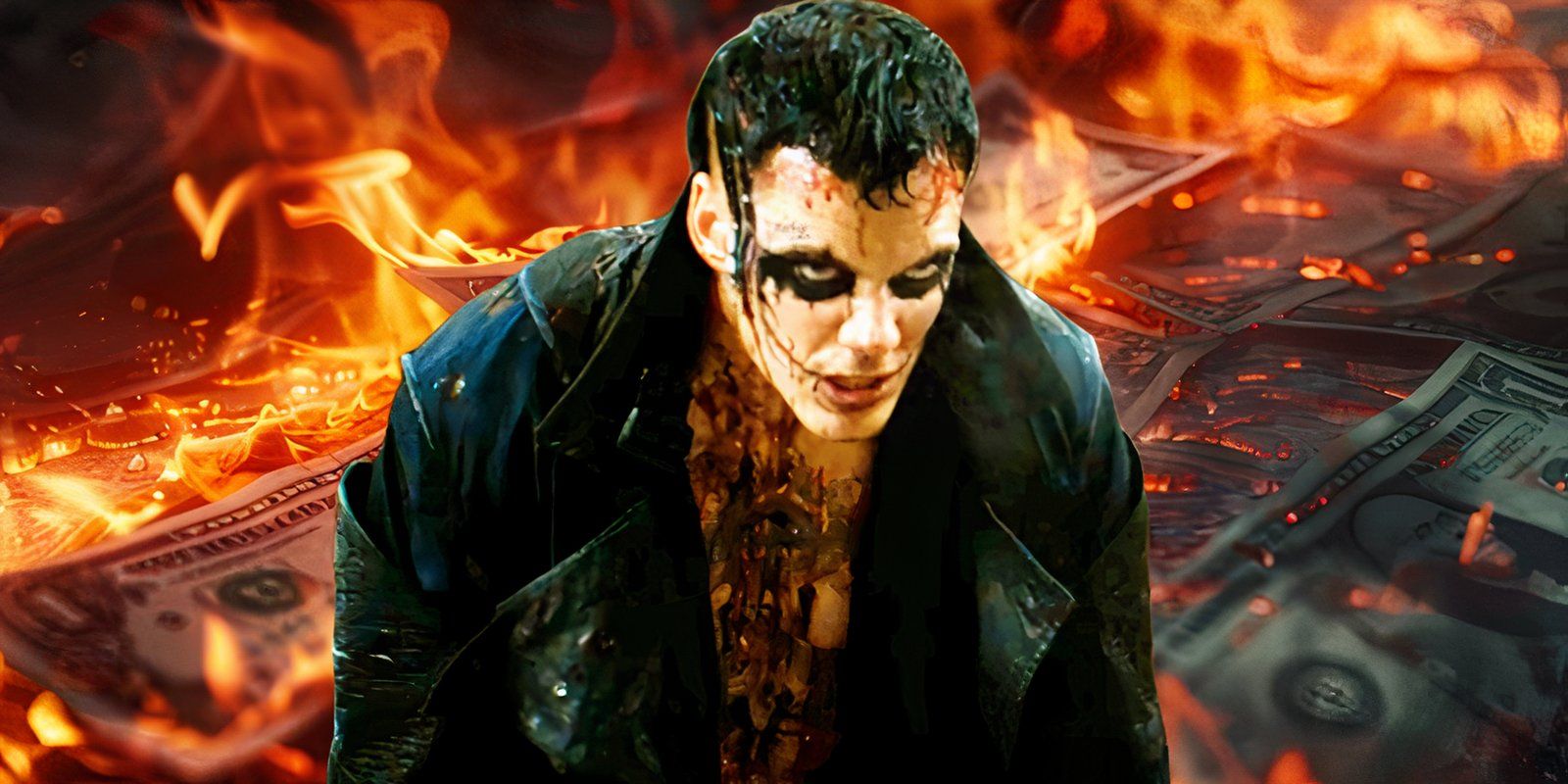
The 2024 reboot of The Crow, directed by Rupert Sanders and starring Bill Skarsgård and FKA Twigs, represents the culmination of a uniquely protracted, decades-long development hell, followed by an intense production cycle, a distinct marketing rollout, and a polarized commercial release that cemented its place in modern cinematic history.
Introduction: Navigating a Legendary Legacy
Bringing The Crow back to the silver screen was never going to be a straightforward assignment. Based on the iconic 1989 indie comic book series by James O’Barr—which gained tragic, immortalized status following the accidental death of Brandon Lee on the set of Alex Proyas’s 1994 cult classic adaptation—any new iteration carried immense cultural baggage.
The 2024 film, distributed by Lionsgate in North America and Roadside Attractions, underwent a nearly 16-year journey of stalled pre-productions, shifting studio attachments, director dropouts, and casting realignments. By examining the trajectory that led to its premiere in August 2024, observers can understand the complex realities of modern Hollywood franchise revivals, intellectual property (IP) management, and fan-base expectations. This analysis explores five defining milestones that shaped the 2024 film's journey from concept to theatrical fallout.
Milestone 1: Breaking Decade-Long Development Hell and Securing Rights
The journey of the 2024 film began long before cameras rolled, rooted in a complicated web of bankruptcy, studio handoffs, and rights acquisitions that stretched back to the late 2000s.
The Early Years of Stalled Momentum
Following a series of direct-to-video sequels (The Crow: City of Angels, The Crow: Salvation, and The Crow: Wicked Prayer) that failed to capture the commercial or critical heights of the 1994 original, Edward R. Pressman, producer of the original film, sought to launch a definitive reinvention. In late 2008, a remake was officially announced. However, what followed was a rotating door of creative talent that tested the patience of industry analysts and fans alike.
Directors such as Stephen Norrington, F. Javier Gutiérrez, and Corin Hardy were attached to the project at various points over a ten-year span. A parade of high-profile actors—including Bradley Cooper, Luke Evans, Jack Huston, and Jason Momoa—were alternately cast as Eric Draven, only to depart due to scheduling conflicts, creative differences, or financial disputes involving production entities like Relativity Media.
The Pivot to Pressman Film and Davis Films
The logjam finally broke when ownership and production rights consolidated under new financing structures, primarily driven by Edward R. Pressman Film Corporation alongside 30 Haus Films and Ashland Hill Media Finance. By securing stable independent financing and partnering with Lionsgate for distribution rights, the project transitioned from a perpetually delayed rumor into an active pre-production mandate. This shift allowed producers to bypass traditional major studio interference, granting director Rupert Sanders the autonomy to design a distinct aesthetic separate from the 1994 Gothic-industrial template.
Milestone 2: Casting Bill Skarsgård and FKA Twigs
Once financing stabilized, the production reached its second major milestone: locking in its principal cast, shifting the film from a theoretical exercise into a concrete artistic endeavor.
Redefining Eric Draven for a Contemporary Audience
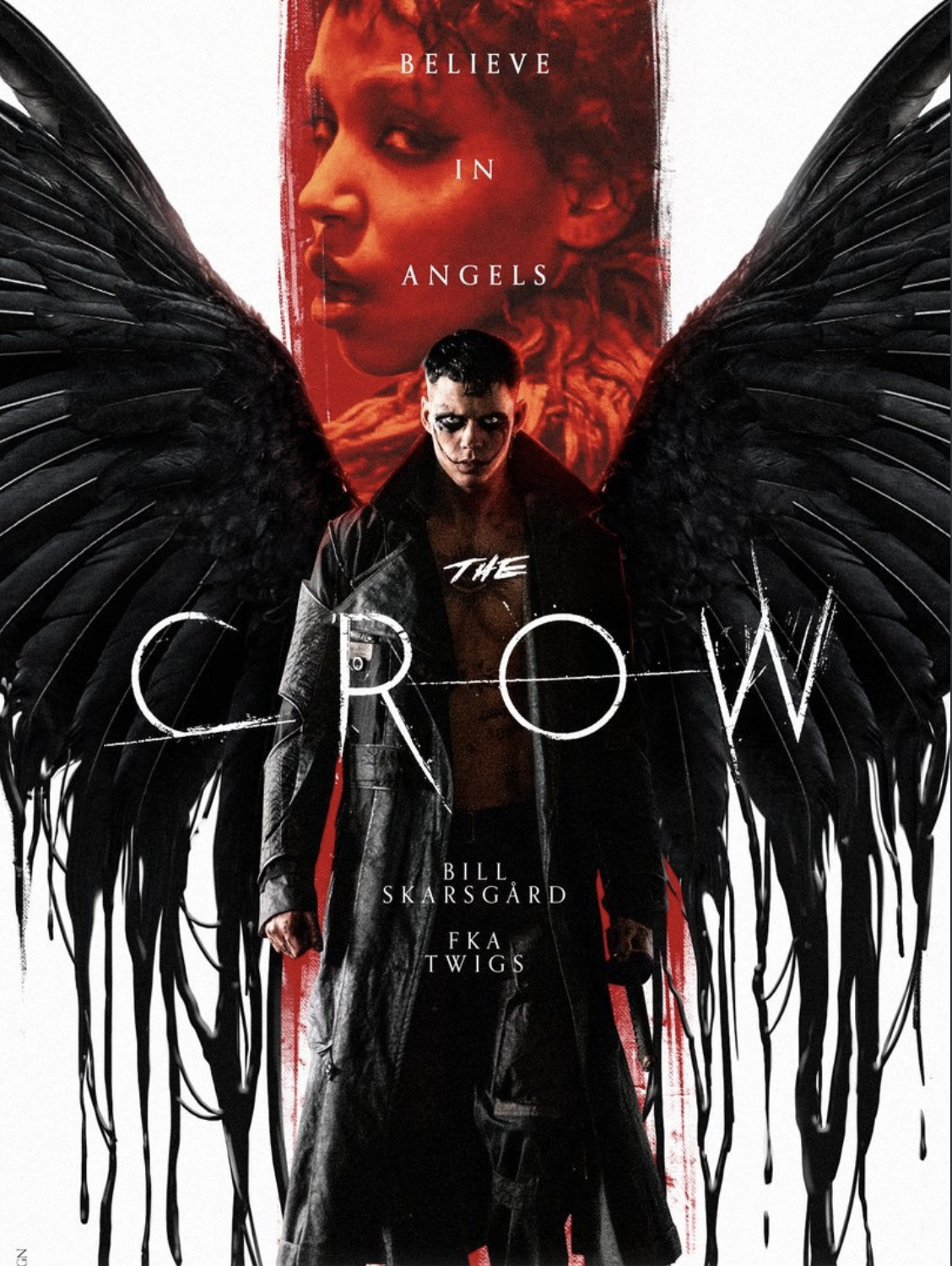
In April 2022, Swedish actor Bill Skarsgård was officially announced to star as Eric Draven, alongside musician and artist Tahliah Barnett (better known as FKA Twigs) as Shelly Webster. Skarsgård, whose physical versatility had already been proven through roles like Pennywise in It and Marquis de Gramont in John Wick: Chapter 4, brought a lean, intense physical presence to the role.
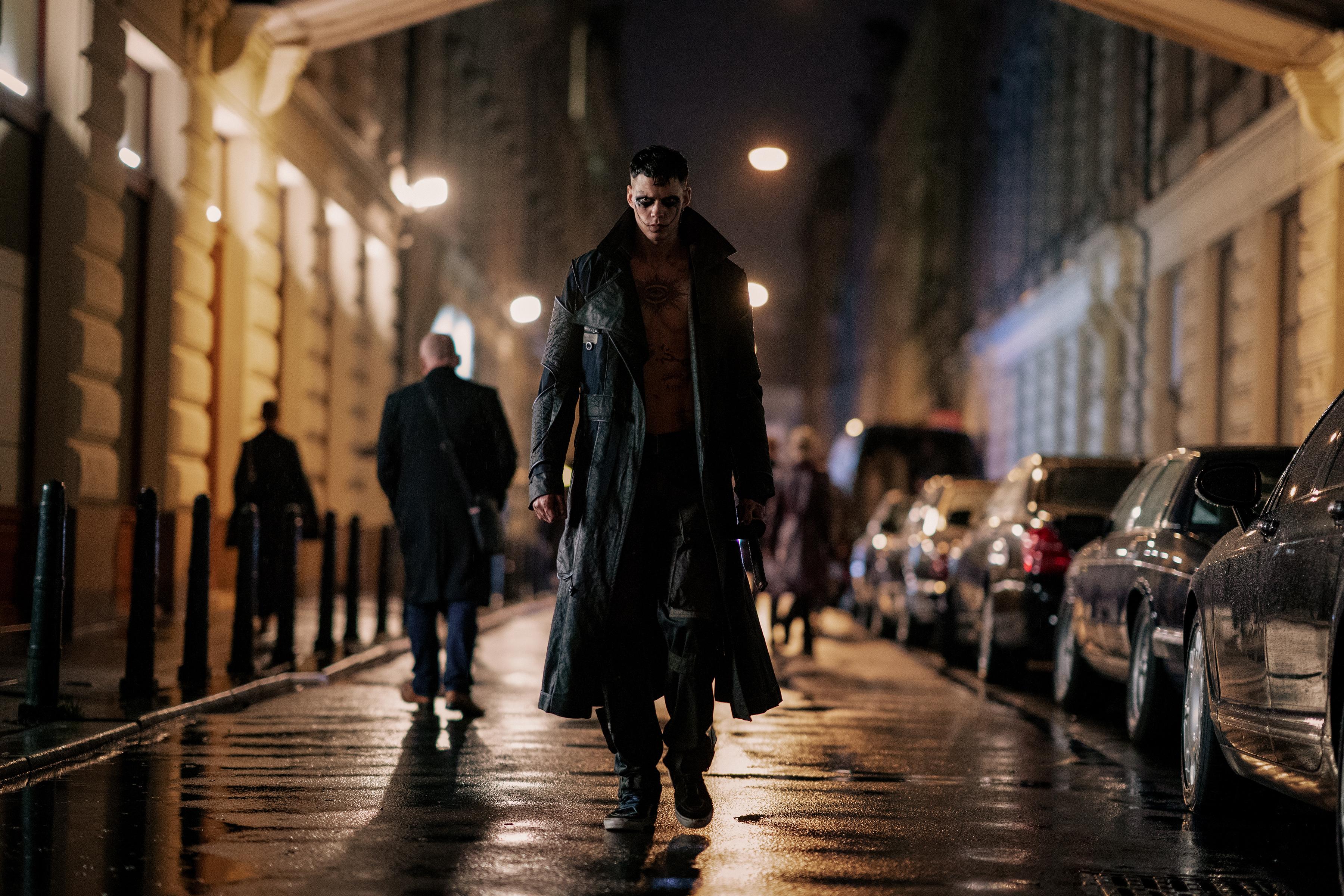
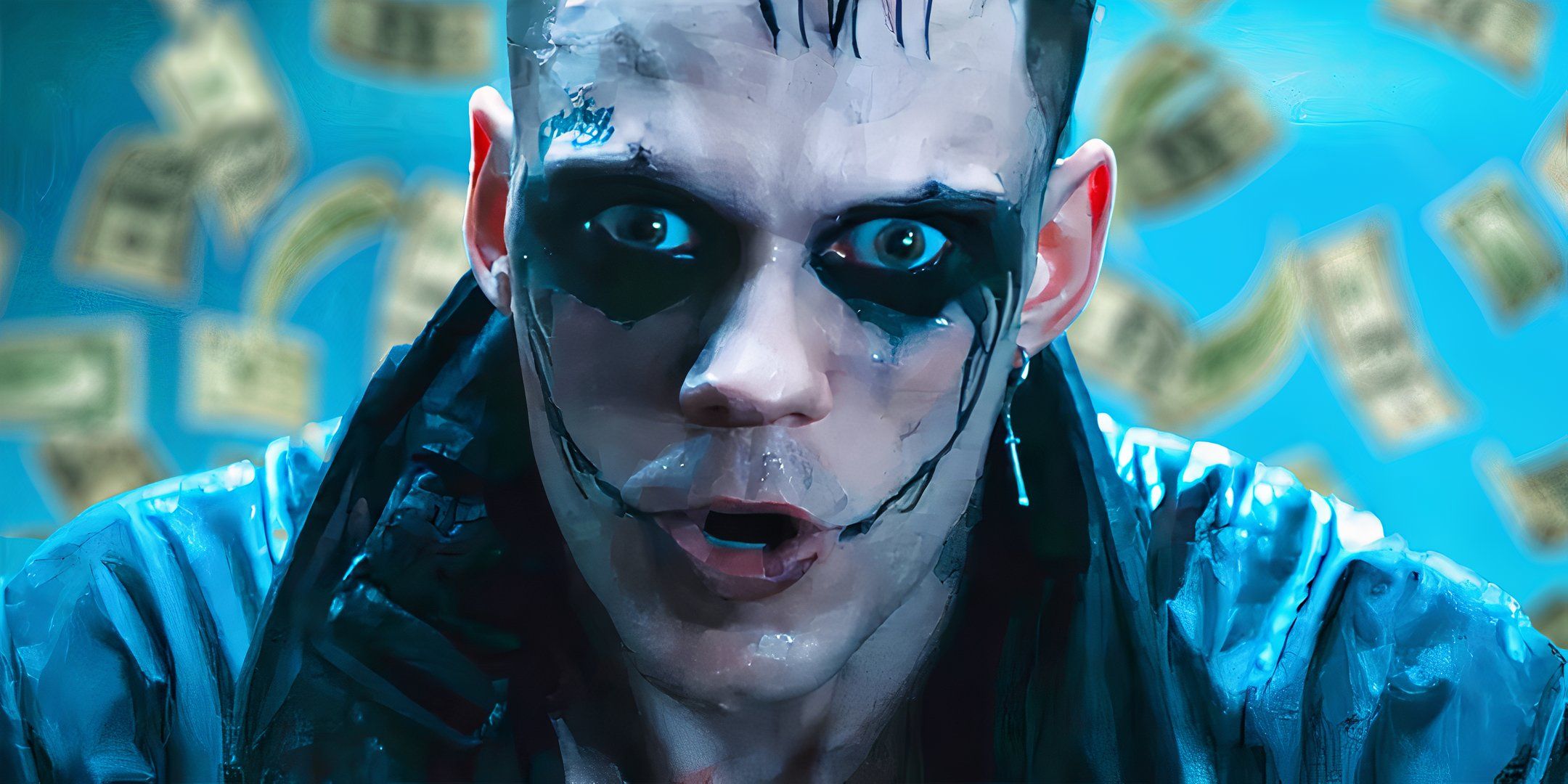
Unlike Brandon Lee’s classic, tragicomic poet interpretation heavily inspired by traditional goth subculture and commedia dell'arte, Skarsgård’s version of Eric was modeled with modern counter-culture aesthetics. The visual design of his tattoos, modern streetwear wardrobe, and unkempt hair drew heavy public discourse upon the release of the first official promotional images in early 2024. Sanders noted in interviews that he intended the look to reflect contemporary youth subcultures, drawing visual cues from modern SoundCloud rap aesthetics and contemporary urban distress.
The Significance of FKA Twigs as Shelly
Casting FKA Twigs as Shelly Webster provided the narrative anchor for the film's revised romantic core. The production sought to expand Shelly’s backstory beyond her traditional function as a mere catalyst for Eric's revenge. By elevating her presence and chemistry with Skarsgård, the creative team aimed to ground the supernatural vengeance in a visceral, emotionally taxing modern romance.
Milestone 3: Principal Photography and Post-Production Realities
Shooting a supernatural action-drama on a mid-tier independent budget requires precise logistical execution. The third milestone encompasses the physical realization of the film across European soundstages and location shoots.
Filming Locations and Production Design
Principal photography commenced in the summer of 2022, primarily taking place in Prague, Czech Republic, at the Barrandov Studios, alongside location work in Munich, Germany. Utilizing Prague's historic architecture allowed the production team to craft a decaying, atmospheric cityscape without relying entirely on soundstage green screens.
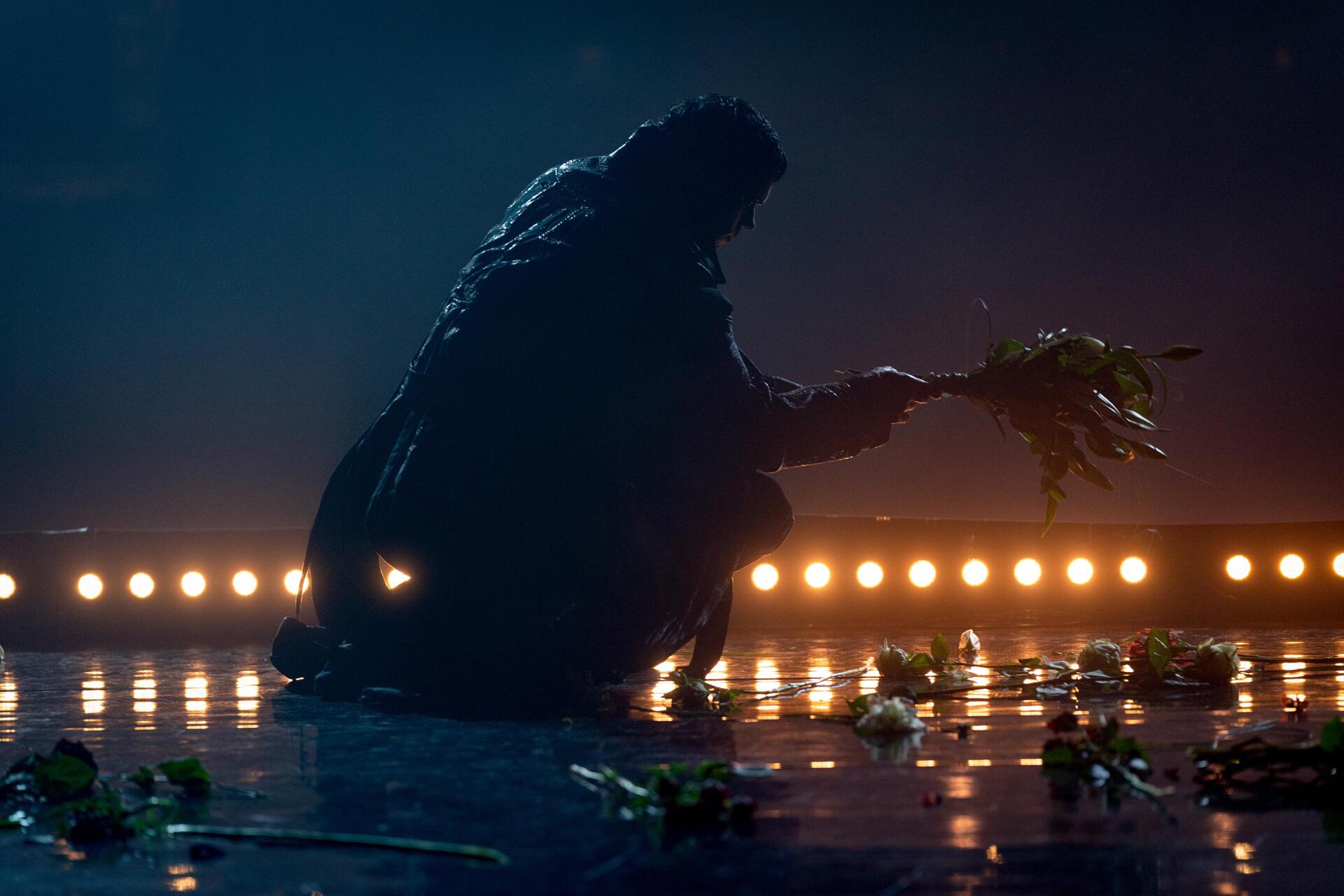
Cinematographer Steve Annis utilized desaturated color palettes interspersed with neon highlights to establish a moody, purgatorial environment that honored the source material while avoiding direct pastiche of Dariusz Wolski’s celebrated cinematography in the 1994 film.
Navigating Post-Production and the Strike Window
Post-production extended through 2023, navigated during the disruptions of the SAG-AFTRA and WGA industry strikes. Although the production itself had wrapped filming prior to the strikes, release schedules industry-wide were thrown into flux. Lionsgate strategically delayed the film’s rollout window to maximize theatrical visibility, eventually staking out a late-summer slot in August 2024 rather than competing in the crowded spring blockbuster season.
Milestone 4: Marketing Campaigns and Audience Polarization
As the film approached its theatrical debut, the fourth milestone unfolded publicly through trailers, social media discourse, and intense debate across fan communities.
The Trailer Debut and Fan Reception
In March 2024, Lionsgate dropped the first official trailer for The Crow. The response was immediate, highly vocal, and deeply polarized. Longtime fans of the 1994 original expressed skepticism regarding the modern aesthetic choices, comparing Skarsgård's look unfavorably to Brandon Lee's timeless design. Conversely, newer audiences and horror-action enthusiasts praised the visceral brutality teased in the action sequences and the moody, contemporary atmosphere.
| Marketing Phase | Key Public Event | Audience / Critical Reaction |
|---|---|---|
| March 2024 | First trailer release | High polarization; intense debate over the modern aesthetic vs. the 1994 classic. |
| July 2024 | Final trailer and press junkets | Moderate stabilization of expectations; focus shifted to stunt choreography and soundtrack. |
| August 2024 | Red carpet premiere & review embargoes | Critical consensus fractures, leading to mixed reviews prior to public opening. |
Navigating the Legacy Shadow
The marketing campaign walked a delicate tightrope: attempting to honor James O’Barr’s comic book roots while distancing the film from comparisons to Alex Proyas’s universally revered adaptation. Director Rupert Sanders frequently addressed the press, emphasizing that their film was a new adaptation of the graphic novel rather than a remake of the 1994 film, a distinction that became a central talking point during the movie's global press tour.
Milestone 5: The Theatrical Release and Box Office Fallout
The final milestone of the 2024 journey culminated in the film's commercial debut on August 23, 2024, in North America and international territories.
Box Office Performance
Opening against a competitive late-summer slate, The Crow faced an uphill battle at the box office. Securing a modest opening weekend domestically, the film struggled to recoup its reported production budget and marketing expenditures, signaling the challenges mid-budget, R-rated action-thrillers face in a theatrical ecosystem dominated by franchise-heavy IP.
Critical Legacy and Streaming Transition
Critical reception upon release was heavily divided. Review aggregators reflected mixed-to-negative scores, with critics praising Skarsgård’s physical commitment and certain action sequences, while faulting the pacing and conventional narrative structure. Despite its box office struggles, the film quickly found a secondary audience upon transitioning to digital video-on-demand (VOD) and subscription streaming platforms later in the year, where viewers engaged with its distinct visual style and uncompromising R-rated violence on home viewing setups.
Comparative Overview of The Crow Adaptations
To better understand how the 2024 journey fits into the broader history of the franchise, the following table contrasts key production metrics between the foundational 1994 film and the 2024 modern reinvention.
| Feature / Metric | The Crow (1994) | The Crow (2024) |
|---|---|---|
| Director | Alex Proyas | Rupert Sanders |
| Lead Actor | Brandon Lee | Bill Skarsgård |
| Source Material | James O’Barr Graphic Novel | James O’Barr Graphic Novel |
| Primary Filming Location | Wilmington, North Carolina | Prague, Czech Republic |
| Aesthetic Influence | Gothic-Industrial, 1990s Underground | Modern Counter-Culture, Urban Decay |
| MPAA Rating | R | R |
Frequently Asked Questions
Is the 2024 movie a remake of the 1994 film?
No. The filmmakers and creators maintained consistently that the 2024 film is a direct adaptation of James O’Barr’s original 1989 comic book series, rather than a remake of Alex Proyas’s 1994 feature film. While both draw from the same source material, the 2024 version adopts a contemporary setting, updated character designs, and a different narrative focus for the supporting cast.
Who directed the 2024 version of The Crow?
The film was directed by British filmmaker Rupert Sanders, best known for his work on major visual-effects-driven projects such as Snow White and the Huntsman (2012) and the cyberpunk science-fiction adaptation Ghost in the Shell (2017).
Why did it take so long for the 2024 film to be made?
The project experienced nearly 16 years of development hell due to corporate restructuring, bankruptcy filings by early production companies (such as Relativity Media), shifting copyright ownership, and a revolving door of multiple directors and leading actors who signed on and subsequently departed over more than a decade.
Where was the 2024 film shot?
Principal photography primarily took place in Europe. Production units utilized soundstages and facilities at Barrandov Studios in Prague, Czech Republic, alongside urban location work capturing moody architectural backdrops in Munich, Germany.
How did audiences and critics respond to the film?
Response was deeply polarized. Many purists of the 1994 film were skeptical of the modernized aesthetic choices, while critics delivered mixed reviews upon its August 2024 theatrical release. However, the film gained renewed traction and niche appreciation following its subsequent debut on digital and home streaming platforms.
Final Recommendation and Next Actions
For cinephiles, comic book enthusiasts, and industry analysts examining the 2024 iteration, the most valuable next step is to view the film not as a replacement for Brandon Lee's classic, but as an alternative interpretation of James O’Barr’s original graphic novel. Watching the film with an awareness of its turbulent 16-year production history provides valuable context for understanding its stylistic choices, tonal shifts, and unique place in modern cinematic adaptation history.