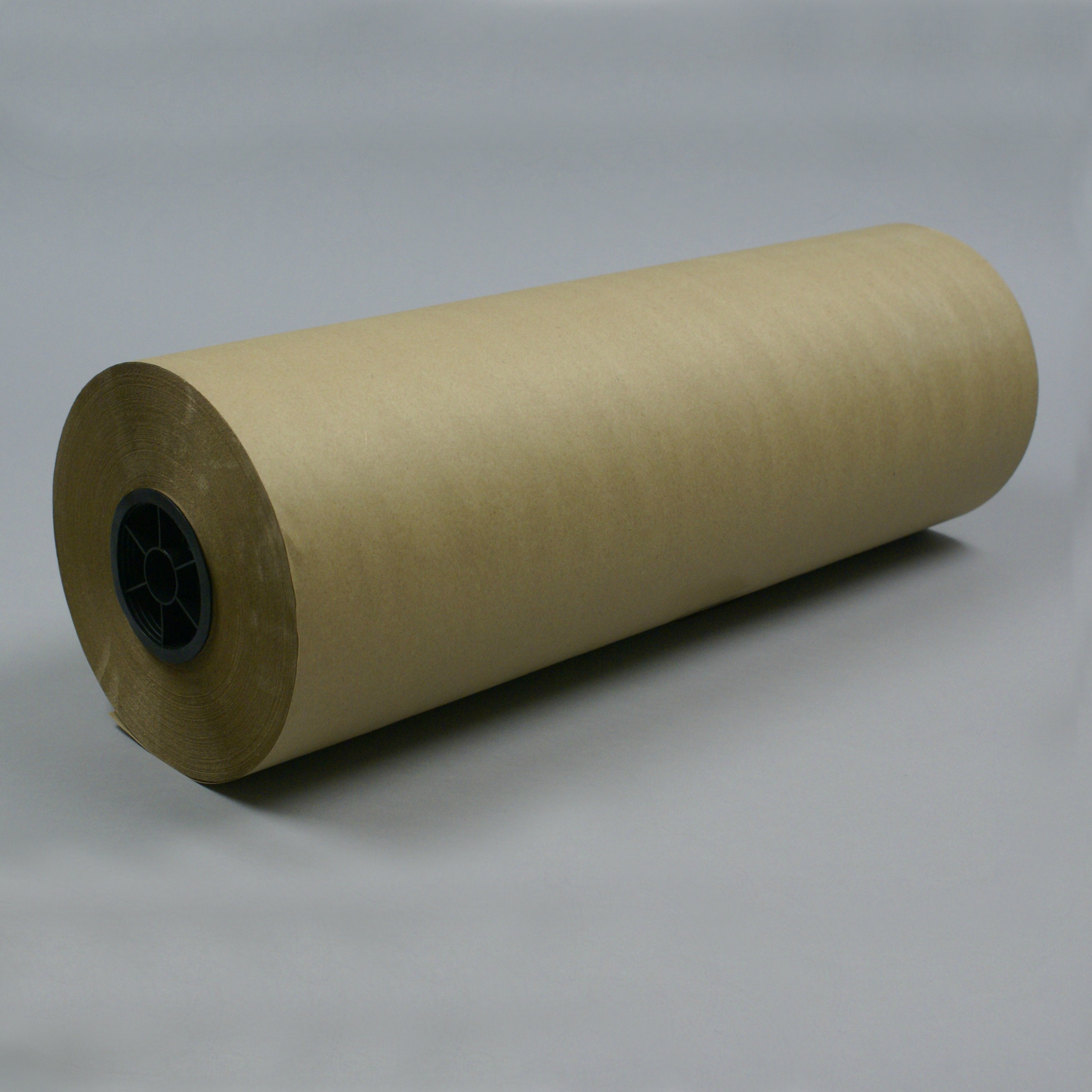
36 kraft paper refers to a medium-weight industrial paper with a basis weight of 36 pounds per 3,000 square feet. It serves as a versatile solution for mid-range packaging, void fill, and protective masking, offering a balance between the flexibility of lighter 30 lb paper and the durability of heavier 40 lb stocks.
Understanding the "36" in Kraft Paper
When professionals discuss "36 kraft paper," the number typically refers to the basis weight. In the United States and Canada, the standard measurement for kraft paper is the weight of one ream (3,000 square feet) of the material. Therefore, 36 lb kraft paper weighs 36 pounds per 3,000 square feet.
In many industrial contexts, "36" can also refer to the roll width (36 inches), which is a standard size for shipping and construction masking. However, for technical specifications, the weight is the primary identifier of the paper's physical properties. As of 2026, the industry continues to utilize these dual identifiers, but technical procurement documents prioritize basis weight or its metric equivalent, GSM (Grams per Square Meter).
To convert 36 lb basis weight to the metric system, we use a standard conversion factor. A 36 lb paper (3,000 sq ft ream) is approximately equivalent to 58.6 grams per square meter (GSM). This puts it squarely in the "medium-duty" category, making it more robust than standard newsprint (usually 45–50 GSM) but more pliable than heavy-duty linerboard used in corrugated boxes.
Technical Specifications of 36 lb Kraft Paper
The performance of kraft paper is determined by its manufacturing process and fiber composition. 36 lb kraft paper is engineered to meet specific physical thresholds that ensure it can withstand the rigors of shipping and industrial handling.
Fiber Composition and Strength
The "kraft" process (a word derived from the German for "strength") involves the chemical conversion of wood into wood pulp. This process removes nearly all lignin, the "glue" that holds wood fibers together. By removing lignin and preserving the long cellulose fibers, the resulting paper possesses high tensile strength and tear resistance.
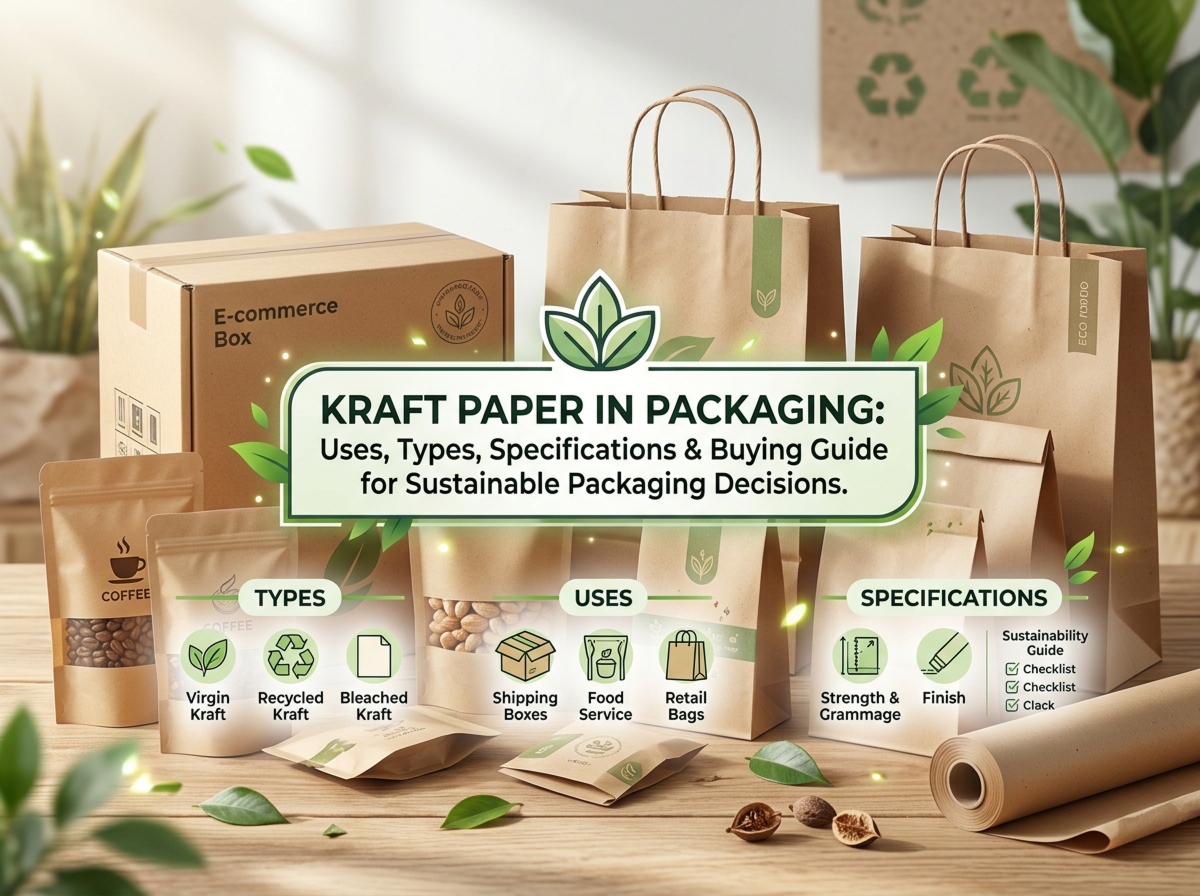
- Virgin Kraft: Made from 100% new wood fibers. This version of 36 lb paper offers the highest burst strength and is typically used when maximum protection is required.
- Recycled Kraft: Made from post-consumer or post-industrial waste. While slightly less strong than virgin kraft, 2026 manufacturing standards have significantly closed the performance gap, making recycled 36 lb paper a preferred choice for sustainable packaging.
Physical Properties
Standard 36 lb kraft paper typically adheres to the following technical parameters:
- Caliper (Thickness): Generally ranges between 4.0 and 4.3 mils (0.0040 to 0.0043 inches). This thickness provides enough "body" to resist punctures while remaining thin enough to fold around complex shapes.
- Tensile Strength: This measures the force required to pull the paper until it breaks. For 36 lb paper, the Machine Direction (MD) tensile strength is significantly higher than the Cross Direction (CD) because of how fibers align during the papermaking process.
- Mullen Burst Strength: This is a measure of the paper's resistance to rupturing. A standard 36 lb virgin kraft paper often targets a Mullen test result of approximately 30 to 35 psi (pounds per square inch).
- Elmendorf Tear: This measures the force required to continue a tear once it has started. High tear resistance is a hallmark of the 36 lb specification, preventing small nicks from turning into total package failures.
Major Uses and Applications
The 36 lb weight is often described as the "Goldilocks" of the paper industry—not too thin, not too thick. Its applications span across several massive industries.
Industrial Packaging and Shipping
In the e-commerce and logistics sectors, 36 lb kraft paper is the primary choice for void fill. When a product is placed in a shipping box that is too large, 36 lb paper is crumpled and stuffed into the empty spaces.
- Shock Absorption: The medium weight allows the paper to maintain its "loft" or "crump," which acts as a cushion against impacts during transit.
- Surface Protection: It is used to wrap individual items—such as glassware, small electronics, or books—to prevent surface scratches and abrasions.
Construction and Painting (Masking)
The 36-inch roll width (often paired with the 36 lb weight) is a staple for professional painters and floor contractors.
- Floor Protection: During interior renovations, 36 lb kraft paper is rolled out across hardwood or tile floors to protect them from dust, debris, and light foot traffic.
- Large-Scale Masking: When using sprayers for cabinetry or trim, this paper provides a wider barrier than standard masking tape/paper, significantly speeding up the prep process.
Manufacturing and Interleaving
In metalworking and glass manufacturing, 36 lb kraft paper is used for interleaving.
- Corrosion Prevention: Some 36 lb papers are treated with Volatile Corrosion Inhibitors (VCI) to protect metal parts from rusting while in storage or transit.
- Scratch Prevention: Sheets of 36 lb paper are placed between sheets of glass or polished stainless steel to prevent the surfaces from touching and scratching each other during stacking.
Arts, Crafts, and Pattern Making
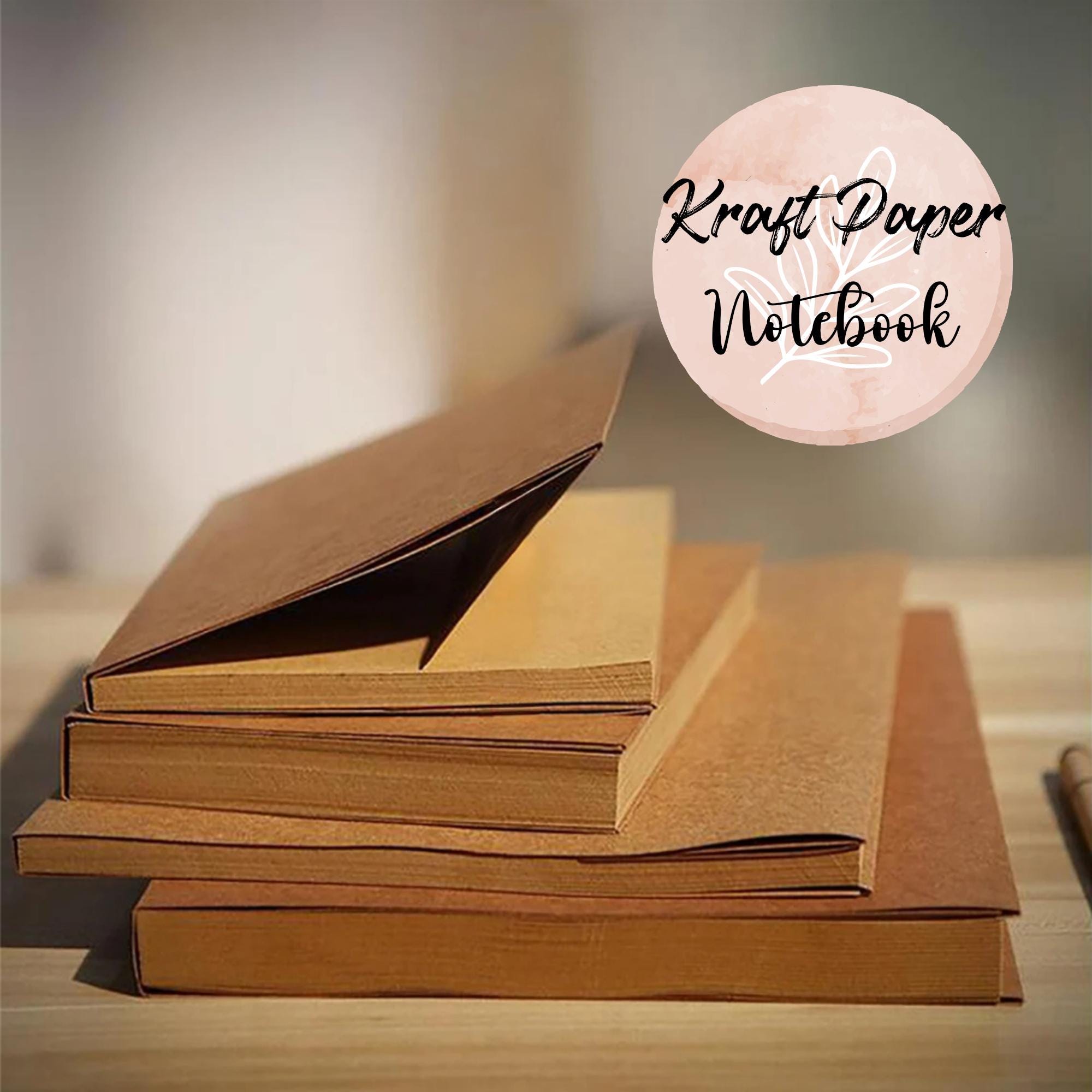
In the garment industry, 36 lb paper is frequently used for pattern making. It is thick enough to be traced around multiple times without tearing at the edges, yet it remains easy to cut with standard industrial shears. Similarly, it is a favorite for large-scale classroom projects and eco-friendly gift wrapping.
Comparative Analysis: 36 lb vs. Other Common Weights
Choosing the right weight is critical for cost-efficiency and product safety. The following table compares 36 lb kraft paper with its closest industrial relatives.
| Specification | 30 lb Kraft Paper | 36 lb Kraft Paper | 40 lb Kraft Paper |
|---|---|---|---|
| Metric Weight | ~48.8 GSM | ~58.6 GSM | ~65.1 GSM |
| Typical Thickness | 3.5 - 3.7 mils | 4.0 - 4.3 mils | 4.6 - 4.9 mils |
| Best Use Case | Light wrapping, lightweight dunnage | General purpose shipping, floor protection | Heavy-duty wrapping, industrial parts |
| Flexibility | High (very easy to fold) | Medium (versatile) | Lower (resists folding) |
| Puncture Resistance | Low | Moderate | High |
By utilizing 36 lb paper instead of 40 lb, high-volume shippers can reduce their total material weight by approximately 10%, leading to significant savings in both procurement costs and shipping fees, without a proportional loss in protective capability.
Sustainability and Environmental Impact in 2026
As of 2026, the regulatory landscape for packaging has shifted heavily toward circular economy principles. 36 lb kraft paper is a frontrunner in sustainable packaging for several reasons:
- Biodegradability: Unlike plastic bubble wrap or foam peanuts, 36 lb kraft paper is fully compostable and biodegradable. In most municipal systems, it breaks down within weeks in a composting environment.
- Recyclability: Kraft paper has one of the highest recycling rates of any packaging material. The long fibers in 36 lb paper can be recycled multiple times before they become too short for paper production.
- FSC and PEFC Certification: Most reputable 36 lb kraft paper is sourced from forests certified by the Forest Stewardship Council (FSC) or the Programme for the Endorsement of Forest Certification (PEFC), ensuring that the wood pulp does not contribute to deforestation.
- Plastic Replacement: Many jurisdictions have implemented "Plastic-Free Packaging" mandates by 2026. 36 lb kraft paper has become the default replacement for low-density polyethylene (LDPE) films in secondary packaging.
Procurement and Storage Guidelines
To maintain the integrity of 36 lb kraft paper, certain storage conditions must be met. Because paper is hygroscopic (it absorbs moisture from the air), improper storage can lead to "wavy" edges or a loss of tensile strength.
- Humidity Control: Ideally, rolls should be stored in an environment with 45% to 55% relative humidity. Excessive moisture softens the fibers, reducing the paper's ability to provide structural void fill.
- Vertical vs. Horizontal Storage: Large rolls should be stored on their ends (vertically) if they are to be kept for long periods. This prevents "flat spotting," which can cause issues when the roll is placed on an automated dispensing machine.
- UV Exposure: While kraft paper is more resistant to UV than many plastics, prolonged exposure to direct sunlight can cause the cellulose fibers to become brittle.
Frequently Asked Questions
Is 36 lb kraft paper waterproof?
Standard 36 lb kraft paper is not waterproof. While it has some initial resistance to moisture due to the natural oils in the wood fibers, it will eventually soak up water and lose its structural integrity. For applications requiring moisture barriers, a Poly-Coated (PC) 36 lb kraft or a waxed version is necessary. These variants feature a thin layer of polyethylene or wax laminated to one side of the paper.
What is the difference between "Natural" and "Bleached" 36 lb kraft?
Natural kraft paper retains its brown color because it does not undergo the bleaching process. It is generally stronger than bleached paper because the chemicals used in bleaching can slightly weaken the cellulose fibers. Bleached (white) 36 lb kraft is primarily used in applications where aesthetics or "cleanliness" are important, such as in high-end retail packaging or medical-grade wrapping.
Can 36 lb kraft paper be used for food contact?
Yes, but only if it is specifically labeled as FDA-compliant. While the kraft process itself is relatively clean, only certain mills produce paper that is certified for direct contact with food. This paper is often used for wrapping sandwiches or as tray liners in the food service industry.
Why is 36 inches a common width for this paper?
The 36-inch width has become an industry standard because it aligns with common architectural and construction dimensions. For example, standard doorways and walkways are often 36 inches wide, making it a perfect fit for floor protection. Additionally, most industrial paper cutters and dispensers are built to accommodate the 36-inch roll format.
How does 36 lb paper compare to 50 lb paper for heavy items?
If you are shipping heavy automotive parts or sharp metal objects, 36 lb paper may be insufficient. In these cases, a 50 lb or 60 lb kraft paper is recommended. The 36 lb specification is best suited for items weighing less than 20–25 pounds that require surface protection or void fill, rather than extreme puncture resistance.
Final Recommendation
When selecting a packaging or protection material, 36 lb kraft paper represents the ideal middle ground for the majority of commercial and industrial needs. Its balance of 58.6 GSM density and ~4.1 mil thickness provides enough strength for reliable shipping while remaining cost-effective and easy to manipulate.
For businesses looking to optimize their 2026 packaging strategy, we recommend conducting a "drop test" with 36 lb paper. If your current 30 lb paper is tearing, or if your 40 lb paper is proving too bulky and expensive, the 36 lb specification is likely the most efficient solution for your operations. Always verify that your supplier provides FSC-certified material to ensure compliance with modern sustainability standards.