A 3-day workout routine for women typically focuses on full-body strength training to maximize efficiency and recovery. By targeting every major muscle group three times per week with at least one rest day between sessions, you can build lean muscle, improve bone density, and enhance metabolic health without the burnout or time commitment of daily training.
The landscape of female fitness in 2026 emphasizes sustainable, functional strength over high-volume, low-impact "toning" routines. Science-backed evidence continues to support the 3-day full-body split as the gold standard for women who balance career, family, and personal health. This approach utilizes compound movements—exercises that work multiple joints and muscle groups simultaneously—to trigger the most significant hormonal and metabolic responses.
Why a 3-Day Full-Body Split is Optimal for Women
The primary reason a 3-day routine is effective lies in the balance between stimulus and recovery. Unlike a "bro-split" where you might train chest on Monday and not touch it again until the following week, a full-body split ensures that each muscle group is stimulated every 48 to 72 hours. This frequency is ideal for muscle protein synthesis, the process by which the body repairs and builds muscle tissue.
For women, strength training offers specific physiological benefits that go beyond aesthetics. As we move through 2026, the focus on longevity and bone health has never been higher. Resistance training is a primary intervention for preventing osteopenia and osteoporosis by placing mechanical stress on the bones, which signals the body to increase mineral density. Furthermore, maintaining muscle mass is critical for metabolic flexibility, helping to regulate blood glucose levels and manage body composition as hormonal profiles shift over time.
The Myth of "Bulking Up"
One of the most persistent barriers to women starting a 3-day strength routine is the fear of becoming "bulky." Physiologically, women generally have lower levels of testosterone than men, making it significantly more difficult to build massive muscle hypertrophy. Instead, a 3-day routine leads to a more "toned" or defined appearance by increasing muscle density and decreasing body fat percentage. In 2026, "strength is the new skinny" is not just a slogan but a reflection of the biological reality that muscle is a metabolically expensive tissue that supports a healthy lifestyle.
Core Components of the 3-Day Routine
To make a 3-day routine successful, the selection of exercises must be strategic. We focus on six primary movement patterns:
- Squat: Knee-dominant movements (e.g., Goblet squats, lunges).
- Hinge: Hip-dominant movements (e.g., Deadlifts, kettlebell swings).
- Push (Horizontal/Vertical): Pushing weight away from the body (e.g., Push-ups, overhead press).
- Pull (Horizontal/Vertical): Pulling weight toward the body (e.g., Rows, lat pulldowns).
- Lunge/Single Leg: Unilateral work to fix imbalances.
- Core/Carry: Stabilizing the spine (e.g., Planks, farmer's walks).
Frequency and Timing
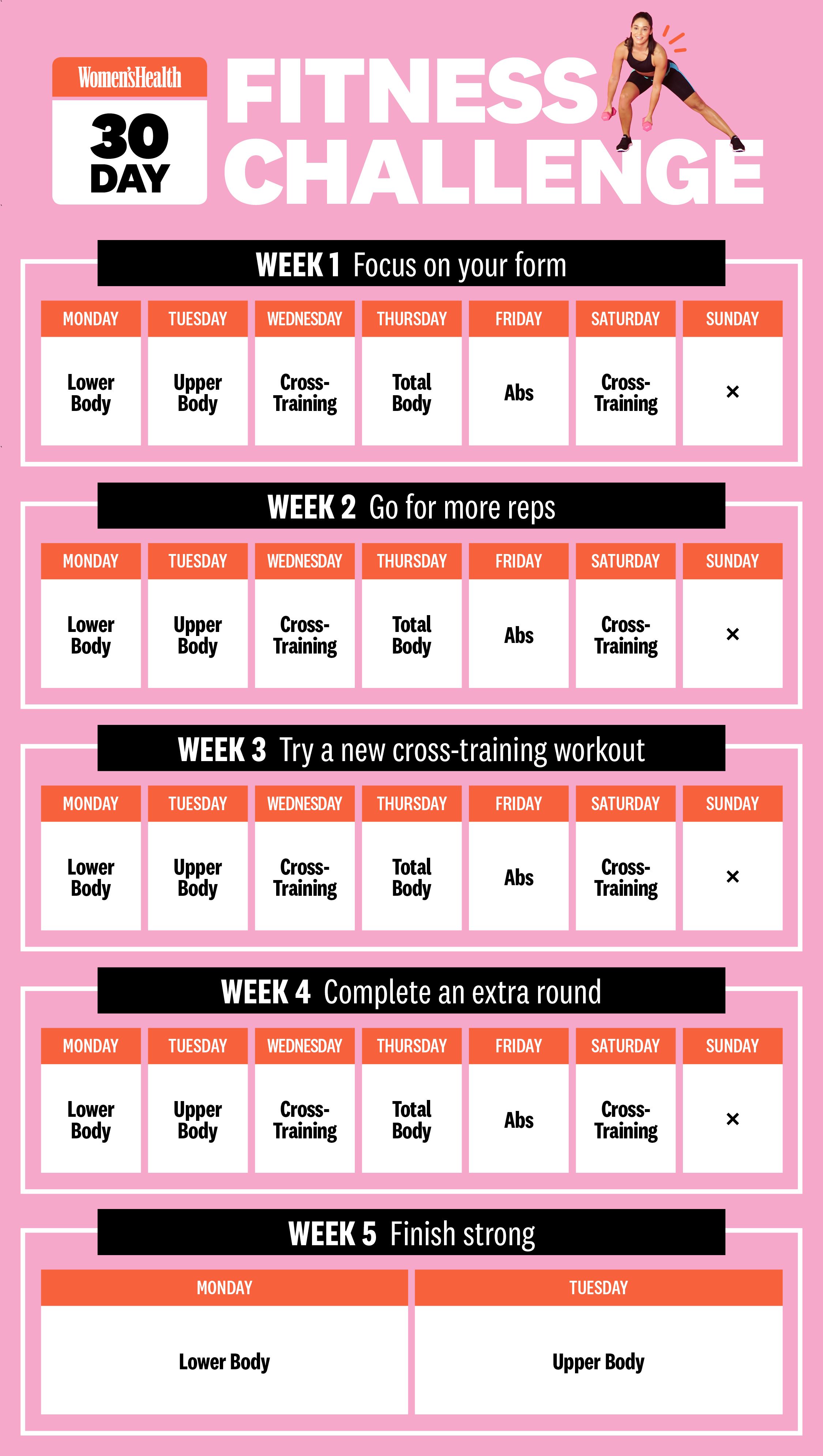
The ideal schedule is a "1-on, 1-off" pattern. For example:
- Monday: Workout A
- Tuesday: Rest/Active Recovery
- Wednesday: Workout B
- Thursday: Rest/Active Recovery
- Friday: Workout C
- Saturday/Sunday: Rest or Light Activity
This schedule allows for 48 hours of recovery between sessions, which is crucial for preventing overtraining and allowing the central nervous system to recover.
Detailed 3-Day Workout Plan
This plan is designed for the gym but can be adapted for home use with dumbbells and resistance bands. Each session should begin with a 5-10 minute dynamic warmup (arm circles, leg swings, cat-cow stretches) and end with a cool-down.
Day 1: Foundation and Power
Day 1 focuses on building the mind-muscle connection with foundational compound lifts.
- Goblet Squats: 3 sets of 10–12 reps. Hold a dumbbell or kettlebell at chest height. Keep your chest up and drive through your heels. This builds quad strength and improves hip mobility.
- Dumbbell Bench Press: 3 sets of 10 reps. Lying on a bench, press the weights upward. This targets the chest, shoulders, and triceps.
- Single-Arm Dumbbell Rows: 3 sets of 12 reps per side. Place one hand on a bench for support. Pull the weight toward your hip, squeezing your shoulder blade.
- Romanian Deadlifts (RDLs): 3 sets of 10 reps. Focus on the hip hinge. Lower the weights while keeping your back flat to target the hamstrings and glutes.
- Plank: 3 sets, hold for 45–60 seconds. Engage your glutes and core to maintain a straight line from head to heels.
Day 2: Strength and Stability
Day 2 introduces more stability challenges and vertical movement patterns.
- Deadlifts (Conventional or Sumo): 3 sets of 8 reps. This is the king of posterior chain exercises. Ensure your spine remains neutral throughout the lift.
- Overhead Dumbbell Press: 3 sets of 10 reps. Stand tall and press the weights toward the ceiling. This develops shoulder definition and core stability.
- Lat Pulldowns or Assisted Pull-ups: 3 sets of 10–12 reps. Focus on pulling with your back muscles rather than just your arms.
- Walking Lunges: 3 sets of 20 total steps. This unilateral movement improves balance and targets the gluteus medius.
- Bird-Dog: 3 sets of 12 reps per side. A fundamental core exercise that teaches spinal stability while moving the extremities.
Day 3: Hypertrophy and Core Finish
Day 3 combines higher rep ranges with functional carries to round out the week.
- Bulgarian Split Squats: 3 sets of 8–10 reps per leg. Place your rear foot on a bench. This is a challenging but highly effective move for leg and glute development.
- Push-ups: 3 sets to failure (or as many as possible with good form). Modify on your knees or an incline if necessary.
- Seated Cable Rows: 3 sets of 12 reps. Use a wide or narrow grip to target different areas of the middle back.
- Glute Bridges or Hip Thrusts: 3 sets of 15 reps. Squeeze your glutes at the top of the movement.
- Farmer’s Walk: 3 sets of 30 seconds. Carry heavy dumbbells in each hand and walk with perfect posture. This builds grip strength and total-body stability.
Comparison of Training Loads and Objectives
The following table summarizes how to adjust your 3-day routine based on your specific goals in 2026.
| Goal | Rep Range | Rest Periods | Focus Area |
|---|---|---|---|
| Max Strength | 3–6 reps | 2–3 minutes | Heavy compound lifts, low volume |
| Muscle Definition (Hypertrophy) | 8–12 reps | 60–90 seconds | Moderate weights, higher volume |
| Endurance & Health | 12–15+ reps | 30–60 seconds | Lower weights, cardiovascular stress |
| Functional Longevity | Mixed (6–12) | 90 seconds | Balance, mobility, and core |
The Role of Progressive Overload
In 2026, the concept of "progressive overload" remains the most critical factor in seeing physical changes. If you lift the same 10-pound dumbbells for the same 10 reps every week for a year, your body has no reason to adapt or change. To see progress, you must gradually increase the difficulty of your workouts.
You can achieve progressive overload by:
- Increasing Weight: Adding 2.5 to 5 pounds to your lifts every two weeks.
- Increasing Repetitions: If you did 8 reps last week, try for 10 this week with the same weight.
- Improving Form: Performing the same move with better control and a greater range of motion.
- Reducing Rest: Shortening rest periods to increase metabolic demand.
Nutritional Support for a 3-Day Routine
A workout routine is only as good as the fuel you provide. For women training three days a week, protein intake is paramount. The International Society of Sports Nutrition generally recommends between 1.4 and 2.0 grams of protein per kilogram of body weight for active individuals. Protein provides the amino acids necessary for muscle repair.
- Pre-Workout: Focus on easily digestible carbohydrates (like a banana or oats) 60 minutes before training to provide glucose for the muscles.
- Post-Workout: Combine protein with carbohydrates to replenish glycogen stores and initiate repair.
- Hydration: Aim for at least 2–3 liters of water daily, increasing this on training days. Electrolytes (sodium, potassium, magnesium) are particularly important for women to prevent muscle cramping and maintain energy levels.
Common Mistakes to Avoid
Even with a perfect plan, certain pitfalls can stall progress:
- Neglecting Recovery: More is not always better. The "no pain, no gain" mentality of the past has been replaced by "train hard, recover harder." If you are constantly sore or fatigued, you may need more rest or better nutrition.
- Sacrificing Form for Weight: Lifting heavy is important, but ego lifting leads to injury. Always prioritize a full range of motion and joint alignment.
- Inconsistency: Skipping Day 3 every week turns a 3-day routine into a 2-day routine, which significantly reduces the weekly volume needed for growth.
- Ignoring the Menstrual Cycle: In 2026, many women use "cycle syncing" to adjust intensity. During the follicular phase (days 1-14), you may feel stronger and more capable of high intensity. During the luteal phase (days 15-28), some women find that reducing intensity or increasing rest is beneficial for managing fatigue and body temperature.
Medical and Safety Considerations
Disclaimer: Consult with a healthcare provider before beginning any new exercise program, especially if you have pre-existing conditions, are pregnant, or are postpartum.
Ensure your training environment is safe. If training at home, check that your equipment is in good repair. If training in a gym, do not hesitate to ask a certified personal trainer to check your form on complex lifts like the deadlift or squat. Proper footwear—flat-soled shoes for lifting—can also provide a stable base and prevent ankle strain.
FAQs about 3-Day Workouts for Women
Can I lose weight with just 3 days of working out?
Yes. Weight loss is primarily driven by a caloric deficit, but strength training 3 days a week helps preserve muscle mass while you lose fat. This ensures that the weight you lose comes from fat stores rather than muscle tissue, which keeps your metabolism higher.
Should I do cardio on my rest days?
Active recovery is encouraged. Light activities such as walking, swimming, or yoga on your non-lifting days can improve blood flow and help with muscle soreness. However, avoid high-intensity interval training (HIIT) on every rest day, as this can interfere with muscle recovery.
How long should each session take?
A well-structured 3-day full-body workout should take between 45 and 60 minutes. This includes a 5-10 minute warmup, 35-45 minutes of lifting, and a 5-minute cool-down. If your workouts are taking longer than 90 minutes, you may be resting too long or performing too many "filler" exercises.
What if I miss a day?
Do not try to "make it up" by doing two workouts in one day. Simply pick up where you left off. Consistency over months and years is more important than a single missed session.
Is this routine suitable for beginners?
Absolutely. The 3-day split is actually the best starting point for beginners because it isn't overwhelming. Start with bodyweight versions of these exercises or very light weights to master the mechanics before adding load.
Practical Next Step
To start this 3-day routine, your first action should be to log your baseline. Choose three days this week and perform the exercises listed with weights that feel challenging but manageable. Record the weights and reps in a notebook or a fitness app. This data will serve as the foundation for your progressive overload in the coming months.