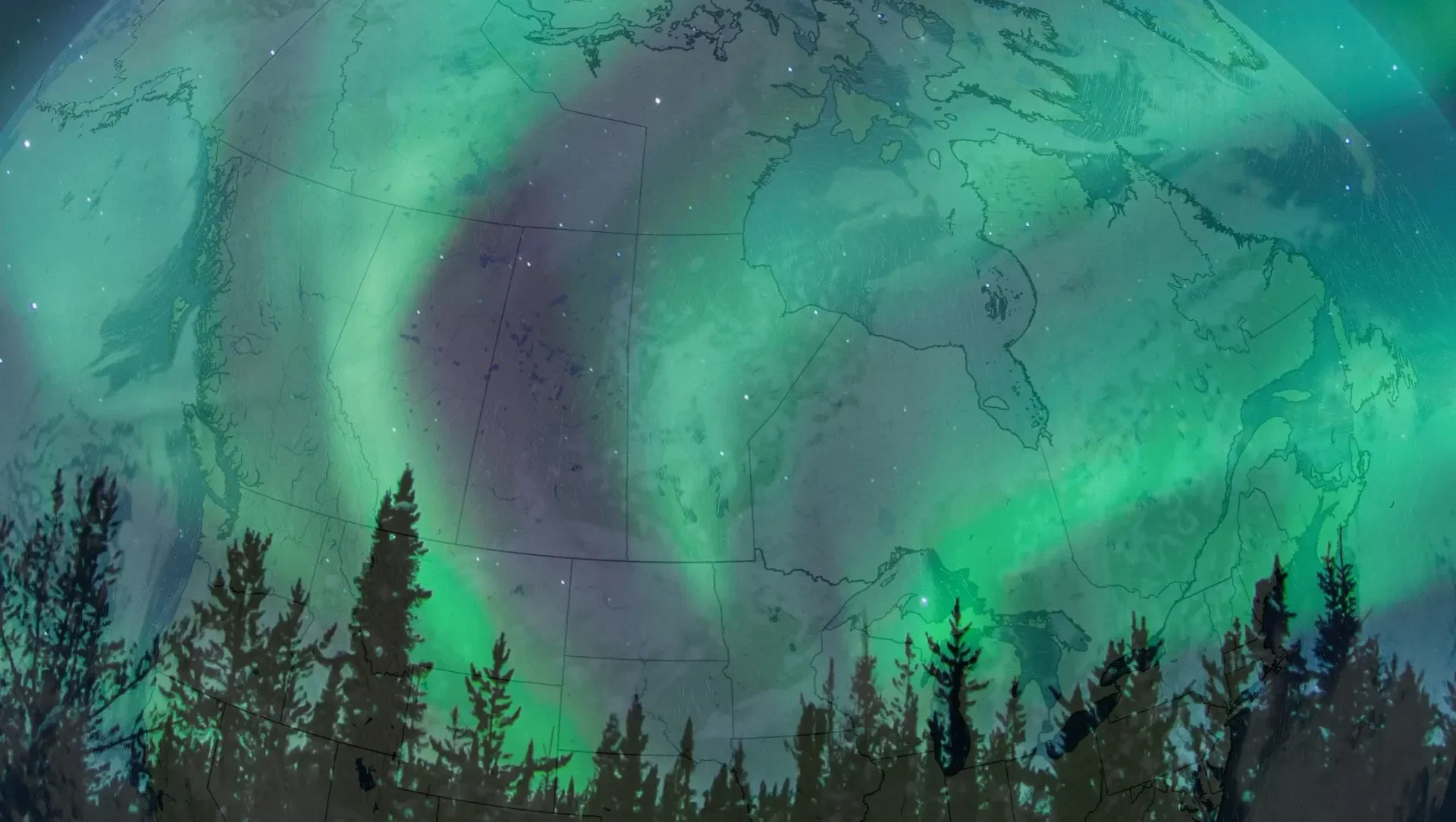
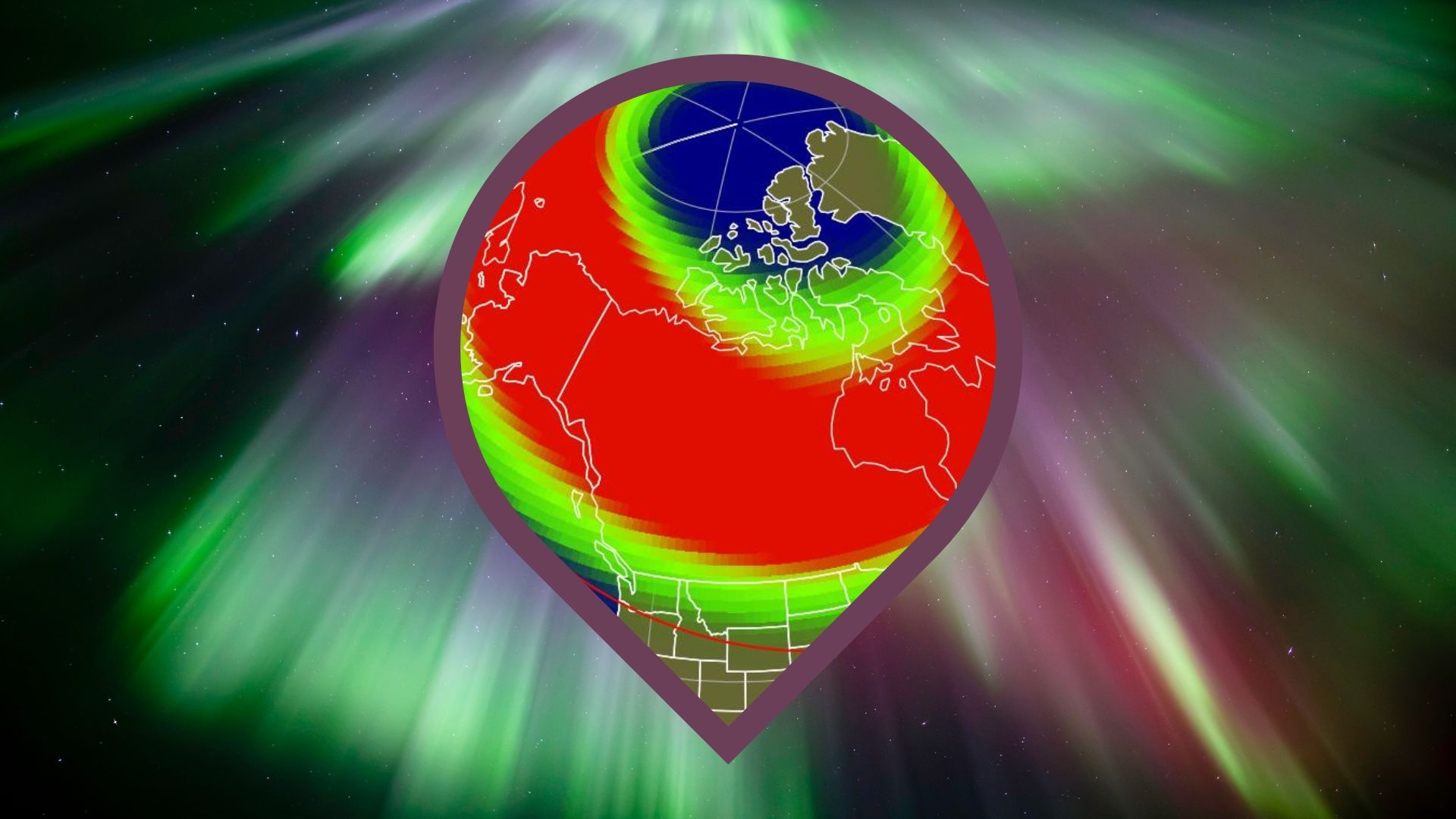
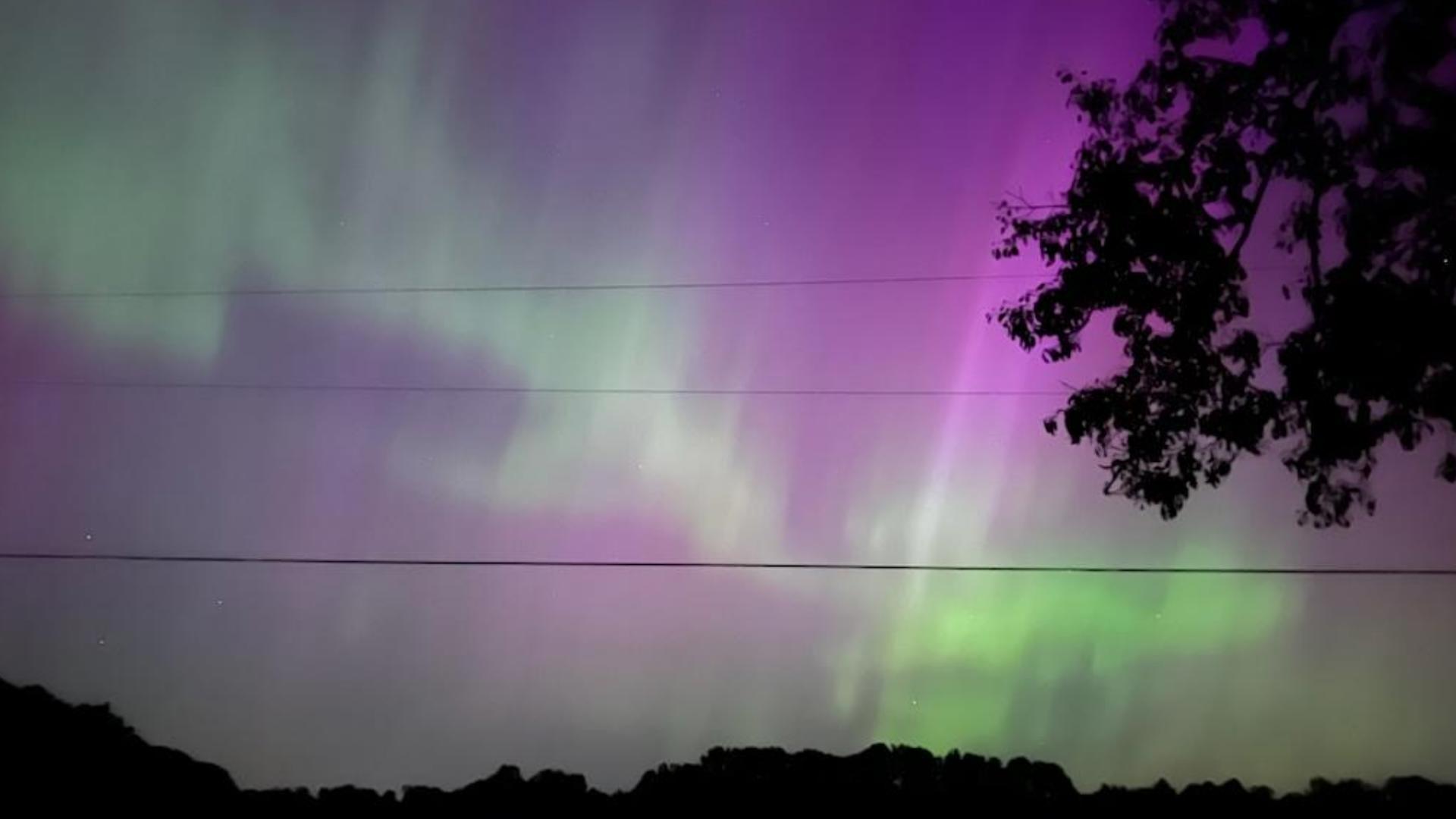
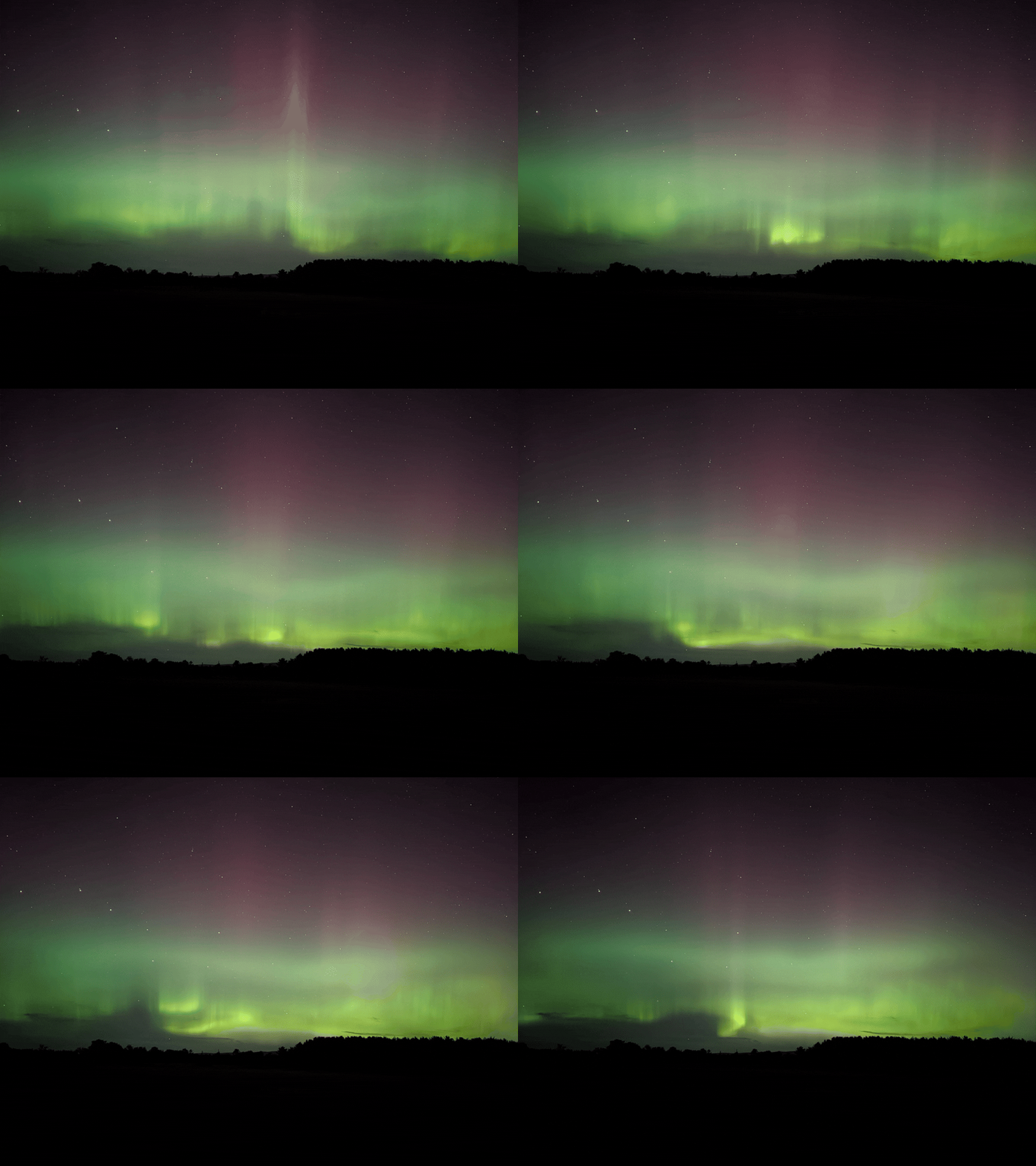
On September 1, 2025, the Northern Lights reached a significant peak in visibility across the Northern Hemisphere, driven by the height of Solar Cycle 25. This date marked a crucial intersection of high solar activity and the autumnal equinox effect, resulting in widespread aurora sightings at lower-than-average latitudes worldwide.
Understanding the Solar Maximum Context of 2025
The year 2025 is widely recognized by astronomers and space weather experts as the focal point of Solar Cycle 25. Every 11 years, the Sun undergoes a cycle of magnetic activity, transitioning from a solar minimum to a solar maximum. During the maximum, the Sun’s magnetic poles flip, leading to a surge in sunspots, solar flares, and coronal mass ejections (CMEs).
Initial forecasts from the National Oceanic and Atmospheric Administration (NOAA) and the Solar Cycle Prediction Panel suggested a moderate peak, but by late 2024 and early 2025, it became evident that the cycle was significantly more active than predicted. The intensity of the aurora on September 1, 2025, was a direct consequence of this heightened solar state. Throughout the year, the Sun produced numerous X-class flares—the most intense category—which sent charged particles hurtling toward Earth’s magnetosphere at millions of miles per hour.
By the time September 2025 arrived, the Earth had already been buffeted by several G4 (Severe) and G5 (Extreme) geomagnetic storms earlier in the year. This established a baseline of high atmospheric energy, making even moderate solar winds capable of producing spectacular light displays. The September 1 event was particularly notable because it occurred just as the "aurora season" in the northern regions was beginning in earnest, following the return of darkness after the midnight sun of summer.
Why September 1, 2025, Was a Critical Date for Aurora Chasers
For enthusiasts and scientific researchers, September 1, 2025, represented more than just a calendar flip; it was the start of the most favorable viewing window of the decade. The timing was significant for two primary reasons: the Russell-McPherron effect and the return of astronomical darkness to high-latitude regions.
The Russell-McPherron Effect
The Russell-McPherron effect explains why geomagnetic storms are roughly twice as likely to occur around the equinoxes (March and September) than during the solstices. Near the equinox, the orientation of the Earth’s magnetic field aligns more effectively with the interplanetary magnetic field (IMF) carried by the solar wind. This alignment creates "cracks" in the Earth's magnetosphere, allowing solar particles to pour in more easily, even if the solar activity itself is not at record-breaking levels.
On September 1, 2025, this geometric advantage magnified a moderate CME impact, transforming it into a high-visibility event across much of the northern United States, Canada, and Northern Europe.
Return of the Dark Skies
In popular aurora destinations like Iceland, Tromsø (Norway), and Fairbanks (Alaska), the summer months are characterized by near-constant daylight, making it impossible to see the aurora regardless of how strong the solar activity might be. September 1 serves as the traditional "re-opening" of the aurora viewing season. By this date in 2025, these regions had regained enough hours of true darkness to provide the necessary contrast for the vibrant greens, reds, and purples of the Aurora Borealis to be visible against the night sky.
Atmospheric and Solar Dynamics: The Science Behind the Glow
The displays witnessed on September 1, 2025, were the result of complex interactions between solar plasma and Earth’s upper atmosphere. When a CME or high-speed solar wind stream reaches Earth, it compresses the magnetosphere. The charged particles (mostly electrons and protons) are funneled toward the poles along magnetic field lines.
As these particles collide with gases in the Earth's thermosphere, they transfer energy, "exciting" the atoms. When the atoms return to their ground state, they release photons of light. The colors observed on September 1 were determined by the altitude and the specific gas involved:
- Green (Atomic Oxygen): This was the most dominant color, occurring at altitudes between 60 and 150 miles. Green is the most common color because the human eye is most sensitive to it and oxygen is abundant at these heights.
- Red (Atomic Oxygen): Seen at much higher altitudes (above 150 miles), red auroras were prominent during the September 1 peak due to the high energy of the solar particles. These are often visible from further south because they occur so high in the atmosphere.
- Purple/Blue (Molecular Nitrogen): Observed at lower altitudes (below 60 miles), these colors appeared as a fringe or "hem" on the bottom of the auroral curtains, indicating particularly deep penetration of solar particles.
The Kp-index, which measures geomagnetic activity on a scale from 0 to 9, reached a sustained level of 6 to 7 on September 1, 2025. This "Storm Level" activity (G2 to G3) was sufficient to push the auroral oval far enough south that observers in places like Washington, Montana, and even parts of the Midwest reported visible displays.
Observation Locations and Visibility Reports
The September 1 event was a global phenomenon, though visibility was naturally limited by weather and local light pollution. Because 2025 was a solar maximum year, the "auroral oval"—the ring of light around the magnetic pole—expanded significantly.
High-Latitude Success (The "Auroral Zone")
In the traditional auroral zone (65° to 70° latitude), the display was described as "overhead and coronating." A corona occurs when the observer is directly beneath the magnetic field lines, causing the aurora to appear as if it is exploding from a single point in the sky.
- Northern Scandinavia: Locations like Abisko, Sweden, and Rovaniemi, Finland, reported intense activity beginning shortly after sunset.
- Alaska and Yukon: Despite the late-night timing of the peak, Fairbanks remained a premier viewing location with clear skies that night.
Mid-Latitude Visibility
One of the hallmarks of the 2025 season was how frequently the lights were seen at mid-latitudes. On September 1, reports filtered in from:
- The British Isles: Viewers in Scotland and Northern England captured vivid photographic evidence.
- The Northern United States: Clear skies over the Great Lakes region allowed for sightings in Michigan, Wisconsin, and Minnesota.
- Canada: Nearly the entire country, including southern cities like Toronto and Vancouver, had visibility opportunities.
| Metric | September 1, 2025 Value | Significance |
|---|---|---|
| Max Kp-Index | 7.0 (G3 Storm) | Strong enough for mid-latitude visibility |
| Solar Wind Speed | ~650 km/s | High-speed stream indicative of CME impact |
| Bz Orientation | Strongly Southward (-15 nT) | Allowed maximum energy transfer to the magnetosphere |
| Proton Flux | Elevated | Increased risk for satellite interference, brighter aurora |
| Sunspot Number | 185+ | Highly active solar disk during Solar Cycle 25 |
Technical Specifications: Measuring the September 1 Storm
To understand the magnitude of the September 1, 2025 event, one must look at the telemetry provided by deep-space observatories like the DSCOVR (Deep Space Climate Observatory) and the ACE (Advanced Composition Explorer) satellites. These satellites sit at the L1 Lagrange point, about a million miles from Earth, providing a 15-to-60-minute "early warning" of incoming solar wind.
Magnetic Orientation (Bz)
The most critical factor on September 1 was the Bz component of the Interplanetary Magnetic Field. For an aurora to be intense, the Bz must be "southward" (negative). This allows the solar magnetic field to "hook into" the Earth’s northward-pointing magnetic field. On this date, the Bz remained consistently negative for several hours, which is the primary reason the storm persisted long enough for multiple time zones to witness the display.
Solar Wind Density and Speed
The solar wind density on September 1 spiked to over 20 particles per cubic centimeter, which is significantly higher than the "quiet" solar wind average of 5. This high density provided more "fuel" for the auroral engine. Combined with speeds exceeding 600 kilometers per second, the kinetic energy involved in the collision with Earth's atmosphere was immense.
Comparing 2025 to Previous Solar Cycles
In retrospect, the 2025 Northern Lights season, and the September 1 peak specifically, has been compared to the great solar cycles of the 1950s and the late 1980s. While Solar Cycle 24 (peaking around 2014) was relatively weak, Cycle 25 surprised the scientific community with its vigor.
The events of 2025 proved that the Sun remains capable of significant outbursts even in an era where some predicted a "Grand Solar Minimum." The frequency of G4 and G5 storms throughout 2025 made aurora hunting more accessible to the general public than at any time in the previous 20 years. This accessibility was further enhanced by the advancement of smartphone camera technology, which by 2025 allowed users to capture the aurora's colors even when they were barely visible to the naked eye.
Lessons for Future Aurora Chasing
Reflecting on the September 1, 2025, event provides valuable insights for those planning future trips to see the Northern Lights. As we move into 2026, the Sun remains in a period of high activity, though it may have passed its absolute peak.
- Prioritize the Equinoxes: The success of the September 1 event reinforces the strategy of planning trips around the September and March equinoxes to take advantage of the Russell-McPherron effect.
- Monitor Solar Data, Not Just Weather: Successful observers on September 1 were those who monitored real-time Kp-index and Bz data through apps and official NOAA sources.
- Location Flexibility: High-latitude destinations remain the safest bet, but the 2025 season showed that being prepared to travel to dark-sky sites at lower latitudes can also be rewarding during major geomagnetic storms.
- Hardware Requirements: The use of fast lenses (f/2.8 or wider) and tripods remained the standard for professional results, but the 2025 peak demonstrated that entry-level gear could produce stunning images during a G3+ storm.
For more detailed technical data on solar cycles and current space weather, the NOAA Space Weather Prediction Center and the NASA Solar Cycle 25 portal remain the primary authorities for historical and real-time analysis.
FAQ: Frequently Asked Questions about September 1, 2025
Why was the aurora so strong on September 1, 2025?
The intensity was due to a combination of Solar Cycle 25 being at its maximum activity and the Russell-McPherron effect, which makes the Earth's magnetic field more susceptible to solar wind around the equinoxes. A specific Coronal Mass Ejection (CME) also impacted the Earth on this date, triggering a G3-class geomagnetic storm.
How far south were the Northern Lights visible on this date?
Reports indicated that the aurora was visible as far south as the 40th parallel in some regions, including states like Pennsylvania, Iowa, and Oregon in the U.S., and parts of Central Europe, provided the observer was in a location with minimal light pollution and a clear northern horizon.
Was September 1 the strongest aurora of 2025?
While September 1 was one of the most significant events due to its timing at the start of the viewing season, it was part of a series of major storms throughout 2025. Other periods in May and October 2025 also saw Extreme (G5) geomagnetic activity, sometimes exceeding the intensity seen on September 1.
Can I still see the Northern Lights in 2026?
Yes. While 2025 was the projected peak of Solar Cycle 25, the "declining phase" of a solar cycle often features very large and complex sunspots that can produce significant geomagnetic storms. Historically, some of the most memorable aurora events have occurred a year or two after the absolute solar maximum.
What is the best time of night to see the aurora during these events?
Statistically, the best time is "magnetic midnight," which usually occurs between 10:00 PM and 2:00 AM local time. However, during the September 1, 2025 event, the storm was so sustained that visibility lasted from dusk until dawn in many high-latitude locations.
Do I need a special camera to see the lights?
While the naked eye can see the movement and structure of the lights during a G3 storm, cameras are more sensitive to color. Long-exposure photography (2 to 10 seconds) is typically required to capture the deep reds and purples that may appear faint to the human eye.
Practical Recommendations for Ongoing Observation
As we continue through 2026, those who missed the September 2025 peak should continue to monitor solar activity. The sun remains highly volatile. For the best chances of success, download a reliable space weather alert app that provides real-time notifications of Bz shifts and Kp-index increases. Always prioritize locations with low light pollution (Bortle Class 1-3) and ensure you have a clear view toward the northern horizon. If you are traveling specifically for the lights, booking at least a 5-to-7-day window around the new moon will provide the best balance of dark skies and statistical probability of a solar event.