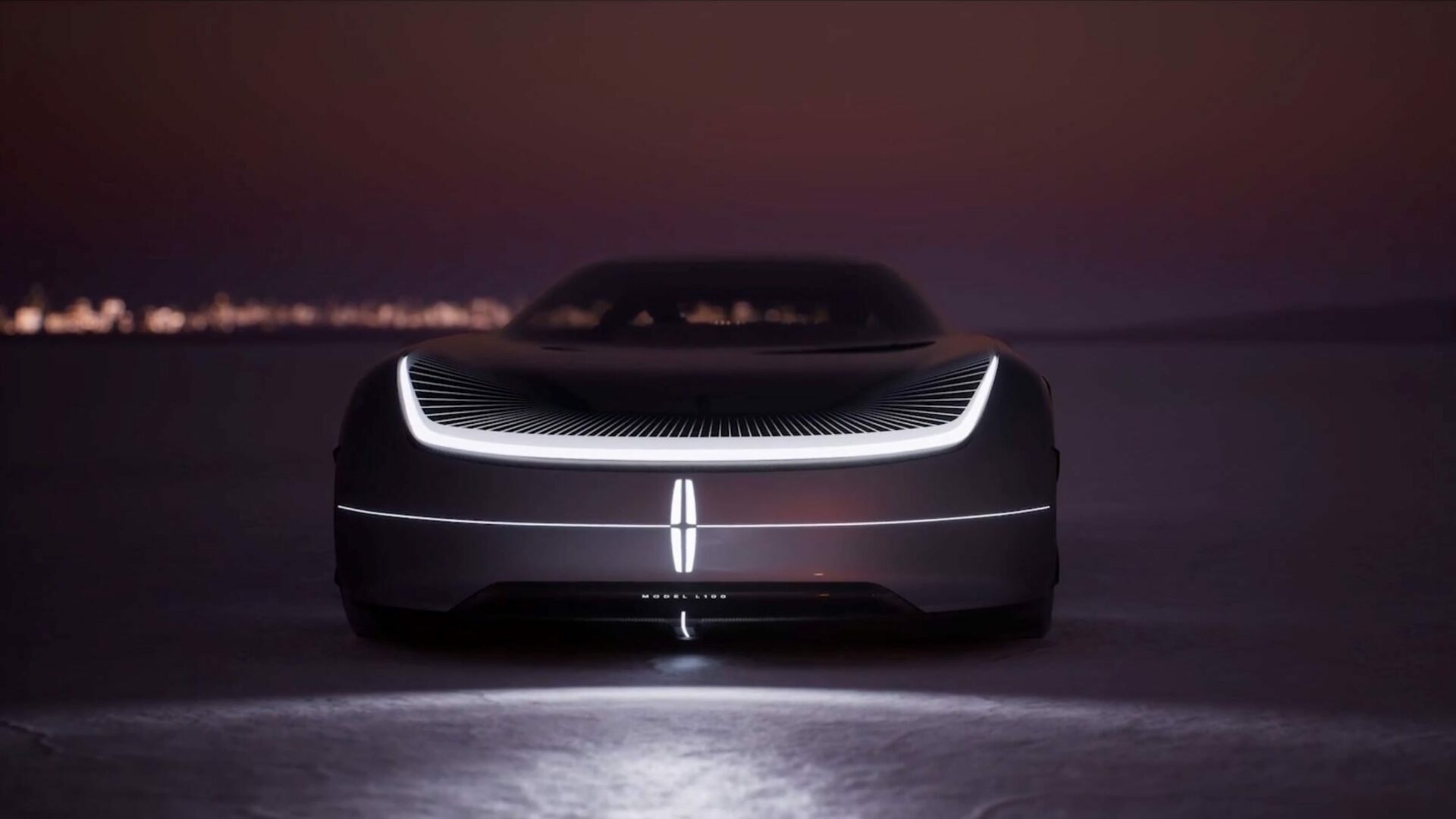
The Lincoln Model L100 has not been assigned a production release date, as it remains a conceptual vehicle designed to showcase the brand's future design language and autonomous technology. Originally unveiled in 2022 to commemorate Lincoln's centenary, the L100 serves as a design study rather than a precursor to a consumer vehicle available for purchase in 2026.
The Nature of the Lincoln Model L100
To understand why there is no release date for the Lincoln Model L100, one must first distinguish between a production vehicle and a concept car. The L100 was introduced by Lincoln at the 2022 Monterey Car Week. It was created to celebrate the 100th anniversary of the brand's acquisition by Ford Motor Company. In the automotive industry, manufacturers use concept cars to experiment with radical design aesthetics, user interface technologies, and innovative packaging solutions that may eventually trickle down to future mass-market models.
The L100 is not a vehicle intended for the showroom floor. It represents an aspirational vision of "Quiet Flight"—a design philosophy Lincoln has adopted to emphasize comfort, elegance, and intuitive technology. By analyzing the L100, industry observers can identify the themes Lincoln intends to weave into their future lineup, but the car itself is a static or limited-function showpiece, not a road-legal vehicle subject to mass production schedules.
Design Philosophy and Technical Innovations
The L100 is characterized by its dramatic, aerodynamic "Kammback" silhouette and its focus on an interior space that prioritizes the experience of the passengers rather than the driver. This is a critical pivot for the brand, as the concept assumes a future where autonomous driving technology is standard.
Interior Configuration
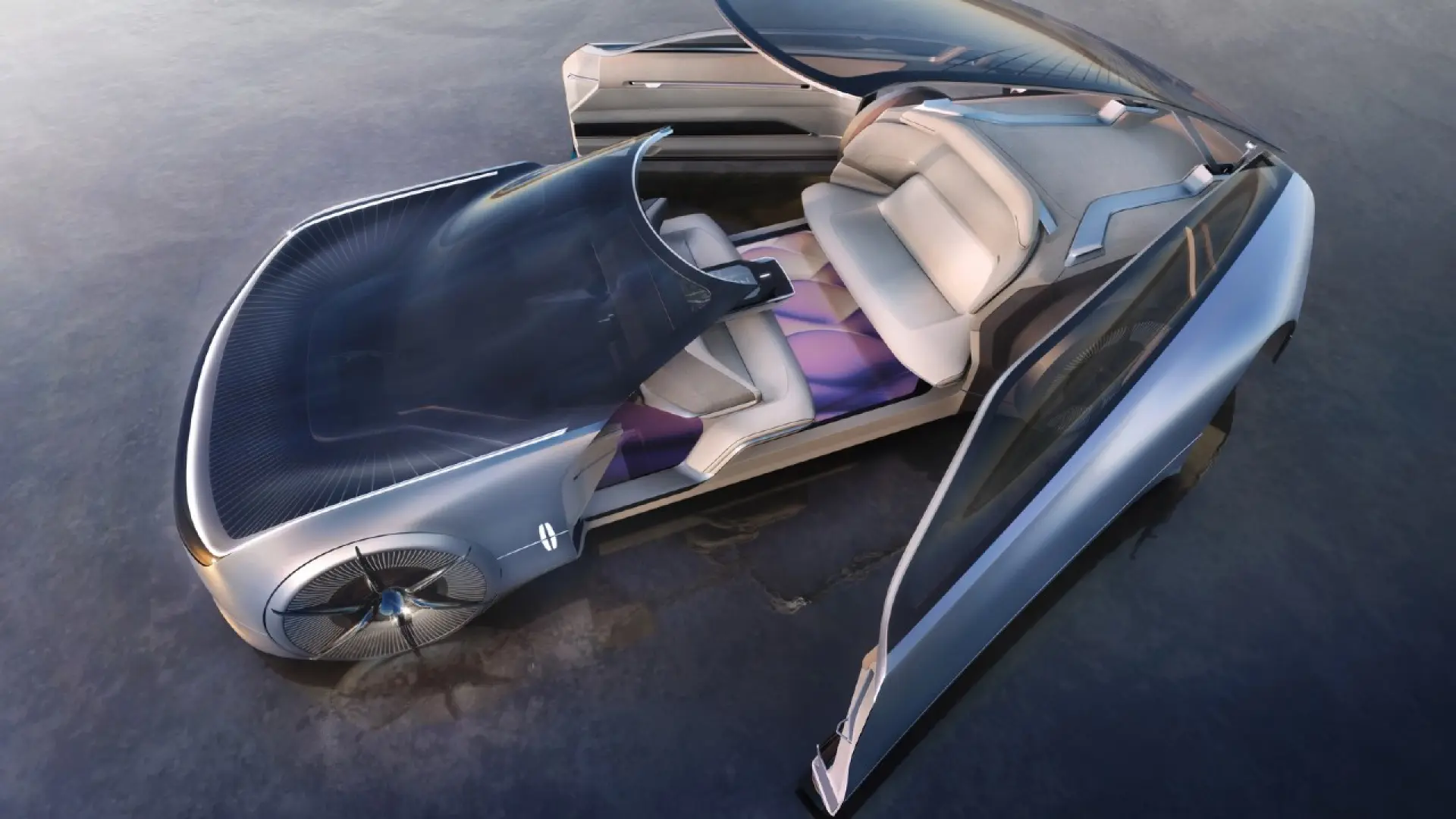
The most striking element of the L100 is its interior. Without the need for a traditional steering wheel or dashboard configuration, the cabin has been reimagined as a social lounge. The seats are designed to be reconfigurable, allowing passengers to face each other. This layout is supported by a flat, intelligent floor and a digital canopy that replaces traditional instrumentation.
Exterior Mechanics
The L100 features a unique "reverse-hinged" door system that extends the roof upward. This engineering choice is intended to create a sense of arrival and occasion, moving away from the conventional door swing that has dominated automotive design for a century. The exterior lighting elements and the use of light as a communicative tool suggest a future where the vehicle interacts with its environment and its occupants through projection and atmospheric effects.
Why Concept Vehicles Do Not Receive Release Dates
Consumers frequently confuse the unveiling of a concept car with the announcement of a new product line. However, the development cycle of a production automobile takes years, requiring rigorous safety testing, supply chain integration, and compliance with global regulatory standards.
The L100 bypasses these constraints because it does not need to meet the safety requirements for airbags, crumple zones, or pedestrian impact regulations that apply to consumer cars. If Lincoln were to base a future vehicle on the L100, that car would necessarily look and function differently to meet the strict legal requirements of the automotive market in 2026 and beyond. Therefore, looking for a "release date" for the L100 is equivalent to looking for a release date for a work of art; it is a vision, not a commodity.
Comparative Overview: Concept vs. Production Reality
To provide clarity on how a concept like the L100 fits into the broader automotive landscape, the following table compares typical concept vehicle characteristics with those of mass-produced, road-legal vehicles.
| Feature | Concept (e.g., L100) | Production (e.g., Lincoln Nautilus) |
|---|---|---|
| Purpose | Demonstrating future design/tech | Providing daily transportation |
| Legal Status | Non-road-legal / Showpiece | Road-legal / FMVSS compliant |
| Availability | Not for sale | Available at dealerships |
| Lifecycle | Single prototype/limited unit | Large-scale manufacturing |
| Tech Focus | Theoretical innovation | Proven, reliable systems |
Evaluating Lincoln’s Current 2026 Strategy
In 2026, Lincoln’s focus remains firmly on its production lineup, which emphasizes refined hybrid and electric powertrains. The brand is currently transitioning toward a more electrified future, but it is doing so through practical, production-ready SUVs and crossovers that fulfill the needs of current luxury buyers.
When evaluating Lincoln’s current offerings, prospective buyers should look at the existing SUV and crossover models that incorporate elements of the brand's new design language. While you cannot purchase an L100, the design cues seen in the concept—such as the emphasis on expansive glass, ambient lighting, and sophisticated, minimalist interiors—are increasingly present in current production models. Lincoln is focusing on "Quiet Flight," which combines digital refinement with mechanical serenity, ensuring that the brand remains competitive against other luxury manufacturers without needing to manufacture the extreme physical form of the L100.
Frequently Asked Questions
Is the Lincoln Model L100 an electric car?
The L100 is presented as a fully electric, autonomous vehicle. While Lincoln has not published specific battery specifications or powertrain data for the L100, the architecture is designed to support a high-capacity battery pack integrated into the structure of the vehicle, which is a standard approach for modern electric vehicle concepts.
Will there ever be a production version of the L100?
It is highly unlikely that a car identical to the L100 will ever be produced. Concept cars are rarely brought to market exactly as they appear on the stage. However, it is standard practice for automakers to incorporate specific design elements or technologies from their concepts into future production cars.
Where can I see the Lincoln L100 in person?
The Lincoln L100 is a concept vehicle that occasionally tours at major automotive events, design exhibitions, or private manufacturer showcases. It is not permanently located at a dealership or in a standard showroom. Interested individuals should check official Lincoln communications or automotive event schedules for museum or trade show appearances.
Does the L100 have a price tag?
No, the L100 does not have a price tag because it is not a commercial product. As a one-off concept build, its value is tied to its role as an intellectual and brand asset for Ford Motor Company. Attempting to assign a retail price is not applicable to vehicles that exist outside of the consumer supply chain.
How does the L100 impact Lincoln's future?
The L100 acts as a lighthouse project. It forces the engineering and design teams at Lincoln to push the boundaries of what is possible, which in turn influences the constraints and goals of future production projects. It provides a visual and emotional anchor for where the brand wants to position itself in the minds of luxury consumers.
Next Actions for Interested Enthusiasts
If you are an enthusiast of the L100, the best way to stay informed about how its concepts are being applied to real vehicles is to follow Lincoln’s official press releases and sign up for updates from the brand. Rather than waiting for a release date that will not arrive, you can explore the current Lincoln lineup to see how the brand is evolving its interior materials, digital connectivity, and exterior lighting signatures.
For those interested in the future of autonomous and electric luxury travel, the most productive step is to visit a local Lincoln dealer to experience the current production vehicles. This will provide you with a baseline to understand the genuine progress Lincoln is making in transitioning toward the "Quiet Flight" experience first teased by the L100.