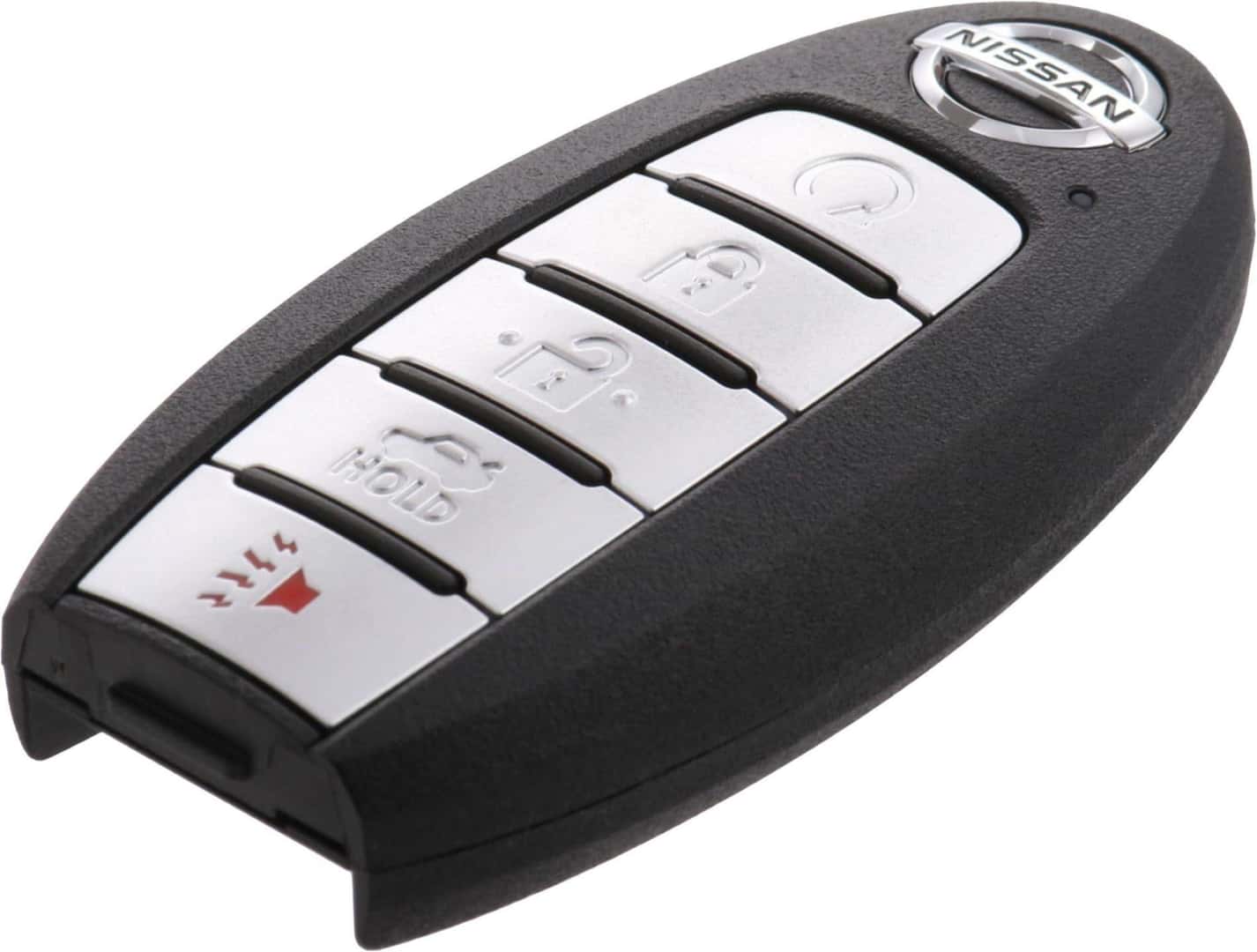
Replacing the battery in your 2018 Nissan key fob is a straightforward maintenance task that restores reliable operation to your vehicle's remote entry system. This process requires a CR2032 3V lithium coin battery and a small flat-head screwdriver, typically taking less than five minutes to complete without professional assistance.
Understanding Your 2018 Nissan Key Fob
The 2018 Nissan lineup—spanning models like the Altima, Rogue, Sentra, and Pathfinder—primarily utilized the "Nissan Intelligent Key." This proximity key allows for keyless entry and push-button ignition. Over time, the internal CR2032 battery loses its charge, leading to symptoms such as reduced range, intermittent signal response, or a "Key ID Incorrect" warning on your dashboard display.
It is important to differentiate between a dead battery and a failed fob. If your vehicle fails to start or unlock even after a fresh battery installation, the issue may stem from internal circuitry damage, moisture exposure, or a desynchronized fob that requires programming by a certified Nissan technician. However, in the vast majority of cases, a simple battery swap resolves the functionality issues.
Prerequisites and Necessary Tools
Before beginning the disassembly, gather the necessary materials. Using the correct tools is essential to prevent damage to the delicate plastic casing of the remote.
- Replacement Battery: A standard CR2032 3V lithium battery. This is a universally available coin cell. Avoid "off-brand" or extremely cheap batteries found at discount retailers, as these may have shorter lifespans or lower voltage stability. Stick to reputable brands like Energizer, Duracell, or Panasonic.
- Flat-Head Screwdriver: Use a small precision screwdriver (eyeglass repair size) or a small flat-head tool. A larger screwdriver may gouge the plastic housing.
- Clean Work Surface: A flat, well-lit surface will help you keep track of the small internal components.
- Optional: A microfiber cloth or non-conductive pry tool to assist in opening the casing without leaving marks.
Step-by-Step Battery Replacement Procedure
Follow these steps carefully to ensure you do not disrupt the internal transponder chip.
- Remove the Mechanical Key: Locate the small release switch on the back or side of the key fob. Slide this switch and pull out the physical metal key insert. Set the metal key aside.
- Separate the Casing: Look for the seam running along the edge of the key fob where the metal key was removed. Insert your flat-head screwdriver into this seam. Gently twist the screwdriver to pop the two halves of the key fob casing apart. You may hear a snap, which is normal as the plastic clips release.
- Identify the Battery: Once the housing is open, you will see the internal circuit board and the battery compartment. Note the orientation of the old battery—typically, the positive (+) side faces upward (or downward, depending on the specific fob model). Ensure you replicate this orientation when installing the new one.
- Remove the Old Battery: Use the flat-head screwdriver or a fingernail to gently pry the old battery from its holder. Be careful not to bend the metal contact prongs, as these are necessary to maintain a constant electrical connection.
- Install the New Battery: Slide the fresh CR2032 battery into the holder, ensuring it is seated flat and aligned with the contact prongs.
- Reassemble: Align the two halves of the key fob casing and press them together firmly until you hear the plastic tabs click into place. Reinsert the mechanical key into the fob.
- Verification: Test the fob by locking and unlocking your vehicle doors. If the vehicle does not respond, re-open the fob to ensure the battery is seated correctly and that the contact prongs are touching the battery surface.
Comparing Battery Replacement Costs
Maintaining your own key fob is significantly more cost-effective than seeking professional help at a dealership or local locksmith. Below is a breakdown of the typical costs associated with these methods as of 2026.
| Method | Estimated Cost | Time Involved | Complexity |
|---|---|---|---|
| DIY Battery Replacement | $3.00 – $7.00 | 5 Minutes | Low |
| Local Auto Parts Store | $10.00 – $20.00 | 15 Minutes | Low |
| Nissan Dealership | $30.00 – $60.00 | 30+ Minutes | Low |
Note: Dealership pricing often includes a "service fee" for the technician's time. If you require a full key fob replacement or reprogramming, costs can range from $150 to $300+, making simple battery maintenance an essential skill for vehicle owners.
Troubleshooting Common Issues
If the replacement does not fix the issue, consider these potential causes:
- Battery Polarity: It is common to accidentally install the battery upside down. Double-check that the (+) sign on the battery matches the indicator inside the fob or your previous orientation.
- Dirty Contacts: Over time, debris or slight corrosion can build up on the metal contact points inside the fob. Use a cotton swab with a tiny amount of isopropyl alcohol to gently clean these points.
- Power Drain: If the battery dies again shortly after replacement, check that there are no buttons stuck in the "depressed" position. A stuck button keeps the fob in a constant state of transmission, which rapidly depletes even a fresh battery.
- Interference: High-powered electronic devices or other metal objects in your pocket or purse can sometimes interfere with the short-range radio signal of the fob.
Safety and Handling Precautions
CR2032 batteries are small, shiny, and pose a severe ingestion hazard to children and pets. Always keep new and used batteries out of reach. If swallowed, a lithium coin cell can cause severe internal burns in as little as two hours. When disposing of the old battery, consider taking it to a local battery recycling center or a big-box hardware store that offers designated collection bins, rather than throwing it into the general trash.
Frequently Asked Questions
Will I lose my car settings if I change the key fob battery? No. Replacing the battery in your 2018 Nissan key fob does not affect your vehicle’s computer or any personalized settings, such as seat positions or mirror adjustments. The fob is a passive transmitter, and the settings are stored within the vehicle’s Body Control Module (BCM), not the remote itself.
How do I know if my fob is broken or just needs a battery? The most common sign of a dead battery is a slow degradation in distance—the remote only works when you are very close to the vehicle. If the remote stops working suddenly without warning, or if the light on the fob (if present) does not flash when you press a button, it is highly likely the battery.
Can I use a different type of battery if I don't have a CR2032? No. You must use a CR2032 battery. While other coin cells (like CR2016 or CR2025) may look similar, they have different thicknesses, voltages, or capacities. Using the wrong battery can damage the fob circuitry or cause a poor fit that results in intermittent power.
Do I need to reprogram the key after replacing the battery? In almost all cases, no. The memory chip inside your Nissan key fob is designed to retain its pairing data even when the battery is completely removed. You should be able to operate your vehicle immediately after reassembling the fob.
What is the expected lifespan of a 2018 Nissan key fob battery? Under normal usage conditions, a CR2032 battery in a Nissan Intelligent Key typically lasts between two to four years. If you notice your remote range decreasing, it is wise to perform a preemptive swap before the battery fails entirely, leaving you stranded.
Final Recommendation
The most reliable way to maintain your 2018 Nissan key fob is to replace the battery every two years, regardless of performance issues. This practice prevents the frustration of being unable to unlock or start your vehicle in inclement weather or during urgent commutes. Keep a spare CR2032 battery in your glove compartment or center console; because these batteries have a long shelf life, they serve as a practical, low-cost insurance policy for your vehicle's entry system. If you perform this task, ensure the battery is disposed of properly to protect the environment and keep small children safe.