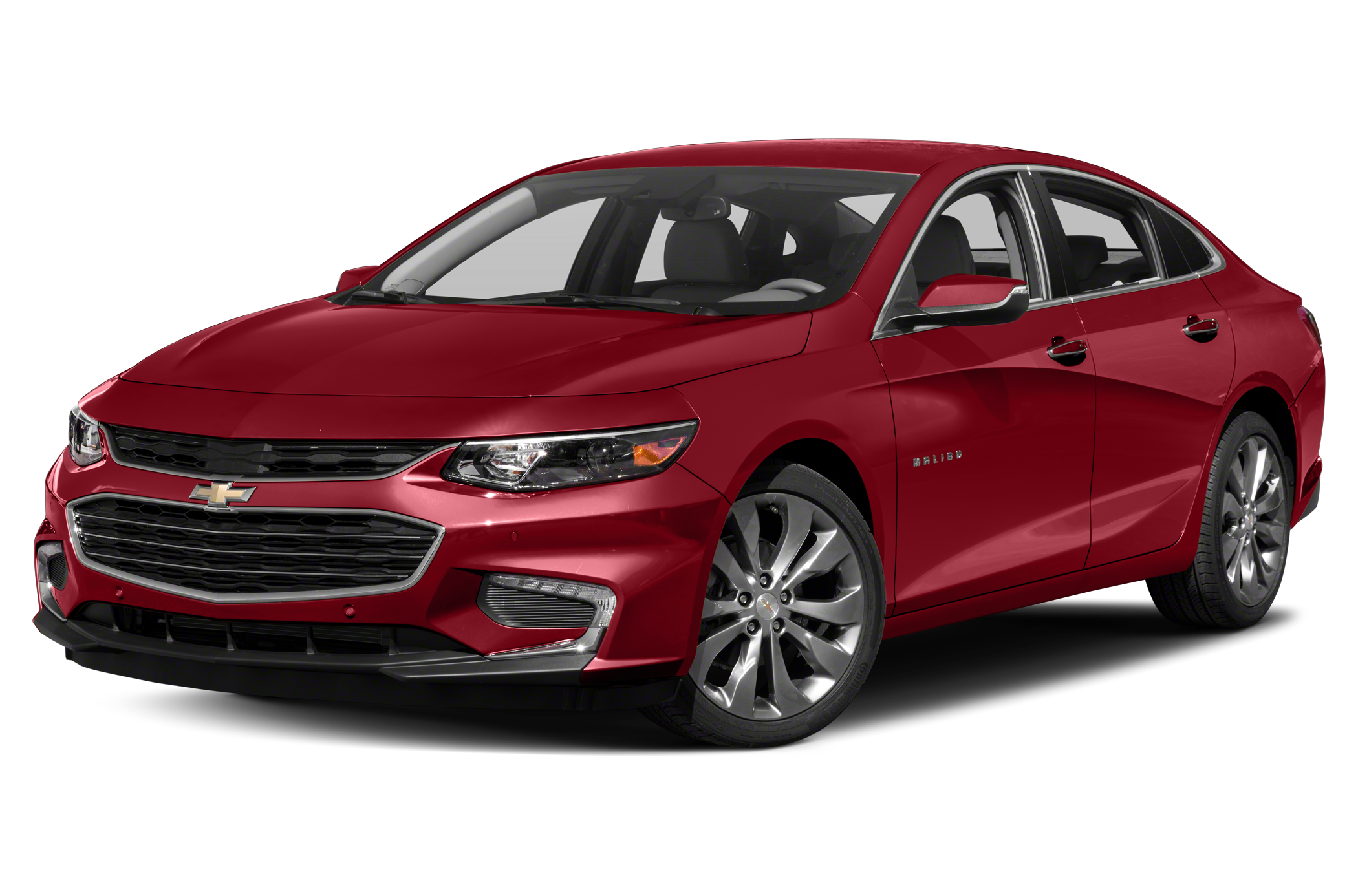
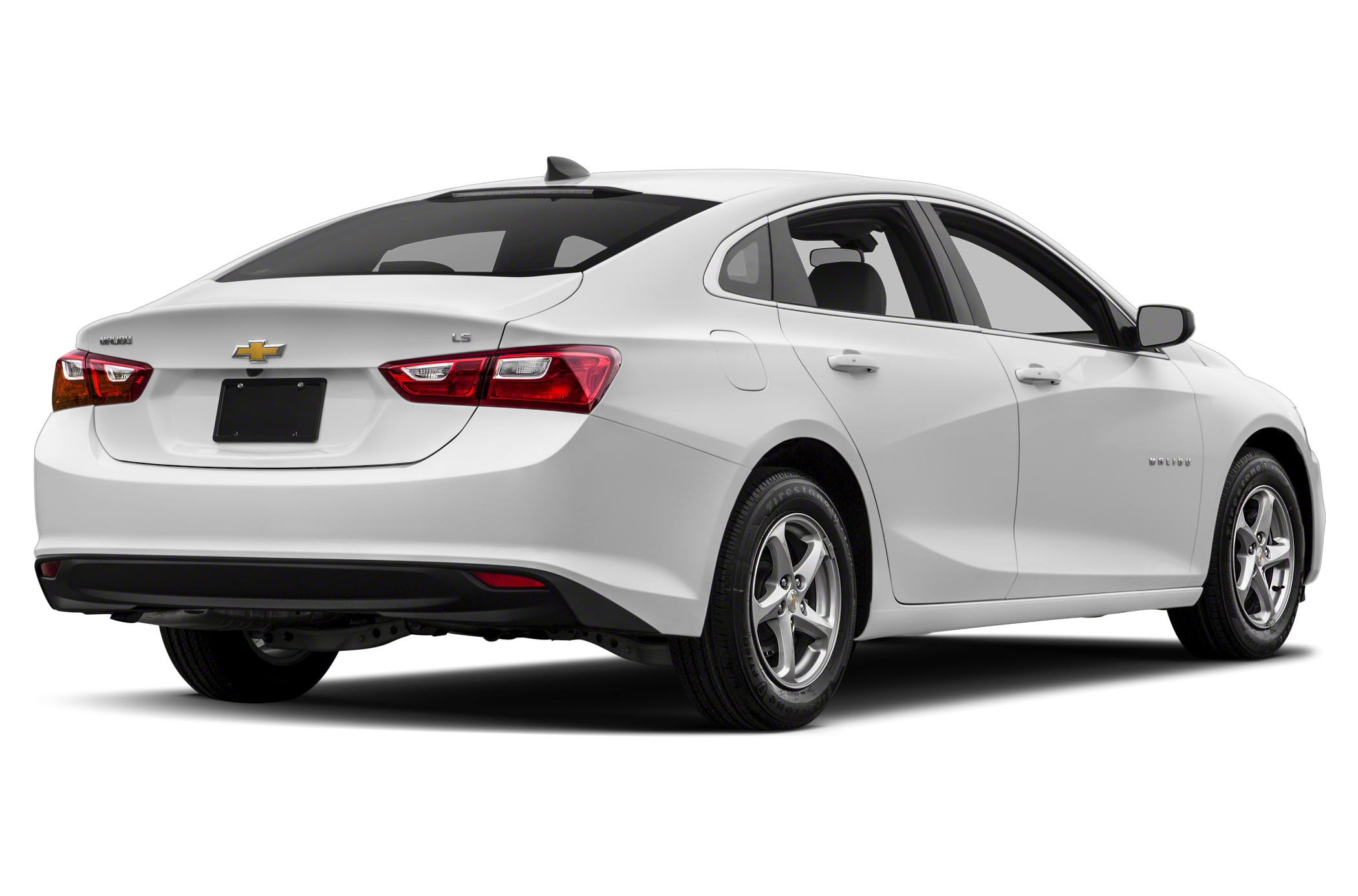
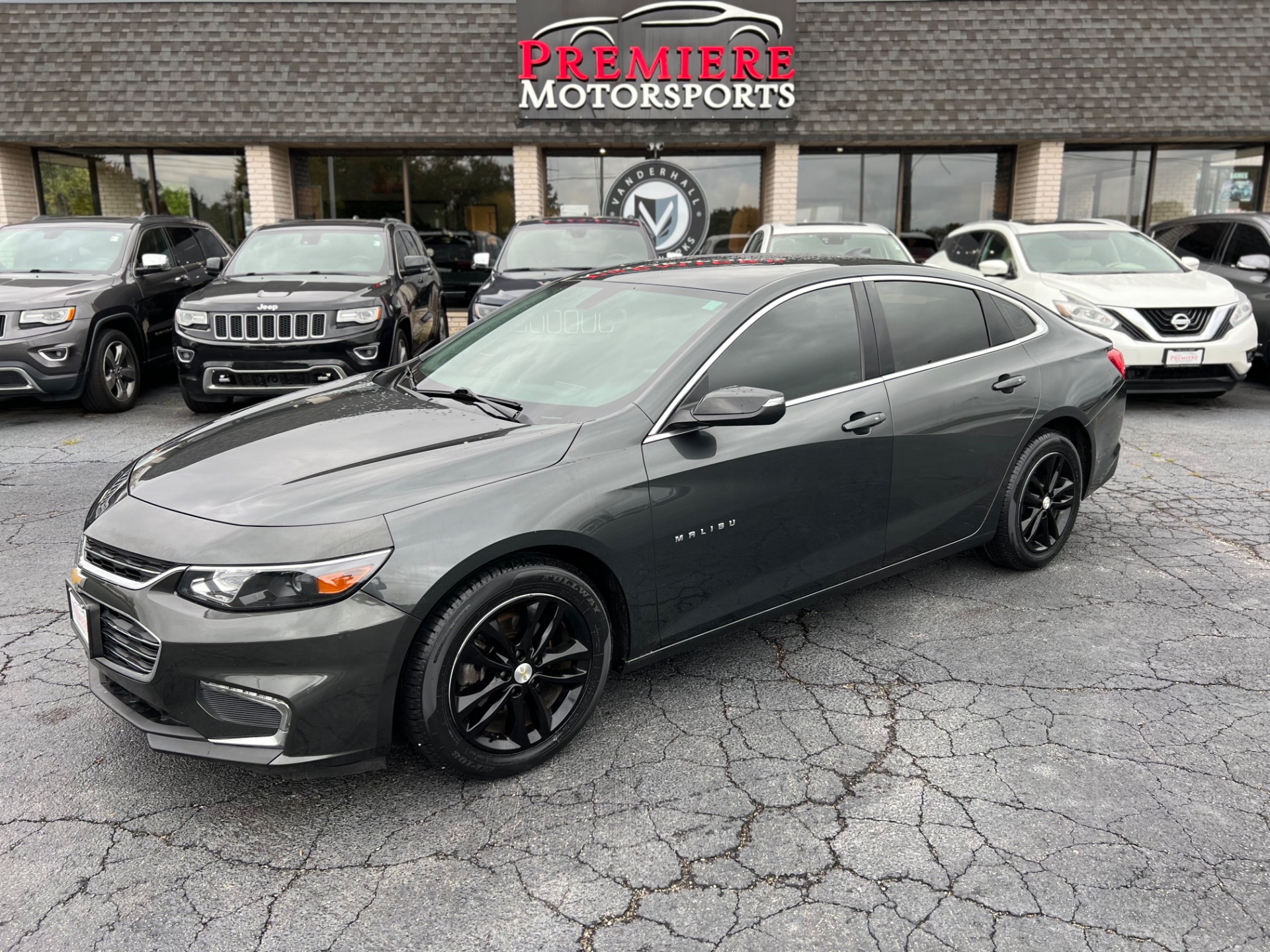
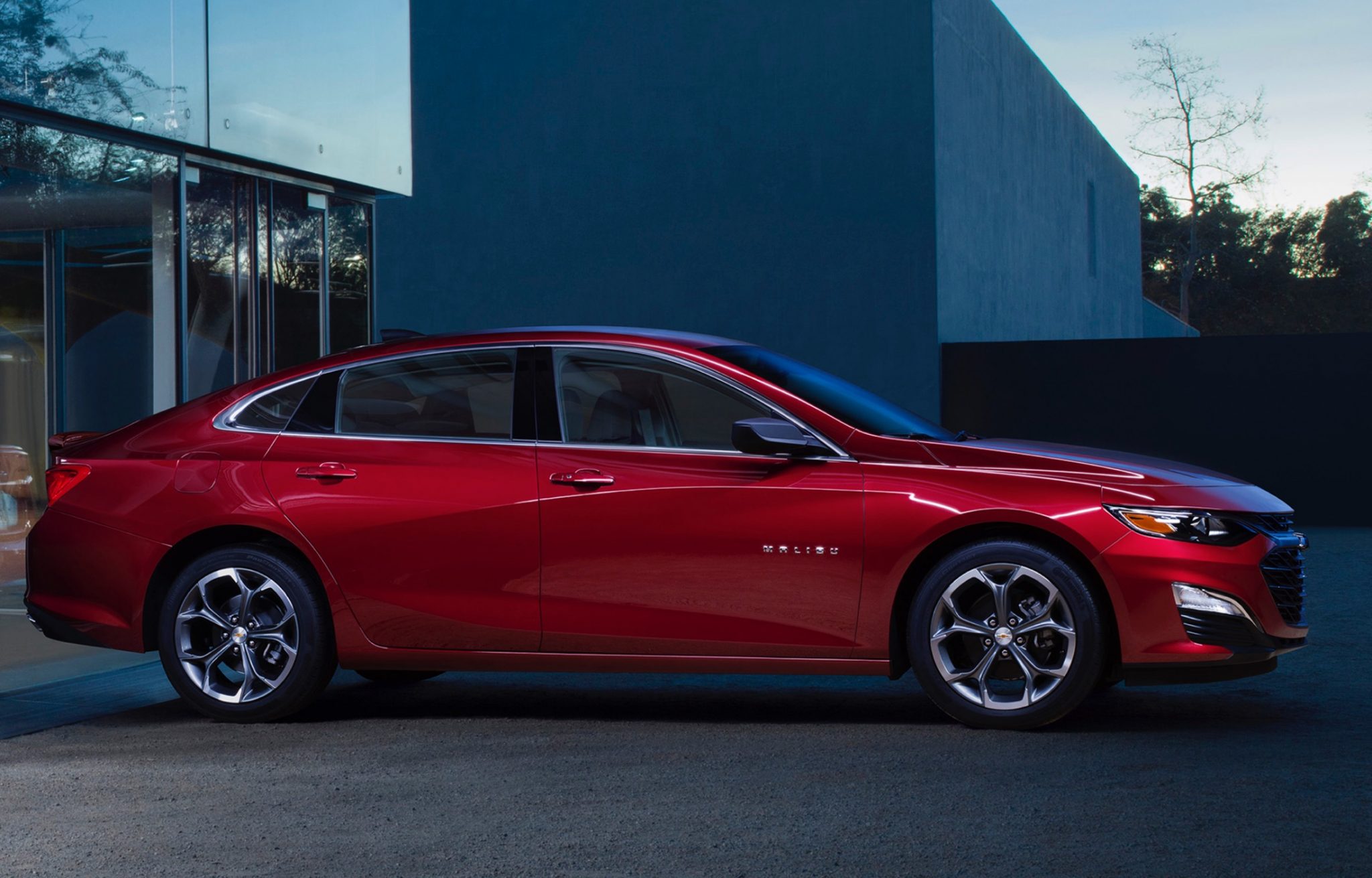
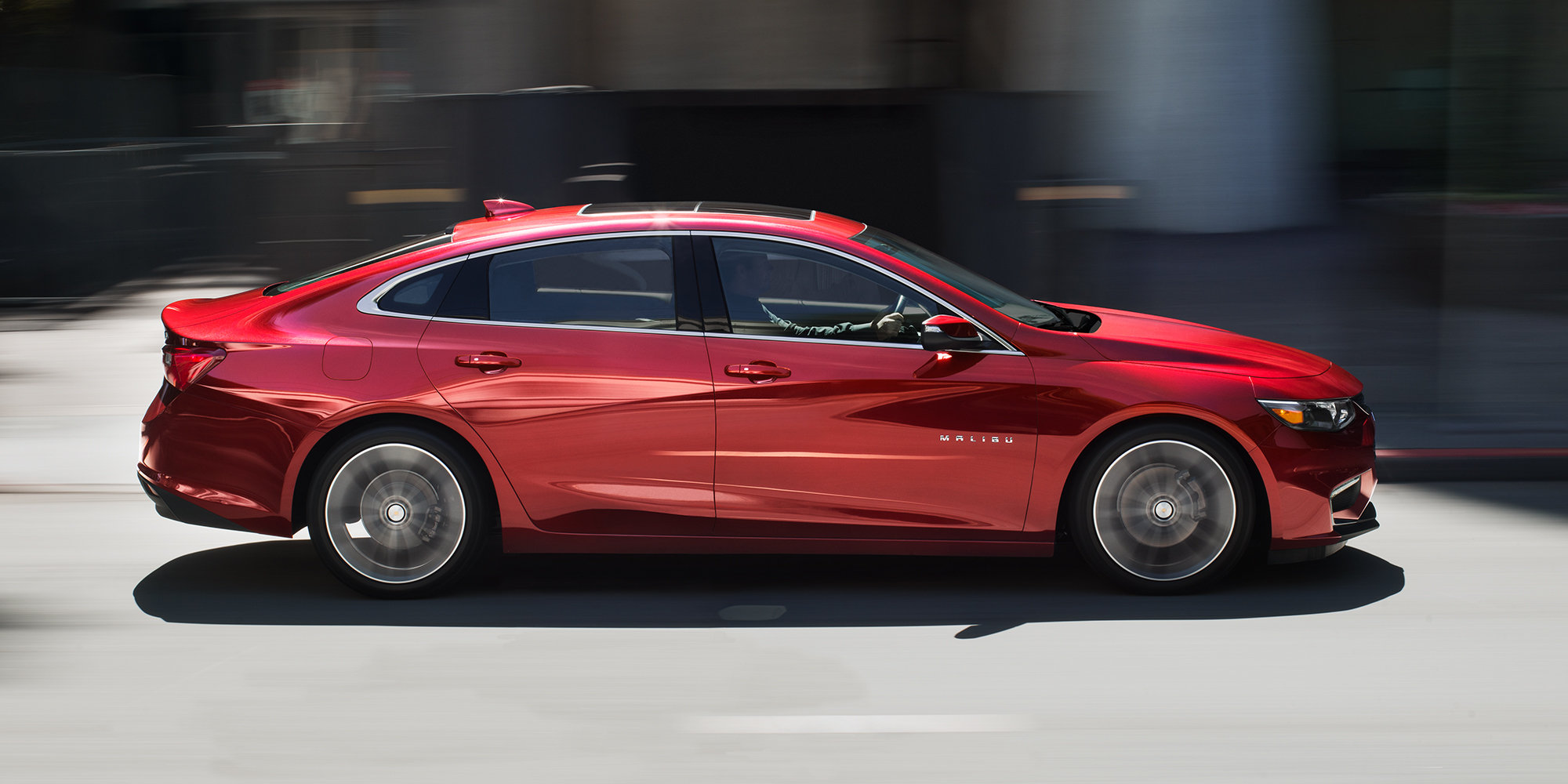
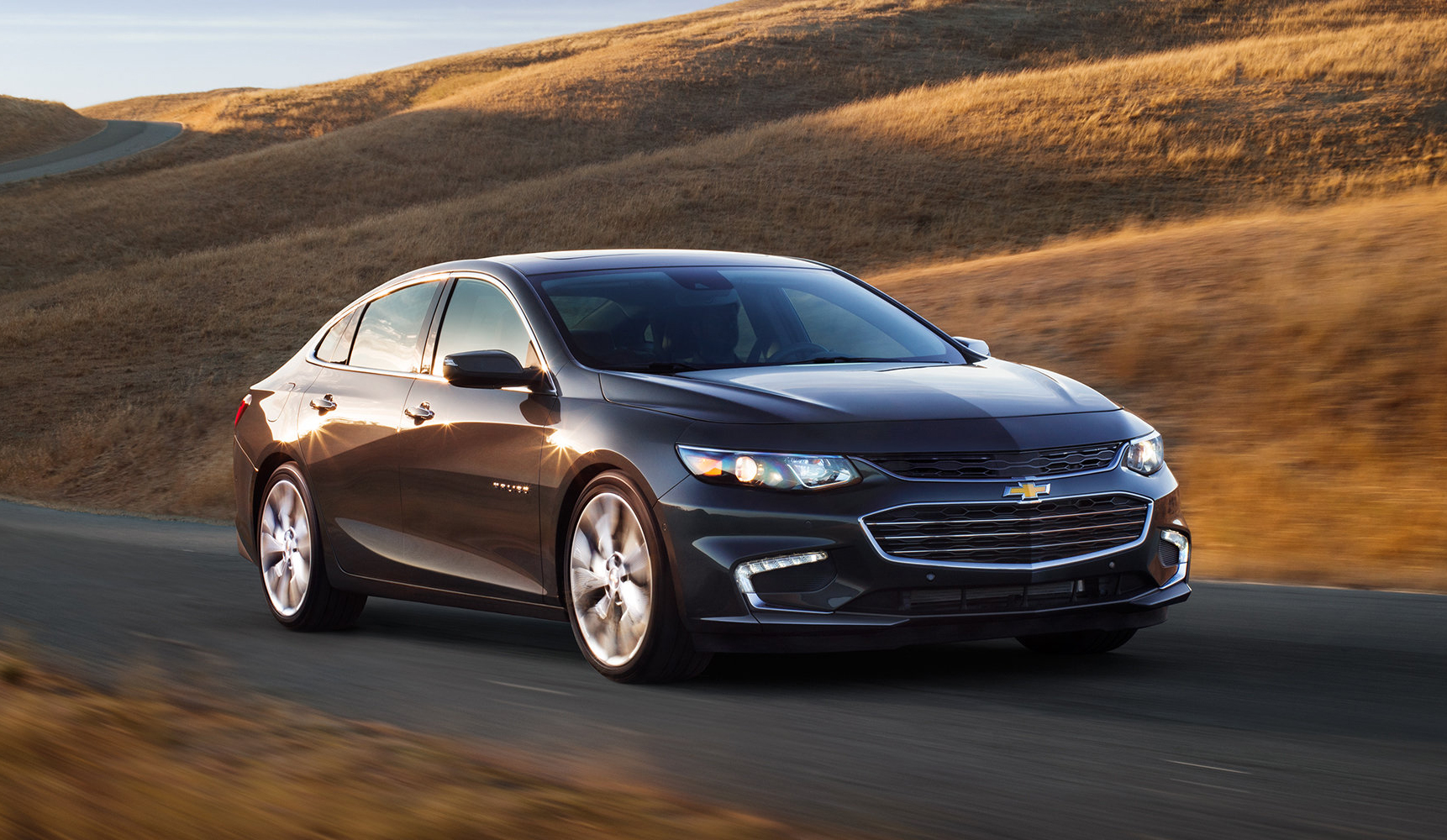
The 2018 Chevrolet Malibu offers three distinct powertrain options—a 1.5-liter turbocharged inline-four, a 2.0-liter turbocharged inline-four, and a 1.5-liter hybrid system—delivering 124 to 250 horsepower depending on the selected engine configuration and vehicle trim level.
When evaluating midsize sedans from the late 2010s, powertrain flexibility often dictates the driving experience, fuel economy, and overall market appeal. The ninth-generation Chevrolet Malibu, spanning model years 2016 through 2023, represents a significant engineering departure from its predecessors. By adopting lighter architecture, highly efficient direct-injection engines, and advanced transmission pairings, General Motors aimed to balance everyday drivability with competitive fuel efficiency.
Understanding the horsepower ratings of the 2018 Chevrolet Malibu requires examining its distinct powertrain variants. Each engine variant serves a specific consumer profile, ranging from cost-conscious commuters prioritizing efficiency to drivers seeking a more dynamic, responsive acceleration profile. This comprehensive guide analyzes the performance metrics, mechanical designs, transmission partnerships, and real-world driving characteristics associated with every 2018 Malibu engine configuration.
The 2018 Chevrolet Malibu Powertrain Lineup Overview
The 2018 model year carried over the engine architecture introduced in the 2016 redesign, maintaining a lineup composed entirely of forced-induction and electrified options. Chevrolet eliminated traditional naturally aspirated V6 or large four-cylinder engines from the Malibu platform, reflecting an industry-wide shift toward turbocharging and downsizing to meet stringent corporate average fuel economy (CAFE) standards without sacrificing low-end torque.
Buyers choosing a 2018 Malibu encountered three primary mechanical configurations:
- 1.5L Turbocharged ECOTEC I4 (LFV): The volume-selling base engine found in L, LS, LT, and Premier trims (though Premier swaps to the 2.0L).
- 2.0L Turbocharged ECOTEC I4 (LTG): The performance-oriented engine reserved exclusively for the top-tier Premier trim level.
- 1.8L Hybrid System (ML2): An electrified powertrain combining a 1.8-liter atmospheric four-cylinder engine with a dual-motor drive unit, available solely on the Hybrid trim.
Each engine utilizes distinct cooling, fuel delivery, and emission control systems. Consequently, their peak horsepower figures tell only part of the story. Torque delivery curves, transmission gearing ratios, and curb weights play critical roles in how these output numbers translate to the pavement.
Base Engine: The 1.5-Liter Turbocharged Inline-Four
Technical Specifications and Horsepower Output
The most common powerplant encountered in the 2018 Chevrolet Malibu lineup is the 1.5-liter turbocharged inline-four engine, designated by General Motors as the LFV. This engine produces 160 horsepower at 5,700 rpm and 184 lb-ft of torque at 2,000 to 4,000 rpm.
While 160 horsepower places the base Malibu near the middle of the midsize sedan segment for the 2018 model year, the broad torque band is its defining mechanical characteristic. Because maximum torque is available starting at a low 2,000 rpm, the engine avoids the sluggish throttle response historically associated with small-displacement engines pulling a midsize chassis.
Mechanical Design and Technologies
The 1.5L LFV features an aluminum block and cylinder head, dual overhead camshafts (DOHC), four valves per cylinder, and direct fuel injection. Direct injection sprays fuel directly into the combustion chamber under high pressure, optimizing air-fuel mixing and enabling a higher compression ratio (10.0:1) despite the presence of a turbocharger.
The low-inertia turbocharger is integrated directly into the exhaust manifold, a design choice that reduces turbo lag by shortening the distance exhaust gases must travel to spin the turbine. Furthermore, the engine incorporates:
- Start-Stop Technology: Automatically shuts off the engine when the vehicle comes to a complete stop to conserve fuel, restarting seamlessly when the brake pedal is released.
- Variable Valve Timing (VVT): Continuously adjusts camshaft phasing to optimize breathing efficiency across low, mid, and high engine speeds.
- Active Thermal Management: Utilizes electronically controlled valves to manage coolant flow precisely, reducing warm-up times and internal friction.
Transmission Pairing
In the 2018 Malibu, the 1.5L turbocharged engine is paired exclusively with a 6-speed automatic transmission (Hydra-Matic 6T40). While competitors began adopting 8-speed, 9-speed, or continuously variable transmissions (CVTs) by 2018, the GM 6-speed provides predictable, smooth shifting calibrated primarily for highway cruising efficiency and relaxed city driving.
High-Output Engine: The 2.0-Liter Turbocharged Inline-Four
Technical Specifications and Horsepower Output
Drivers seeking significantly greater acceleration performance look to the 2.0-liter turbocharged inline-four engine (designated LTG), which is standard equipment on the upscale Premier trim level. This powerplant generates a robust 250 horsepower at 6,000 rpm and 260 lb-ft of torque at 2,000 to 5,000 rpm.
The 90-horsepower increase over the 1.5L engine transforms the character of the Malibu. The 2.0T accelerates from 0 to 60 mph in approximately 6.1 to 6.3 seconds, placing it among the quicker options in the non-luxury midsize sedan class of 2018.
Mechanical Design and Performance Engineering
Like its smaller sibling, the 2.0L LTG features an aluminum block and head, direct injection, and dual-scroll turbocharging. However, the dual-scroll turbocharger separates exhaust pulses from even and odd cylinders, preventing interference and maximizing turbine spin efficiency.
Key technical attributes of the 2.0L engine include:
- Forged Steel Crankshaft: Provides superior strength to handle higher cylinder pressures and thermal loads.
- Sodium-Filled Exhaust Valves: Enhances heat dissipation from the combustion chamber, improving durability under high-boost, sustained load conditions.
- Twin Balance Shafts: Counteracts secondary engine vibrations inherent in large inline-four engines, ensuring smooth, refined operation throughout the rev range.
Transmission Pairing
To manage the substantial 260 lb-ft of torque, General Motors paired the 2.0-liter turbocharged engine with a 9-speed automatic transmission (Hydra-Matic 9T50) for the 2018 model year. This transmission upgrade—which replaced the 8-speed automatic used in the 2016 and 2017 2.0L models—offered closer gear ratios for optimal power delivery during acceleration alongside a wide overall gear spread for efficient highway cruising at lower engine speeds.
Eco-Friendly Option: The 1.8-Liter Hybrid Powertrain
Technical Specifications and Horsepower Output
For buyers prioritizing fuel economy above all else, the 2018 Chevrolet Malibu Hybrid utilizes a specialized propulsion system combining a 1.8-liter naturally aspirated four-cylinder internal combustion engine with a two-motor drive unit. Combined, the hybrid system produces a total net output of 182 horsepower and 277 lb-ft of torque.
While the gasoline engine alone produces 124 horsepower, the electric drive system supplements power instantaneously. This results in brisk low-end acceleration that often feels more responsive off the line than the base 1.5L turbocharged engine.
Hybrid Drive Architecture
The Malibu Hybrid borrows core engineering concepts from the Chevrolet Volt plug-in hybrid. Its Voltec-derived drive unit features two electric motors contained within the transmission housing. These motors work in concert with a fixed-gear planetary gearset to blend electric and gasoline power seamlessly.
Notable hybrid system components include:
- 1.5 kWh Lithium-Ion Battery Pack: Located beneath the trunk floor, this compact battery stores regenerative braking energy and powers the electric motors.
- Exhaust Heat Recovery System (EHRS): Captures thermal energy from the exhaust to warm up the cabin and engine coolant quickly during cold weather, reducing the runtime of the gas engine.
- Electric Power Steering and Electric Air Conditioning: Driven by high-voltage electricity rather than accessory belts, minimizing parasitic drag on the engine.
2018 Chevrolet Malibu Engine Specifications Comparison
| Engine Designation | Displacement | Induction Type | Horsepower (hp) | Torque (lb-ft) | Transmission | Primary Trim Availability |
|---|---|---|---|---|---|---|
| 1.5L LFV | 1.5 Liters (91 cu in) | Turbocharged I4 | 160 @ 5,700 rpm | 184 @ 2,000–4,000 rpm | 6-Speed Automatic | L, LS, LT |
| 2.0L LTG | 2.0 Liters (122 cu in) | Turbocharged I4 | 250 @ 6,000 rpm | 260 @ 2,000–5,000 rpm | 9-Speed Automatic | Premier |
| 1.8L ML2 Hybrid | 1.8 Liters (110 cu in) | Atmospheric I4 + Dual Electric Motors | 182 (Net System) | 277 (Net System) | Electronic Automatic Transaxle | Hybrid |
Real-World Driving Dynamics and Performance Impact
Engine horsepower ratings provide a baseline for comparison, but how a vehicle delivers that power under real-world conditions dictates the driving experience. The 2018 Chevrolet Malibu chassis benefits from a relatively low curb weight—ranging from approximately 3,100 pounds for the base 1.5L model to roughly 3,450 pounds for the Hybrid and Premier variants.
The 1.5L Experience
The 1.5L engine is calibrated for daily commuting and highway cruising. When navigating stop-and-go urban traffic, the low-end torque peak at 2,000 rpm ensures the car moves away from a standstill without requiring excessive throttle input. However, when attempting high-speed passing maneuvers on two-lane roads at highway speeds (above 65 mph), the 160-horsepower output encounters its physical limits, requiring drivers to plan passes carefully as acceleration tapers off in the upper rev ranges.
The 2.0L Premier Experience
By contrast, the 2.0L Premier model behaves like a grand touring sedan. The 250-horsepower rating makes highway merging effortless. The 9-speed automatic transmission executes quick, imperceptible gear changes, keeping the engine in its optimal power band. Throttle tip-in is aggressive, and torque steer is reasonably well-managed for a front-wheel-drive platform producing 260 lb-ft of torque.
The Hybrid Experience
The Hybrid model offers a unique driving dynamic characterized by near-silent electric operation at low speeds. The vehicle can travel on electricity alone up to speeds of approximately 55 mph under light throttle conditions. When the 1.8-liter gas engine engages, the transition is smoothed by the electric motor's dampening effect, resulting in a refined, linear power delivery ideal for heavy commuter traffic.
Maintenance Considerations and Long-Term Reliability
Maintaining the mechanical health of a 2018 Chevrolet Malibu requires attention to the specific operational demands of turbocharged and hybrid powertrains.
Turbocharger Maintenance
Both the 1.5L and 2.0L engines rely on turbochargers operating at high temperatures and rotational speeds. Consequently, strict adherence to oil change intervals using manufacturer-approved dexos1 synthetic motor oil is critical. Neglecting oil changes can lead to oil coking in the turbocharger oil feed lines, starving the turbine bearings of lubrication and causing premature turbo failure.
Cooling and Electrical Systems
- Cooling Systems: The 1.5L and 2.0L engines feature complex cooling loops, including charge-air coolers (intercoolers) that lower the temperature of compressed air entering the intake manifold. Monitoring coolant levels and inspecting intercooler piping for leaks is a standard part of routine maintenance.
- Hybrid Battery Longevity: The lithium-ion battery pack in the Malibu Hybrid is liquid-cooled and designed to last the life of the vehicle. However, ensuring the cooling intake vents located within the cabin (typically near the rear seats) remain unobstructed by cargo or debris is essential for preventing thermal degradation.
Frequently Asked Questions
What is the horsepower of a base model 2018 Chevrolet Malibu?
The base model 2018 Chevrolet Malibu (equipped with the 1.5-liter turbocharged inline-four engine) produces 160 horsepower at 5,700 rpm and 184 lb-ft of torque. This engine is standard on the L, LS, and LT trim levels.
Is the 2018 Chevrolet Malibu 2.0L turbocharged engine fast?
Yes, the 2.0-liter turbocharged engine in the Premier trim produces 250 horsepower and 260 lb-ft of torque. It accelerates from 0 to 60 mph in approximately 6.1 to 6.3 seconds, making it one of the faster non-luxury midsize sedans of its model year.
What transmission is paired with the 2018 Malibu 1.5L engine?
The 1.5-liter turbocharged engine is paired with a Hydra-Matic 6-speed automatic transmission. This combination prioritizes smooth shifting and fuel economy for everyday driving conditions.
How does the 2018 Malibu Hybrid powertrain work?
The Malibu Hybrid combines a 1.8-liter naturally aspirated four-cylinder engine with a two-motor electric drive unit derived from the Chevrolet Volt. It generates a total system output of 182 horsepower and 277 lb-ft of torque, utilizing regenerative braking to recharge its 1.5 kWh lithium-ion battery pack automatically.
What fuel octane does the 2018 Chevrolet Malibu require?
The 1.5-liter turbocharged engine is designed to run efficiently on standard regular unleaded gasoline (87 octane). While the 2.0-liter turbocharged engine can run on regular 87-octane fuel due to its advanced knock-detection sensors, Chevrolet recommends premium fuel (91 octane or higher) to achieve the engine's rated 250 horsepower and maximum performance.
Conclusion and Recommendations
The 2018 Chevrolet Malibu offers a versatile range of horsepower ratings designed to accommodate diverse driving priorities. For buyers primarily concerned with fuel economy and low operating costs, the 160-horsepower 1.5L engine or the 182-horsepower Hybrid provide efficient, highly capable daily transportation. Conversely, drivers seeking spirited acceleration and passing confidence will find the 250-horsepower 2.0L turbocharged engine in the Premier trim to be a compelling choice. When inspecting or purchasing a used 2018 Malibu, verify maintenance records—particularly oil change history for turbocharged variants—to ensure long-term mechanical reliability.