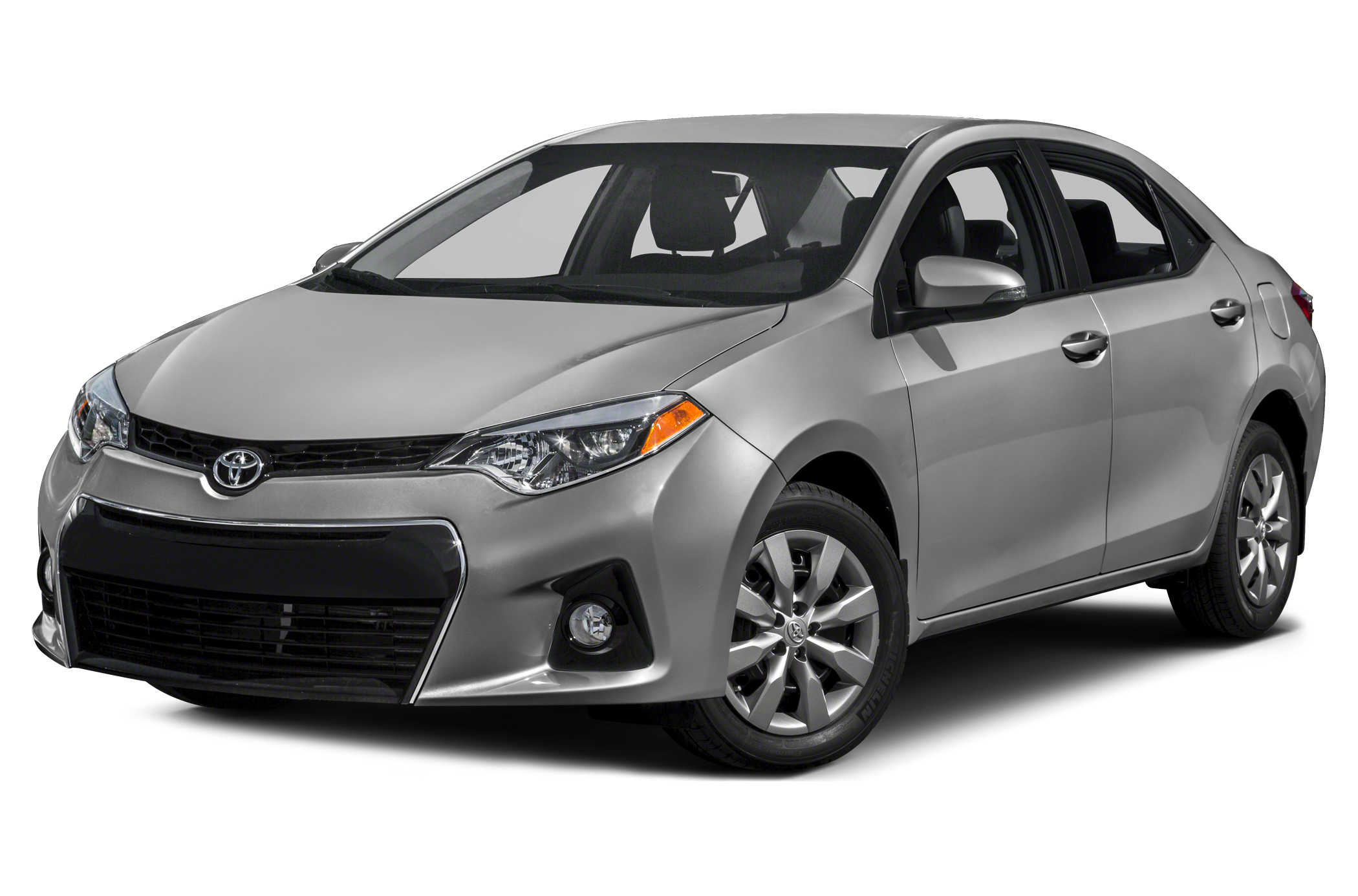
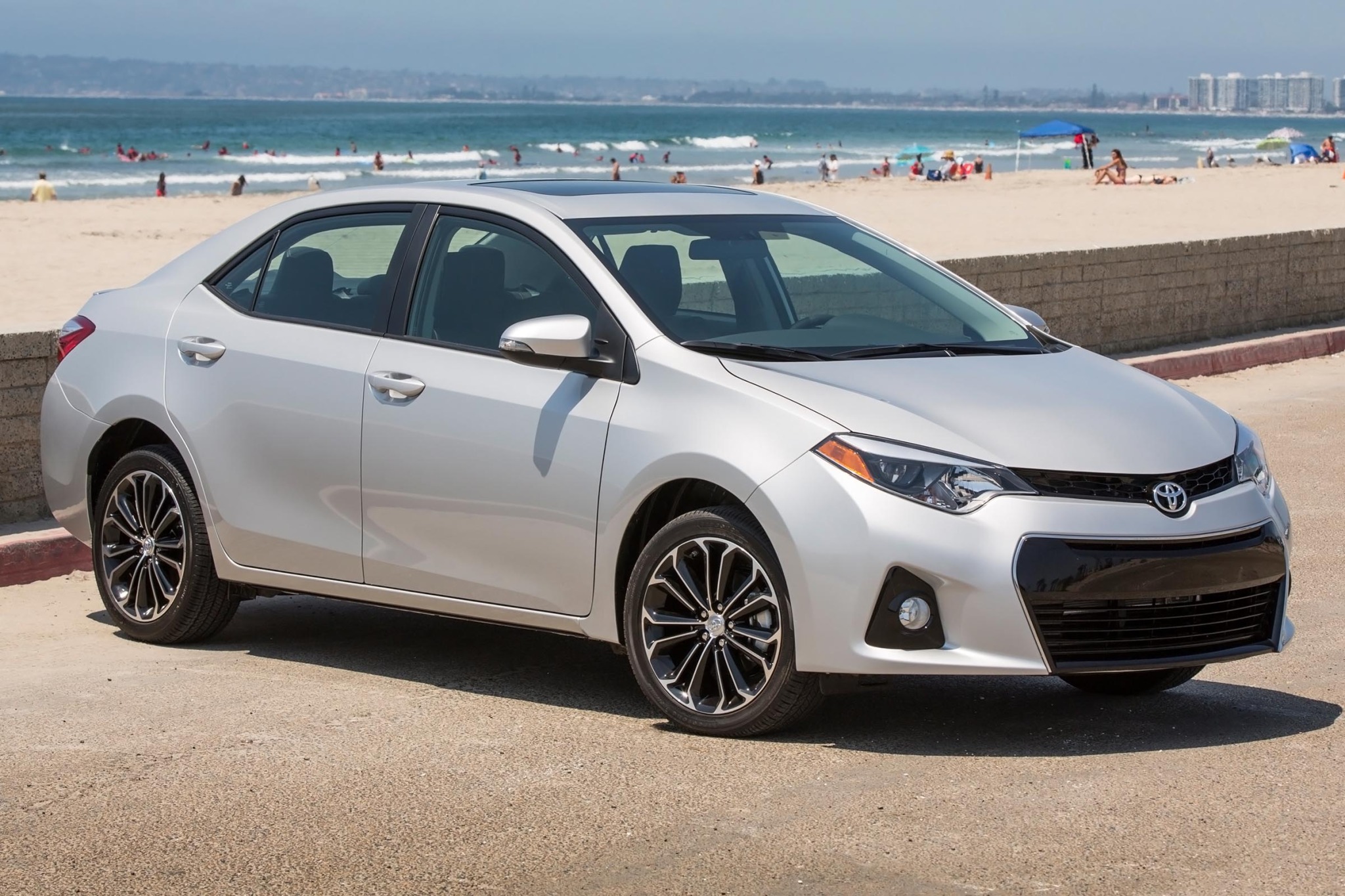
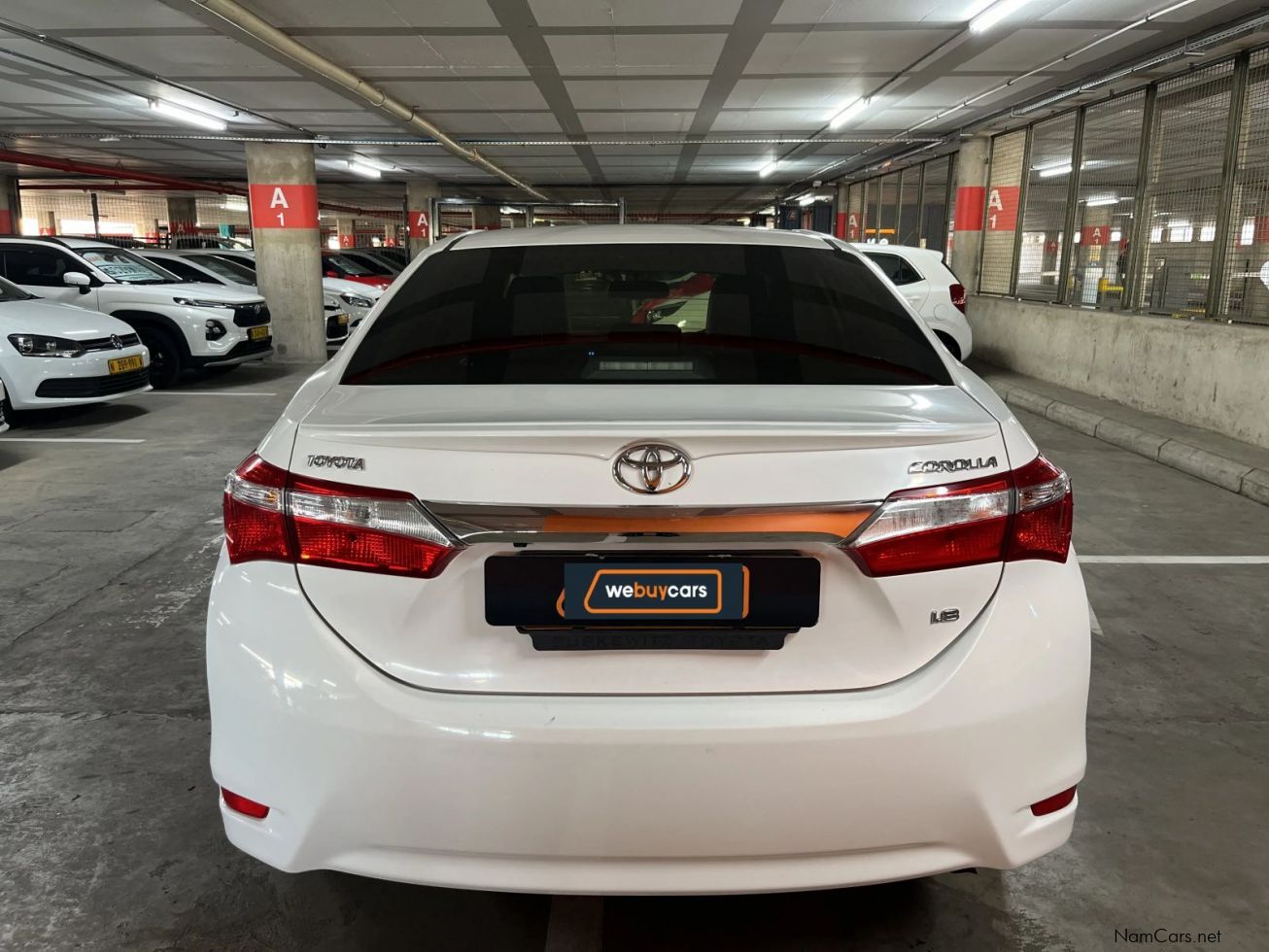
The 2016 Toyota Corolla features a 1.8-liter four-cylinder engine producing 132 horsepower (140 hp in LE Eco models) paired with either a 6-speed manual, 4-speed automatic, or a CVTi-S transmission. Known for its class-leading 41.4 inches of rear legroom and exceptional fuel economy, it remains a top-tier choice for reliability in the 2026 used car market.
As we look back from the perspective of 2026, the 2016 Toyota Corolla stands as a definitive example of the 11th-generation (E170) architecture. It was the final year before the 2017 mid-cycle refresh, making it the most refined version of the initial "modern" Corolla design. For buyers today, understanding the technical specifications of this vehicle is less about comparing it to new models and more about evaluating its longevity, efficiency, and suitability as a dependable daily driver.
Engine and Powertrain Specifications
The heart of the 2016 Corolla is the 1.8-liter inline four-cylinder engine. While some competitors in 2016 were moving toward small-displacement turbocharged engines, Toyota opted for a naturally aspirated approach that prioritized thermal efficiency and long-term durability.
The Standard 2ZR-FE Engine
The L, LE, and S trims utilize the 2ZR-FE engine. This unit features Dual Variable Valve Timing with intelligence (VVT-i), which adjusts the timing on both the intake and exhaust camshafts. This allows for a balance between low-end torque and high-end power.
- Horsepower: 132 hp @ 6,000 rpm
- Torque: 128 lb-ft @ 4,400 rpm
- Bore and Stroke: 80.5 mm x 88.3 mm
- Compression Ratio: 10.0:1
The Valvematic 2ZR-FAE Engine
The LE Eco trim utilizes a modified version of the 1.8-liter engine equipped with Valvematic technology. Unlike the standard VVT-i, Valvematic provides continuous adjustment to the intake valve lift, allowing the engine to breathe more efficiently without relying solely on the throttle plate. This results in a slight bump in power and a significant increase in fuel economy.
- Horsepower: 140 hp @ 6,100 rpm
- Torque: 126 lb-ft @ 4,000 rpm
- Compression Ratio: 10.6:1
Transmission Varieties
In 2026, the transmission choice on a decade-old Corolla is critical for maintenance expectations.
- CVTi-S (Continuously Variable Transmission with intelligence and Shift): The most common transmission found on LE, LE Eco, and S trims. It was designed to mimic the feel of a traditional hydraulic automatic by using "stepped" shift points under heavy acceleration.
- 6-Speed Manual: Available on the base L trim and the S Plus. It offers a more engaging drive and is highly sought after in the used market for its simplicity and lack of belt-driven components.
- 4-Speed Automatic: Exclusively found on the base L trim. While antiquated even in 2016, this unit is legendary for its "bulletproof" reliability, though it suffers from higher engine RPMs at highway speeds and lower fuel economy.
Fuel Economy and Efficiency Ratings
The 2016 Corolla was engineered to compete directly with the Honda Civic and Mazda3 in the efficiency segment. By 2026 standards, its fuel economy remains competitive for a non-hybrid vehicle.
- LE Eco Trim: This was the efficiency champion of the lineup. Utilizing aerodynamic underbody panels, a rear spoiler, and low-rolling-resistance tires, it achieved an EPA-estimated 30 mpg city / 42 mpg highway / 35 mpg combined.
- Standard LE and L (with CVT): These models typically delivered 29 mpg city / 38 mpg highway / 32 mpg combined.
- S Trim: Due to larger 17-inch wheels (on S Plus/Premium) and different tuning, the S trim generally saw 29 mpg city / 37 mpg highway / 32 mpg combined.
- Base L (4-Speed Auto): The least efficient of the bunch, rated at 27 mpg city / 36 mpg highway / 31 mpg combined.
These figures were achieved using 87-octane regular unleaded gasoline. The fuel tank capacity across all models is 13.2 gallons, providing a theoretical highway range of over 500 miles in the LE Eco trim.
Chassis, Suspension, and Braking
The 2016 Corolla utilizes a unibody construction with a MacPherson strut front suspension and a torsion beam rear suspension.
Handling and Ride Quality
The suspension was tuned for comfort rather than sportiness, even in the "S" (Sport) trim. The S trim does, however, feature slightly firmer springs and unique shocks to reduce body roll.
- Steering: Electric Power Steering (EPS) with a rack-and-pinion setup. It provides a light feel in parking lots but lacks the tactile feedback found in more enthusiast-oriented compacts.
- Turning Circle: A tight 35.6 feet, making it exceptionally easy to maneuver in urban environments.
Braking Systems
One major technical distinction between trims is the braking hardware.
- L, LE, and LE Eco: These trims use 10.8-inch ventilated front discs and 9-inch rear drum brakes.
- S Trim (Plus and Premium): These models were upgraded to 10.2-inch solid rear disc brakes.
In the 2026 used market, rear drum brakes are often preferred by budget-conscious owners because they require less frequent maintenance and are less prone to seizing in salt-heavy climates, though disc brakes offer better heat dissipation during spirited driving or mountain descents.
Exterior and Interior Dimensions
The 2016 Corolla is classified as a compact sedan, but its interior volume pushed the boundaries of the "mid-size" EPA classification at the time.
Exterior Measurements
- Wheelbase: 106.3 inches
- Overall Length: 182.5 inches
- Width: 69.9 inches
- Height: 57.3 inches
- Ground Clearance: 5.5 inches
Interior Space
The standout specification for the 2016 Corolla is the rear legroom. At 41.4 inches, it significantly outperformed the Ford Focus (33.2 inches) and even the larger Toyota Camry of the same era.
- Front Headroom: 38.3 inches (without sunroof)
- Front Legroom: 42.3 inches
- Rear Headroom: 37.1 inches
- Cargo Volume: 13.0 cubic feet (The trunk features a wide opening but the hinges do intrude slightly into the load space).
Trim Level Comparison and Feature Sets
The 2016 model year was offered in four primary trims, with "Plus" and "Premium" sub-packages. Additionally, a Special Edition was produced to celebrate the model's heritage.
| Feature | L (Base) | LE | LE Eco | S |
|---|---|---|---|---|
| Engine | 1.8L VVT-i | 1.8L VVT-i | 1.8L Valvematic | 1.8L VVT-i |
| Horsepower | 132 hp | 132 hp | 140 hp | 132 hp |
| Transmission | 6MT / 4AT | CVTi-S | CVTi-S | CVTi-S / 6MT |
| Wheels | 15" Steel | 16" Steel | 15" Steel / 16" Alloy | 16" Steel / 17" Alloy |
| Headlights | LED Low Beam | LED Low Beam | LED Low Beam | LED Low Beam w/ DRL |
| Rear Brakes | Drum | Drum | Drum | Disc (S Plus/Prem) |
| Climate Control | Manual | Automatic | Automatic | Automatic |
The 2016 Special Edition
Based on the S Plus trim, the Special Edition included 17-inch alloy wheels with a gloss black finish, a black interior with red contrast stitching, "Special Edition" floor mats, and unique exterior colors like Absolutely Red and Black Sand Pearl. It also came standard with Smart Key and push-button start.
Safety Systems and Crash Test Ratings
While the 2016 Corolla preceded the standard inclusion of Toyota Safety Sense (TSS) in the 2017 model, it still focused heavily on passive and active safety through the Star Safety System.
Standard Safety Equipment
- 8 Airbags: Including driver and front passenger Advanced Airbag System, front seat-mounted side airbags, driver knee airbag, passenger seat-cushion airbag, and front/rear side curtain airbags.
- Star Safety System: Includes Vehicle Stability Control (VSC), Traction Control (TRAC), Anti-lock Brake System (ABS), Electronic Brake-force Distribution (EBD), and Brake Assist (BA).
- Whiplash-Injury-Lessening (WIL) Front Seats: Designed to reduce the impact of rear-end collisions on the neck.
NHTSA and IIHS Performance
The 2016 Corolla earned a 5-star overall rating from the National Highway Traffic Safety Administration (NHTSA). The Insurance Institute for Highway Safety (IIHS) awarded it "Good" ratings in most categories, though it received a "Marginal" rating in the challenging small overlap front passenger-side test—a common result for vehicles designed in the early 2010s.
Infotainment and Connectivity
In 2016, Toyota utilized the Entune Audio ecosystem. By 2026, these systems may feel dated, as they lacked Apple CarPlay and Android Auto integration.
- Base Entune: Featured a 6.1-inch touchscreen, 6 speakers, auxiliary jack, and USB 2.0 port.
- Entune Audio Plus (LE, LE Eco, S): Added Connected Navigation via the Scout GPS Link app.
- Entune Premium Audio: Available on higher packages, this included Integrated Navigation and the Entune App Suite (Pandora, iHeartRadio, etc.).
For owners today, many choose to upgrade these units with aftermarket head units to gain modern smartphone mirroring, although the original 6.1-inch screens are known for their durability compared to the capacitive screens used in later years.
Maintenance and Reliability in 2026
As the 2016 Corolla crosses the decade mark, it has earned a reputation for being one of the least expensive cars to maintain.
Common Observations at High Mileage
- Oil Consumption: While less common than in the 2009-2011 models, some 2ZR-FE engines may show slight oil consumption after 150,000 miles. Regular 5,000-mile oil changes using 0W-20 synthetic oil are vital.
- CVT Fluid: Although Toyota originally labeled the CVT fluid as "Lifetime," most technicians in 2026 recommend a drain and fill every 60,000 miles to preserve the steel belt and pulleys.
- Water Pump: The water pump on the 1.8L engine is a known wear item that typically requires replacement between 100,000 and 120,000 miles.
- Interior Plastics: The 2016 model used high-quality dashboard materials (soft-touch), but the silver-painted trim on the door handles and center console can show significant scratching after ten years of use.
Frequently Asked Questions
Does the 2016 Corolla have a timing belt or timing chain?
The 2016 Corolla uses a timing chain for both the 2ZR-FE and 2ZR-FAE engines. Unlike a timing belt, the chain is designed to last the life of the engine and does not require periodic replacement, provided the engine oil is changed regularly to prevent tensioner wear.
Is the 2016 Corolla reliable for long-distance commuting?
Yes. The 2016 Corolla is highly regarded for its highway manners and seat comfort. The LE Eco trim is particularly well-suited for long commutes due to its 42-mpg highway rating and improved aerodynamics. However, road noise is more prevalent than in a Camry or Avalon.
Can I add Apple CarPlay to a 2016 Corolla?
The factory Entune system in the 2016 Corolla does not support Apple CarPlay or Android Auto. To get these features, you must replace the factory head unit with an aftermarket system. Because the Corolla uses a standard "Double DIN" radio opening, this is a relatively straightforward upgrade.
Which trim is the best for a used car buyer?
The LE trim is generally considered the best value. It adds essential features like automatic climate control, cruise control, and remote keyless entry over the base L trim, without the higher price tag or harsher ride of the 17-inch wheels found on the S trim.
How much should a 2016 Corolla cost in 2026?
Prices vary based on condition and mileage. Generally, a 2016 Corolla with 100,000 miles in good condition retails for between $8,500 and $10,500 in the 2026 market. Low-mileage "Special Edition" or "Premium" models may command a slight premium.
Final Recommendation for Buyers
The 2016 Toyota Corolla remains a benchmark for "appliance-like" reliability. If your goal is to find a vehicle with predictable maintenance costs, excellent fuel economy, and enough rear-seat room for adult passengers, the 2016 Corolla is an excellent choice. While it lacks the latest semi-autonomous driving features and high-resolution infotainment of 2020s models, its mechanical simplicity is its greatest strength.
When shopping, prioritize vehicles with a documented service history—specifically those that received 5,000-mile oil changes—and check the condition of the CVT fluid if the car has surpassed 100,000 miles. For those who enjoy a slightly more spirited drive, the S Plus with the 6-speed manual remains the "unicorn" of this generation, offering the best balance of driver engagement and legendary Toyota longevity.