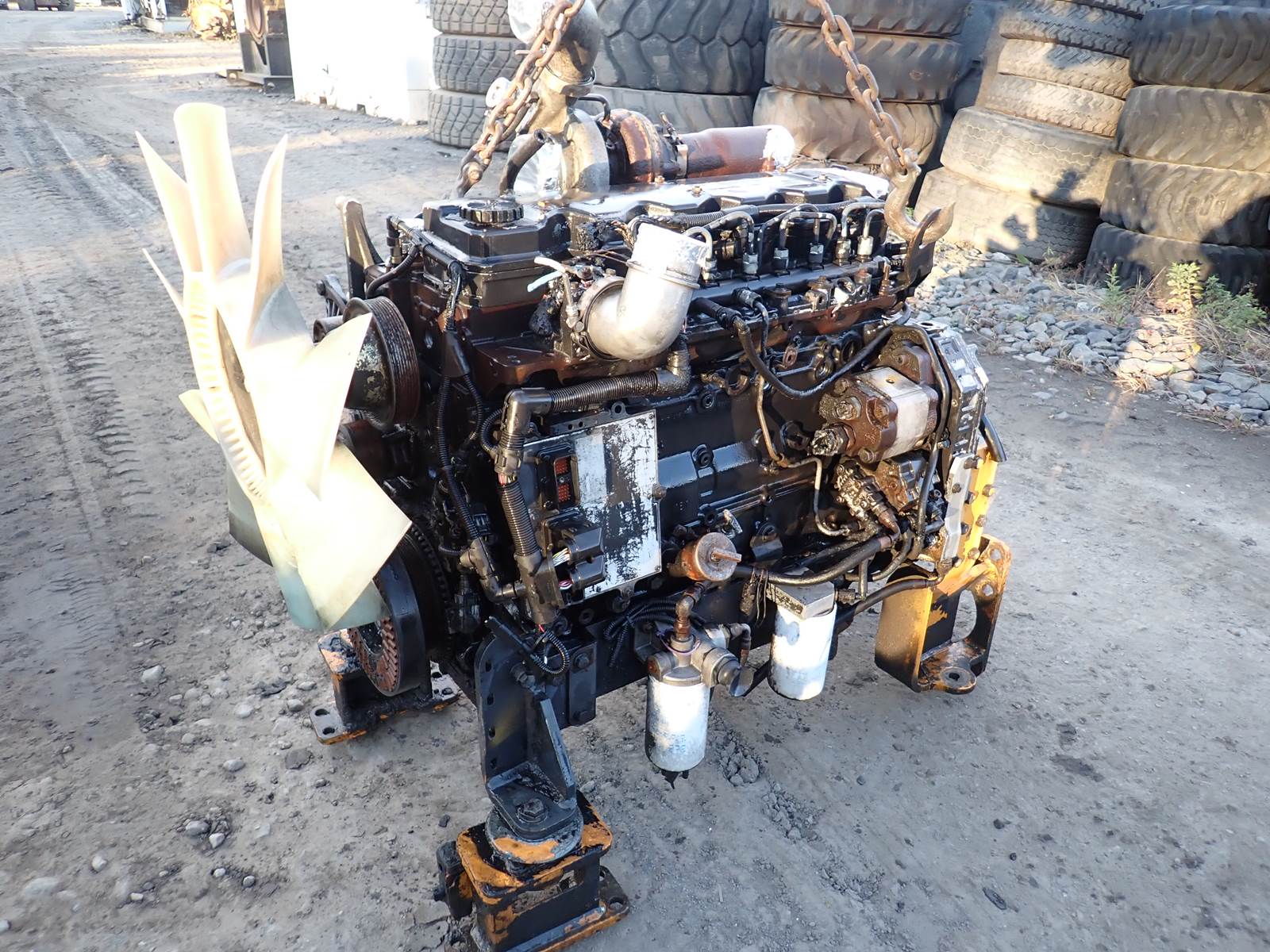
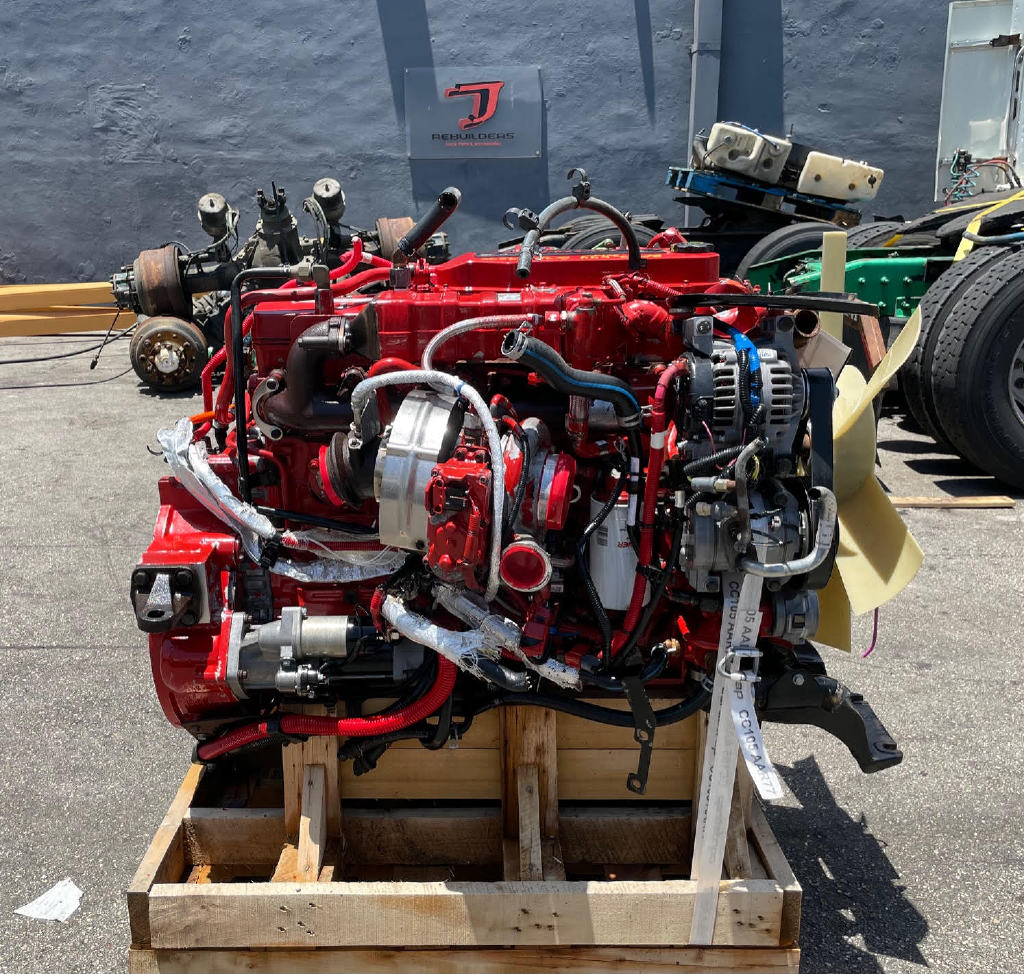
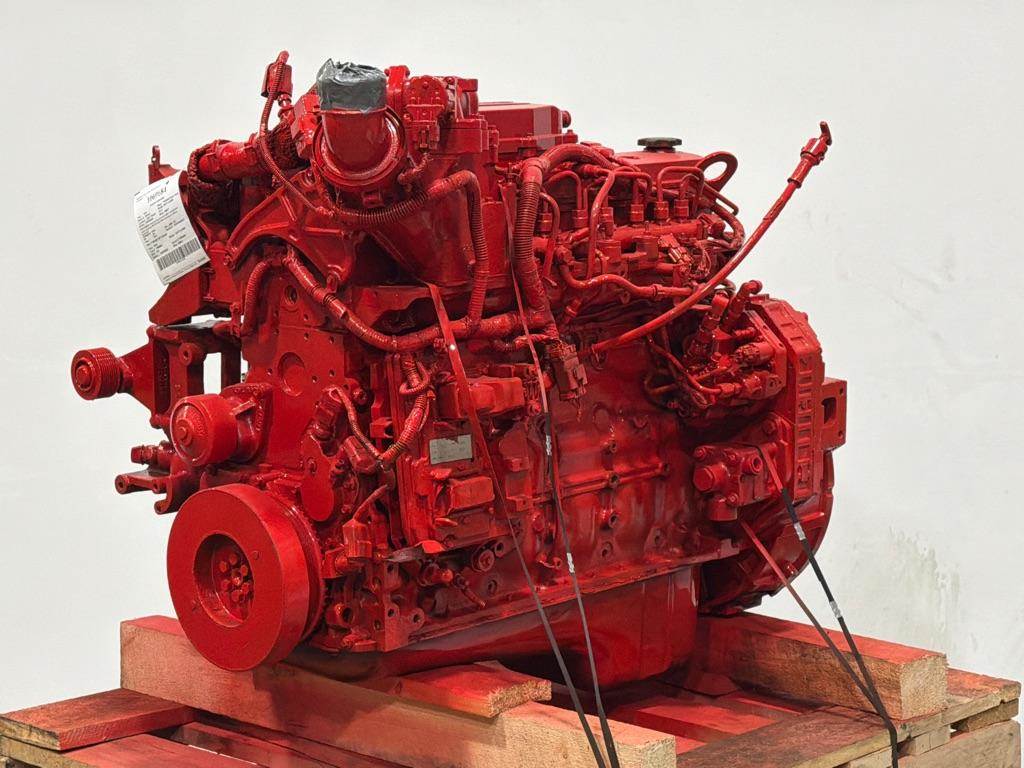
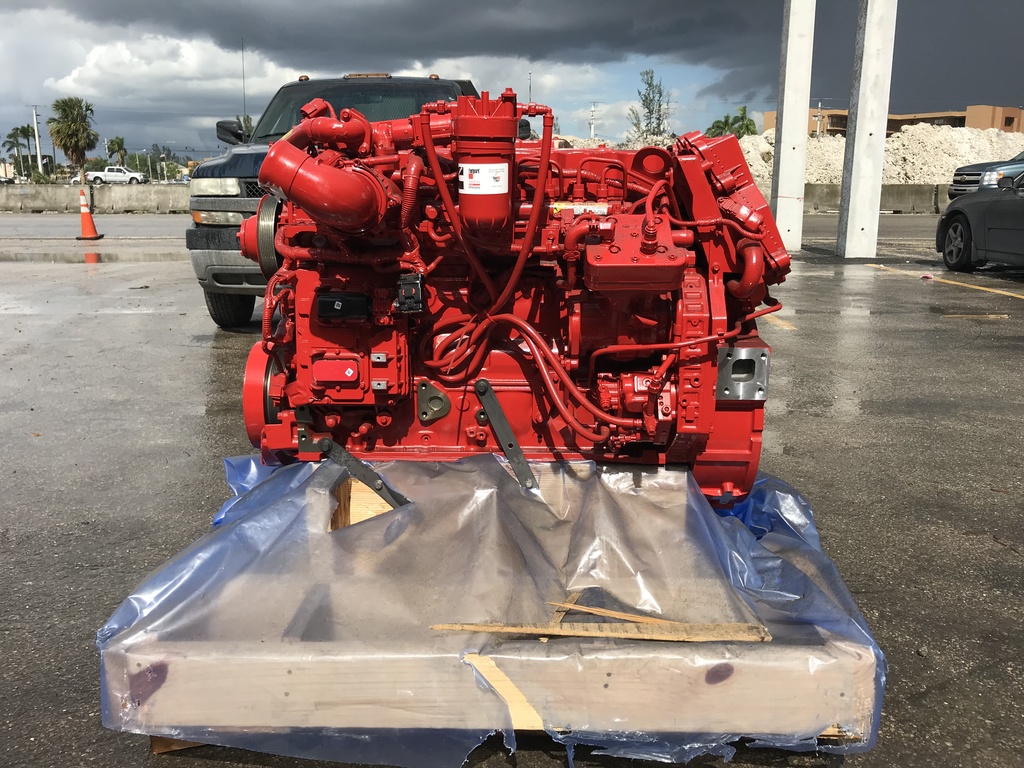
The 2015 6.7L Cummins Turbo Diesel, featured in Ram 2500 and 3500 heavy-duty trucks, delivers up to 385 horsepower and 900 lb-ft of torque (in high-output automatic variants), utilizing an inline-six architecture, high-pressure common-rail fuel injection, and a variable geometry turbocharger to provide exceptional towing power and commercial-grade durability.
Introduction to the 2015 6.7L Cummins Engine
The 2015 model year marks a significant milestone in the evolution of heavy-duty diesel pickups. Dodge, operating under the Ram Trucks brand, continued its long-standing partnership with Cummins Inc. to offer the 6.7-liter inline-six turbo diesel engine. For enthusiasts, fleet managers, and heavy haulers, understanding the exact technical specifications of the 2015 6.7 Cummins is essential for evaluating towing capacities, maintenance requirements, and overall vehicle performance.
This engine is part of the legendary B-series engine family, celebrated for its robust cast-iron block, heavy-duty rotating assembly, and straightforward inline layout that minimizes vibration and simplifies routine maintenance. In 2015, Ram offered the 6.7L Cummins in multiple output configurations depending on whether the truck was equipped with a manual transmission, a standard automatic transmission, or the heavy-duty Aisin automatic transmission. This guide explores the intricate details of these configurations, mechanical architecture, performance metrics, and emission systems.
Core Technical Specifications and Architecture
At the heart of the 2015 6.7 Cummins lies a design rooted in heavy-duty commercial applications. Unlike V8 diesel configurations found in competing platforms, the inline-six layout allows for a longer stroke, fewer moving parts relative to displacement, and a massive thermal mass capable of handling high continuous loads without thermal degradation.
The engine features a bore of 4.07 inches (103 mm) and a stroke of 4.88 inches (124 mm), yielding a total displacement of 408 cubic inches (6.7 liters). The compression ratio is rated at 16.2:1, which optimizes cold-start capabilities while maintaining high thermal efficiency under heavy boost pressures. The cylinder block is manufactured from high-strength gray cast iron, paired with a cross-bolted main bearing cap design that minimizes crankshaft flex under peak cylinder pressures.
Fuel Delivery and Injection System
The 2015 6.7 Cummins utilizes a Bosch High-Pressure Common Rail (HPCR) fuel injection system. This system is capable of generating extremely high injection pressures—exceeding 29,000 psi—allowing for multiple injection events per combustion cycle. This multi-stage injection process (pilot, main, and post-injection) dramatically reduces combustion noise, lowers oxides of nitrogen (NOx) emissions, and optimizes fuel atomization for complete combustion. The high-pressure fuel pump is electronically controlled, ensuring precise metering under all load conditions.
Air Induction and Turbocharging
Air management is handled by a Holset Variable Geometry Turbocharger (VGT). The VGT utilizes electronically actuated internal vanes that adjust the exhaust flow cross-section dynamically. This design eliminates traditional turbo lag by providing optimal boost pressure at low engine speeds while preventing over-boosting at high RPMs. The system also acts as an integrated exhaust brake, utilizing backpressure to slow the vehicle down without wearing out the service brakes during heavy descents.
Transmission Pairings and Power Output Variations
One of the most critical aspects of the 2015 6.7 Cummins specs is how the power output varies based on the transmission option chosen by the buyer. Ram offered three distinct powertrain combinations for the 2015 model year, tailoring torque curves and horsepower ratings to specific driveline tolerances.
1. The G56 6-Speed Manual Transmission
Available exclusively in Ram 2500 and 3500 models with single rear wheels, the Mercedes-Benz-derived G56 manual transmission was rated for:
- Horsepower: 350 hp at 2,800 RPM
- Torque: 660 lb-ft at 1,500 RPM
While lower in peak torque compared to its automatic counterparts, the manual transmission appealed to operators desiring direct mechanical control and a traditional clutch-and-shifter experience.
2. The 68RFE 6-Speed Automatic Transmission
Standard on most Ram 2500 and standard-output Ram 3500 trucks, the Chrysler-built 68RFE automatic transmission was paired with an engine configuration tuned for:
- Horsepower: 370 hp at 2,800 RPM
- Torque: 800 lb-ft at 1,600 RPM
This transmission utilizes dual-range planetary gearsets and electronic clutch-to-clutch shifting, optimized for everyday towing, payload hauling, and highway cruising.
3. The Aisin AS69RC Heavy-Duty Automatic Transmission
Available exclusively on Ram 3500 Heavy Duty models, the Japanese-built Aisin 6-speed automatic transmission was paired with the high-output (HO) calibration of the 6.7 Cummins:
- Horsepower: 385 hp at 2,800 RPM
- Torque: 900 lb-ft at 1,400 RPM
The Aisin transmission features robust gear components, a massive torque converter, and dual heavy-duty oil coolers designed to withstand continuous commercial-duty towing up to the truck's maximum gross combined weight rating (GCWR).
Performance Summary Table
To easily compare the powertrain configurations available for the 2015 model year, refer to the specification breakdown below:
| Transmission Type | Application | Horsepower (hp @ RPM) | Torque (lb-ft @ RPM) | Max Towing Capacity (Approx.) |
|---|---|---|---|---|
| G56 6-Speed Manual | Ram 2500 / 3500 (SRW) | 350 @ 2,800 | 660 @ 1,500 | Up to 17,970 lbs |
| 68RFE 6-Speed Auto | Ram 2500 / 3500 | 370 @ 2,800 | 800 @ 1,600 | Up to 17,980 lbs (2500 Coil) / 30,000 lbs (3500) |
| Aisin AS69RC Auto | Ram 3500 High Output | 385 @ 2,800 | 900 @ 1,400 | Up to 30,000+ lbs |
Emissions and Exhaust Aftertreatment Systems
To comply with stringent federal and regional environmental standards, the 2015 6.7 Cummins is equipped with a comprehensive suite of emissions control hardware. Understanding these systems is vital for proper vehicle maintenance and longevity.
Exhaust Gas Recirculation (EGR)
The cooled EGR system routes a controlled portion of exhaust gas back into the intake manifold. This lowers combustion chamber temperatures, which effectively inhibits the formation of nitrogen oxide (NOx) gases before the exhaust exits the engine.
Diesel Oxidation Catalyst (DOC) and Diesel Particulate Filter (DPF)
Exhaust gases pass through the DOC, which uses chemical reactions to reduce carbon monoxide and unburned hydrocarbons. Following the DOC, the DPF traps microscopic soot particles. The engine management system automatically initiates active regeneration cycles by injecting small amounts of fuel into the exhaust stream during the exhaust stroke, raising exhaust temperatures to incinerate accumulated soot into harmless ash.
Selective Catalytic Reduction (SCR)
The 2015 6.7 Cummins relies on a urea-based fluid known as Diesel Exhaust Fluid (DEF). DEF is injected into the exhaust stream upstream of the SCR catalyst. Inside the catalyst, a chemical reaction converts remaining NOx molecules into harmless nitrogen gas and water vapor. Drivers must monitor the DEF fluid level via the dashboard gauge and replenish the reservoir periodically to prevent engine derate conditions.
Chassis Integration and Suspension Dynamics
The performance capabilities of the 2015 6.7 Cummins are maximized by its integration into the Ram heavy-duty chassis. For the 2014 and newer generations, Ram introduced a segment-exclusive multi-link rear coil suspension on Ram 2500 models, replacing traditional leaf springs. This setup provides a superior unladen ride quality while maintaining high articulation and load stability.
Meanwhile, Ram 3500 models retained the traditional heavy-duty rear leaf spring suspension to support maximum payload and fifth-wheel/gooseneck towing capacities exceeding 30,000 pounds when properly equipped with dual rear wheels (DRW) and the high-output Aisin transmission. Furthermore, an optional air suspension system with auto-leveling capabilities provides consistent ride height regardless of tongue weight or payload distribution.
Frequently Asked Questions
What is the oil capacity of a 2015 6.7 Cummins engine?
The 2015 6.7L Cummins engine requires exactly 12 US quarts (11.4 liters) of engine oil, including the oil filter. It is critical to use oil that meets Chrysler material standard MS-10902 (typically 15W-40 or 5W-40 synthetic diesel engine oil) depending on ambient operating temperatures.
How much weight can a 2015 Ram 2500 with the 6.7 Cummins tow?
Maximum towing capacity for a 2015 Ram 2500 equipped with the 6.7L Cummins ranges between 17,000 and 17,980 pounds, depending on cab style, drivetrain configuration (4x2 vs. 4x4), and axle gear ratios (such as 3.42 or 3.73).
What axle gear ratios were available in 2015?
Ram offered three primary axle ratio options for the 2015 heavy-duty line: 3.42 (optimized for fuel economy and high highway cruising speeds), 3.73 (balanced for general towing and daily driving), and 4.10 (available primarily on Ram 3500 chassis cabs or heavy-duty configurations requiring maximum low-end pulling power).
How often should the fuel filters be changed?
It is recommended to replace both fuel filters (the primary water separator located near the fuel tank and the secondary filter located under the hood near the engine block) every 15,000 miles, or more frequently if operating in dusty environments or using contaminated diesel fuel.
Does the 2015 6.7 Cummins require DEF?
Yes. The 2015 model year utilizes a Selective Catalytic Reduction (SCR) system that requires regular additions of Diesel Exhaust Fluid (DEF) to meet EPA emissions standards. The DEF tank fill neck is located conveniently next to the diesel fuel filler cap.
Conclusion and Recommendations
The 2015 6.7L Cummins represents a well-balanced generation of heavy-duty diesel engineering, offering robust torque figures, proven reliability, and sophisticated emissions management. Whether purchasing a used model for heavy agricultural towing, commercial enterprise use, or recreational fifth-wheel hauling, verifying the maintenance history, transmission type, and emission system health ensures long-term operational success. For maximum towing capability, target models equipped with the High-Output Aisin transmission; for daily driving comfort combined with towing utility, the standard 68RFE automatic remains a versatile and capable platform.