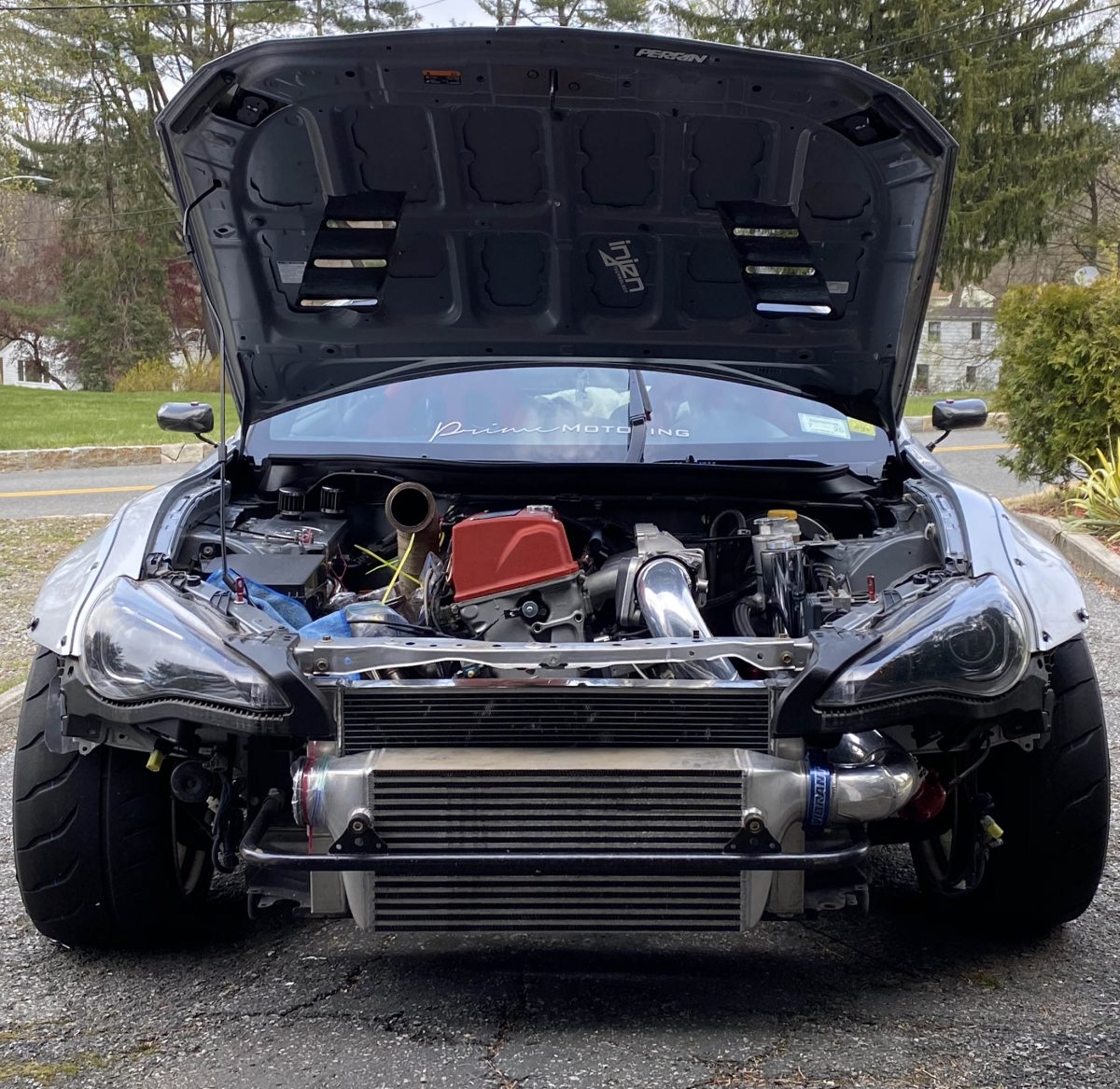
The 2014 Subaru BRZ is powered by the FA20 engine, a 2.0-liter naturally aspirated horizontally opposed four-cylinder boxer engine developed as a joint venture between Subaru and Toyota. This powerplant features Toyota's D-4S direct and port fuel injection technology, dual active valve control system, an oversquare bore and stroke configuration, and a high compression ratio of 12.5:1 to deliver enthusiastic performance without forced induction.
Understanding the 2014 Subaru BRZ engine requires looking past basic displacement figures to examine a unique mechanical architecture. Co-developed by Subaru and Toyota—the latter of which markets the twin vehicle as the Scion FR-S or Toyota 86 depending on the market—this sports car relies on a distinct powertrain designed from the ground up to achieve a low center of gravity and precise handling dynamics. Rather than modifying an existing sedan platform, engineers paired a traditional Subaru boxer layout with cutting-edge fuel injection technology to create a high-revving, rear-wheel-drive sports coupe engine.
Origins and Architecture of the FA20 Boxer Engine
The core of the 2014 Subaru BRZ is the Subaru-designed FA20 engine block, which breaks away from traditional EJ-series architectures by adopting an oversquare cylinder geometry. The bore measures 86.0 mm and the stroke measures 86.0 mm, creating a square 1:1 ratio that promotes high-rpm efficiency and smooth power delivery up to the 7,400 RPM redline.
Unlike standard Subaru layout applications found in the WRX or Outback, the naturally aspirated BRZ engine does not utilize a turbocharger. Instead, it relies on high geometric compression and advanced breathing dynamics to generate 200 horsepower at 7,000 RPM and 151 lb-ft of torque at 6,400 RPM. Because the pistons move horizontally away from and toward each other, primary and secondary engine vibrations naturally cancel each other out. This inherent balance reduces mechanical harshness and allows the engine to sit remarkably low and far back in the engine bay, optimizing front-to-rear weight distribution for the chassis.
| Engine Specification | Detail |
|---|---|
| Engine Code | Subaru FA20 (Toyota 4U-GSE) |
| Configuration | Horizontally Opposed 4-Cylinder (Boxer) |
| Displacement | 1,998 cc (2.0 Liters) |
| Bore x Stroke | 86.0 mm × 86.0 mm |
| Compression Ratio | 12.5:1 |
| Horsepower | 200 hp @ 7,000 RPM |
| Torque | 151 lb-ft @ 6,400 RPM |
| Fuel Injection Type | Toyota D-4S (Direct + Port Injection) |
Toyota D-4S Injection Technology
One of the most notable engineering features of the 2014 Subaru BRZ engine is the integration of Toyota's D-4S (Direct 4-stroke Injection Superior version) fuel system. While Subaru provided the mechanical boxer architecture, Toyota contributed its sophisticated dual-injection expertise, blending port fuel injectors with direct high-pressure cylinder injectors.
This dual setup offers distinct operational advantages across the rev range:
- Port Injection: Active during low-to-medium loads, cold starts, and idle conditions. This sprays fuel onto the intake valves, preventing carbon buildup—a common issue on early direct-injection-only engines—and ensuring smooth idling.
- Direct Injection: Takes over during high-load and high-rpm driving conditions. By injecting fuel directly into the combustion chamber, the incoming fuel flash-cools the air charge, allowing the engine to safely run a high 12.5:1 compression ratio without destructive engine knock.
- Combined Operation: Under intermediate driving conditions, the engine computer dynamically blends both injection methods to maximize thermal efficiency, throttle response, and fuel economy.
Valve Train and Dual AVCS
Airflow management in the 2014 Subaru BRZ engine is governed by dual overhead camshafts (DOHC) per cylinder bank, operating four valves per cylinder. The valvetrain utilizes Subaru’s Dual Active Valve Control System (Dual AVCS), which hydraulically adjusts the timing of both the intake and exhaust camshafts independently.
This continuous variable valve timing optimizes volumetric efficiency across all operating ranges. At lower engine speeds, valve overlap is minimized to stabilize idle and reduce emissions. As the driver demands more acceleration, the computer alters cam phasing to maximize scavenging effects, drawing more air-fuel mixture into the cylinders and helping the engine maintain strong torque delivery despite its naturally aspirated design. Roller rocker arms with internal needle bearings are also utilized to minimize frictional losses in the valvetrain, reducing parasitic drag and allowing quicker response to throttle inputs.
Lubrication and Cooling Considerations
Maintaining proper oil temperature and pressure is a vital aspect of operating the 2014 Subaru BRZ engine. The lubrication system relies on a wet sump design featuring a shallow oil pan made necessary by the low-slung mounting position of the engine.
Because the engine is designed for track use and spirited driving, enthusiasts often monitor oil temperatures closely. The factory setup includes a liquid-to-coolant oil heat exchanger mounted directly above the oil filter, which uses engine coolant to bring the oil up to operating temperature quickly and moderate peak track temperatures. However, sustained high-rpm track driving can push oil temperatures higher, prompting many owners to install aftermarket air-to-oil external coolers to maintain optimal film strength and viscosity.
Common Issues, Maintenance, and Diagnostics
While the FA20 engine is generally robust when maintained properly, it has a few known operational quirks and service requirements that owners must navigate:
The 2013-2014 Valve Spring Recall
Early production models, including select 2014 vehicles, were subject to a major safety recall concerning defective valve springs. Under certain high-stress conditions, the original valve springs could fracture, leading to engine misfires or catastrophic internal failure. Authorized Subaru dealerships replaced these springs under warranty using a specialized jig. When evaluating a used 2014 model, buyers should verify via the VIN that this specific recall service has been properly completed.
Direct Injection Pump Tick and Noise
A prominent mechanical ticking noise from the engine bay is a frequent point of discussion among BRZ owners. This sound originates from the high-pressure mechanical direct-injection fuel pump driven off the right-hand camshaft. It is entirely normal operation and should not be confused with valve train tick or rod knock, though proper diagnostic evaluation via a mechanic's stethoscope is recommended if the pitch or volume changes suddenly.
Spark Plug Replacement Complexity
Due to the tight clearance between the boxer cylinder heads and the frame rails of the BRZ chassis, changing spark plugs requires patience and specific techniques. Technicians typically must unbolt and slightly raise or lower the engine on its mounts to gain adequate physical access to the ignition coil packs and spark plug bores on both sides of the block.
Performance Tuning Potential and Modifications
The 2014 Subaru BRZ engine is a popular platform for automotive enthusiasts, though extracting significantly more power requires careful planning. Because the engine runs a high 12.5:1 compression ratio from the factory, adding a turbocharger or supercharger requires supporting modifications, careful engine management tuning, and lower boost levels to prevent internal damage.
- N/A Modifications: Bolt-on upgrades such as equal-length or unequal-length exhaust headers, high-flow front pipes, cat-back exhaust systems, and custom ECU tunes (often referred to as stage 1 or stage 2 tunes) help smooth out the notorious mid-range torque dip inherent to the factory ECU mapping.
- Forced Induction: Supercharger and turbocharger kits transform peak output figures substantially, but require upgraded fuel systems, clutch kits (for manual transmissions), and robust engine monitoring to ensure long-term reliability.
Frequently Asked Questions
Is the 2014 Subaru BRZ engine turbocharged?
No, the 2014 Subaru BRZ engine is naturally aspirated. It relies on a high 12.5:1 compression ratio and direct injection to produce 200 horsepower without a turbocharger or supercharger.
What causes the torque dip in the 2014 Subaru BRZ?
The mid-range torque dip—a noticeable flattening of acceleration between 3,000 and 4,500 RPM—is primarily caused by the transition point where the engine shifts between port and direct injection alongside factory exhaust scavenging characteristics. Aftermarket headers and engine tuning are commonly used to mitigate this dip.
What type of fuel does the 2014 Subaru BRZ require?
The BRZ engine requires premium unleaded gasoline with an octane rating of 91 AKI (95 RON) or higher. Running lower-octane fuel can trigger knock sensors, reduce power output, and potentially cause internal engine damage under heavy loads.
How much oil does the FA20 engine take during an oil change?
The 2014 Subaru BRZ engine capacity is approximately 5.4 quarts (5.1 liters) when replacing the oil and filter. Owners should always verify the level using the dipstick on level ground after warming up the vehicle.
Are there any major recalls for the 2014 Subaru BRZ engine?
Yes, certain 2014 models were included in a manufacturer recall to replace faulty valve springs that were prone to fracturing. Prospective buyers or current owners should cross-reference their Vehicle Identification Number (VIN) with official databases to confirm compliance.
Conclusion
The 2014 Subaru BRZ engine represents a unique engineering collaboration that prioritizes balance, throttle response, and mechanical purity over brute force. By combining a low-profile boxer layout with Toyota’s advanced D-4S injection system, it delivers a distinct driving character suited for both daily commuting and track environments. Proper maintenance, adherence to high-octane fuel requirements, and verification of historical recalls remain essential for ensuring long-term reliability and peak performance.