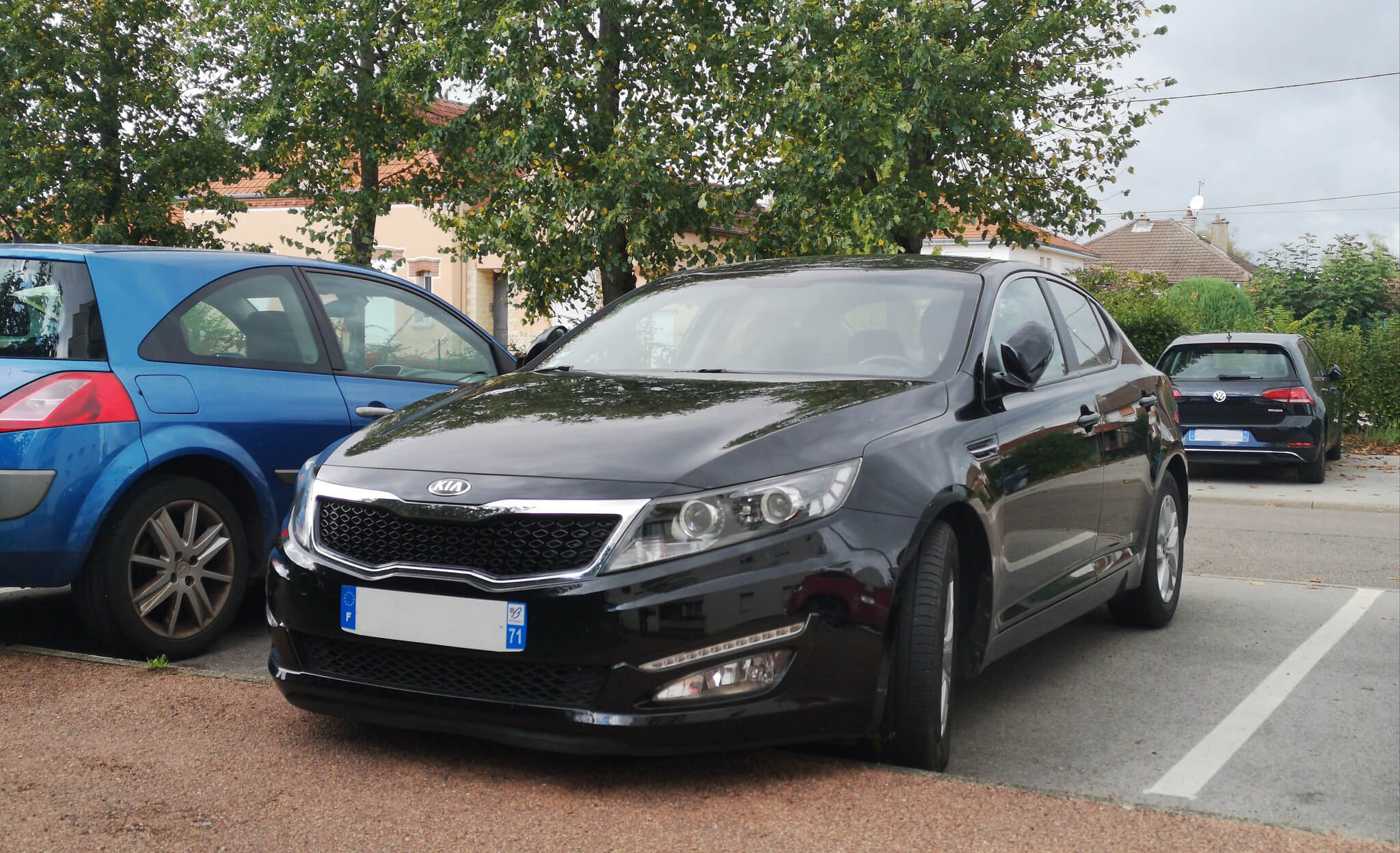
As of 2026, many 2013 Kia vehicles remain on the road, but they are subject to several critical safety recalls involving engine fire risks, brake failures, and steering issues. Owners should immediately verify their VIN on the NHTSA website to confirm if the Theta II engine updates, HECU replacements, or fuel line repairs have been completed. All safety recall repairs are legally required to be performed free of charge by authorized Kia dealerships.
Understanding the Scope of 2013 Kia Recalls
The 2013 model year was a pivotal period for Kia, marked by significant design improvements but also overshadowed by some of the most substantial safety recalls in the company's history. For drivers still operating these vehicles in 2026, understanding these recalls is not merely a matter of maintenance—it is a critical safety requirement. Many of these recalls address "non-crash" fire risks, which means the vehicle could catch fire while driving or even while parked and turned off.
The recalls primarily affected the 2013 Kia Optima, Sorento, Sportage, Soul, and Rio. While the severity varies by model, the most pressing issues involve the powertrain and the electrical system. Because these vehicles are now over a decade old, the risk of component fatigue combined with existing recall defects makes it essential for current owners, particularly those who purchased their Kia second-hand, to ensure all technical service bulletins (TSBs) and recall campaigns have been satisfied.
The Theta II Engine Fire Crisis
The most notorious issue affecting 2013 Kia models centers on the Theta II Gasoline Direct Injection (GDI) engines, specifically the 2.0L and 2.4L variants found in the Optima and Sorento. These engines were subject to massive recalls due to manufacturing debris—specifically metallic shavings—left in the engine crankshaft oil passages during production at Kia’s Georgia manufacturing plant.
The Mechanism of Failure
When these metal shavings remain in the oil passages, they can restrict oil flow to the connecting rod bearings. Over time, the lack of lubrication causes the bearings to wear prematurely and eventually fail. This failure often manifests as a loud knocking noise from the engine, followed by engine stalling. In the most severe cases, a broken connecting rod can puncture the engine block, allowing oil to escape onto hot exhaust components, resulting in a sudden engine compartment fire.
The Lifetime Warranty Extension
In response to multiple class-action lawsuits and federal investigations, Kia issued a lifetime warranty extension for the short block assembly of the Theta II GDI engine for certain 2013 models. To qualify for this protection in 2026, owners must have previously completed the Knock Sensor Detection System (KSDS) software update. This software uses the knock sensor to detect specific vibrations that indicate a bearing is about to fail, putting the car into "Limp Home Mode" to prevent catastrophic engine destruction.
Hydraulic Electronic Control Unit (HECU) and ABS Risks
Another significant recall impacting the 2013 Kia lineup involves the Hydraulic Electronic Control Unit (HECU), which is part of the Anti-lock Braking System (ABS). This recall is particularly dangerous because the defect can cause an internal electrical short within the HECU.
Risk While Parked
Unlike mechanical defects that require the engine to be running, the HECU short-circuit can occur even when the vehicle is turned off. Moisture or contaminants can enter the electrical circuit of the module, leading to an overcurrent condition. This has led to numerous reports of engine bay fires in vehicles that were stationary in garages or driveways.
For the 2013 Kia Sportage and Optima, the remedy usually involves replacing the HECU fuse with one of a lower amperage to prevent a fire-starting surge, or in some cases, replacing the entire module. If you are a 2013 Kia owner in 2026 and your vehicle still has its original ABS fuses, you are at an elevated risk of a thermal event.
Brake Light Switch Malfunctions
A widespread but less "combustible" recall for the 2013 model year involved the stop lamp switch. This relatively small component is responsible for communicating to the vehicle's computer that the brake pedal has been depressed.
When this switch fails, it causes a cascade of secondary issues:
- Brake Lights: The exterior brake lights may fail to illuminate, increasing the risk of a rear-end collision.
- Shift Interlock: The driver may find it impossible to shift the vehicle out of "Park."
- Cruise Control: The cruise control system may fail to deactivate when the brake pedal is pressed.
- Push-Button Start: On models equipped with smart keys, the car may fail to start because it does not recognize the brake is being held down.
Kia dealerships address this by replacing the switch with an improved version. Given the age of 2013 vehicles, if you experience difficulty shifting out of Park in 2026, this recall should be the first item checked.
High-Pressure Fuel Pipe Leaks
Specific to the 2.0L and 2.4L GDI engines, a recall was issued regarding the high-pressure fuel pipe that connects the high-pressure fuel pump to the fuel rail. During engine repairs—often those related to the engine recalls mentioned earlier—this pipe may have been misaligned or damaged.
Over time, engine heat and vibration can cause the pipe to crack, leading to a high-pressure fuel leak. In the presence of an ignition source, this leak is a major fire hazard. The 2026 status for this recall is "active," meaning if your engine was ever replaced or serviced under the Theta II settlement, the fuel pipe must be inspected and potentially replaced to ensure it is properly torqued and sealed.
Summary of Major 2013 Kia Recalls by Model
The following table summarizes the most critical recalls affecting the 2013 Kia fleet. Please note that this is not an exhaustive list of every minor TSB, but a highlights reel of major safety actions.
| Model | Primary Component | Hazard Type | Potential Symptoms |
|---|---|---|---|
| Optima | Theta II Engine | Fire / Stall | Knocking noise, oil light, engine seizure |
| Sorento | Axle Shaft | Loss of Drive | "Clunking" noise, inability to accelerate |
| Sportage | HECU (ABS) | Fire | Smoke from engine bay, even when off |
| Soul | Steering Gear | Loss of Control | Difficulty steering, "clunk" in steering wheel |
| Rio | Fuel Filler Pipe | Fire | Smell of gasoline near the rear of the car |
| Forte | Brake Pedal Stopper | Brake Light Failure | Brake lights stay on permanently, draining battery |
Steering Column and Axle Issues
While fire risks dominate the headlines, the 2013 Kia Sorento and Soul also faced mechanical recalls.
Sorento Axle Shaft Failure
Certain 2013 Sorentos equipped with the 2.4L engine were recalled because the right-front axle shaft could fracture. This is due to a manufacturing misalignment. If the axle fractures while driving, the vehicle will lose power to the wheels. More dangerously, if the parking brake is not engaged when the car is parked, a fractured axle could allow the vehicle to roll away, even if the transmission is in "Park."
Soul Steering Gear
The 2013 Kia Soul was involved in a recall concerning the adhesive used to secure the steering gear plug. If the plug loosens, the steering gear can separate, causing a complete loss of steering control. In 2026, this is a critical check for any Soul owner, as the age of the adhesive can play a role in the component's degradation.
How to Verify Recall Status in 2026
If you own or are looking to purchase a 2013 Kia in 2026, verifying the recall status is a straightforward process. You do not need to rely on the previous owner's word or service records alone.
- Locate your VIN: The 17-character Vehicle Identification Number is found on the driver’s side dashboard (visible through the windshield) or on the driver’s side door jamb sticker.
- Visit NHTSA.gov: The National Highway Traffic Safety Administration maintains a free search tool. Enter your VIN to see open recalls that have not yet been repaired.
- Check the Kia Owners Portal: Kia offers a similar tool on their official website which may also provide information on "Service Campaigns" that aren't technically recalls but are still free repairs.
- Contact a Local Dealer: Any authorized Kia dealer can run your VIN through their internal system (K-Dealer) to see the full service history and any "Open" campaigns.
The Importance of the Knock Sensor Detection System (KSDS)
For many 2013 Kia owners, the KSDS update is the most important "repair" they will ever receive. It is important to understand that the KSDS update does not fix the mechanical flaw in the engine. Instead, it acts as a diagnostic safeguard.
In 2026, if you are seeking a free engine replacement under the lifetime warranty extension, the first thing the dealer will check is whether the KSDS software was installed prior to the engine failure. If a vehicle owner ignored the KSDS recall notices and the engine subsequently fails due to bearing wear, Kia may legally deny the warranty claim. This makes the software update a prerequisite for long-term financial and mechanical protection.
Frequently Asked Questions
Do 2013 Kia recalls expire?
No. Safety recalls mandated by the NHTSA do not have an expiration date. As long as the vehicle is registered and the manufacturer is still in business, they are required to perform the repair for free, regardless of how many years have passed or how many miles are on the odometer.
I bought my 2013 Kia used; am I still eligible for free repairs?
Yes. Recalls follow the vehicle (the VIN), not the owner. Whether you are the second or the fifth owner, the Kia dealership must perform all open recall repairs at no cost to you.
What should I do if a dealer tries to charge me for a recall repair?
Recall repairs for safety issues are free by law. If a dealer attempts to charge you for the specific parts or labor associated with a recall, you should report them to Kia Motors America and the NHTSA. However, keep in mind that if the dealer finds other unrelated issues during the inspection, they may charge for those repairs.
Can I get a loaner car while my 2013 Kia is being repaired?
For major recalls, particularly the engine replacements, Kia often provides a loaner vehicle or rental reimbursement. This is often part of the legal settlements surrounding the Theta II engines. Always ask your service advisor about "alternative transportation" options when booking your appointment.
Is it safe to drive my 2013 Kia if it has an open fire-related recall?
The official recommendation for many Kia fire recalls is to park the vehicle outside and away from structures until the repair is completed. Driving a vehicle with a known high-pressure fuel leak or HECU short-circuit poses a significant risk to the occupants and others on the road.
Next Steps for Owners
If you are operating a 2013 Kia in 2026, your immediate priority should be verification and documentation. Even if your car seems to be running perfectly, internal electrical shorts and bearing fatigue are invisible until they become catastrophic.
Start by running your VIN through the NHTSA database today. If any recalls are marked as "Incomplete," call your nearest Kia dealership and schedule an appointment. Specifically, ask if the "KSDS update" and the "HECU fuse update" have been performed. Ensuring these repairs are completed not only protects your safety but also preserves your eligibility for lifetime engine warranties and maintains the resale value of your vehicle in the aging 2013 car market.