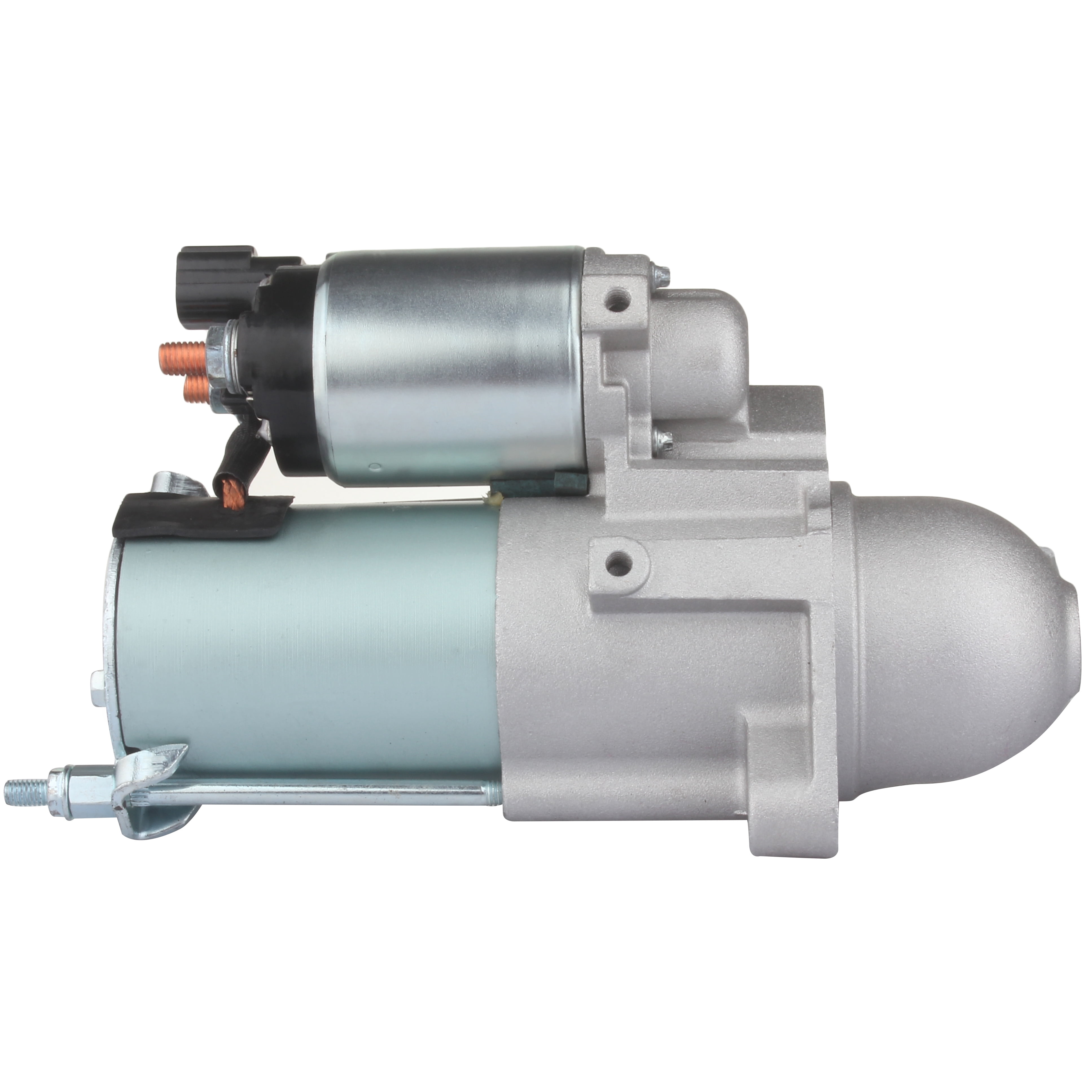
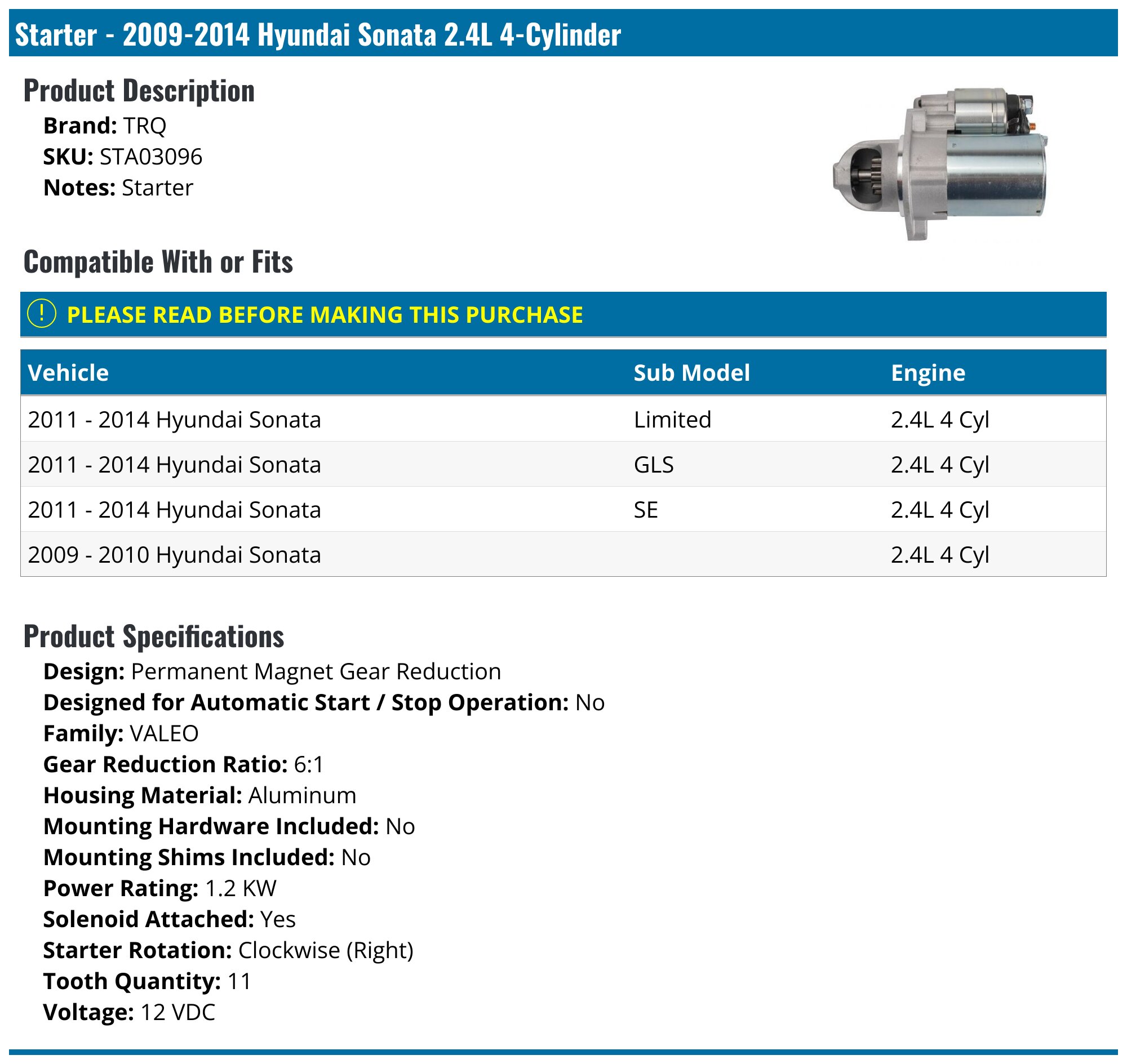
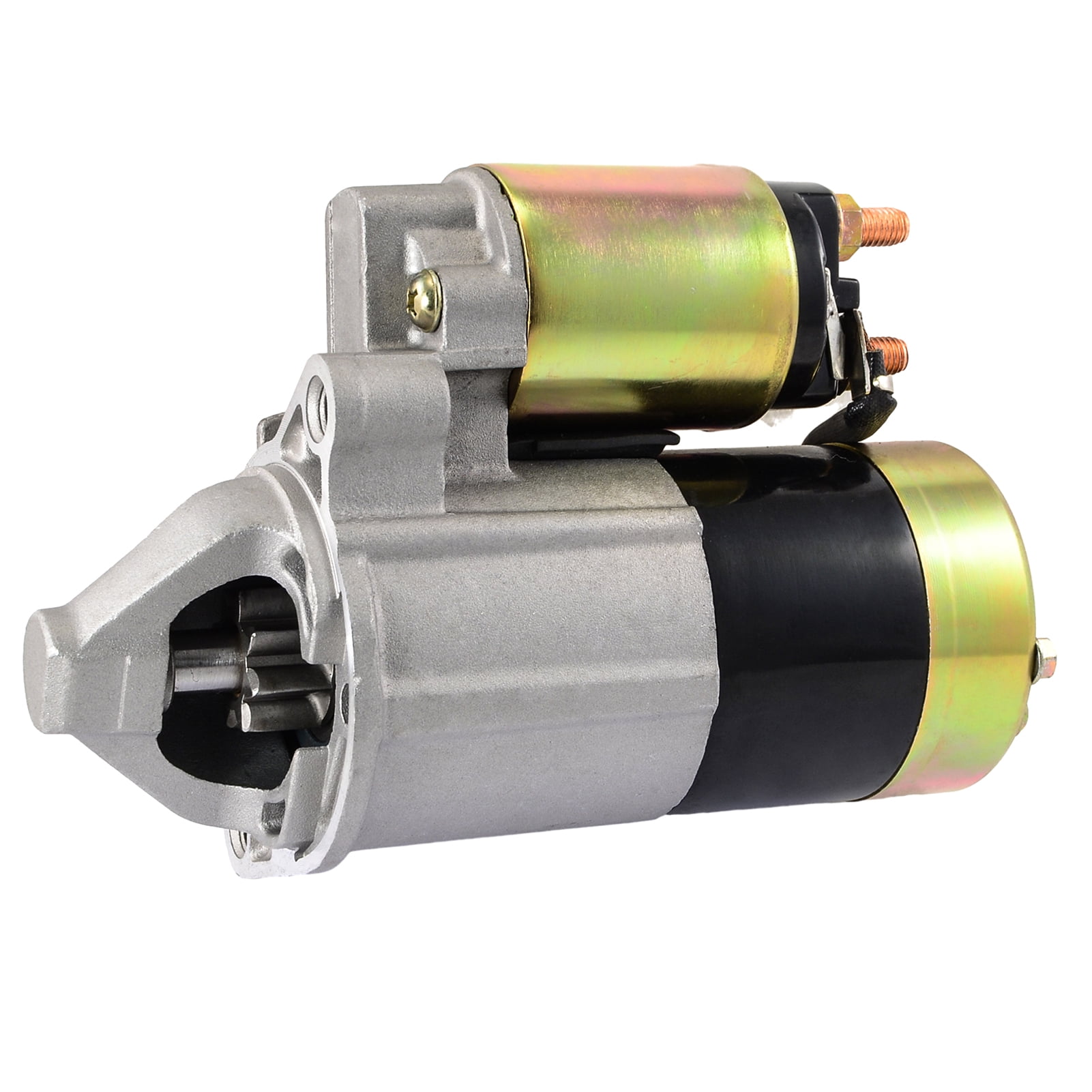
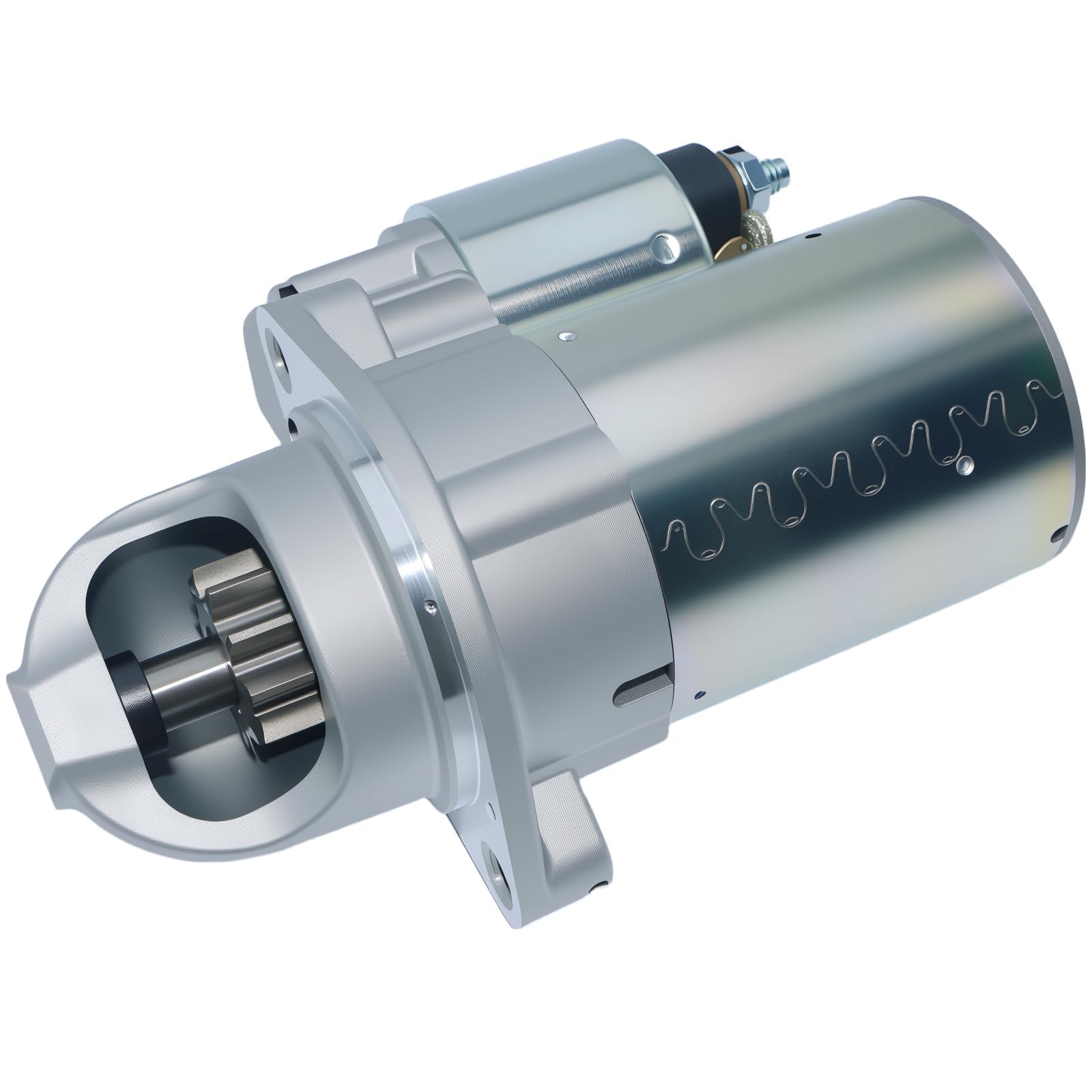
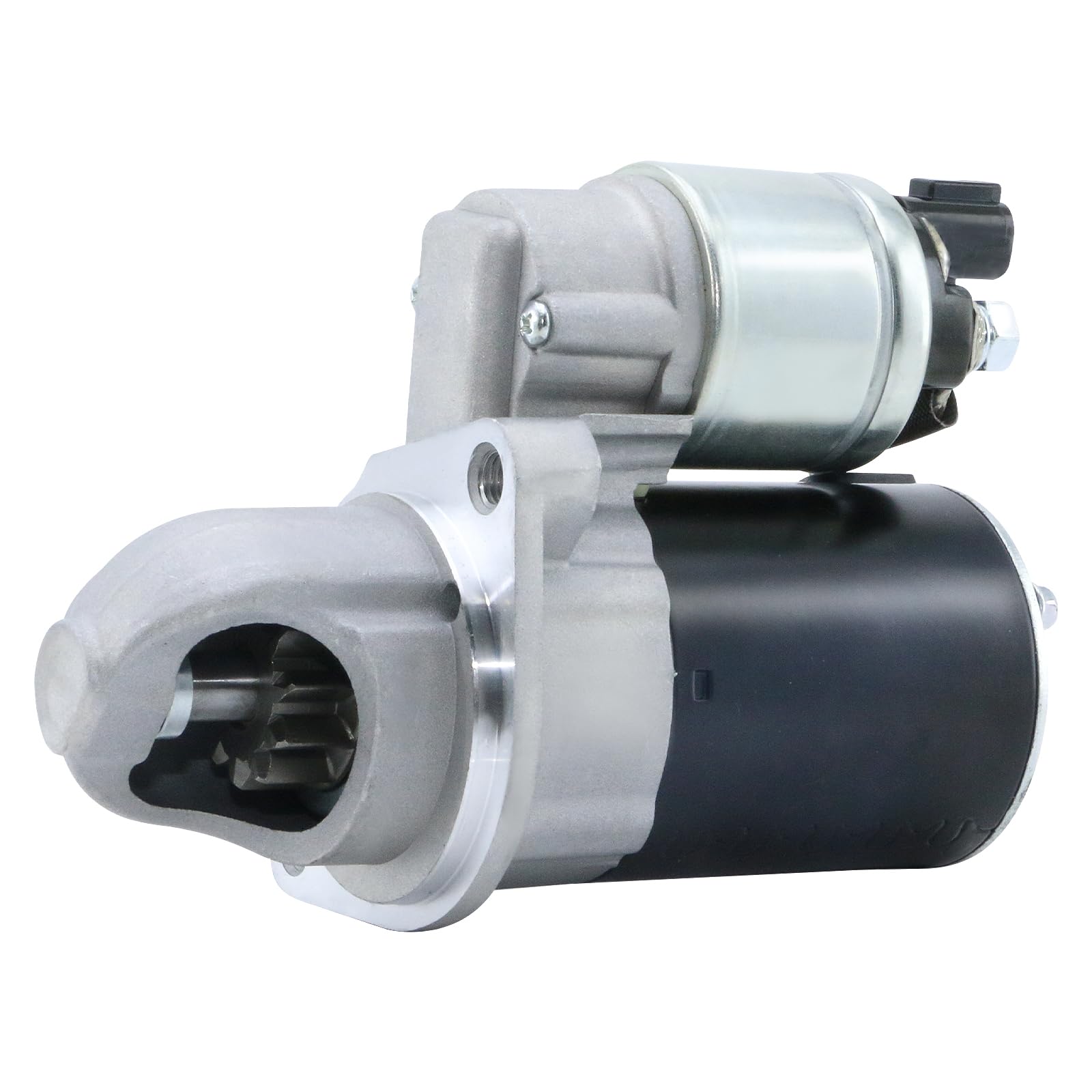
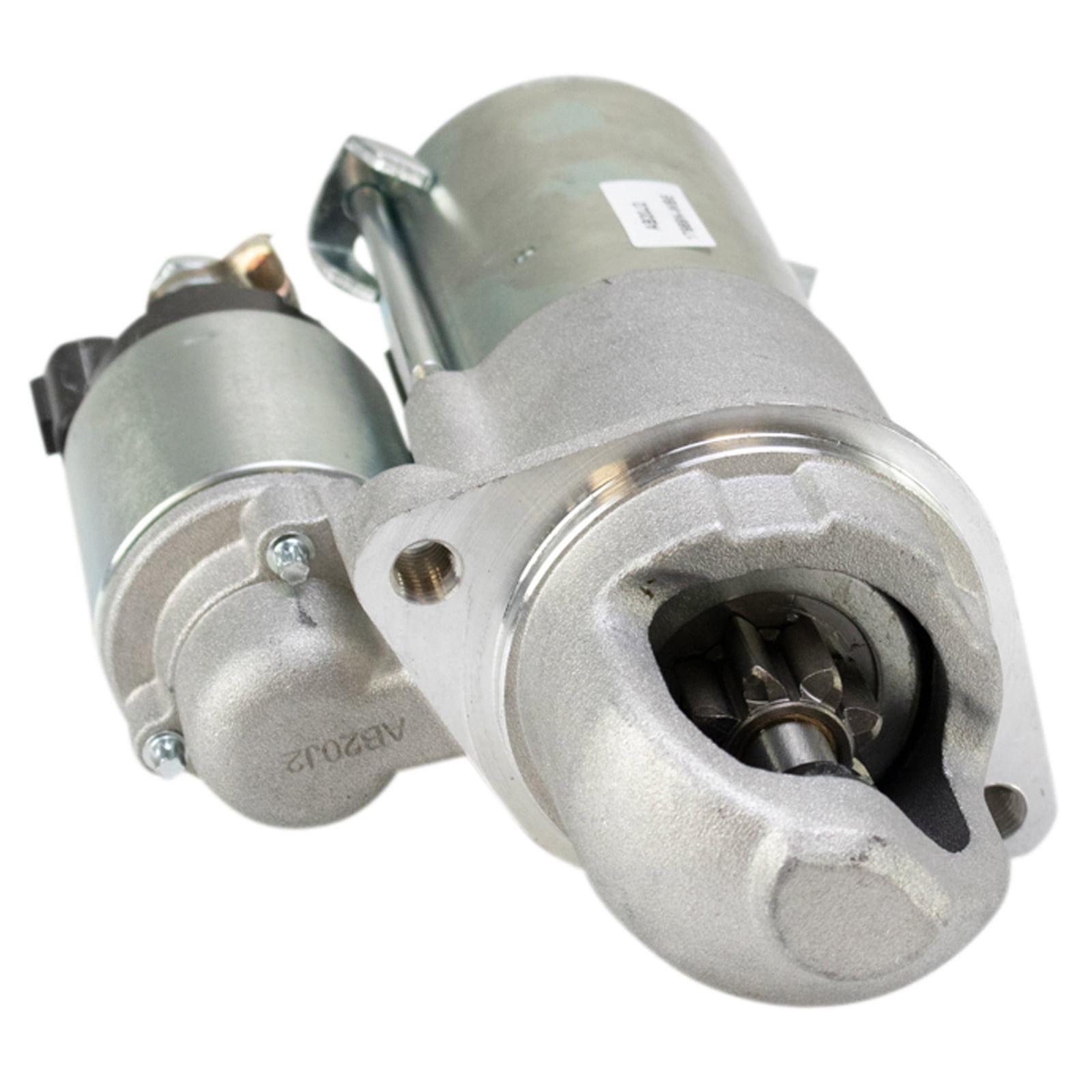
Replacing the starter on a 2012 Hyundai Sonata involves disconnecting the battery, removing the air intake ducting to gain access, and unbolting the starter motor located on the front of the engine block. This moderate-level DIY task typically takes two to three hours and requires standard metric sockets, including 10mm, 12mm, and 14mm sizes.
The 2012 Hyundai Sonata remains a staple of the mid-size sedan market. However, as these vehicles cross the 14-year mark in 2026, mechanical components like the starter motor are reaching the end of their natural service life. The starter is a high-amperage electrical motor responsible for turning the engine's crankshaft to initiate the combustion cycle. When it fails, the vehicle becomes unreliable or completely immobile. This guide provides a technical deep dive into diagnosing, removing, and installing a new starter for both the 2.4L naturally aspirated and 2.0L turbocharged engine variants.
Symptoms of a Failing Starter in a 2012 Sonata
Before committing to a replacement, it is vital to confirm that the starter is indeed the culprit. Because the 2012 Sonata uses a sophisticated electrical system, symptoms of a bad starter can sometimes mimic battery or alternator issues.
The Single Click vs. Rapid Clicking
If you turn the key or push the "Start" button and hear a single, sharp metallic click, the starter solenoid is likely engaging, but the motor internal to the starter is failing to spin. Conversely, rapid-fire clicking usually indicates a low-voltage situation, meaning the battery is discharged or the terminals are corroded, rather than a mechanical failure of the starter itself.
Intermittent Starting Issues
In many 2012 Sonatas, the starter fails gradually. You might find that the car starts perfectly in the morning but refuses to turn over after a short trip when the engine is hot. This "heat soak" phenomenon occurs when the internal windings of the starter motor expand due to engine heat, increasing electrical resistance to the point where the motor can no longer function.
Grinding Noises
A harsh grinding sound during startup often points to worn teeth on the starter drive gear or the engine's flywheel (or flexplate). If the starter gear does not retract properly after the engine fires, you may hear a high-pitched whining or "whirring" sound immediately after the engine starts.
Tools and Parts Requirements
To perform a 2012 Hyundai Sonata starter replacement successfully, you must gather the correct tools. Working in the cramped engine bay of a transverse-mounted engine requires specific extensions to reach the mounting bolts.
Necessary Tools
- Socket Set (Metric): Specifically 10mm (for battery and brackets), 12mm (for the "B" terminal nut), and 14mm (for the main starter mounting bolts).
- Ratchet Extensions: A 3-inch and a 6-inch extension are necessary to navigate around the intake manifold and cooling fans.
- Wrenches: A 14mm combination wrench can be helpful for the lower mounting bolt where space is tight.
- Digital Multimeter: Used to verify that 12 volts are reaching the starter before removal.
- Wire Brush: To clean the battery terminals and the starter cable eyelets.
- Torque Wrench: To ensure the mounting bolts are tightened to factory specifications (approx. 30-35 lb-ft).
Component Selection: OEM vs. Aftermarket
In 2026, owners have several options for replacement parts. Original Equipment Manufacturer (OEM) starters from Hyundai offer the highest reliability but come at a premium price. High-quality remanufactured units from reputable brands are a cost-effective alternative, provided they include a new solenoid. Avoid "no-name" budget starters, as the labor involved in replacing a failed unit often outweighs the initial savings.
Step-by-Step Starter Replacement Procedure
The starter on the 2012 Sonata is located on the front of the engine, tucked beneath the intake manifold. While it is accessible from the top of the engine bay, some technicians prefer to loosen the lower bolts from underneath the vehicle.
1. Safety and Electrical Preparation
Warning: Failure to disconnect the battery can result in a massive electrical short, as the main starter cable is "always hot" (directly connected to the battery).
- Ensure the vehicle is parked on a level surface with the parking brake engaged.
- Open the hood and locate the battery.
- Use a 10mm socket to loosen the nut on the negative (black) battery terminal.
- Remove the cable and tuck it aside so it cannot accidentally touch the battery post.
2. Removing the Air Intake Assembly
To see and reach the starter, you must clear the path by removing the air cleaner housing and ducting.
- Locate the plastic clips securing the air intake scoop at the front of the engine bay.
- Loosen the hose clamps on the air intake tube using a Phillips head screwdriver or a 10mm socket.
- Disconnect the electrical connector for the Mass Air Flow (MAF) sensor if equipped.
- Unclip the air filter box cover and remove the entire ducting assembly. This will reveal the starter motor located between the engine block and the radiator.
3. Disconnecting Starter Wiring
The starter has two primary electrical connections: the "S" terminal (signal) and the "B" terminal (battery).
- The "S" Terminal: This is a small plastic plug. Squeeze the release tab and pull it away from the starter. This wire tells the starter when you have turned the key.
- The "B" Terminal: This is a thick wire protected by a rubber boot. Slide the boot back to reveal a 12mm nut. Carefully unscrew the nut and remove the heavy-gauge wire from the threaded stud.
4. Removing the Mounting Bolts
The starter is held in place by two long 14mm bolts. These bolts pass through the transmission bellhousing and thread into the starter ear, or vice versa.
- Locate the upper 14mm bolt. Use your ratchet with an extension to break it loose.
- Locate the lower 14mm bolt. This one is often harder to see and may require feeling for the bolt head blindly.
- Support the starter with one hand while removing the final threads of the second bolt to prevent it from falling onto the radiator or cooling fans.
- Carefully maneuver the starter out of the engine bay. On the 2012 Sonata, you may need to tilt it vertically to clear the coolant hoses.
5. Installing the New Starter
- Compare the old starter with the replacement unit. Ensure the mounting holes and the gear tooth count match.
- Slide the new starter into position.
- Hand-thread both 14mm mounting bolts. Never use an impact wrench to start these bolts, as cross-threading into the aluminum housing will cause significant damage.
- Tighten the bolts to 30–35 lb-ft (40–47 Nm).
- Reattach the "B" terminal cable and tighten the 12mm nut securely, then replace the rubber protective boot.
- Plug the "S" terminal connector back in until it clicks.
6. Final Reassembly and Testing
- Reinstall the air intake ducting and tighten the hose clamps.
- Reconnect the MAF sensor.
- Reattach the negative battery terminal and tighten the 10mm nut.
- Attempt to start the vehicle. The engine should crank vigorously and fire immediately.
| Component | Specification/Detail |
|---|---|
| Tool Sizes | 10mm, 12mm, 14mm |
| Mounting Bolt Torque | 30-35 lb-ft (40-47 Nm) |
| Estimated DIY Time | 1.5 - 2.5 Hours |
| Typical Part Cost (2026) | $140 - $280 |
| Difficulty Level | Moderate (Level 3 of 5) |
Cost Analysis: DIY vs. Professional Shop
By 2026, labor rates for automotive repair have stabilized, but they remain a significant portion of any repair bill.
Professional Repair
Taking a 2012 Sonata to a dealership or an independent mechanic typically costs between $400 and $650. This includes the marked-up price of the part (often $250-$350) and 1.5 to 2 hours of labor at a rate of $120-$180 per hour. Most shops will provide a 12-month or 12,000-mile warranty on both parts and labor.
DIY Approach
If you perform the replacement yourself, your only major expense is the part. In 2026, a high-quality remanufactured starter costs approximately $150. Since you are providing the labor, you save roughly $300 to $500. Even if you need to purchase a basic socket set and a torque wrench, the total investment is still significantly lower than a professional repair.
Troubleshooting Common Issues Post-Replacement
If the car still won't start after installing the new unit, check the following:
- The Neutral Safety Switch: For automatic transmissions, try shifting the car into Neutral and then back to Park. Sometimes the car won't start because it doesn't "know" it's in Park.
- The Starter Relay: Locate the fuse box under the hood. Swap the starter relay with another identical relay (like the horn relay) to see if the relay was the actual problem.
- Engine Ground Straps: A rusted or loose ground wire between the engine and the chassis can prevent the starter from getting enough current. Check the thick black cables bolted to the frame.
- Battery Voltage: Ensure your battery is reading at least 12.6 volts. A "surface charge" might turn on the lights but fail to provide the 150+ amps required to turn the starter motor.
FAQ
Does the 2012 Hyundai Sonata have a starter fuse?
Yes, there is a dedicated "START" fuse located in the engine compartment fuse box. Before replacing the starter, check this fuse (usually 30A or 40A) and the starter relay. If the fuse is blown, the starter will not receive the signal to engage.
Can I replace the starter without removing the intake manifold?
Yes, on the 2012 Sonata (both 2.4L and 2.0T), the starter can be replaced by only removing the air intake ducting. You do not need to remove the intake manifold itself, though space is tight. Using a long extension on your ratchet allows you to reach the mounting bolts from the side.
How long does an OEM Hyundai starter last?
Typically, an OEM starter on a 2012 Sonata lasts between 100,000 and 150,000 miles. However, factors like frequent short trips (multiple starts per day) and extreme climate conditions can shorten this lifespan. By 2026, most original starters on these vehicles are nearing their failure point.
What is the difference between a starter and a solenoid?
The solenoid is a smaller cylinder attached to the top of the starter motor. It acts as a high-current relay that pushes the starter gear into the flywheel and then closes the circuit to spin the motor. In the 2012 Sonata, the solenoid is integrated into the starter assembly and is almost always replaced as a single unit.
Will a bad starter drain my battery?
A starter with an internal short circuit can drain a battery, but this is rare. More commonly, a failing starter requires so much amperage to turn over a "draggy" motor that it quickly depletes the battery's reserves during the starting attempt.
Final Recommendation
For the 2012 Hyundai Sonata, starter failure is a predictable maintenance item as the vehicle ages into 2026. If you have basic mechanical aptitude and a standard set of metric tools, replacing the starter yourself is a highly effective way to save hundreds of dollars. Always prioritize safety by disconnecting the battery first, and ensure you purchase a replacement part that includes a test report to verify its performance before installation. If the replacement does not immediately solve the issue, pivot your diagnosis to the starter relay or the engine ground wires.