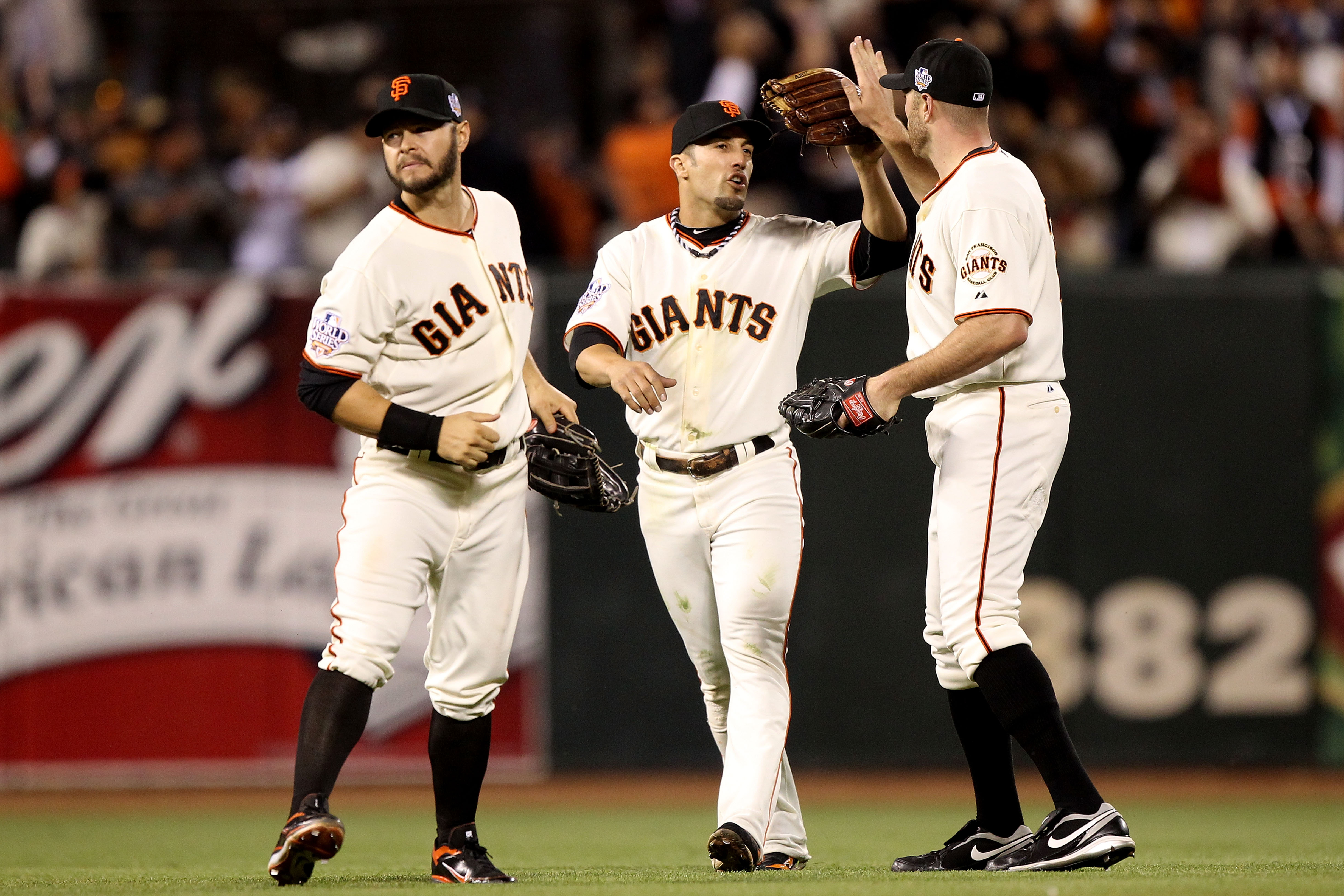
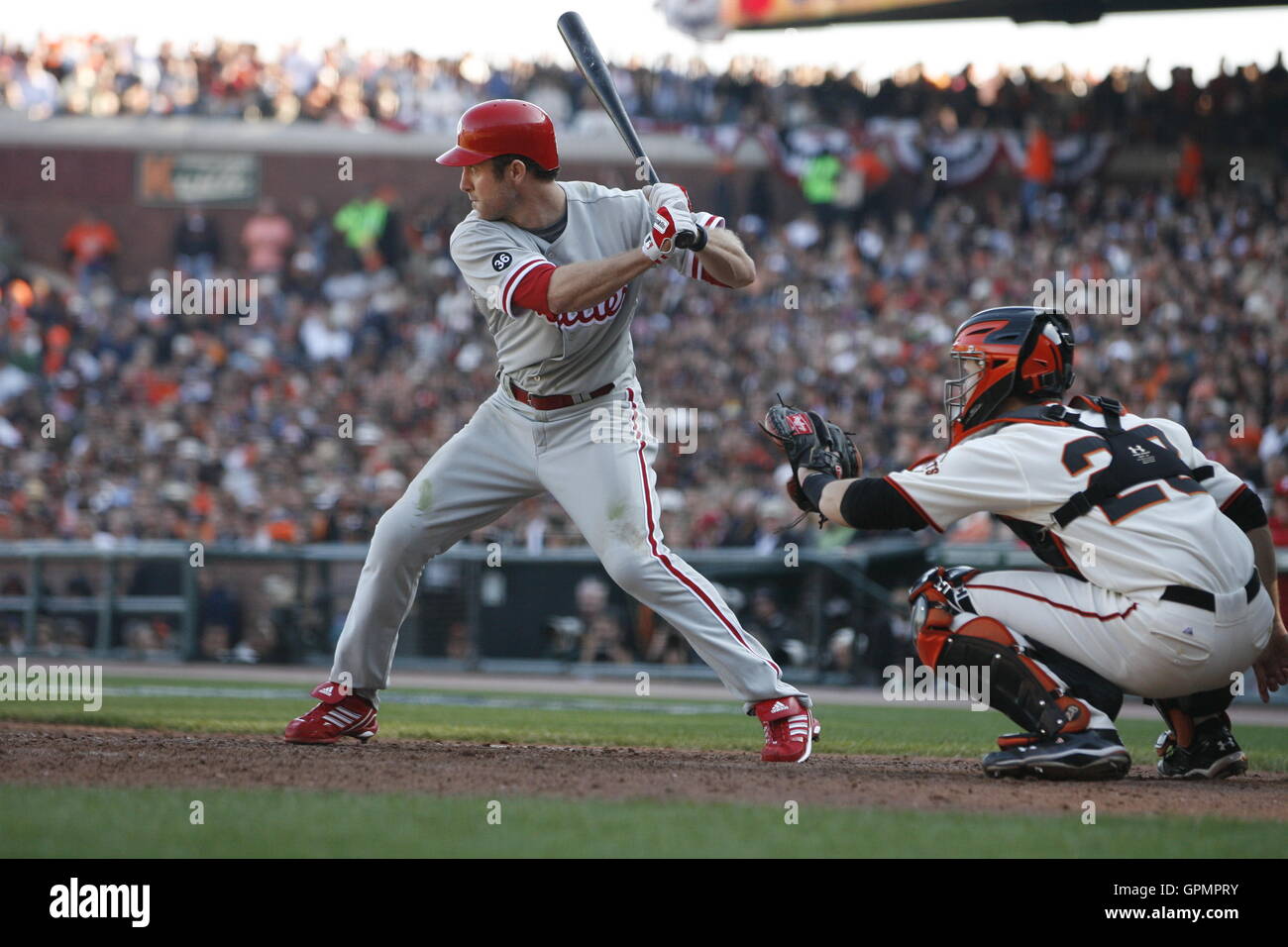
The 2010 San Francisco Giants schedule comprised 162 regular-season games, spanning from April 5 to October 3, 2010. This campaign, defined by a gritty pitching-first identity, saw the team navigate a competitive National League West division, eventually securing a postseason berth on the final day of the season before embarking on a historic run to their first World Series title since relocating to California.
The Foundation of the 2010 Season
The 2010 MLB season for the San Francisco Giants was characterized by the maturation of their home-grown pitching rotation. Led by Tim Lincecum, Matt Cain, and Jonathan Sánchez, the team relied heavily on run prevention. The schedule was structured in the traditional 162-game format, consisting of 81 home games at AT&T Park and 81 road games across the National League.
The season began with high expectations but faced significant challenges throughout the summer. The schedule was segmented by high-stakes divisional series against the Los Angeles Dodgers, San Diego Padres, and Colorado Rockies. These series were critical, as the NL West remained one of the most tightly contested divisions in baseball until the very last pitch of the regular season.
Chronological Breakdown of the Regular Season
The schedule was a marathon that tested the depth of the roster. Here is an overview of how the season unfolded across its distinct phases:
The Opening Month (April)
The Giants opened the season on April 5 against the Houston Astros, signaling a focus on starting strong. Early April was dominated by road trips and the excitement of the home opener. Throughout this month, the pitching staff established the tone that would define the entire year, keeping the team within striking distance of the division leaders even when the offense struggled to generate consistent run support.
The Mid-Season Grind (May–July)
During the summer months, the schedule became a grueling series of interleague play and divisional battles. The interleague portion of the 2010 schedule forced the Giants to adapt to American League venues, providing a unique challenge for a roster built on National League rules. This period included the "Battle of the Bay" against the Oakland Athletics, which remains a staple of the San Francisco schedule, drawing high attendance and intense media coverage.
The Final Stretch (August–October)
As the trade deadline passed, the schedule intensified. August and September were marked by a heavy concentration of NL West matchups. The final week of the season, specifically the three-game set against the San Diego Padres at AT&T Park, remains one of the most significant sequences in franchise history. Entering that series trailing in the standings, the Giants needed a dominant performance to secure the division title. They succeeded, winning the series and punching their ticket to the National League Division Series (NLDS).
Table: Key 2010 Regular Season Milestones
| Period | Focus | Impact on Standings |
|---|---|---|
| April | Establishing rotation | Stayed competitive in early West race |
| June | Interleague Play | Tested versatility against AL opponents |
| July | All-Star Break | Strategic reset; pitching rotation solidified |
| September | Critical divisional series | Surged to claim lead over San Diego |
| October 3 | Final regular season game | Clinched NL West division title |
Understanding the Technical Structure of an MLB Schedule
For fans analyzing the 2010 schedule, it is essential to understand the underlying mechanics of MLB scheduling at that time. The 162-game schedule was designed to ensure that each team played 18 games against their four division rivals (72 games total), plus games against other league opponents and designated interleague series.
This structure meant that the 2010 Giants had to account for significant travel fatigue. The distance between San Francisco and East Coast cities meant that travel days—usually Mondays or Thursdays—were vital for recovery. The coaching staff, led by Bruce Bochy, utilized these gaps to manage the bullpen's workload, a recurring theme in the team's success throughout the postseason.
The Postseason Path
While the 162-game regular-season schedule provided the entry point, the 2010 postseason schedule became the focus of the organization's history. Once the division title was secured on October 3, the Giants entered a high-pressure, condensed schedule:
- NLDS (vs. Atlanta Braves): A five-game series that showcased the Giants' ability to win in opposing stadiums.
- NLCS (vs. Philadelphia Phillies): A six-game series where the pitching staff largely stifled the defending league champions.
- World Series (vs. Texas Rangers): A five-game series ending in Arlington, where the Giants claimed their first title in San Francisco history.
Common Misconceptions Regarding the 2010 Schedule
When reviewing the 2010 schedule today, many analysts often overlook the sheer variance in game start times. The 2010 season featured a mix of day and night games, largely influenced by West Coast television broadcast requirements. Night games were the standard, but the "day-night" doubleheaders and getaway-day afternoon games were crucial for travel logistics.
Another common point of confusion is the "strength of schedule." While some argue the division was weak, the 2010 NL West was statistically competitive, with the Padres maintaining a strong lead for much of the season. The difficulty of the Giants' schedule was not necessarily the opponents' winning percentages, but the frequency of playing under the pressure of a must-win race until the final day.
Frequently Asked Questions
Did the 2010 schedule include an All-Star break? Yes, the 2010 All-Star Game was played on July 13 at Angel Stadium in Anaheim. The regular-season schedule paused for four days, allowing players to recover from the initial 90+ game grind and setting the stage for the second half of the season.
How many games did the Giants play in total during the 2010 season? Including the postseason, the Giants played 162 regular-season games plus 15 postseason games, for a total of 177 games.
Why was the final series against the Padres so critical? Entering the final weekend of the 2010 season, the Giants led the Padres by only two games in the NL West. The outcome of that head-to-head series determined whether the Giants would enter the postseason as a division winner or risk missing it entirely.
How did the 2010 interleague schedule affect the team? Interleague play introduced games against American League teams, which required the Giants to utilize a Designated Hitter (DH) in road games. This forced adjustments to the starting lineup, particularly regarding how pitchers were integrated into the batting order and how the bench was utilized.
Was the 2010 schedule affected by any significant rainouts or delays? While the Giants played half their games in the controlled environment of the NL, they were subject to weather delays in East Coast and Midwest cities. However, the 2010 schedule remained largely intact without requiring massive rescheduling efforts that would have impacted the playoff start dates.
Strategic Lessons from a Historic Campaign
The 2010 San Francisco Giants schedule serves as a case study in load management and divisional persistence. The team’s ability to remain focused through the "dog days of summer"—July and August—when travel and fatigue are at their peak, was the primary factor in their ability to overtake the Padres. For those interested in sports analytics, the 2010 schedule highlights the importance of closing the season with home-field momentum and the physical resilience required to carry a dominant pitching staff through a grueling 162-game slate.
If you are researching this season for historical context or statistical modeling, prioritize the records from the final two weeks of September. This is where the scheduling intensity reached its peak, reflecting the high-stakes environment that defined the 2010 championship run.