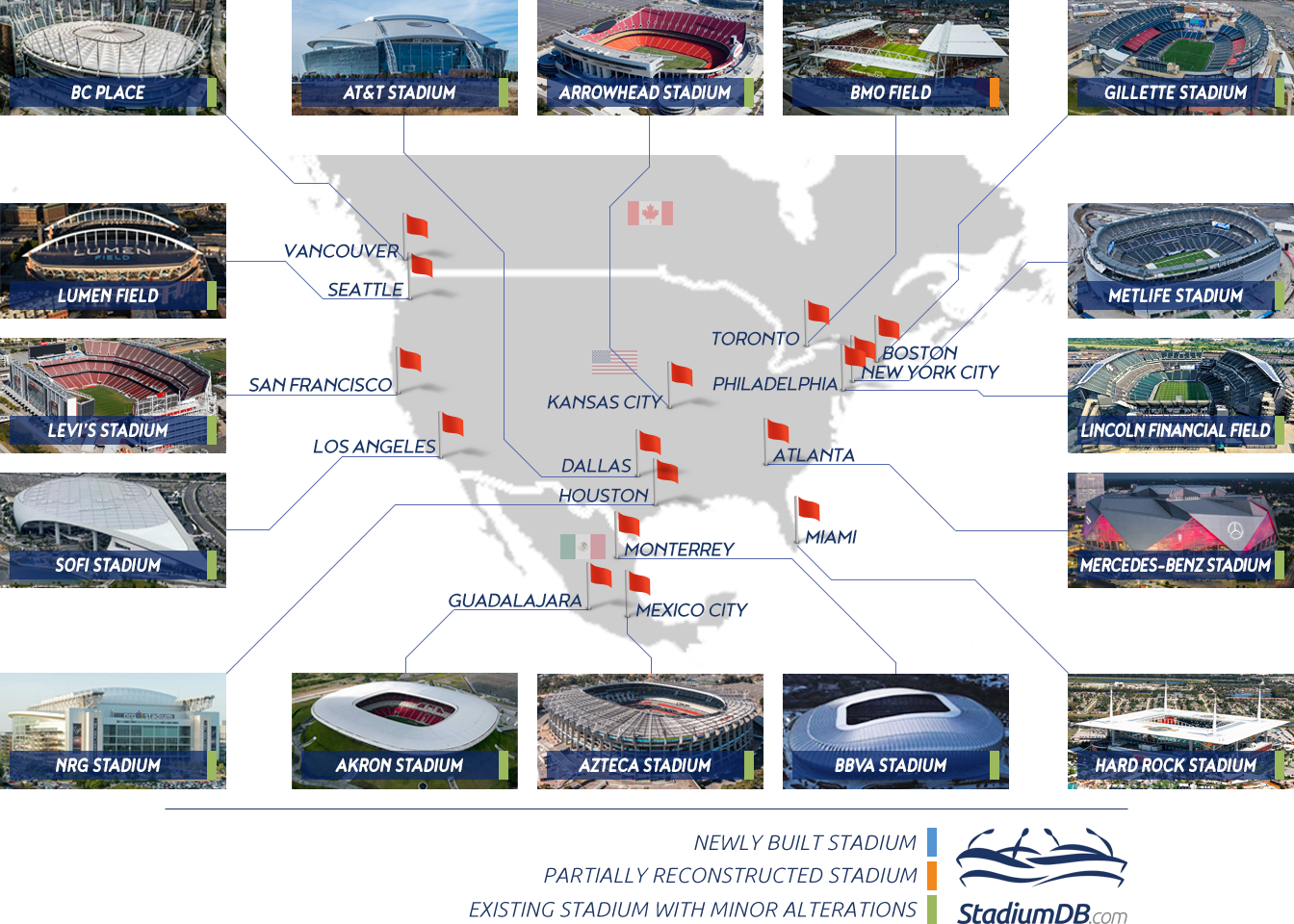
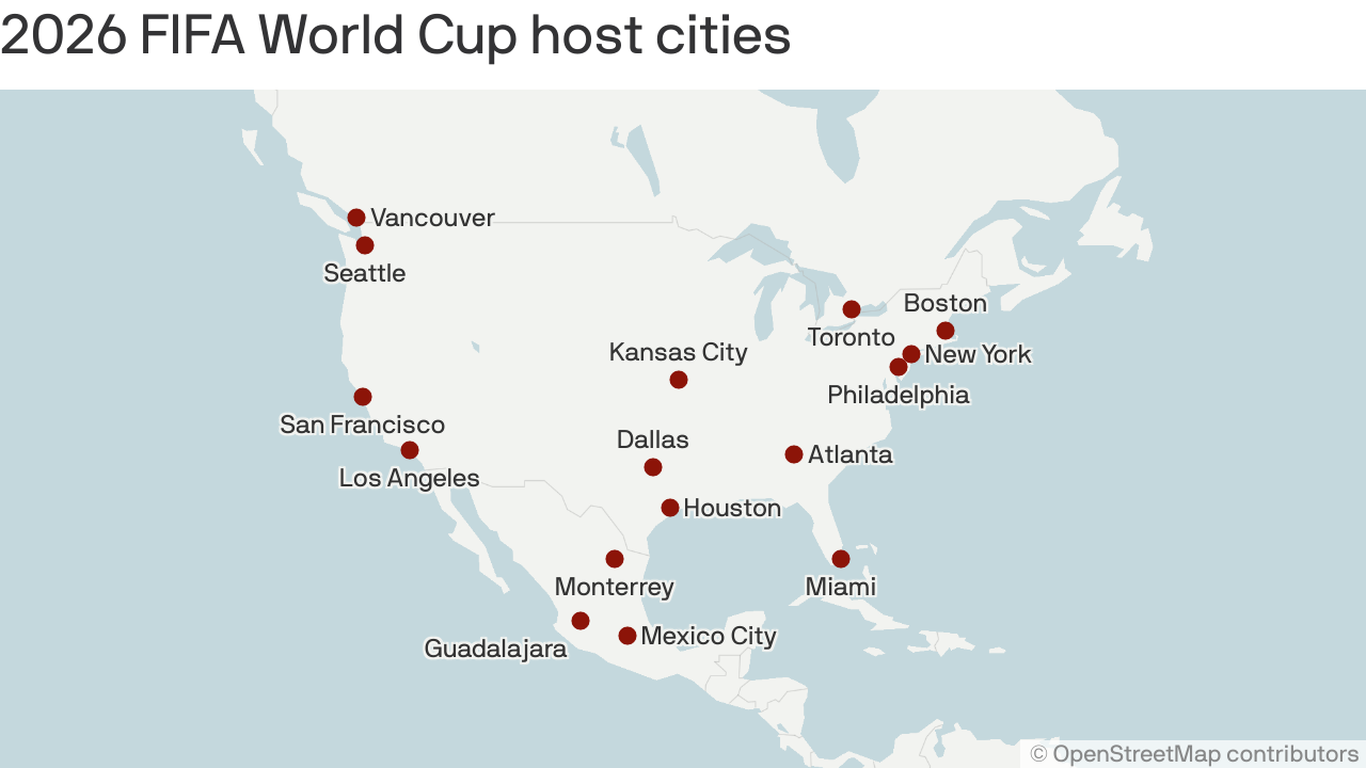
The 2026 FIFA World Cup is being hosted across 16 cities in North America, featuring 11 venues in the United States, three in Mexico, and two in Canada. This historic 48-team tournament marks the first time three nations have co-hosted, utilizing world-class stadiums from Vancouver to Mexico City.
As the summer of 2026 arrives, the global sporting landscape is centered entirely on North America. This edition of the FIFA World Cup is the largest in history, transitioning from the traditional 32-team format to a massive 48-team competition. With 104 matches scheduled over six weeks, the logistical demands on the 16 host cities are unprecedented. These cities were selected in June 2022 after a rigorous multi-year bidding process that evaluated everything from stadium infrastructure and training facilities to human rights records and public transportation networks.
The tournament is strategically divided into three regional clusters—Western, Central, and Eastern—to minimize travel for teams and fans during the group stages. This geographical organization is crucial given the vast distances between host cities like Vancouver and Mexico City. Each host city brings a unique cultural flavor and architectural marvel to the tournament, ensuring that the 2026 World Cup is not just a sporting event, but a continent-wide celebration.
The United States: 11 Cities at the Heart of the Tournament
The United States serves as the primary host for the 2026 World Cup, with 11 cities staging the majority of the knockout stage matches, including the final. The American venues are primarily modern NFL stadiums, known for their massive capacities and high-tech amenities.
New York/New Jersey (MetLife Stadium)
Located in East Rutherford, New Jersey, MetLife Stadium has been designated as the venue for the World Cup Final on July 19, 2026. This stadium serves as the crown jewel of the tournament’s East Coast presence. To meet FIFA requirements, the stadium underwent significant modifications, including the installation of a natural grass pitch over its usual synthetic surface. With a capacity exceeding 82,000, the venue is situated within the nation's largest media market, providing an iconic backdrop for the tournament’s conclusion.
Dallas (AT&T Stadium)
Arlington’s AT&T Stadium, often referred to as "Jerry World," is hosting a tournament-high nine matches. As a key hub in the Central region, Dallas serves as a primary base for operations. The stadium’s retractable roof and massive center-hung video board make it one of the most technologically advanced venues in the world. For 2026, the venue’s pitch was raised to accommodate the dimensions of a regulation FIFA field, ensuring sightlines remain optimal for soccer fans.
Los Angeles (SoFi Stadium)
SoFi Stadium in Inglewood represents the pinnacle of modern stadium design. Although it is one of the newer venues, it required creative engineering to widen the field area for soccer. As the host of the US Men’s National Team’s opening match, Los Angeles continues its long-standing tradition of hosting major international soccer events, dating back to the 1994 World Cup and 1999 Women's World Cup.
Miami (Hard Rock Stadium)
Miami’s Hard Rock Stadium is a critical venue for the 2026 tournament, particularly given the city’s deep cultural ties to Latin America and its status as a global soccer hub. The stadium, which underwent a $500 million renovation in recent years, features an open-air canopy that protects fans from the South Florida sun while maintaining an intimate atmosphere. Miami is also the site of the bronze medal match (third-place playoff).
Atlanta (Mercedes-Benz Stadium)
Atlanta has emerged as a soccer powerhouse in the United States, and Mercedes-Benz Stadium is the focal point of this growth. Known for its unique "pinwheel" retractable roof and circular LED board, the stadium is hosting a semi-final match. Its downtown location and integration with Atlanta’s MARTA transit system make it one of the most accessible venues for international travelers.
Remaining US Host Cities
- Kansas City (Arrowhead Stadium): Known for its intense atmosphere, Arrowhead provides a historic setting in the heart of the US.
- Houston (NRG Stadium): A versatile indoor-outdoor venue with extensive experience hosting major international friendlies.
- Philadelphia (Lincoln Financial Field): Offers a rich historical backdrop, celebrating the US semiquincentennial (250th anniversary) concurrently with the World Cup.
- Seattle (Lumen Field): A venue famous for its acoustic design and passionate local soccer culture.
- San Francisco Bay Area (Levi’s Stadium): Located in Santa Clara, this venue serves the tech-heavy Silicon Valley region.
- Boston (Gillette Stadium): Located in Foxborough, this stadium continues its legacy of hosting World Cup matches, following its role in 1994.
Mexico: Three Iconic Cities and the Return to the Azteca
Mexico makes history in 2026 by becoming the first country to host matches in three different FIFA World Cups (1970, 1986, and 2026). The Mexican host cities offer a blend of deep footballing heritage and modern infrastructure.
Mexico City (Estadio Azteca)
The Estadio Azteca is the cathedral of North American soccer. It hosted the opening match of the 2026 World Cup on June 11, making it the only stadium to host three opening matches in World Cup history. Significant renovations were completed leading up to 2026 to modernize VIP hospitality sections and seating while preserving the iconic "cauldron" atmosphere that has intimidated opponents for decades.
Monterrey (Estadio BBVA)
Often called "El Gigante de Acero" (The Steel Giant), Estadio BBVA is widely considered the most beautiful stadium in Mexico. Nestled at the foot of the Cerro de la Silla mountain, it offers breathtaking views. Completed in 2015, it is a Category 4 stadium that meets all modern FIFA technical specifications, including advanced drainage and sustainable cooling systems.
Guadalajara (Estadio Akron)
Guadalajara is the traditional heart of Mexican soccer. Estadio Akron, home to Chivas, features a distinctive "volcano" design where the stadium is integrated into a grass-covered hillside. It is a state-of-the-art facility that provides an intimate viewing experience, with no seat further than a short distance from the touchline.
Canada: Expanding the Horizon in Two Major Metropolises
Canada’s involvement in 2026 marks its first time hosting the men’s World Cup. The two selected cities, Vancouver and Toronto, represent the country’s diverse geography and growing soccer footprint.
Vancouver (BC Place)
BC Place in Vancouver is the premier venue in Western Canada. Following a major renovation that included a new cable-supported retractable roof, the stadium is a centerpiece of the city’s False Creek neighborhood. Vancouver was a late addition to the hosting roster but has since become a vital part of the Western cluster, offering excellent logistics and a temperate climate for summer matches.
Toronto (BMO Field)
BMO Field, located at Exhibition Place, underwent a significant expansion to reach the FIFA-mandated minimum capacity for World Cup matches (approximately 45,000 for 2026). As Canada’s largest city and a massive multicultural hub, Toronto provides a home-soil advantage for the Canadian National Team during the group stages.
Technical Specifications and Venue Requirements
FIFA’s selection of these 16 cities was based on more than just stadium size. Each venue had to adhere to strict technical requirements regarding the field of play, media facilities, and fan safety.
| City | Stadium | 2026 Capacity (Approx.) | Primary Surface (2026) | Region |
|---|---|---|---|---|
| New York/NJ | MetLife Stadium | 82,500 | Natural Grass | Eastern |
| Dallas | AT&T Stadium | 94,000 | Natural Grass | Central |
| Mexico City | Estadio Azteca | 87,500 | Natural Grass | Central |
| Los Angeles | SoFi Stadium | 70,000 | Natural Grass | Western |
| Atlanta | Mercedes-Benz Stadium | 71,000 | Natural Grass | Central |
| Vancouver | BC Place | 54,000 | Natural Grass | Western |
| Toronto | BMO Field | 45,000 | Natural Grass | Eastern |
| Miami | Hard Rock Stadium | 64,700 | Natural Grass | Eastern |
| Seattle | Lumen Field | 69,000 | Natural Grass | Western |
| San Francisco | Levi's Stadium | 68,500 | Natural Grass | Western |
| Monterrey | Estadio BBVA | 53,500 | Natural Grass | Central |
| Guadalajara | Estadio Akron | 48,000 | Natural Grass | Central |
| Kansas City | Arrowhead Stadium | 76,400 | Natural Grass | Central |
| Houston | NRG Stadium | 72,200 | Natural Grass | Central |
| Philadelphia | Lincoln Financial Field | 69,000 | Natural Grass | Eastern |
| Boston | Gillette Stadium | 65,800 | Natural Grass | Eastern |
A critical technical challenge for 2026 was the pitch surface. Many US and Canadian stadiums typically use artificial turf for NFL or MLS play. However, FIFA mandates high-quality natural grass for all World Cup matches. This required the installation of sophisticated "grass-on-turf" systems or the complete temporary replacement of turf with specialized sod grown specifically for the local climate of each host city.
Logistics and Travel for the 2026 Tournament
With the tournament spread across an entire continent, travel is the primary concern for fans and teams. The 16 cities are grouped into three zones:
- Western Region: Vancouver, Seattle, San Francisco, Los Angeles.
- Central Region: Guadalajara, Mexico City, Monterrey, Houston, Dallas, Kansas City.
- Eastern Region: Atlanta, Miami, Toronto, Boston, Philadelphia, New York/New Jersey.
Teams will largely stay within their assigned regions during the group stages to minimize the physiological toll of cross-continental travel and time zone changes. Fans are encouraged to utilize the "Fan Pass" system, which provides integrated transportation options within host city hubs. Most host cities have expanded their light rail and shuttle services to connect international airports directly to "Fan Festivals" and stadium precincts.
Frequently Asked Questions
Which city is hosting the 2026 World Cup Final?
The 2026 FIFA World Cup Final is being held at MetLife Stadium in East Rutherford, New Jersey (representing the New York City market). The match is scheduled for July 19, 2026. The stadium was chosen due to its high capacity, proximity to a major international travel hub, and its ability to host the massive global media presence required for a final.
How many matches will be played in Mexico and Canada?
Each of the three host nations has a different share of the 104 matches. Mexico and Canada are each hosting 13 matches, including 10 group stage matches each. The remaining 78 matches, including all matches from the quarter-finals onwards, are being held in the United States.
Why were cities like Washington D.C. and Chicago not included?
Washington D.C. and Baltimore submitted a joint bid, but FIFA ultimately selected other Eastern region cities that offered more modern stadium infrastructure or better logistical alignment. Chicago withdrew from the bidding process early on, citing concerns over the financial demands and "blank check" nature of FIFA’s requirements at the time.
Are the stadiums using real grass or turf for the 2026 World Cup?
All 16 venues are using natural grass for the 2026 World Cup. Venues that traditionally use artificial turf, such as SoFi Stadium, Mercedes-Benz Stadium, and Lumen Field, have installed advanced temporary grass systems. These systems often involve specialized irrigation and lighting to keep the pitch in pristine condition throughout the tournament.
What is the largest stadium by capacity in the 2026 World Cup?
AT&T Stadium in Dallas (Arlington) has the highest potential capacity, as it can be configured to hold over 90,000 spectators for soccer. While Mexico City's Estadio Azteca is also massive, renovations have slightly reduced its official capacity from its historical peak to roughly 87,500 for the 2026 event.
Final Recommendation for Fans and Travelers
If you are planning to attend matches in 2026, focus your itinerary on one of the three regional clusters (Western, Central, or Eastern). Due to the sheer scale of North America, attempting to follow a team across regions can involve flights of six hours or more. By staying within a cluster—for example, the Eastern region—you can easily travel between New York, Philadelphia, and Boston via rail, maximizing your ability to experience multiple matches while minimizing travel fatigue. Always verify your "Fan ID" requirements and stadium-specific bag policies through the official FIFA app before heading to any of the 16 host cities.