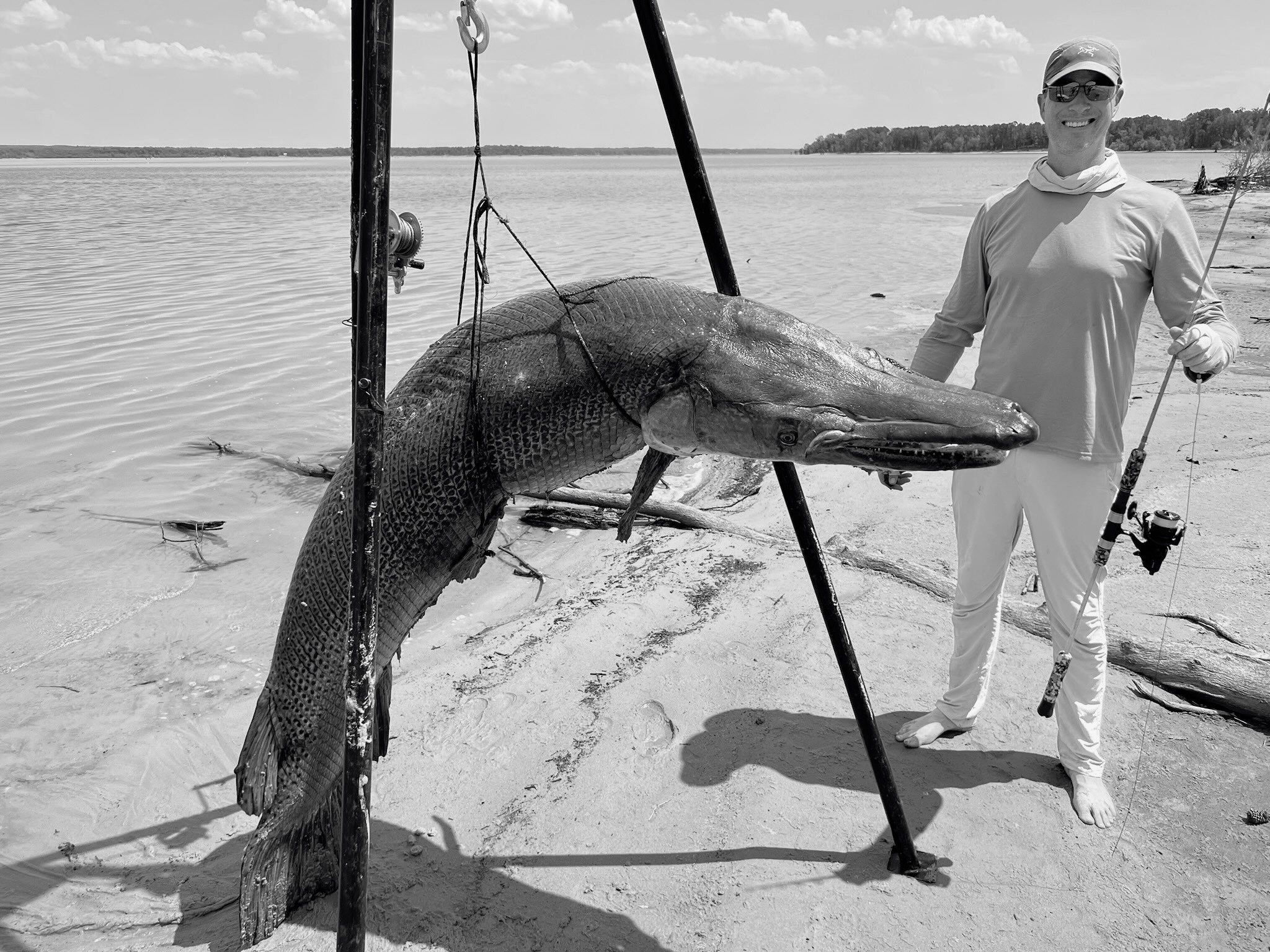
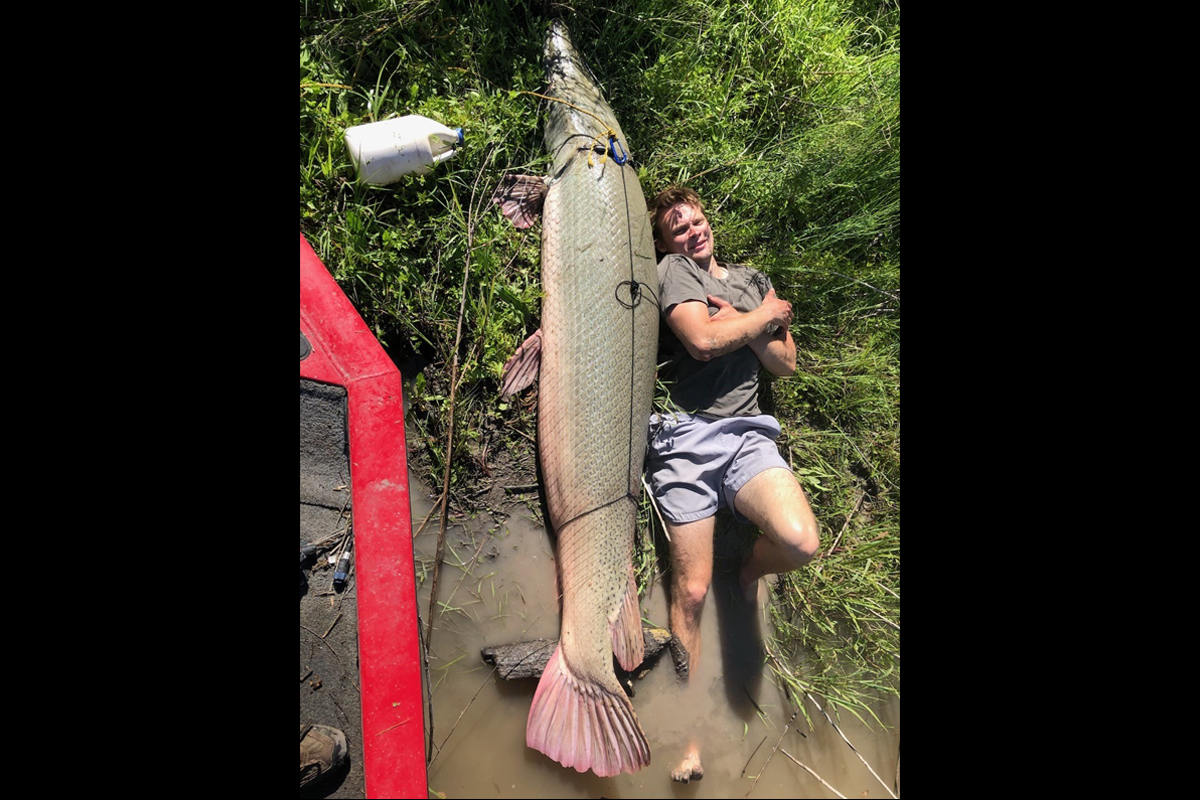
The record-breaking 14-foot, 3-inch alligator was captured in the Yazoo River, Mississippi, during the opening weekend of the 2023 hunting season. Weighing 802.5 pounds with a massive 66-inch belly girth, this male specimen officially shattered the state’s previous length record, marking a historic milestone in North American crocodilian management and hunter achievement.
The Record-Breaking Measurements: A New Benchmark for Mississippi
In the world of alligator hunting, every inch is a testament to decades of survival. On August 26, 2023, a team of four hunters—Tanner White, Don Madere, Joey Clark, and Will Thomas—harvested a male American alligator (Alligator mississippiensis) that redefined the limits of the species in the Mississippi Delta. The official measurements, verified by the Mississippi Department of Wildlife, Fisheries, and Parks (MDWFP), solidified its place in the record books.
The alligator measured exactly 14 feet, 3 inches (4.34 meters) in length. To put this in perspective, the previous state record for length was 14 feet, 3/4 inch, a record that had stood since 2017. While the difference of 2.25 inches might seem negligible to a casual observer, in the context of biological growth rates for apex predators, it represents years, if not a decade, of additional growth.
Beyond length, the "Yazoo Giant" exhibited extraordinary mass. The animal weighed 802.5 pounds (364 kg). While this did not break the state record for weight—which remains held by a 2013 specimen weighing 827 pounds—the combination of its length and its 66-inch belly girth made it one of the most physically imposing alligators ever documented in the United States. Its tail girth was measured at 46.5 inches, indicating a massive amount of muscle used for propulsion and territorial defense.
The Anatomy of the Hunt: Seven Hours on the Yazoo River
The capture of a 14-foot alligator is rarely a swift affair. The hunters involved in the 2023 record-breaking event described a grueling seven-hour battle that began in the late evening and lasted until the early hours of the morning. Understanding the technical details of this hunt provides insight into the difficulty of managing such a powerful animal.
Spotting and Initial Hooking
The team was hunting in the Yazoo River, a waterway known for its deep, murky stretches and dense submerged timber—perfect habitat for mature males. Around 9:00 PM, the team spotted the massive head of the alligator. Using heavy-duty rod-and-reel setups equipped with weighted snatch hooks, they managed to get the first line into the animal.
A 14-foot alligator possesses immense torque. When hooked, these animals typically dive for the bottom or seek cover under submerged logs ("structure"). The hunters reported that the alligator broke several lines and bent hooks during the initial hours of the engagement. The sheer weight of the animal meant that the hunters were essentially playing a high-stakes game of tug-of-war against 800 pounds of prehistoric muscle.
The War of Attrition
Between 10:00 PM and 1:00 AM, the alligator retreated into deep holes multiple times. Every time the hunters gained ground, the alligator would perform a "death roll" or a powerful tail sweep, forcing the hunters to reset. It took a total of eight lines attached to the animal to finally bring it to the surface and stabilize it alongside the boat.
The logistical challenge of securing an animal that is longer than many hunting boats cannot be overstated. The hunters had to ensure the snout was secured and the animal was dispatched humanely according to state regulations before attempting to move it.
Extraction and Transportation
Once the alligator was expired, the task of loading it began. An 800-pound animal is nearly impossible for four men to lift into a standard hunting vessel without specialized equipment or immense physical effort. The team eventually had to use a winch system and several hours of maneuvering to get the specimen onto the boat deck for transport to the MDWFP check station.
Comparative Data: The 14ft Giant in Context
To understand the significance of this 14-foot, 3-inch capture, it is necessary to compare it to other historic records across the "Alligator Belt" of the Southern United States.
| Metric | 2023 MS Record (Yazoo) | 2017 MS Record (Previous) | World Record (Alabama 2014) |
|---|---|---|---|
| Length | 14' 3" | 14' 0.75" | 15' 9" |
| Weight | 802.5 lbs | 766.5 lbs | 1,011.5 lbs |
| Belly Girth | 66" | 64" | 70.5" |
| Location | Yazoo River | Upper Mississippi River | Alabama River |
While the Mississippi record is staggering, the world record for an American alligator remains the "Stokes Alligator," caught in Alabama in 2014. That animal measured 15 feet, 9 inches and weighed over 1,000 pounds. However, the Yazoo capture is significant because it confirms that the Mississippi River drainage system is capable of producing alligators that rival the largest specimens in Florida and Louisiana.
Biological Significance: How Does an Alligator Reach 14 Feet?
The American alligator is a slow-growing reptile. Once an alligator reaches about 10 feet, its growth rate slows significantly. On average, a mature male might grow only one to two inches per year.
Age Estimation
Biologists from the Mississippi Department of Wildlife, Fisheries, and Parks estimate that a 14-foot alligator is likely between 40 and 60 years old. This means the 2023 record-breaker likely hatched in the late 1960s or early 1970s. This timeframe is crucial because it coincides with the period when alligators were listed as an endangered species. The protections afforded by the Endangered Species Act allowed this specific individual to survive its most vulnerable years without human interference, eventually becoming the apex predator of its stretch of the Yazoo River.
Environmental Conditions
The Yazoo River provides an ideal environment for record-breaking growth. It offers:
- Abundant Prey: Large alligators require a massive caloric intake, feeding on deer, feral hogs, large fish, and even smaller alligators.
- Thermal Stability: The deep waters of the Yazoo allow alligators to regulate their body temperature effectively during both the heat of summer and the occasional freezes of winter.
- Minimal Disturbance: Some stretches of the river are difficult to navigate, providing "sanctuary" areas where males can grow for decades without encountering hunters.
The Role of Conservation and Managed Hunting
The capture of such a large animal is often a polarizing topic, but state biologists emphasize that these harvests are a sign of a healthy, thriving population. The Mississippi alligator hunting season is strictly regulated through a lottery-based permit system.
Population Control
By removing a dominant, older male, the ecosystem often sees a shift in local alligator dynamics. These "alpha" males are highly territorial and will often kill younger males to maintain control over breeding grounds. Removing a 14-foot specimen can sometimes lead to higher survival rates among mid-sized alligators, though it also removes the most successful genetic lineage from the immediate pool.
Verification Process
For a capture to be recognized as a state record, the MDWFP requires a rigorous verification process:
- Official Weigh-In: The animal must be weighed on a certified scale.
- Standardized Measurement: Length is measured in a straight line from the tip of the snout to the tip of the tail. Curvature of the body is not included in the official length.
- Witnesses: Wildlife officers must be present to witness the measurements and ensure the animal was harvested legally within the designated zone and timeframe.
Technical Requirements for Alligator Hunting in Mississippi
For those looking to understand the logistics behind such a record-breaking capture, the requirements are stringent. As of 2026, the framework established during the 2023 season remains the standard for trophy hunting.
- Permit Acquisition: Hunters must apply for the MDWFP Alligator Hunt Draw. This is a random lottery. There are specific zones (e.g., Northwest, Northeast, West Central, Southwest).
- Mandatory Training: First-time permit holders are often encouraged or required to attend a biomass and safety course to understand the legal methods of harvest.
- Weaponry: Mississippi allows snatch hooks, harpoons, and "bangsticks" (firearms designed to be discharged underwater or in direct contact with the animal's skull). The record-breaking 2023 hunt utilized rod-and-reel snatch hooks to secure the animal before dispatching it.
- Tagging: Immediately upon harvest, a federal CITES tag must be attached to the alligator's tail. This tag tracks the animal through the skinning and tanning process, ensuring it was not taken through poaching.
Common Myths vs. Reality in 14ft Alligator Captures
There is often misinformation surrounding these "monster" alligators. It is important to distinguish between social media hyperbole and biological reality.
Myth: 14-foot alligators are common in the wild. Reality: They are extremely rare. Less than 1% of the male alligator population ever reaches 13 feet, and reaching 14 feet requires a perfect storm of genetics, food availability, and longevity.
Myth: These alligators are a major threat to humans. Reality: While they are capable of killing humans, alligators of this size are typically very wary of people. Their size makes them less agile on land, and they prefer large natural prey over human interaction. Most "nuisance" alligators are in the 6-to-9-foot range.
Myth: The weight of the alligator is the most important record. Reality: In Mississippi, the "Length Record" is the most prestigious. Weight can fluctuate significantly based on when the animal last ate or the time of year (pre- or post-rut). Length is a more permanent indicator of the animal's age and status.
Frequently Asked Questions
What happened to the 14-foot alligator after it was measured?
Typically, record-breaking alligators are processed for both meat and hide. The 2023 record-breaker provided hundreds of pounds of meat. The hide is often tanned and kept as a trophy or sold to high-end leather manufacturers. Many hunters choose to have a "head mount" or a full-body taxidermy mount created to preserve the animal for educational or display purposes.
Where was the exact location of the 14ft 3in capture?
The animal was harvested in the Yazoo River in the West Central Alligator Hunting Zone of Mississippi. While the exact GPS coordinates are generally kept private by hunters to protect their "honey holes," the MDWFP confirmed the river system to validate the record.
How much is a 14-foot alligator hide worth?
While the meat value is significant, the hide's value depends on the quality of the "belly skin." However, for alligators over 12 feet, the skin is often too thick and scarred from decades of fighting to be used for luxury watch straps or handbags. Its primary value is usually as a taxidermy trophy rather than a commercial leather product.
Are there larger alligators than the 14ft 3in record in Mississippi?
Biologists believe it is possible. Aerial surveys and sightings by river pilots occasionally suggest the existence of "megas" that could approach 15 feet. However, catching such an animal is a different matter entirely, as they are exceptionally intelligent and live in the most inaccessible parts of the swamp.
What gear is needed to catch an 800lb alligator?
Hunters typically use heavy saltwater fishing tackle. This includes 100-lb to 150-lb braided line, extra-heavy action rods, and large treble hooks weighted with lead. Once the animal is close to the boat, a "snare" or a harpoon with a break-away tip is used to ensure the animal cannot dive back down.
Final Recommendations for Enthusiasts and Hunters
The 14-foot, 3-inch record-breaking capture of 2023 serves as a benchmark for what is possible within the American alligator’s natural habitat when conservation efforts are successful. For those interested in following or participating in such events, it is vital to stay updated with the Mississippi Department of Wildlife, Fisheries, and Parks for annual harvest reports and permit applications. If you are a hunter, prioritize heavy-duty equipment and a team of at least three to four people; as the 2023 record shows, the physical demands of landing an 800-pound apex predator require more than just skill—they require immense endurance and specialized logistics.