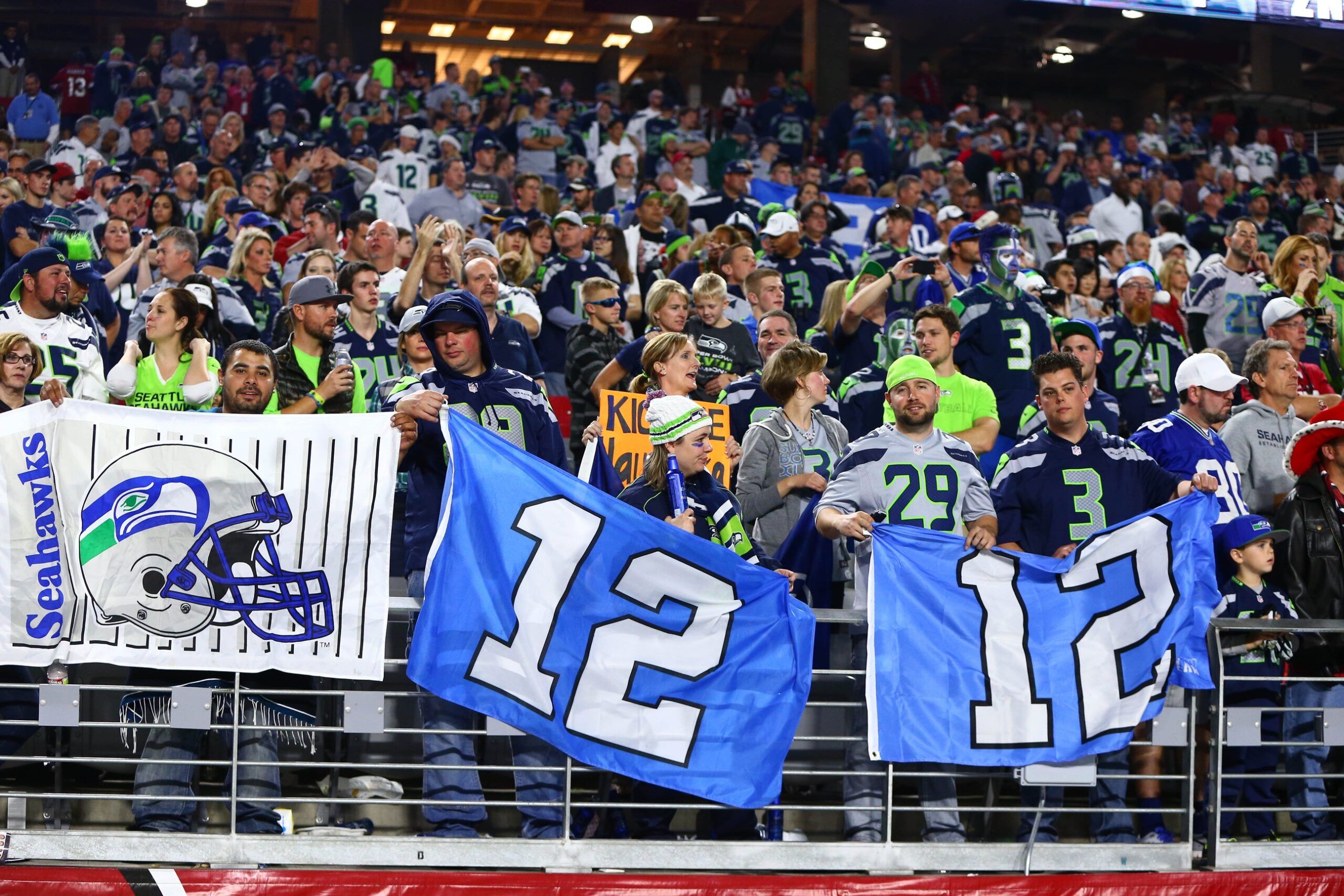
The 12th Man in Seattle represents a unique cultural and sporting phenomenon, bridging the gap between an NFL franchise and its fanbase through a legacy of unmatched stadium noise, strategic jersey retirements, and a profound organizational commitment that transformed a regional following into a global sporting identity.
The concept of the "12th Man" in professional football describes the profound impact that a passionate home crowd can have on the outcome of a game, acting as an extra player on the field by disrupting opposing offenses through sheer auditory force. In Seattle, this phenomenon evolved from a solitary symbolic gesture into a heavily regulated, globally recognized brand and identity deeply woven into the fabric of the Pacific Northwest. Over the decades, the relationship between the Seattle Seahawks and their supporters transitioned from a grassroots tradition into a multi-million-dollar marketing asset, a scientific study in stadium acoustics, and a permanent fixture of NFL lore that redefined how franchises interact with their supporters.
Origins of the Tradition at Texas A&M and the NFL Adoption
The historical lineage of the 12th Man begins long before the Seattle Seahawks franchise was founded in 1976. The term originated in 1922 at Texas A&M University, where an injured student named E. King Gill stood ready on the sidelines to enter the game if his depleted team suffered any more injuries. Although Gill never stepped onto the field, his readiness became a powerful symbol of selfless dedication and team support, prompting Texas A&M to officially trademark the phrase and fiercely protect its usage for decades.
When the Seattle Seahawks entered the NFL as an expansion franchise in 1976, the team lacked the generational history of older franchises, but it quickly cultivated a passionate local following in the Pacific Northwest. During the late 1970s and 1980s, under early head coaches like Jack Patera and behind star players like Steve Largent, the Kingdome began to develop a reputation for producing overwhelming crowd noise.
The turning point for the franchise's relationship with the crowd occurred on December 15, 1984. In a game against the New York Giants, the Seattle crowd generated so much noise that Giants quarterback Simms struggled to communicate plays, resulting in multiple false start penalties and offensive disruptions. Recognizing the immense competitive advantage provided by the supporters, the Seahawks organization made the strategic decision to honor the fanbase directly. On December 15, 1984, the franchise officially retired the number 12 jersey, dedicating it permanently to the fans. This monumental gesture predated the team's legal acquisition of the rights to the term, establishing a formal bond between the franchise and its supporters that would define the culture of Seattle football for generations.
The Kingdome Era and the Birth of Acoustic Dominance
The early evolution of the 12th Man took place within the concrete confines of the Kingdome, Seattle's multi-purpose stadium that served as the home of the Seahawks from 1976 until 1999. The Kingdome's multi-ton concrete roof and enclosed bowl architecture created an acoustic trap that amplified sound waves, bouncing crowd noise back onto the field with devastating efficiency.
During the AFC West divisional battles of the 1980s and 1990s against powerhouses like the Denver Broncos, Kansas City Chiefs, and Los Angeles Raiders, the Kingdome became known as one of the most hostile environments for visiting teams in the National Football League. Opposing coaches routinely utilized silent snap counts, practiced with blaring loudspeakers during the week, and fitted their helmets with specialized acoustic padding to mitigate the deafening roar of the Seattle faithful.
However, the Kingdome era also faced structural and operational challenges. By the late 1990s, the stadium required extensive repairs, and public debates regarding sports stadium financing in Washington State reached a fever pitch. Despite these political and economic hurdles, the cultural identity of the 12th Man remained resilient. When the Kingdome was imploded in the year 2000 to make way for a new open-air facility, the fanbase preserved its collective identity, ensuring that the legacy of noise and support would seamlessly transition to a new era of football in Seattle.
Transition to Lumen Field and the Guinness World Records
Following a temporary relocation to Husky Stadium on the campus of the University of Washington for the 2000 and 2001 seasons, the Seahawks opened their new state-of-the-art home in 2002—initially named Seahawks Stadium, later renamed Qwest Field, CenturyLink Field, and eventually Lumen Field. The architectural design of the new stadium was intentionally engineered to honor and enhance the legacy of the 12th Man.
Designed by architectural firm Ellerbe Becket in association with LMN Architects, Lumen Field incorporated a unique open-air, horseshoe-shaped configuration with cantilevered grandstands on the north and south ends. These metal-and-concrete overhangs were specifically engineered to trap and reflect crowd noise back down onto the playing field, recreating and intensifying the acoustic hostile environment of the Kingdome while offering sweeping views of the downtown Seattle skyline.
This intentional acoustic engineering bore fruit in the 2010s, capturing global attention through a series of scientifically verified crowd noise records. On September 15, 2013, during a game against the San Francisco 49ers, Seahawks fans registered a roar of 136.6 decibels, earning a spot in the Guinness Book of World Records for the loudest crowd roar at a sports stadium. Not content with this milestone, the fanbase broke the record again on December 2, 2013, during a primetime Monday Night Football matchup against the New Orleans Saints, reaching a staggering 137.6 decibels.
To put these measurements into perspective, 137 decibels exceeds the noise threshold of a jet engine taking off at close range, making communication nearly impossible for opposing offenses and directly contributing to a high volume of false start penalties and offensive holding infractions committed by visitors.
| Era / Stadium | Years Active | Peak Noise Level / Impact | Key Defining Characteristic |
|---|---|---|---|
| Kingdome | 1976–1999 | Estimated 115–120+ dB (Informal) | Concrete dome roof trapped sound naturally, establishing early hostile reputation. |
| Husky Stadium | 2000–2001 | High open-air impact | Temporary lakeside venue maintained core fan loyalty during stadium construction. |
| Lumen Field | 2002–Present | 137.6 dB (Guinness Certified) | Cantilevered roofs engineered explicitly to amplify and reflect crowd noise. |
Legal Evolution: The Texas A&M Trademark Agreement
As the commercial value of the 12th Man brand grew exponentially during the Seahawks' Super Bowl runs in the 2005 and 2013 seasons, legal complexities arose regarding the ownership and usage of the term. Texas A&M University held the registered federal trademark for the phrase "12th Man" and maintained a strict policy regarding unauthorized commercial exploitation of the term by external entities.
In January 2006, Texas A&M filed a trademark infringement lawsuit against the Seattle Seahawks, asserting that the NFL franchise had used the term on merchandise, promotional materials, and stadium signage without proper licensing or permission. The legal dispute highlighted the tension between a collegiate institution protecting its intellectual property and a professional sports franchise deeply attached to its regional traditions.
The dispute was resolved amicably in January 2016 when the Seattle Seahawks and Texas A&M University reached a comprehensive licensing agreement. Under the terms of the settlement, the Seahawks secured the legal right to use the term "12th Man" through a multi-year licensing agreement, paying an undisclosed annual fee and acknowledging Texas A&M as the original holder of the trademark. However, following the expiration of that specific agreement in August 2016, the Seahawks pivoted their official branding strategy, shifting away from the term "12th Man" to the broader, more inclusive moniker "12s." This transition allowed the franchise to maintain its deep connection to the fanbase while creating proprietary intellectual property independent of collegiate licensing restrictions.
Cultural Impact, Rituals, and the 12 Flag Raising
The evolution of the 12th Man extends far beyond stadium acoustics and legal agreements, embedding itself deeply into the civic and cultural identity of the Pacific Northwest. Supporting the Seahawks became a unifying regional ritual, transcending socioeconomic backgrounds and uniting fans across Washington, Oregon, Idaho, Alaska, and parts of Western Canada.
One of the most enduring pre-game rituals established during this era is the ceremonial raising of the 12 Flag. Before every home game at Lumen Field, a prominent figure from sports, entertainment, military service, or civic leadership is invited to hoist a massive flag bearing the number 12 above the south grandstand. Past flag-raisers have included legendary Seahawks players like Walter Jones and Steve Largent, local music icons like members of Pearl Jam and Macklemore, Olympic champions, and decorated combat veterans. This tradition serves as a bridge between the team's storied past and its modern identity, firing up the stadium crowd moments before kickoff.
Furthermore, the influence of the fanbase is visible throughout Seattle on game days, where supporters clad in neon green and navy blue jerseys flood public transit systems, local businesses, and city landmarks. The municipal government frequently participates in this cultural display, illuminating iconic structures such as the Space Needle and the Columbia Center in Seahawks colors to mark significant playoff runs and home games.
Frequently Asked Questions
Why is the number 12 retired by the Seattle Seahawks?
The number 12 was officially retired by the Seattle Seahawks on December 15, 1984, to honor the fanbase. The organization recognized that the crowd's vocal support provided a distinct competitive advantage, effectively acting as an extra player on the football field.
Who originally created the term "12th Man"?
The term originated at Texas A&M University in 1922, when student E. King Gill stood ready on the sidelines to enter the football game if needed. Texas A&M holds the historical trademark for the phrase, which led to a licensing agreement with the Seahawks in 2006.
Why did the Seahawks rebrand from "12th Man" to "12s"?
Following the expiration of their licensing agreement with Texas A&M University in 2016, the Seahawks transitioned their official marketing and merchandise terminology to "12s." This change allowed the franchise to retain the core identity of the fanbase while operating under independent intellectual property guidelines.
How loud can Seattle Seahawks fans get at Lumen Field?
Seattle fans set a Guinness World Record for the loudest crowd roar at a sports stadium on December 2, 2013, reaching 137.6 decibels during a game against the New Orleans Saints. The stadium's cantilevered roof architecture is specifically engineered to bounce sound waves back onto the playing field.
What is the 12 Flag raising tradition?
The 12 Flag raising is a pre-game ritual at Lumen Field where a notable celebrity, former player, military veteran, or civic leader hoists a large flag bearing the number 12 to energize the crowd moments before kickoff.
Conclusion and Next Actions
The history and evolution of the 12th Man in Seattle illustrate how a simple symbolic gesture can grow into a defining cultural and competitive pillar for an NFL franchise. From its origins at Texas A&M to the roaring acoustic environment of the Kingdome and the record-breaking decibel levels of Lumen Field, the fanbase remains an integral component of the Seahawks' identity. For researchers, sports historians, and fans looking to engage further with this legacy, visiting Lumen Field during a home game, exploring the franchise's historical archives online, or examining the architectural acoustics of modern sports stadiums provide deeper insight into how crowd dynamics shape professional football.