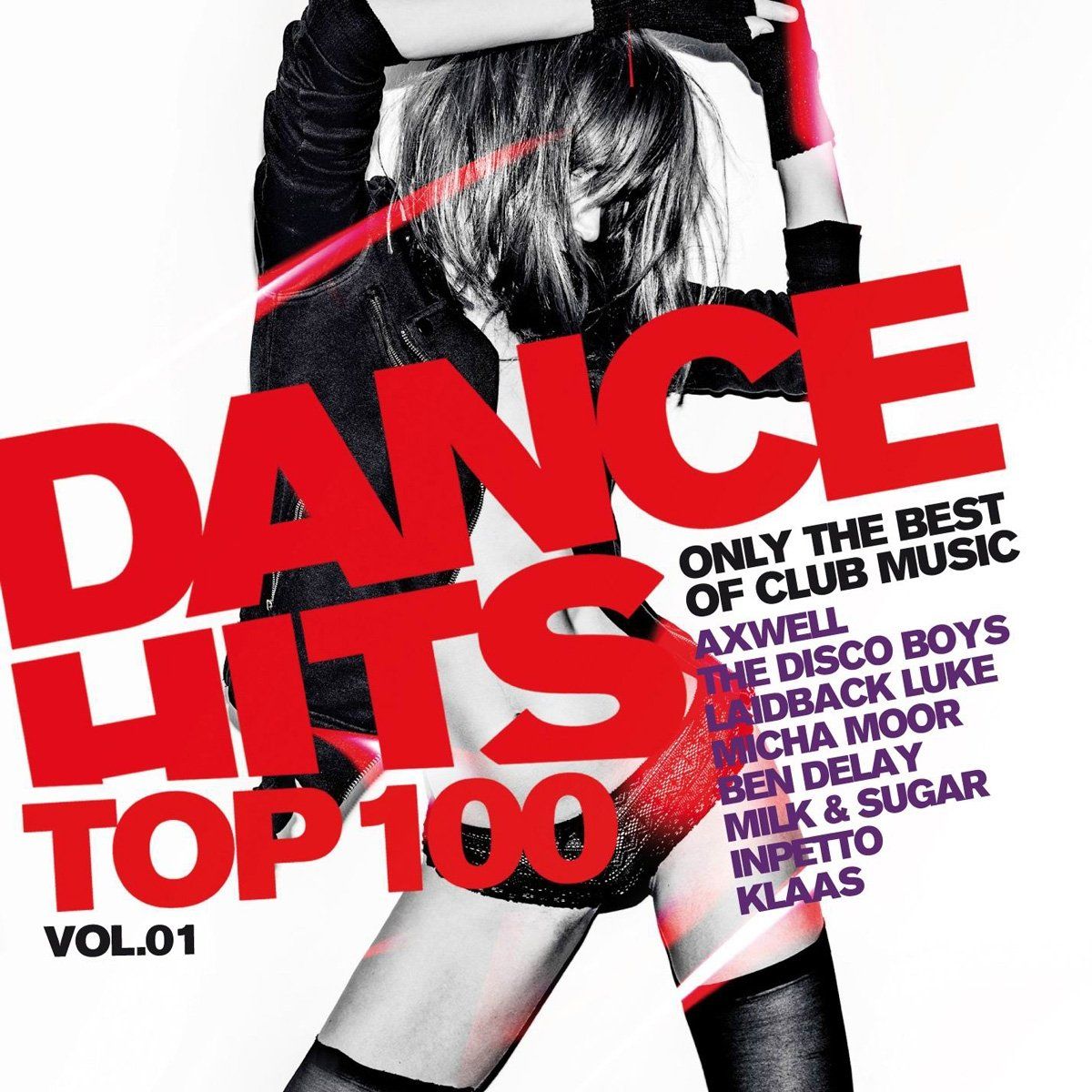
The 2000s marked a transformative era for electronic dance music, pop, and club culture, bridging the gap between underground rave scenes and global mainstream charts by blending synthesizers, soaring vocal hooks, and innovative production techniques that defined the decade's nightlife.
The Evolution of Dance Music in the 2000s
The turn of the millennium initiated a massive shift in how electronic dance music (EDM), pop, and hip-hop intersected. Throughout the 1990s, dance tracks were frequently confined to specialized club rotations, late-night radio slots, or niche compilations. However, as the 2000s progressed, producers began integrating heavy synthesized basslines, electro-house elements, and European club aesthetics into mainstream American and international pop production.
This era witnessed the rise of specialized software synthesizers and digital audio workstations (DAWs), allowing independent producers and major-label hitmakers alike to sculpt crisp, punchy beats that translated seamlessly from massive festival sound systems to portable MP3 players. The sonic landscape shifted away from traditional organic instrumentation toward futuristic textures, vocoders, auto-tune, and compressed drum machines. Clubs in Ibiza, London, Miami, and New York served as incubators for tracks that would eventually dominate global airwaves, setting the stage for the massive commercial EDM boom of the following decade.
Defining Characteristics of 2000s Club Hits
Understanding why specific tracks from this era resonated so deeply requires examining their structural and sonic DNA. Unlike the stripped-down techno or minimal house tracks that populated underground venues, top commercial dance songs of the 2000s relied heavily on dynamic song structures. They typically featured an engaging introductory buildup, an expansive verse, a tense pre-chorus, and an explosive drop or hook designed to maximize crowd engagement.
Furthermore, vocal delivery played a paramount role. Rather than relying solely on instrumental drops, producers partnered with powerhouse vocalists, R&B stars, and European pop icons to craft memorable, sing-along choruses. The production values prioritized high-frequency clarity, sidechain compression—which creates that characteristic "pumping" effect when the bass ducks under the kick drum—and catchy synth hooks that stayed lodged in listeners' minds long after the song ended.
The 10 Top Dance Songs of the 2000s
The following selection highlights ten of the most culturally impactful, commercially successful, and enduring dance tracks released between 2000 and 2009. These choices reflect a balance of chart performance, club rotation ubiquity, and lasting influence on electronic and pop production.
1. "Sandstorm" – Darude (2000)
Released at the very dawn of the decade, Finnish producer Ville Virtanen, known as Darude, created an instrumental trance anthem that became a universal cultural touchstone. Driven by an iconic, galloping synthesizer melody and a relentless driving beat, "Sandstorm" crossed over from European clubs into global sports arenas, video games, and mainstream radio, proving that an instrumental track required no lyrics to captivate millions.
2. "Can't Get You Out of My Head" – Kylie Minogue (2001)
Australian pop icon Kylie Minogue teamed up with writers Cathy Dennis and Rob Davis to deliver a masterclass in minimalist electro-pop. Propelled by its hypnotic "la la la" hook and a sleek, mechanical rhythm section, the track dominated international charts and demonstrated how successfully mainstream pop could adopt cold, sophisticated electronic textures without losing its emotional resonance.
3. "Get Lucky" style precursor: "Satisfaction" – Benny Benassi (2002)
Italian DJ and producer Benny Benassi revolutionized club music with the release of "Satisfaction." Utilizing a raw, heavily distorted electro-house bassline that sounded like a pneumatic drill, the track popularized the aggressive, electro-crunch sound that heavily influenced the mid-2000s club scene and laid foundational building blocks for future electro-house producers.
4. "Toxic" – Britney Spears (2003)
While rooted in pop, "Toxic" heavily leaned on a frantic, Bollywood-sampling surf-guitar hook and synthetic string arrangements crafted by Swedish production duo Bloodshy & Avant. The track earned a Grammy Award and showcased how dance-pop production could incorporate eclectic global samples while maintaining a sharp, high-energy club momentum.
5. "Call on Me" – Eric Prydz (2004)
Swedish DJ Eric Prydz sampled Steve Winwood's 1982 single "Valerie" to construct a sun-drenched, high-energy house anthem. Coupled with an iconic, highly publicized aerobic music video, "Call on Me" became an inescapable club smash across Europe and solidified the formula of taking a recognizable classic vocal sample and filtering it through a chunky, four-on-the-floor house beat.
6. "Hung Up" – Madonna (2005)
The Queen of Pop cemented her enduring influence by sampling ABBA's "Gimme! Gimme! Gimme! (A Man After Midnight)" for the lead single of her electronic-focused album Confessions on a Dance Floor. Produced with Stuart Price, "Hung Up" featured a relentless ticking clock motif and vintage analog synthesizer sounds that dominated global dance floors and spearheaded a mainstream disco-house revival.
7. "One More Time" – Daft Punk (Released late 2000, Peak Influence 2000s)
Though technically released as a single in late 2000 and featured on their 2001 masterpiece Discovery, French house duo Daft Punk defined the sound of the entire decade with this track. Featuring heavily auto-tuned vocals by Romanthony and a soaring sample of Eddie Johns' "More Spell on You," "One More Time" remains a gold standard for emotive, euphoric electronic dance music.
8. "Don't Stop the Music" – Rihanna (2007)
Rihanna transitioned from Caribbean-inflected pop and R&B into global dance royalty with this track, which prominently sampled Michael Jackson's 1983 hit "Wanna Be Startin' Somethin'." Produced by Norwegian duo StarGate, the song fused heavy club beats with European techno-pop sensibilities, creating a sleek bridge between American urban radio and international club scenes.
9. "Disturbia" – Rihanna (2008)
Demonstrating her dominance over late-2000s dance music, Rihanna followed up with "Disturbia," a dark, synth-driven electro-pop track. Featuring an eerie, infectious "bum-bum-be-dum" vocal cadence and sharp, industrial production elements, the song captured the darker, nocturnal side of 2000s club culture that was gaining traction in underground venues.
10. "Poker Face" – Lady Gaga (2008)
Lady Gaga burst onto the global scene with a theatrical, synthesized masterpiece that married 1980s synth-pop nostalgia with modern high-gloss production. With its stuttering hook, pulsing electronic bass, and unforgettable vocal delivery, "Poker Face" became a defining anthem that signaled the definitive shift toward electronic dance music dominating worldwide pop charts at the close of the decade.
Comparative Overview of Benchmark 2000s Dance Tracks
To better understand how these landmark songs varied in production style, origin, and primary stylistic influence, the table below provides a structured comparison.
| Song Title | Artist | Release Year | Primary Subgenre | Defining Production Feature |
|---|---|---|---|---|
| "Sandstorm" | Darude | 2000 | Trance / Instrumental | Galloping synth melody |
| "Can't Get You Out of My Head" | Kylie Minogue | 2001 | Electro-Pop | Minimalist rhythm and "la la la" hook |
| "Satisfaction" | Benny Benassi | 2002 | Electro House | Distorted pneumatic bassline |
| "Toxic" | Britney Spears | 2003 | Dance-Pop | Bollywood surf-guitar sample |
| "Call on Me" | Eric Prydz | 2004 | House | 1980s vocal sample and driving beat |
| "Hung Up" | Madonna | 2005 | Disco-House | ABBA sample and ticking clock motif |
| "One More Time" | Daft Punk | 2000 | French House | Filtered disco loops and vocoder vocals |
| "Don't Stop the Music" | Rihanna | 2007 | Club / Eurodance | Michael Jackson vocal sample interpolation |
| "Disturbia" | Rihanna | 2008 | Electro-Pop | Industrial synth stabs and dark mood |
| "Poker Face" | Lady Gaga | 2008 | Synth-Pop / Dance | Stuttering vocal hook and heavy bass |
Cultural Impact and Legacy
The enduring legacy of 2000s dance music extends far beyond nostalgia. The producers and artists who shaped this era established the commercial infrastructure that allowed electronic dance music to become a multi-billion-dollar global industry in the 2010s. By proving that electronic beats could top traditional pop charts without alienating club purists, these tracks dismantled the rigid genre boundaries that previously separated dance music from mainstream media. Furthermore, the sonic innovations—such as the evolution of sidechain compression, the proliferation of software synthesis, and the blending of urban vocal performances with four-on-the-floor rhythms—continue to influence contemporary pop, hyperpop, and modern house productions today.
Frequently Asked Questions
What defined the transition of dance music from the 1990s to the 2000s?
The transition was marked by a shift from analog-heavy equipment and niche underground vinyl culture toward digital audio workstations, software synthesizers, and crossover pop collaborations. Producers began combining European club aesthetics with mainstream American pop and R&B structures, creating tracks designed for both massive festivals and commercial radio.
Why are 2000s dance songs still popular today?
These tracks rely on strong melodic hooks, high-energy structures, and polished production values that transcend generational divides. Furthermore, the cultural resonance of hearing these songs in formative nightlife settings ensures strong emotional connections for listeners who grew up during that era.
How did technology change dance music production during this decade?
The widespread adoption of computers as primary recording and mixing tools allowed producers to manipulate audio with unprecedented precision. Software synthesizers replaced expensive hardware units, democratizing music production and enabling independent creators to achieve professional, club-ready sound quality from home studios.
Did American or European artists drive the 2000s dance movement?
It was a collaborative global exchange. While European DJs and producers like Daft Punk, Benny Benassi, and Eric Prydz innovated foundational club sounds, American pop and R&B artists frequently collaborated with European production teams to integrate these electronic elements into global chart-toppers.
Conclusion and Next Actions
Exploring the top dance songs of the 2000s offers a fascinating window into a pivotal era where electronic music conquered the global mainstream. To dive deeper into this musical landscape, consider exploring full-length foundational albums from this era—such as Daft Punk's Discovery or Madonna's Confessions on a Dance Floor—or investigating documentary features detailing the evolution of French house and early 2000s club culture.