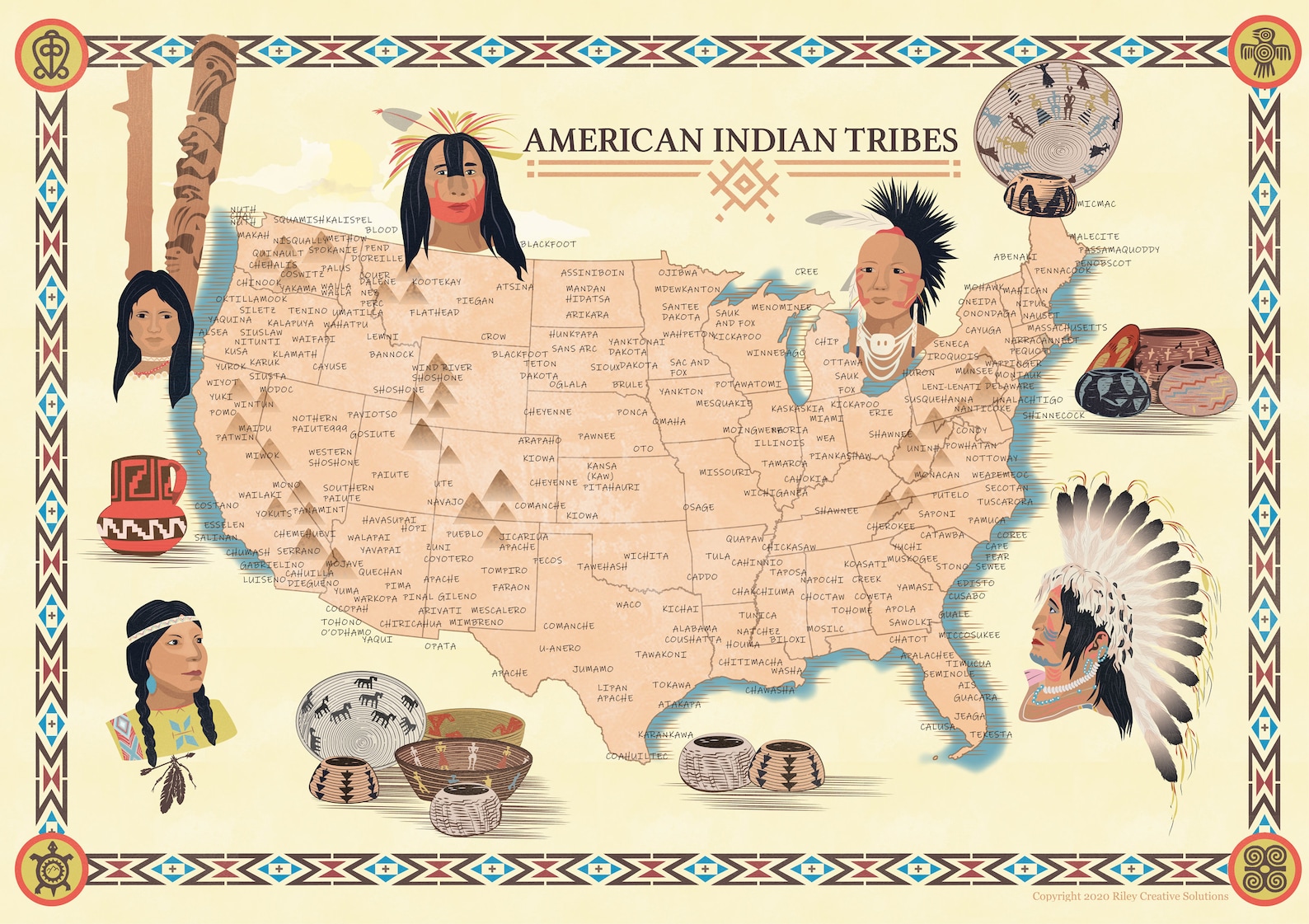
The financial standing of federally recognized Native American tribes varies dramatically, with the richest tribes in America generating substantial revenues through commercial enterprises, natural resource management, gaming, and diversified economic investments. Rather than relying on a single uniform metric like individual personal net worth, the wealth of these sovereign nations is measured by tribal government revenue, community infrastructure, enterprise assets, and per capita distributions to enrolled members.
Understanding how certain Native American communities have achieved significant economic prosperity requires looking beyond surface-level assumptions. Under the framework of tribal sovereignty, successful nations leverage federal policies, geographic advantages, and astute business strategies to build multi-industry portfolios. This analysis examines the foundational mechanisms of tribal wealth, the historical context of economic development, and the characteristics defining the most financially robust tribal governments in the United States today.
The Foundations of Tribal Wealth and Sovereignty
To understand how certain Native American tribes accumulate substantial wealth, one must first understand the unique legal and political framework of tribal sovereignty. Federally recognized tribes possess an inherent right to govern themselves, a status affirmed by the United States Constitution, federal statutes, and numerous Supreme Court decisions. This sovereignty grants tribal governments the authority to levy taxes, regulate commerce within their jurisdictions, and establish business entities free from many state-level restrictions.
Economic development in Indian Country underwent a paradigm shift with the passage of the Indian Gaming Regulatory Act (IGRA) of 1988. Enacted by the United States Congress, IGRA established the statutory basis for the operation of gaming by Indian tribes as a means of promoting tribal economic development, self-sufficiency, and strong tribal governments. While gaming remains a powerful engine for revenue generation, the most successful tribes have actively diversified their holdings far beyond casinos and hotels.
Diversification strategies among financially prominent tribes typically encompass several major sectors:
- Natural Resources and Energy: Ownership and management of oil, natural gas, coal, timber, and renewable energy installations such as wind and solar farms.
- Hospitality and Tourism: Large-scale resort complexes, convention centers, golf courses, and entertainment arenas that draw regional and international visitors.
- Banking and Financial Services: Tribally owned banks, lending institutions, and investment firms that manage capital and stimulate internal economic circulation.
- Government Contracting and Technology: Federal procurement firms, aerospace manufacturing, and information technology services that secure lucrative government and private-sector contracts.
Key Drivers of Economic Success
Not all federally recognized tribes share equal access to economic prosperity. The geographic location of a reservation plays a pivotal role in its commercial viability. Tribes situated near major metropolitan areas or major transportation corridors enjoy a distinct advantage in attracting consumer foot traffic, retail customers, and tourism dollars. Conversely, rural or geographically isolated tribes face steep logistical hurdles, higher transportation costs, and smaller local labor pools, making wealth accumulation significantly more challenging.
Demographics and enrollment numbers also influence the distribution of tribal wealth. A tribe with a massive revenue stream and a small enrollment can provide extensive social services, healthcare, education grants, and higher per capita dividend payments to its members. On the other hand, a large tribe with dispersed membership may see its collective revenues diluted when distributed across tens of thousands of individuals, even if the total enterprise revenue is exceptionally high.
Furthermore, astute governance and institutional stability are critical. Tribes that invest in professionalized business management, transparent financial auditing, and long-term sovereign wealth funds tend to weather economic downturns more effectively than those dependent on volatile, single-source revenue streams. Reinvestment into community infrastructure—such as modern housing, advanced healthcare clinics, broadband internet access, and higher education facilities—ensures that economic growth translates into sustained human capital development.
Overview of Prominent Economically Successful Tribes
While official, comprehensive financial balance sheets for sovereign tribal governments are not universally published in the manner of publicly traded corporations, federal regulatory filings, economic impact reports, and gaming commission data highlight several tribes recognized for their robust economic standing.
| Tribal Nation | Primary Geographic Region | Key Economic Sectors | Notable Enterprise Focus |
|---|---|---|---|
| Shakopee Mdewakanton Sioux Community | Minnesota | Gaming, Hospitality, Finance | Mystic Lake Casino Hotel, banking, real estate acquisition |
| San Manuel Band of Mission Indians | California | Gaming, Entertainment, Real Estate | Yaamava' Resort & Casino, major philanthropic investments |
| Pechanga Band of Indians | California | Hospitality, Gaming, Agriculture | Pechanga Resort Casino, golf courses, commercial leasing |
| Mohegan Tribe | Connecticut | Global Hospitality, Gaming, Entertainment | Mohegan Sun, international resort management, digital gaming |
| Seminole Tribe of Florida | Florida | Hospitality, Gaming, Agriculture, Entertainment | Hard Rock Cafe and Hotels, global gaming acquisitions |
| Choctaw Nation of Oklahoma | Oklahoma | Gaming, Manufacturing, Commerce, Healthcare | Choctaw Casinos & Resorts, aerospace manufacturing, retail |
| Cherokee Nation | Oklahoma | Healthcare, Manufacturing, Tech, Gaming | Cherokee Nation Businesses, federal contracting, health services |
| Chickasaw Nation | Oklahoma | Commerce, Gaming, Healthcare, Media | Global gaming operations, medical manufacturing, publishing |
Case Studies in Tribal Economic Diversification
Examining specific tribal nations illustrates the diverse pathways to economic success within Indian Country. Each community tailors its business model to its unique assets, cultural values, and long-term strategic vision.
The Shakopee Mdewakanton Sioux Community (SMSC)
Located southwest of Minneapolis, Minnesota, the Shakopee Mdewakanton Sioux Community is frequently cited as one of the most economically successful tribal governments per capita. SMSC operates the massive Mystic Lake Casino Hotel and Little Six Casino. Beyond gaming, the community has aggressively diversified its portfolio by investing heavily in regional real estate, agricultural enterprises, organics recycling, and financial institutions. SMSC is also renowned for its extensive philanthropic contributions, reinvesting millions into regional infrastructure, charitable causes, and assistance to other tribal nations.
The San Manuel Band of Mission Indians
Based in San Bernardino County, California, the San Manuel Band of Mission Indians has transformed its economic standing through the continuous expansion of the Yaamava' Resort & Casino. The tribe has prioritized professional business operations, workforce development, and substantial investments in Southern California real estate. San Manuel is also recognized for its civic engagement, partnering with major universities, healthcare institutions, and civic organizations to fund community development and emergency services.
The Seminole Tribe of Florida
The Seminole Tribe of Florida achieved a historic milestone in business ownership by acquiring the global Hard Rock brand, encompassing hotels, cafes, and casinos worldwide. Operating under the name Seminole Hard Rock Entertainment, the tribe manages a multinational hospitality empire that extends far beyond its sovereign lands in Florida. In addition to global gaming and hospitality, the Seminole Tribe maintains diversified operations in cattle ranching, citrus agriculture, and tourism, making it a powerhouse in international commerce.
The Cherokee Nation
As the largest federally recognized tribe in the United States by population, the Cherokee Nation in Oklahoma operates a vast and multifaceted economic engine. Cherokee Nation Businesses (CNB) oversees diverse enterprises spanning federal government contracting, aerospace and defense manufacturing, information technology, hospitality, and healthcare. Rather than concentrating solely on gaming revenue, the Cherokee Nation has built a diversified corporate structure that generates billions of dollars in economic impact, directly funding comprehensive tribal health systems, educational scholarships, and cultural preservation programs.
Economic Impact and Community Reinvestment
A defining characteristic of wealth generation among the richest tribes in America is the direct linkage between commercial success and community welfare. Under federal law, revenues generated by tribal government gaming must be used for specific public purposes, including funding tribal government operations, promoting economic development, providing charitable contributions, and supporting local government agencies or health and human services.
Consequently, tribal revenues frequently fund comprehensive social welfare systems that rival or exceed state-provided services. Members of economically prosperous tribes often benefit from:
- Comprehensive healthcare facilities, dental clinics, and wellness centers operated directly by the tribal government.
- Higher education scholarships, vocational training programs, and early childhood education facilities.
- Subsidized housing programs, elder care facilities, and infrastructure improvements like paved roads and clean water systems.
- Cultural preservation initiatives, language revitalization programs, and museums celebrating indigenous heritage.
These investments demonstrate that tribal economic development serves a dual purpose: driving commercial profitability while simultaneously fulfilling the sovereign responsibility to protect and elevate the community's future generations.
Frequently Asked Questions
How do tribes generate their revenue?
Tribes generate revenue through a combination of commercial enterprises, including gaming resorts, natural resource extraction (oil, gas, and timber), federal contracting, agriculture, manufacturing, tourism, and financial services. Additionally, tribal governments collect taxes and lease fees within their jurisdictions.
Do all members of rich tribes receive cash payouts?
Not necessarily. While some tribes distribute a portion of gaming or enterprise profits directly to enrolled members through per capita payments, many tribal governments choose to reinvest the vast majority of their earnings into community infrastructure, healthcare, education, housing, and long-term sovereign wealth funds.
Are tribal businesses subject to federal and state taxes?
As sovereign entities, tribal governments and their wholly owned enterprises are generally exempt from federal income taxes on governmental functions and commercial activities conducted on trust land. State tax applicability is complex and depends heavily on federal statutes, treaties, and the specific nature of the business activity and location.
How does the Indian Gaming Regulatory Act (IGRA) affect tribal wealth?
Enacted in 1988, IGRA provides the statutory basis for tribal gaming, classifying it into three distinct classes and establishing the National Indian Gaming Commission to regulate it. While IGRA enabled many tribes to lift their communities out of poverty, wealth generation ultimately depends on a tribe's geographic proximity to population centers and its ability to diversify into non-gaming industries.
Do tribal members pay income taxes to the United States?
Yes. Enrolled tribal members who earn individual income are subject to federal income taxes in the same manner as any other United States citizen. State income tax obligations vary depending on whether the individual lives and works on reservation trust land within their respective state.
Conclusion and Strategic Next Steps
The economic trajectory of the richest tribes in America underscores the power of self-determination, prudent resource management, and strategic diversification. While gaming served as the initial catalyst for modern tribal prosperity in the late 20th century, contemporary success is increasingly defined by multi-industry conglomerates, robust federal contracting, and sustainable infrastructure investments. For those examining economic development in Indian Country, the key takeaway is that tribal wealth is fundamentally tied to sovereign governance, long-term planning, and an unwavering commitment to community reinvestment.