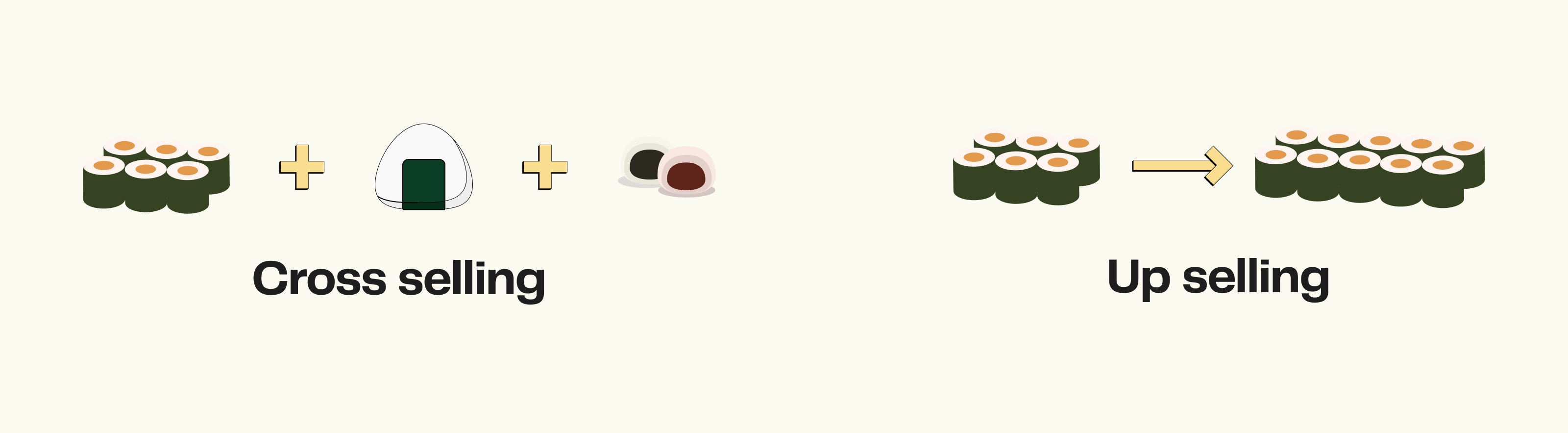
Cross-selling is a strategic sales and marketing technique designed to encourage customers to purchase complementary, related, or additional products alongside their initial item, thereby increasing the total order value and enhancing the overall utility of the purchase.
Effective cross-selling relies on relevance, timing, and genuine utility rather than aggressive push tactics. When executed properly, it benefits both parties: the business increases its average order value and lifetime customer value, while the customer discovers items they actually need to complement their primary purchase. Examining concrete, real-world implementations helps clarify how different industries successfully deploy this tactic.
Understanding the Fundamentals of Cross-Selling
Before reviewing specific examples, it is necessary to distinguish cross-selling from related commercial strategies such as upselling and bundling. Upselling involves encouraging a customer to purchase a more expensive, higher-tier version of the same product—such as upgrading from a standard subscription plan to an enterprise tier. Bundling groups multiple distinct products together, often at a discounted total price.
Cross-selling, by contrast, focuses on horizontal additions. If a customer buys a camera, upselling means convincing them to buy the professional-grade model instead; cross-selling means suggesting a memory bag, extra batteries, or a lens cleaning kit.
Why Cross-Selling Fails When Mismanaged
- Irrelevance: Suggesting unrelated items destroys trust and lowers conversion rates.
- Poor Timing: Interrupting the checkout flow with too many prompts causes cart abandonment.
- Overwhelming Choices: Presenting a massive list of add-ons paralyzes the buyer instead of helping them decide.
1. E-Commerce Product Recommendations (Amazon Style)
The most ubiquitous example of cross-selling occurs on major e-commerce platforms like Amazon, where product pages feature modules labeled "Frequently Bought Together" or "Customers who bought this item also bought."
When a shopper views a digital camera, the platform dynamically displays compatible SD cards, spare rechargeable lithium-ion batteries, and protective carrying cases. The technical backbone of this example relies on collaborative filtering and transactional data analysis. Algorithms examine historical purchase patterns across millions of users to identify items frequently acquired in the same shopping session.
The success of this method stems from its placement: it appears right on the product description page and again in the checkout cart, positioning the additions as natural solutions to immediate, practical problems.
2. Fast Food Combo Meals and Modifiers
The fast-food industry masters cross-selling at the point of sale through combo meals and strategic modifiers. When a customer orders a burger, the cashier or digital kiosk immediately asks, "Would you like to make that a meal with fries and a drink?"
Beyond combo upgrades, fast-food apps and drive-thru attendants utilize item-specific cross-sells. If a customer orders a hot beverage, they are prompted to add a pastry or muffin. If they order a chicken sandwich, the system suggests dipping sauces or extra cheese.
This model works because of speed and psychological framing. The additional items cost a relatively small fraction of the primary purchase, making the decision frictionless, and the suggestions align immediately with the consumption experience.
3. SaaS Software Add-ons and Integrations
In the software-as-a-service (SaaS) industry, cross-selling occurs after initial user onboarding or during feature discovery. Consider project management software like Asana or Trello. A user signs up for a standard workspace management tool. Once the team begins actively using the core platform, the system cross-sells complementary plugins, advanced automation packs, or integration add-ons with third-party tools like Slack, Google Drive, or GitHub.
Another prominent tech example is domain registration combined with web hosting and SSL certificates. When a user purchases a domain name through a registrar like GoDaddy or Namecheap, the checkout interface immediately cross-sells website builder packages, professional business email addresses, and privacy protection services.
| Industry | Primary Product | Cross-Sell Item | Strategic Mechanism |
|---|---|---|---|
| E-Commerce | Digital Camera | Memory Card & Case | Transactional history and collaborative filtering |
| Fast Food | Burger | Fries and Drink | Point-of-sale upcharge and combo packaging |
| Software (SaaS) | Project Management App | Automation Packs | In-app feature gating and workflow prompts |
| Banking | Checking Account | Overdraft Protection | Risk mitigation and bundle incentives |
| Hospitality | Hotel Room | Airport Shuttle & Spa | Travel itinerary completion |
4. Banking and Financial Services Overdraft Protection
Financial institutions rely heavily on cross-selling to deepen customer relationships and increase product adoption per account holder. A classic example is offering overdraft protection or credit monitoring services when a customer opens a standard checking account.
During the digital application process, after the user successfully sets up their primary banking product, the interface displays an optional opt-in for linked savings overdraft protection or identity theft monitoring. Because the customer has already completed the primary verification steps, adding a supplementary financial safeguard requires minimal friction.
Banks utilize customer segmentation models to ensure these offers match the user's financial profile, such as suggesting travel reward credit cards to customers with steady direct deposits.
5. Travel and Hospitality Itinerary Add-Ons
Airlines and hotel booking platforms are textbook examples of contextual cross-selling throughout a multi-step booking funnel. When a traveler books a flight on an airline website, the checkout flow sequentially introduces a series of optional travel ancillaries:
- Seat selection upgrades.
- Checked baggage allowances.
- Travel insurance policies.
- Car rentals and hotel accommodations at the destination.
This approach succeeds because the cross-sells are deeply integrated into the travel planning timeline. The customer needs these auxiliary services to complete their trip, making the suggestions high-value and timely rather than intrusive.
6. Telecommunications Device Accessories
Telecommunications companies, such as mobile carriers and consumer electronics retailers, execute effective cross-selling at both physical and digital points of sale. When a customer purchases a new smartphone, the sales representative or online checkout module immediately suggests tempered glass screen protectors, protective cases, and wireless charging pads.
Carriers also cross-sell device insurance or extended warranty plans. This strategy addresses a clear consumer anxiety: protecting an expensive new device from accidental damage. By packaging these accessories together or offering them at the moment of device activation, retailers capture additional revenue while providing immediate practical value.
7. Automotive Dealership Financing and Maintenance Packages
In the automotive industry, cross-selling happens primarily in the finance and insurance (F&I) office after the customer has agreed to purchase a vehicle. Once the base car price is established, the finance manager introduces complementary products designed to protect the investment and enhance ownership:
- Guaranteed Asset Protection (GAP) insurance.
- Extended service contracts and maintenance packages.
- Tire and wheel protection plans.
These examples highlight high-ticket cross-selling where the add-ons protect the primary asset against depreciation and unexpected repair costs, aligning financial security with consumer peace of mind.
8. Insurance Policy Bundling
Insurance providers utilize cross-selling to reduce customer churn and increase policyholder value through multi-line bundling. If a customer purchases auto insurance, the company actively cross-sells homeowners or renters insurance, often incentivizing the combination with a multi-policy discount.
The structural advantage of this model is mutual benefit: the customer receives a lower cumulative premium across their policies, while the insurance carrier secures a stickier customer relationship with a lower probability of switching to a competitor.
9. Fitness and Wellness Supplement Pairings
The health, wellness, and fitness industry utilizes cross-selling in both brick-and-mortar gyms and e-commerce supplement stores. When a customer purchases a gym membership, the front desk staff or sign-up portal cross-sells personal training assessment sessions, towel service, or locker rentals.
In e-commerce supplement stores, purchasing a container of whey protein triggers automated recommendations for shaker bottles, creatine monohydrate, or branched-chain amino acids (BCAAs). These recommendations are effective because fitness consumers typically pursue comprehensive nutritional goals rather than isolated product solutions.
10. Streaming Media and Digital Content Platforms
Digital media platforms utilize algorithmic cross-selling to maximize user engagement and subscription tiers. Premium audio and video streaming services analyze user consumption habits to cross-sell related content, live event tickets, or higher-tier family plans.
For example, when a user listens to a specific music genre or podcast, the interface highlights live tour tickets for that artist or recommends audiobooks narrated by the same author. In software application marketplaces, purchasing a game development tool cross-sells digital asset packs, sound effect libraries, and graphic design plugins tailored to creators.
Best Practices for Implementing Cross-Selling Strategies
To maximize the effectiveness of cross-selling without alienating customers, organizations must adhere to several operational guidelines:
- Maintain Strict Relevance: Only suggest items that logically complement the primary purchase. A customer buying a laptop needs a sleeve or mouse, not kitchen appliances.
- Optimize Timing: Present cross-sell offers when the customer's intent is highest—typically right before checkout or immediately after adding the primary item to the cart.
- Limit Choices: Present a curated selection of two or three items rather than an overwhelming catalog. Choice overload increases cart abandonment.
- Demonstrate Clear Value: Clearly articulate why the supplementary product adds value to the primary purchase, whether through compatibility, protection, or convenience.
Frequently Asked Questions About Cross-Selling
What is the primary difference between cross-selling and upselling?
Cross-selling involves suggesting a complementary, different product to accompany the original purchase, such as buying a case for a smartphone. Upselling encourages the customer to buy a more expensive, premium version of the same product, such as upgrading from a 128GB smartphone to a 512GB model.
When is the best time to present a cross-sell offer?
The optimal time is during the active consideration phase on a product page or immediately before final payment during the checkout process. Presenting offers too early can distract the user, while introducing them after the transaction closes requires post-purchase email flows or account portal prompts.
Can cross-selling harm customer relationships?
Yes, if executed poorly. Aggressive cross-selling of irrelevant, overpriced, or low-quality items frustrates customers and increases cart abandonment rates. Successful cross-selling must always prioritize genuine utility and relevance for the buyer.
How do algorithms improve e-commerce cross-selling?
Algorithms use collaborative filtering and machine learning to analyze historical purchasing data across large user bases. By identifying patterns in what items consumers buy together, the system automates accurate, data-driven recommendations without manual curation.
Are cross-sell offers effective in B2B environments as well as B2C?
Cross-selling is highly effective in B2B markets, particularly in software, professional services, and industrial equipment. In B2B contexts, cross-selling often involves adding training modules, user seat expansions, premium support SLAs, or integrated enterprise tools to an existing contract.
Conclusion and Next Actions
Implementing an effective cross-selling strategy requires analyzing customer journey touchpoints, understanding buyer intent, and deploying relevant product recommendations at the right moment. Start by auditing your current sales funnel or e-commerce catalog to identify natural product pairings. Ensure your recommendation engine or sales scripts focus on utility and customer value rather than aggressive volume pushing to build long-term trust and maximize average order value.